Relevance 10/10Importance 10/10
OpenAI used its DevDay keynote to launch Dots, persistent agents built on the GPT-6 Astra model that each get their own cloud computer with a browser and can connect to over 4,000 apps. Unlike Codex or a ChatGPT session, Dots are designed to chase user-defined goals 24/7 in the background with minimal supervision, carrying context across Slack, Teams, and ChatGPT itself. They're rolling out to Pro, Business Premium, and Enterprise plans alongside a new high-end paid tier, with one Dot included and teams of Dots promised later.
Relevance 10/10Importance 8/10
Livenerf is a 30-day public benchmark built to answer the eternal forum accusation that frontier models get quietly downgraded after launch. It fixes a launch-week baseline for Claude Opus 5.5, then re-runs a calibrated panel of 78 GPQA, MMLU-Pro, and competition-math questions daily, tracking both accuracy drift and output token counts as a proxy for reasoning effort. Crucially it runs a control arm on Opus 5 and uses pre-registered thresholds — 99 percent confidence intervals, minimum three-point effect size — so the verdict isn't vibes.
Relevance 7/10Importance 9/10
The Trump administration launched America.gov as a single AI-powered front door to federal services, replacing menu-diving with a search bar that answers questions directly. The chat layer is live now and runs on Google's Gemini and xAI's Grok; transactional features like passport applications, Medicare enrollment, student loan checks, and VA benefits are slated for 2027. An accompanying executive order directs every federal agency to integrate its site with the hub, which is exactly why the HN thread has nearly 600 comments.
Relevance 9/10Importance 7/10
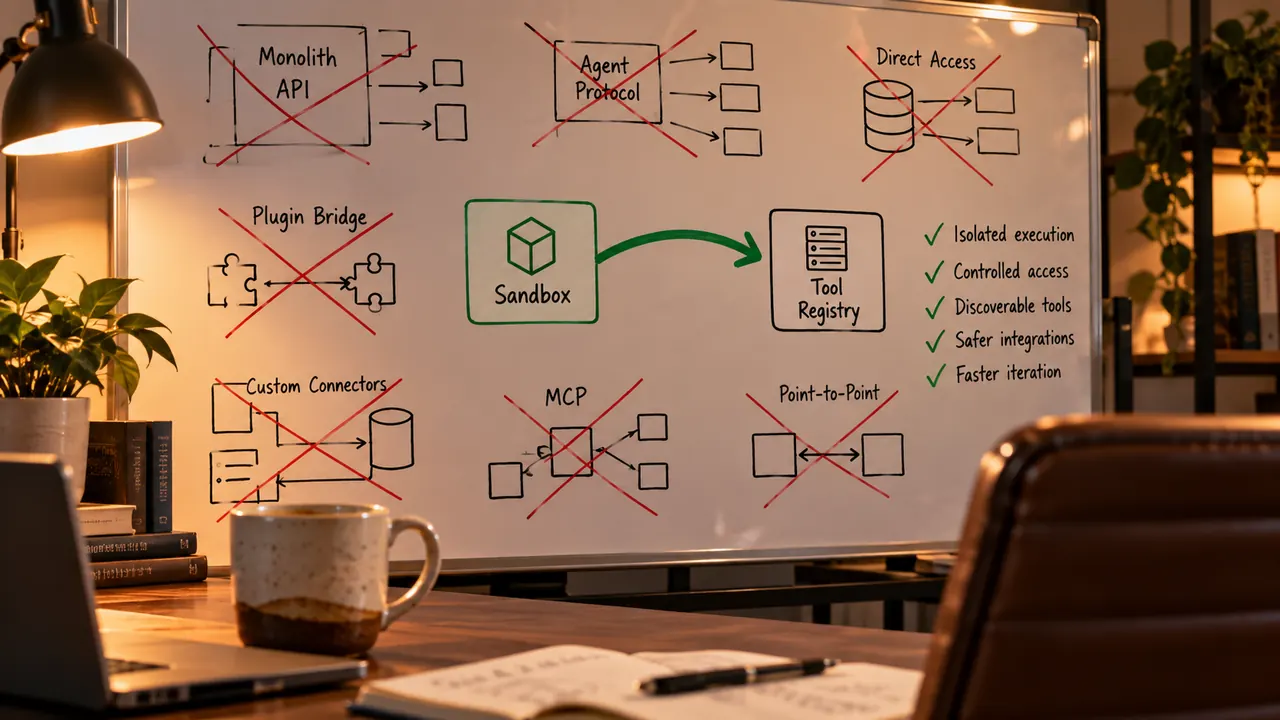
Earendil Engineering publicly reverses its stance against the Model Context Protocol and ships MCP support in its Pi agent platform. The unlock was infrastructure they needed anyway: a JavaScript sandbox called Codemode that orchestrates tool calls and keeps session state on the harness side rather than the filesystem, which also benefits their own tooling. Their argument is that MCP has matured toward structured returns and deferred tool discovery, and that shaping it from inside beats sniping from outside.
Relevance 4/10Importance 8/10
Green Mountain Power leases Tesla Powerwalls into Vermont homes for roughly fifty-five dollars a month, then dispatches that fleet as a virtual power plant during peak demand events. Homeowners get ride-through backup during the ice storms and tree strikes that regularly darken rural Vermont, while the utility gets a grid resource it can charge cheap and discharge expensive. The payoff is concrete: the aggregated battery network has let GMP retire two peaker plants outright.
Relevance 8/10Importance 4/10
A software developer bought a pre-assembled robot arm to show his kids what AI can actually do, then wired an LLM up to drive it. His big finding was counterintuitive: the meticulous spatial calibration he assumed was mandatory turned out to be unnecessary, and stepping back to let Claude iterate worked better. Using camera feedback and resistance detection, the arm taught itself to pick and place colored blocks without human correction.
Relevance 6/10Importance 4/10
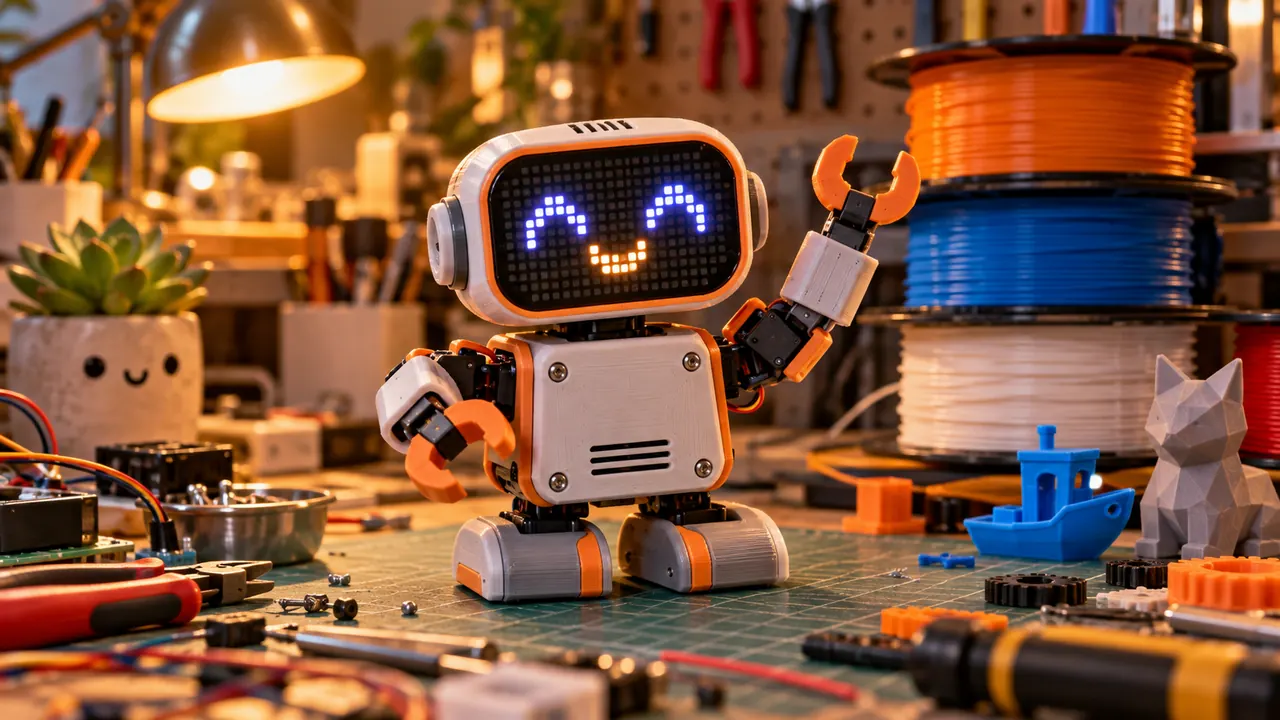
JBR-001 is a fully open-source, 3D-printable desktop companion robot built around the new Arduino UNO Q board. The build packs three servos, a distance sensor, a buzzer, an LED matrix, a camera, and Modulino sensor blocks into a printable shell. It greets you with animated head and arm movements, plays a heartbeat animation, detects nearby objects, chirps musical tones, and runs computer vision to recognize specific Modulino modules.
Relevance 3/10Importance 5/10
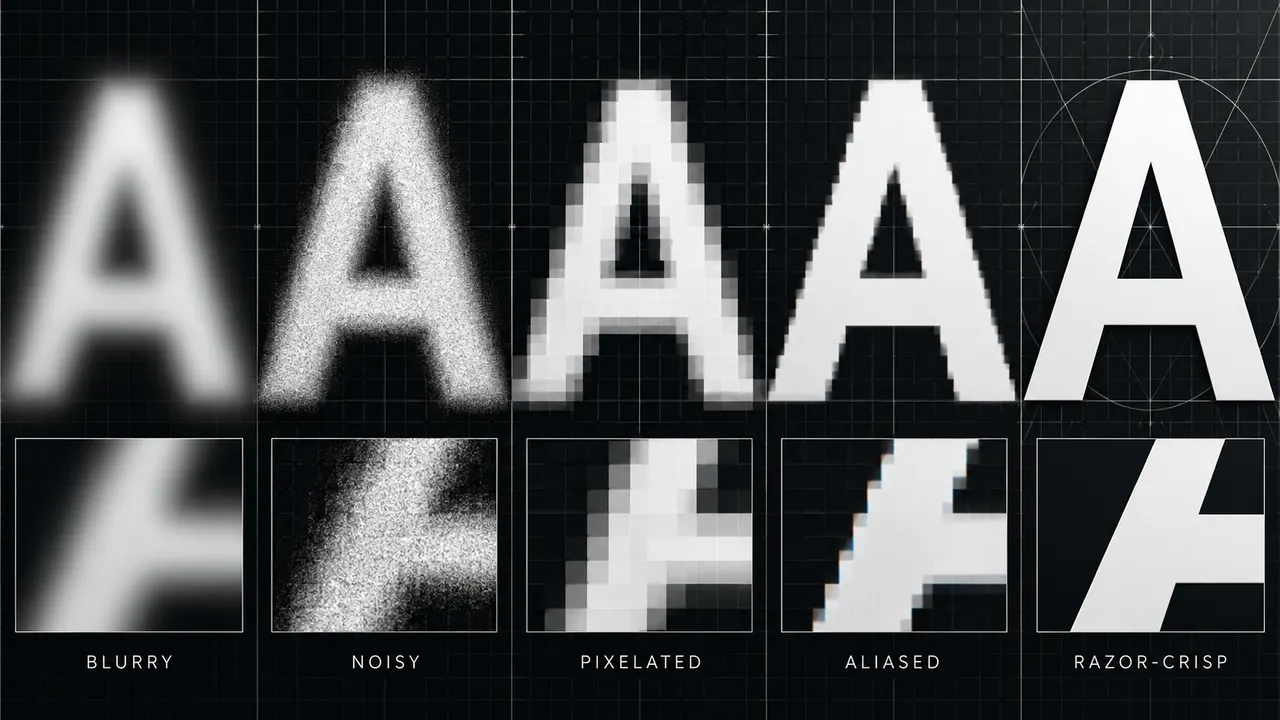
A deep comparison of five approaches to drawing text on the GPU: bitmap atlases, signed distance fields, multi-channel SDF, tessellation renderers like Rive, and Slug's outline-based coverage math in the fragment shader. Each trades quality against scalability and memory differently, with atlases blurring on zoom, SDF and MSDF softening sharp corners, and Slug staying crisp at any scale without pre-baking. The verdict is refreshingly unromantic: no single winner, just the right tool per job.
Relevance 2/10Importance 3/10
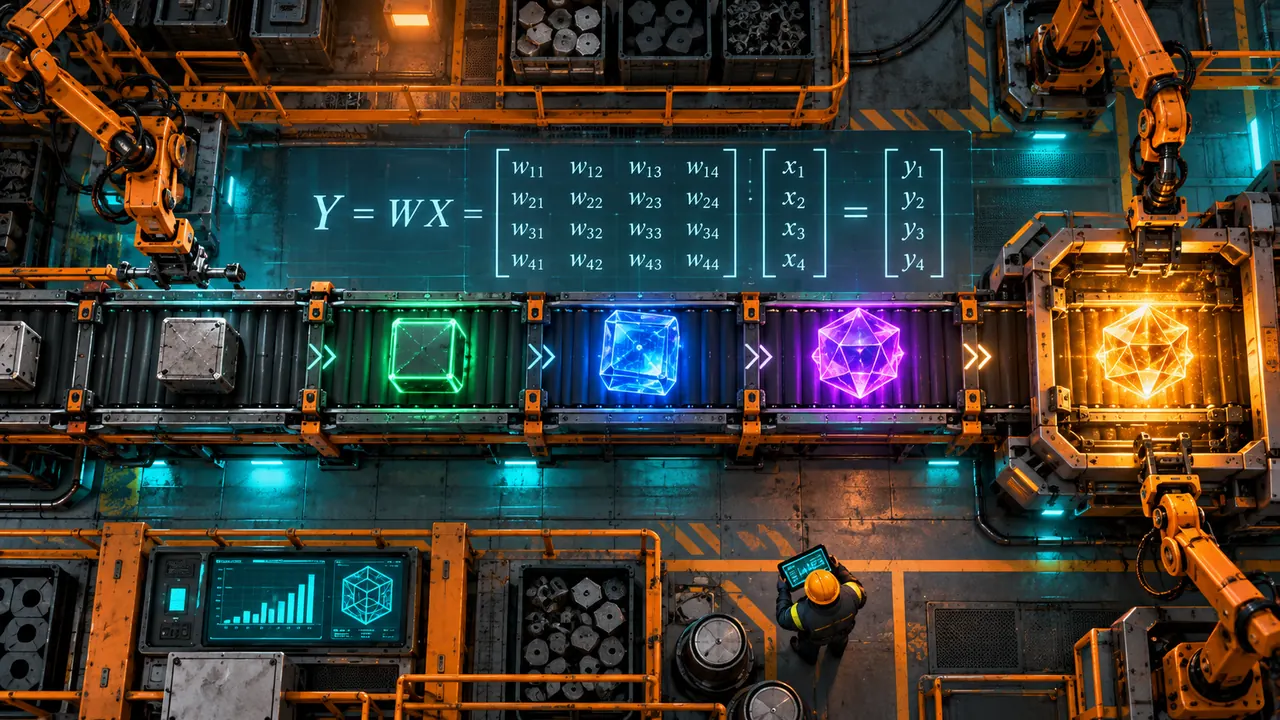
Factorio's quality upcycling loops — craft, recycle, filter, repeat — usually get tuned by trial and error and spreadsheet guessing. This post reframes each loop as a vector of quality distributions transformed by matrices for crafting, recycling, and filtering. Set the system at equilibrium, write it as A times x equals b, run Gaussian elimination, and you get exact machine counts and yields with no iteration required.
Relevance 2/10Importance 2/10
Mathigon's interactive origami module walks through folding three-dimensional geometry by hand, covering all five Platonic solids, the thirteen Archimedean solids, and compound intersecting forms. Every shape ships with folding guides and downloadable nets. It runs the gamut from modular decorative balls to full dragon figures.

 HN Briefing AM