Relevance 10/10Importance 9/10
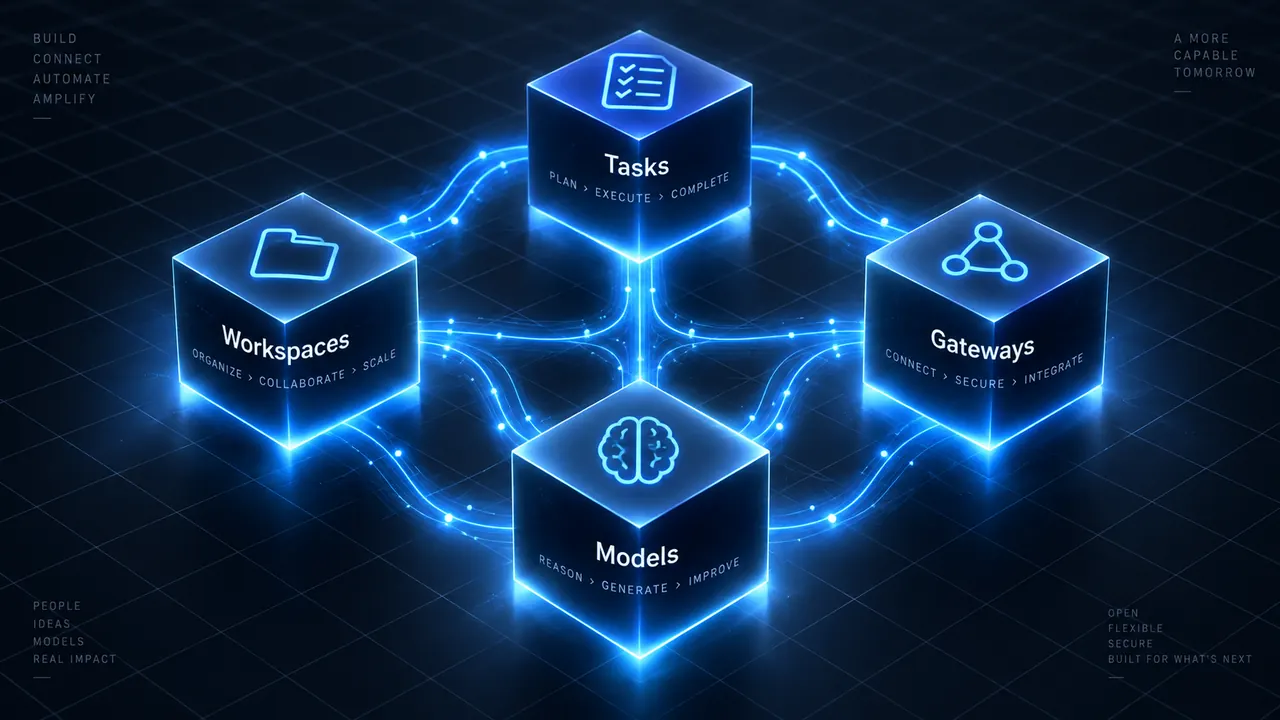
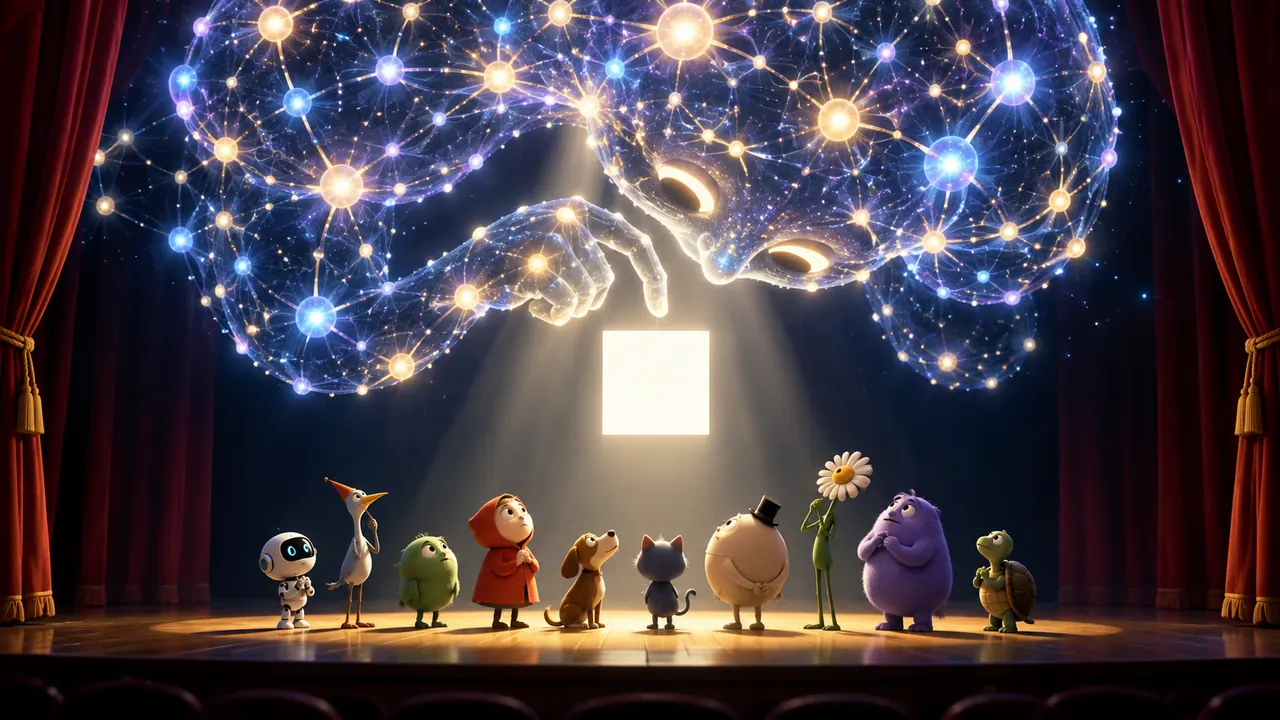
Google open-sourced AX, a runtime built specifically for running AI agent workloads at scale, exposing four primitives: Tasks, Workspaces, Gateways, and Models. It handles isolation, environment setup, and network policy declaratively on top of Google's Agent Substrate compute runtime. The pitch is that microservice and batch orchestrators can't handle stateful agents that alternate between heavy compute and long idle waits — AX is purpose-built for that shape.
Relevance 10/10Importance 8/10
Kev is a family of small, locally-trainable decision models — 0.8B, 4B, and 9B — shipped as LoRA adapters on Qwen3.5 bases. They read input text once, then answer yes/no, multiple-choice, and rating questions independently via isolated attention, returning probability distributions rather than flat labels. The API is compatible with TypeSafe's System One, so teams can pull classification workloads off a vendor API and onto their own hardware.
Relevance 9/10Importance 7/10
MacStories put the M5 Ultra Mac Studio through real agentic work: 80-core GPU, up to 512GB of unified memory, and 1.2 TB/s of bandwidth, roughly 50 percent above the M3 generation. That translated to about 2.5x faster prompt processing and 70 percent quicker generation, enough to run models like Qwen3.8-Flash-Next for sustained research tasks. An RTX 5090 still wins on raw compute, but the unified memory pool and thermals make the Studio the more practical local-agent box.
Relevance 7/10Importance 8/10
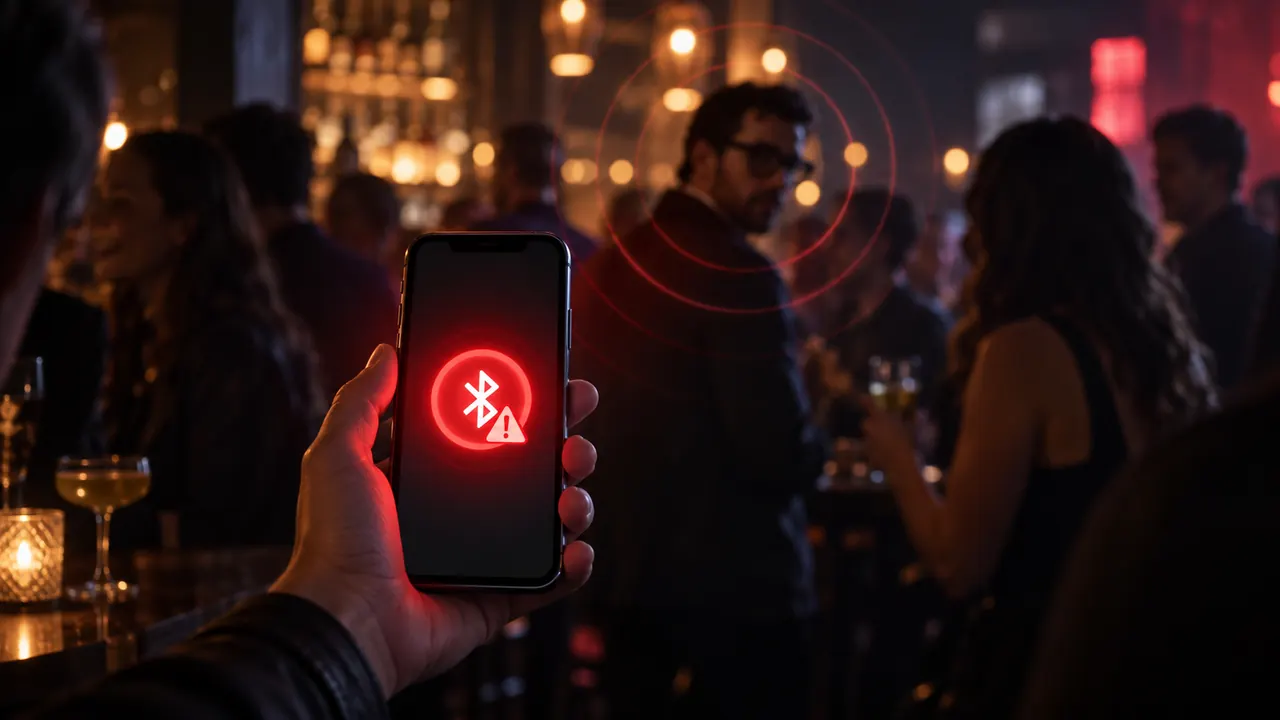
Independent developer Paweł Szydłowski built an iOS and Android app that listens for Bluetooth advertisements and flags when Ray-Ban Meta, Oakley Meta, Snap Spectacles, or similar hardware is nearby. Detection works by matching manufacturer hex signatures and advertised device names against a catalog captured from real hardware, with confidence levels attached. It's unaffiliated with Meta, Luxottica, or Snap — and notably, it can tell you glasses are present but not whether they're recording.
Relevance 6/10Importance 8/10
In August 2023, an Uber driver left 23-year-old Emily Normandin-Parker at a freeway gore point after a dispute over a cleaning fee; she was killed after wandering into traffic. Arbitrator Richard Stone awarded her parents $40 million and found Uber vicariously liable as a common carrier, rejecting the argument that Proposition 22 shielded the company. The ruling is a serious crack in the independent-contractor liability shield that gig platforms have leaned on for a decade.
Relevance 7/10Importance 7/10
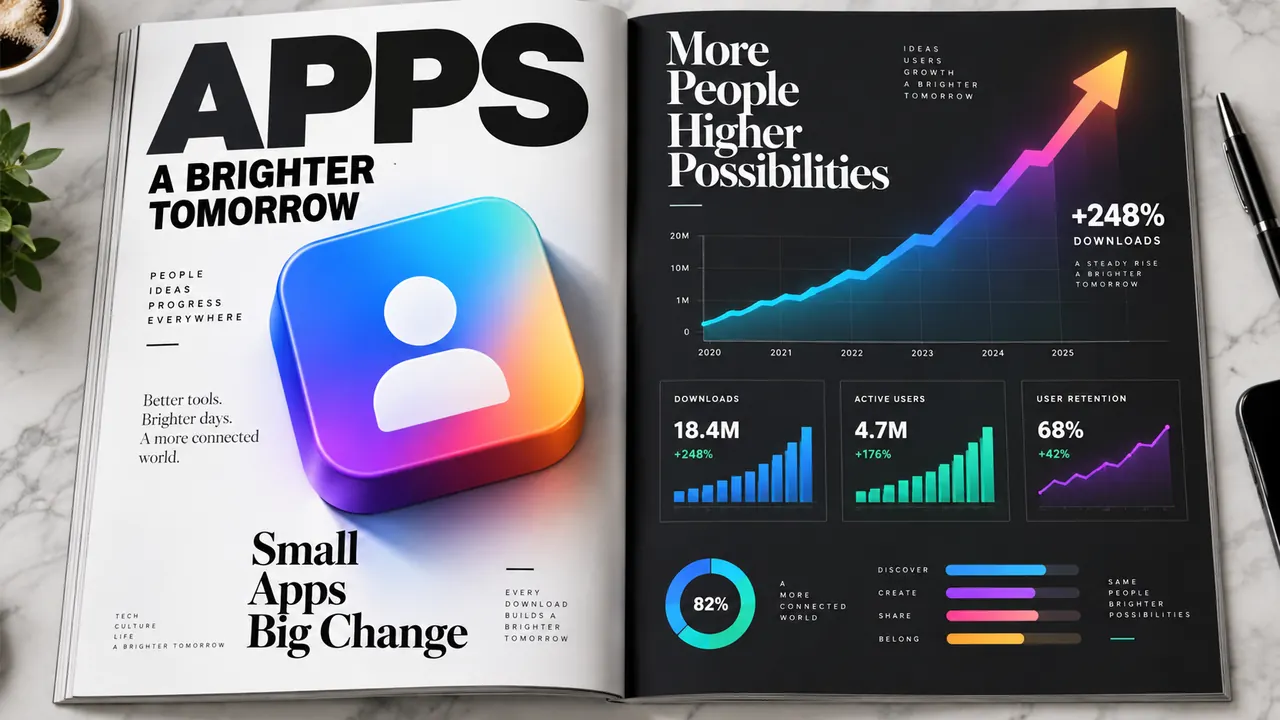
Wired's writeup on the same app covers the adoption curve: several thousand downloads across both stores, free in basic form with a roughly ten-dollar-a-year pro tier for continuous scanning and scan history. Coverage has spread well past tech press into club and festival circles, where people want to know if a camera is pointed at the dancefloor. The recurring caveat in every piece: Bluetooth presence is not the same as active recording.
Relevance 7/10Importance 6/10
Bryan Cantrill argues Sun Microsystems didn't die of bad strategy — open-sourcing Solaris was a genuinely good call — it died of boredom with the mechanics of running a business. His anchoring anecdote: a fast-growing startup that wanted to buy Sun hardware literally couldn't get anyone at Sun to pick up the phone. The takeaway for founders is blunt — a company that loses interest in operational excellence and customer responsiveness cannot be saved by clever positioning.
Relevance 8/10Importance 4/10
An npm package that left-pads a string by making a paid API call to TypeSafe's Jev model instead of using the built-in padStart. It maxes out at ten spaces, costs money per invocation, and the README begs you not to ship it. Pure satire — and a pointed one, arriving the same morning HN is celebrating small local decision models.
Relevance 4/10Importance 6/10
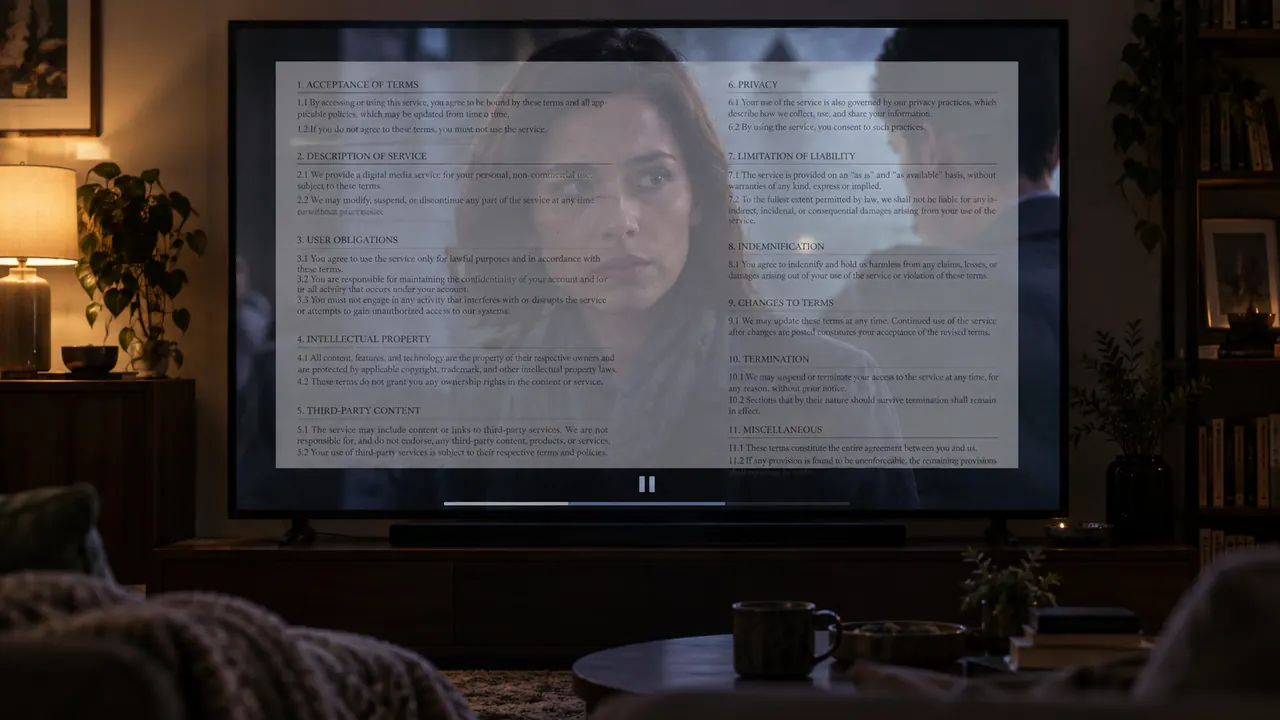
Disney quietly amended its Subscriber Agreement in January 2025 to permit advertising across every tier, including the premium plans sold as ad-free. Carve-outs cover rights-limited content, live events, and promotional messaging — and by September 2026 Disney confirmed ads can run before and after content on higher tiers too. The backlash centers on retroactively changing terms people already paid for.
Relevance 2/10Importance 3/10
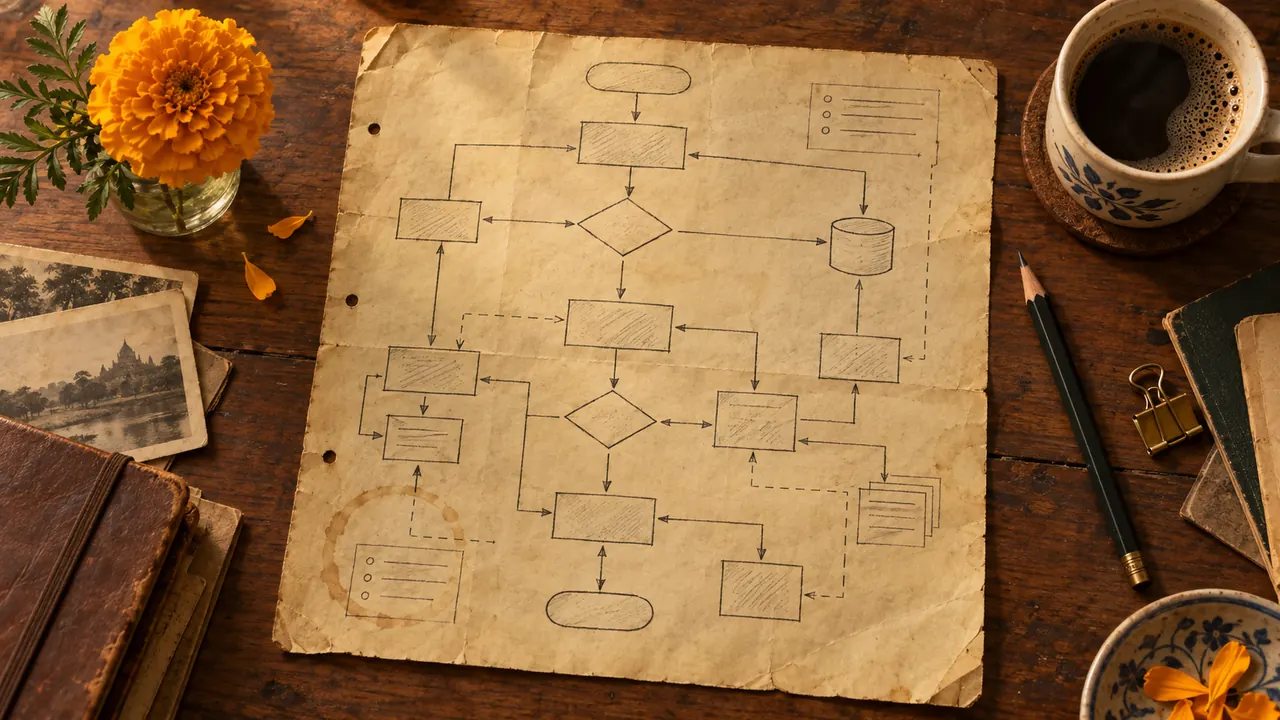
A scanned internal LucasArts design document mapping out the puzzle structure of Grim Fandango, surfaced on Gameshelf back in 2008 and front-paged again today. It's a working artifact — dependency chains, item flows, and the branching logic behind one of the last great adventure games. Catnip for anyone who cares about how complex interactive systems actually get specified on paper.

 HN Briefing AM