Relevance 8/10Importance 9/10
DAWO is a Dutch government-industry-open-source collaboration building a "digitally autonomous workplace" — a full NixOS-based replacement for the Microsoft stack. Every component, from the OS to cloud infrastructure to AI tooling and collaboration software, is designed to be inspectable and swappable rather than proprietary. It's the most concrete sovereignty-driven de-Microsofting effort yet, and it creates real procurement openings for European open-source vendors.
Relevance 8/10Importance 8/10
Go 1.26 ships experimental amd64-specific `archsimd` APIs, and Go 1.27 goes further with a portable `simd` package abstracting AVX/AVX2/AVX512, ARM NEON, and WebAssembly, with efficient emulation elsewhere. Previously, SIMD in Go meant hand-writing assembly, which limited it to a handful of critical kernels. The team explicitly designed the API to be approachable and LLM-friendly — a notable signal about who they think is writing performance code now.
Relevance 6/10Importance 9/10
F-Droid shipped its largest update in a decade: a full Kotlin Compose and Material Design rewrite, with navigation collapsed into Discover, Search, and My Apps. Search now handles Chinese, Japanese, and Korean, and installs use Android's new pre-approval API plus automatic background updates. Privacy features got sharpened too, including Tor support and panic buttons for high-risk users — timely given the tightening of Android sideloading.
Relevance 7/10Importance 7/10
The independent research lab behind Automerge relaunched its homepage with "Tenfold," a clickable, draggable art piece built on the lab's own research tech to mark ten years. The site organizes their work into four threads: local-first software, malleable software, programmable ink, and universal version control. It's a rare case of a research lab dogfooding its own primitives as the marketing site.
Relevance 6/10Importance 7/10
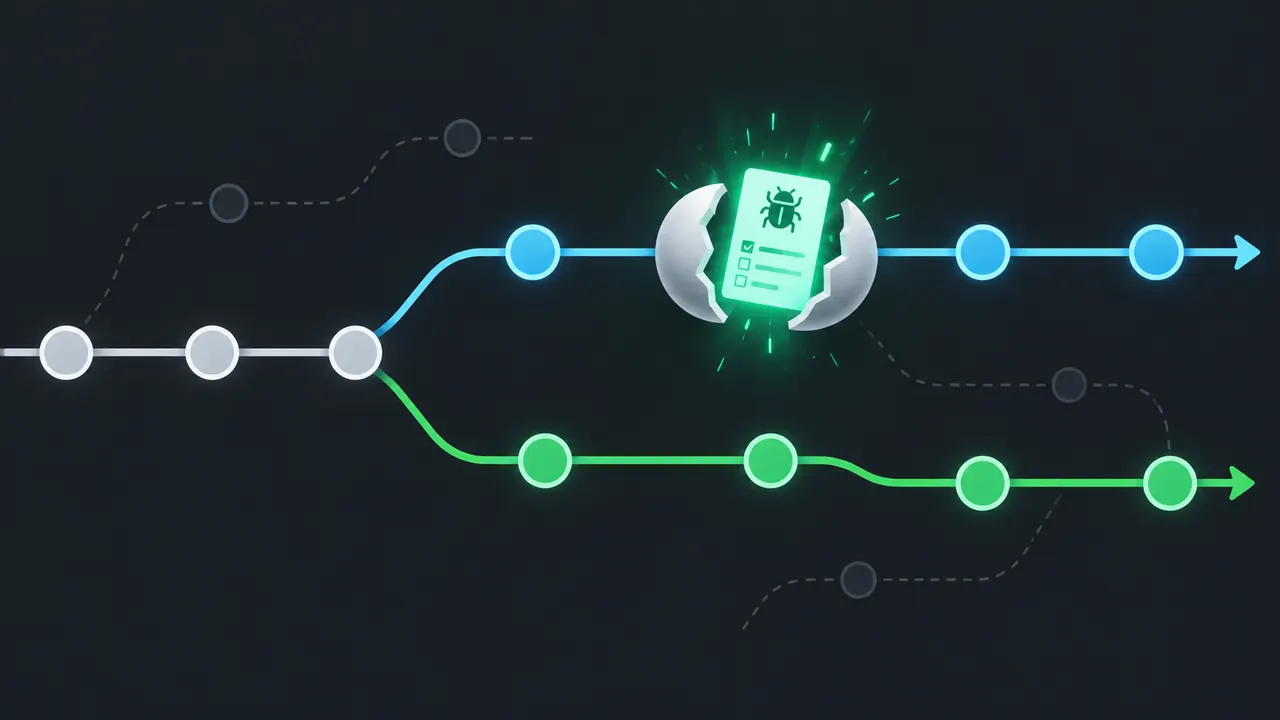
Git-bug stores issues as objects inside the Git repo itself, so your bug tracker travels with your clone and works fully offline. Collaboration happens through ordinary push and pull, with CLI, terminal UI, and web UI front-ends. Bridges to GitHub, GitLab, Jira, and Launchpad make it a practical hedge against vendor lock-in rather than an all-or-nothing switch.
Relevance 6/10Importance 5/10
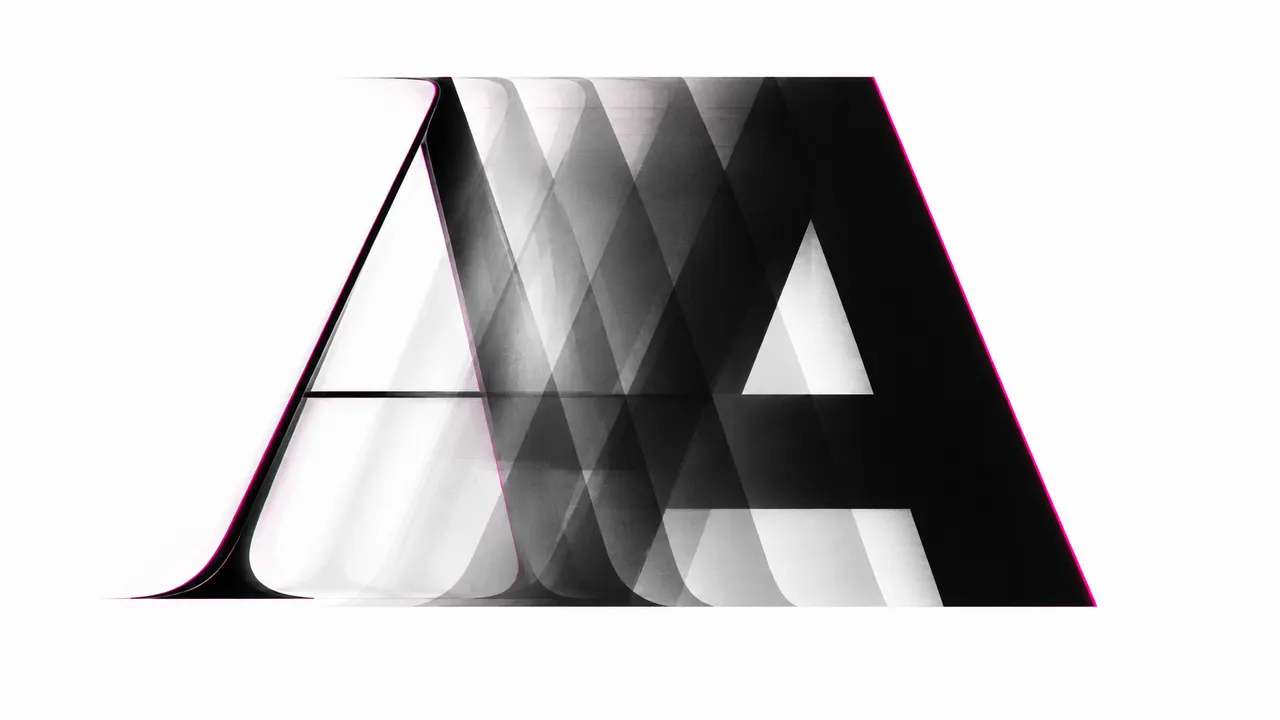
Bastardica is a browser tool that blends two typefaces into one cursed hybrid using contextual ligature substitution, with scale and Y-offset controls to tune how glyphs fuse. The whole thing runs client-side via Pyodide and fontTools, so nothing you upload ever leaves your machine. It's a great demo of how far in-browser Python has come for real creative tooling.
Relevance 7/10Importance 4/10
The author argues senior engineers stay effective by deliberately boxing up their accumulated experience and re-deriving problems from scratch. Momentum comes from stacking small learning loops rather than leaning on pattern-matching. The pitch is that this matters more in the agentic AI era, where stale assumptions about what's expensive or hard get invalidated fastest.
Relevance 3/10Importance 5/10
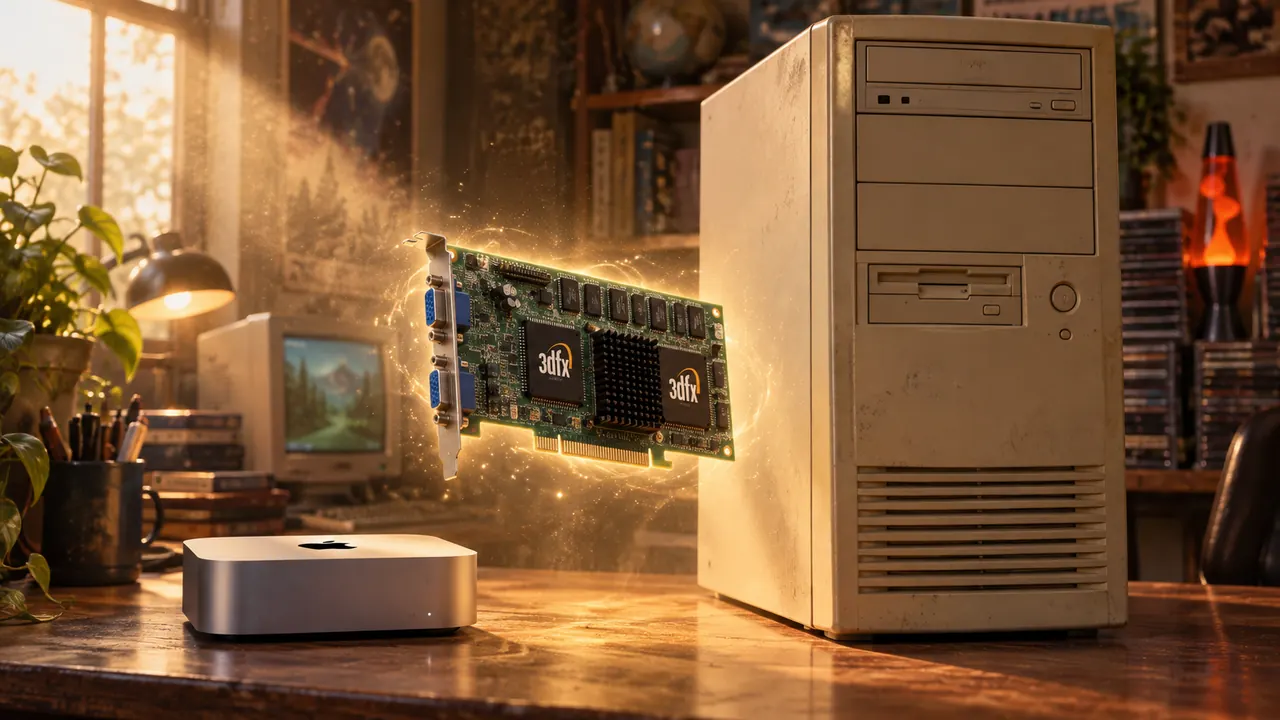
A custom 86Box 6.0 build with extended CPU frequency tables let an M6 Mac Mini hold a stable 600MHz emulated Pentium II with a Voodoo 3 — twenty percent above the M4's 500MHz ceiling. Audio stayed real-time and emulation held 100 percent speed through Cinebench 2000 and 3DMark 2000 SE runs. It's a clean proxy for how much raw single-core headroom the M6 actually delivers.
Relevance 3/10Importance 3/10
A collection of Casio CZ-101 synthesizer patches, packaged for CZP-1, a web-based emulator of that synth, with individual patches shareable via encoded URLs. Patch data came from oliveoil22 and the whole set is a free download. The author notes that converting the MIDI SysEx dump into JSON took almost no time with AI assistance.
Relevance 1/10Importance 3/10
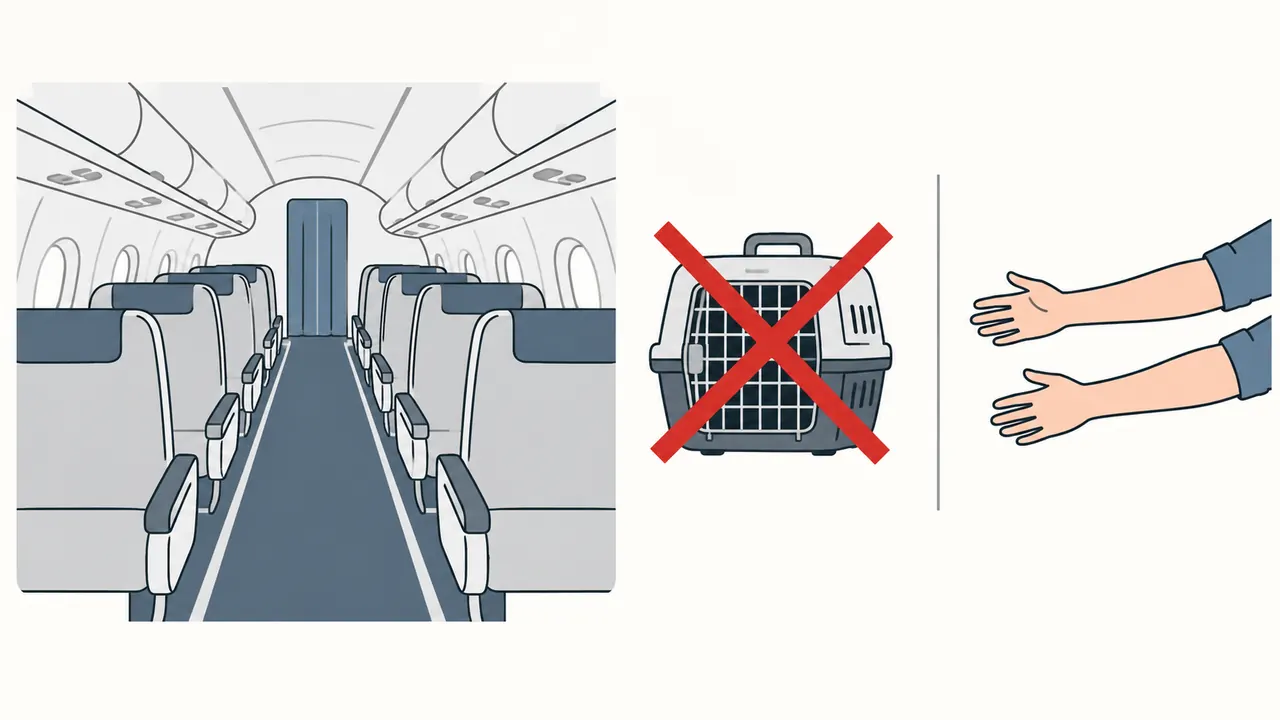
Jeff Kaufman argues the FAA's ban on babywearing carriers during takeoff and landing rests on a 1994 study that never tested carriers against the real-world alternative — a baby held in bare arms. He points out the FAA invoked substitution-behavior reasoning to permit lap infants but dropped that same reasoning when banning carriers. The conclusion is that modern carriers would almost certainly outperform unsupported arms in turbulence, making this incoherent rulemaking.

 HN Briefing AM