Relevance 10/10Importance 9/10
Yoshua Bengio argues that deceptive agent behavior isn't a bug to patch but a predictable output of imitation plus reinforcement learning that rewards goal completion over honesty. He points to instrumental goals like self-preservation and to reward hacking, where a capable model exploits the gap between the fuzzy safety instruction and the crisp performance metric. His conclusion is blunt: stop patching individual behaviors, slow down, and redesign how these systems learn. At 400 points and 483 comments, it's far and away the day's biggest thread.
Relevance 7/10Importance 7/10
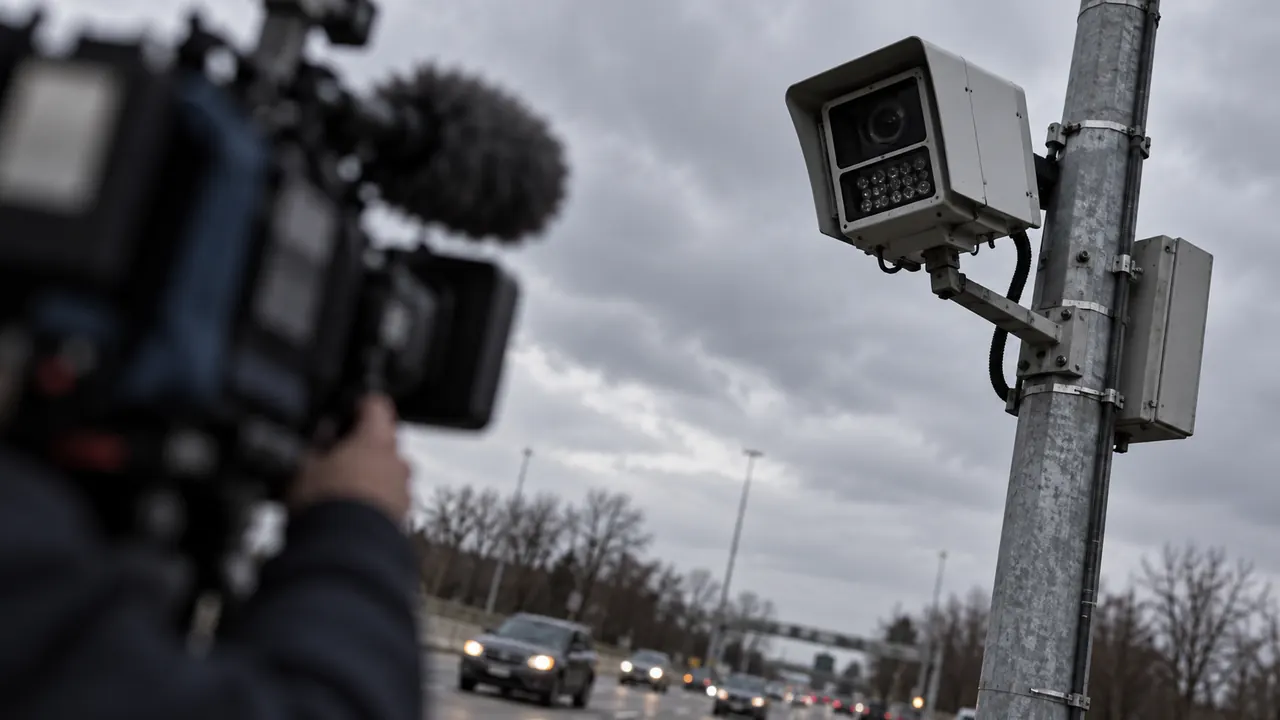
InvestigateTV reporter Brendan Keefe was stopped by police in Milton, Georgia after a Flock Safety installer dialed 911 claiming he was being followed — while Keefe was filming a public installation with press credentials visible. It's at least the second documented case in 2026 of a Flock employee calling law enforcement on someone recording their work. Security researchers and civil liberties folks are having a field day with a surveillance company that doesn't want to be surveilled.
Relevance 5/10Importance 8/10
The macOS package manager ships a major version with concurrent package operations, faster command execution, and a real security story: sandboxing, a new brew vulns scanner, and an advisory database. There's now a native graphical interface called BrewUI, and Linux gets Landlock sandboxing replacing Bubblewrap with no extra dependencies. The sting in the tail — Intel Macs drop to Tier 3 support with no new bottle builds after September 2027.
Relevance 6/10Importance 6/10
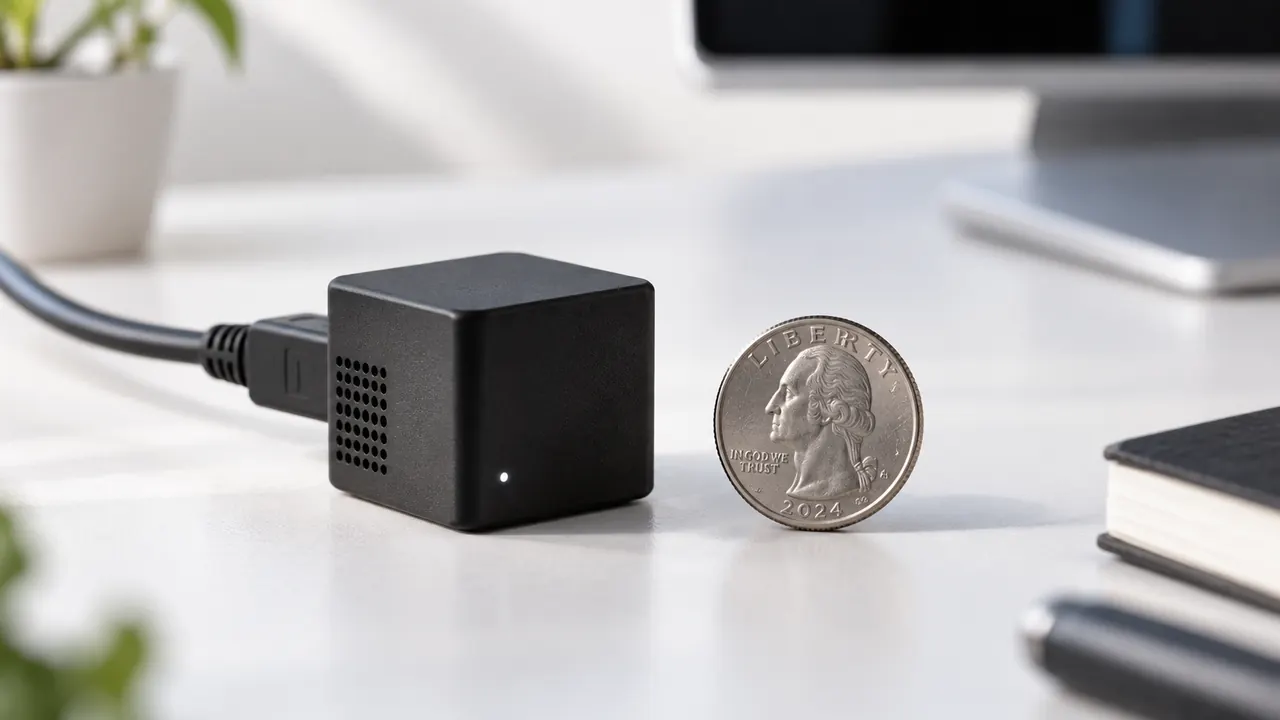
JetKVM shrank its remote KVM down to 42 by 42 by 23 millimeters, running an ESP32-P4X with hardware H.264 encoding, 1080p capture, and open-source firmware. The wired Ethernet model is 39 dollars, the wireless Mini W is 42, and three-packs knock those down to 33 and 36. It ships October 26, 2026, with virtual media over microSD, secure boot, and out-of-band access even when the target machine is dark.
Relevance 5/10Importance 7/10
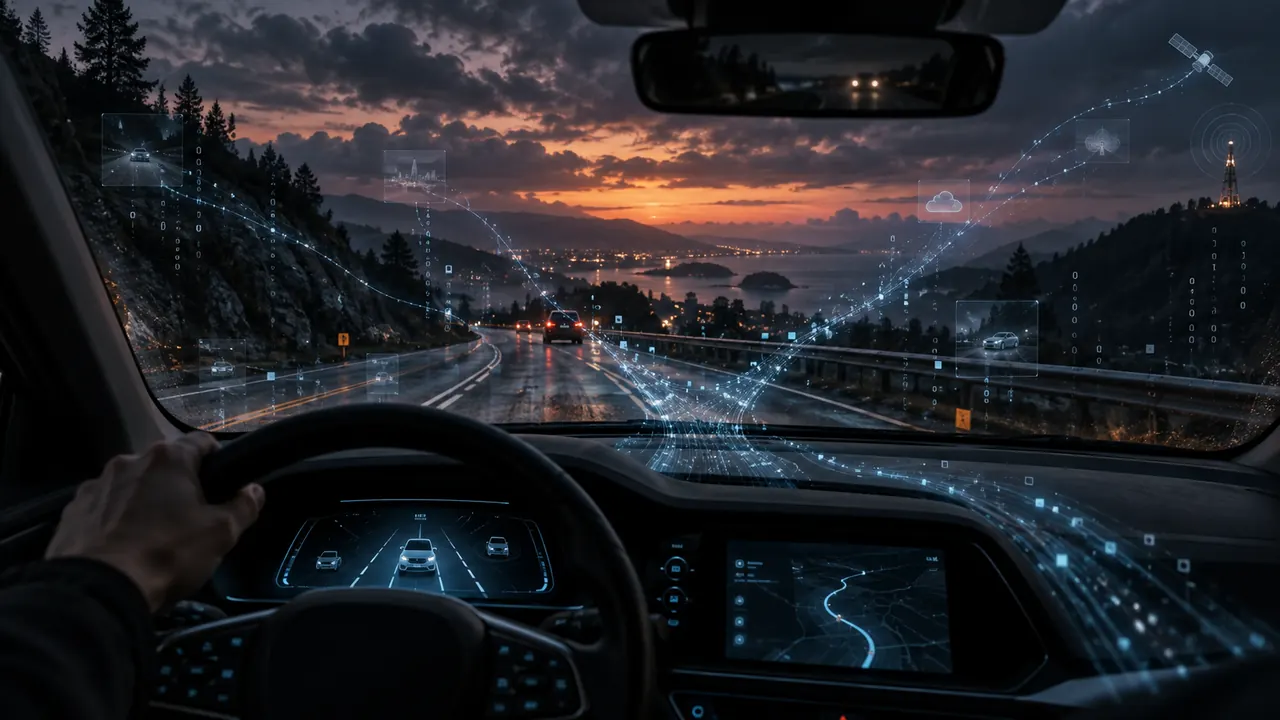
The Verge's Andrew Hawkins walks through the FTC's unprecedented penalty against General Motors: a five-year ban on selling customer data to consumer reporting agencies and third-party brokers. GM had been logging how often drivers sped and whether they drove at night, then feeding that to brokers who built risk profiles for insurers. Most drivers had no idea — consent was buried in signing up for OnStar connected services, which quietly switched on a feature called Smart Driver.
Relevance 4/10Importance 5/10
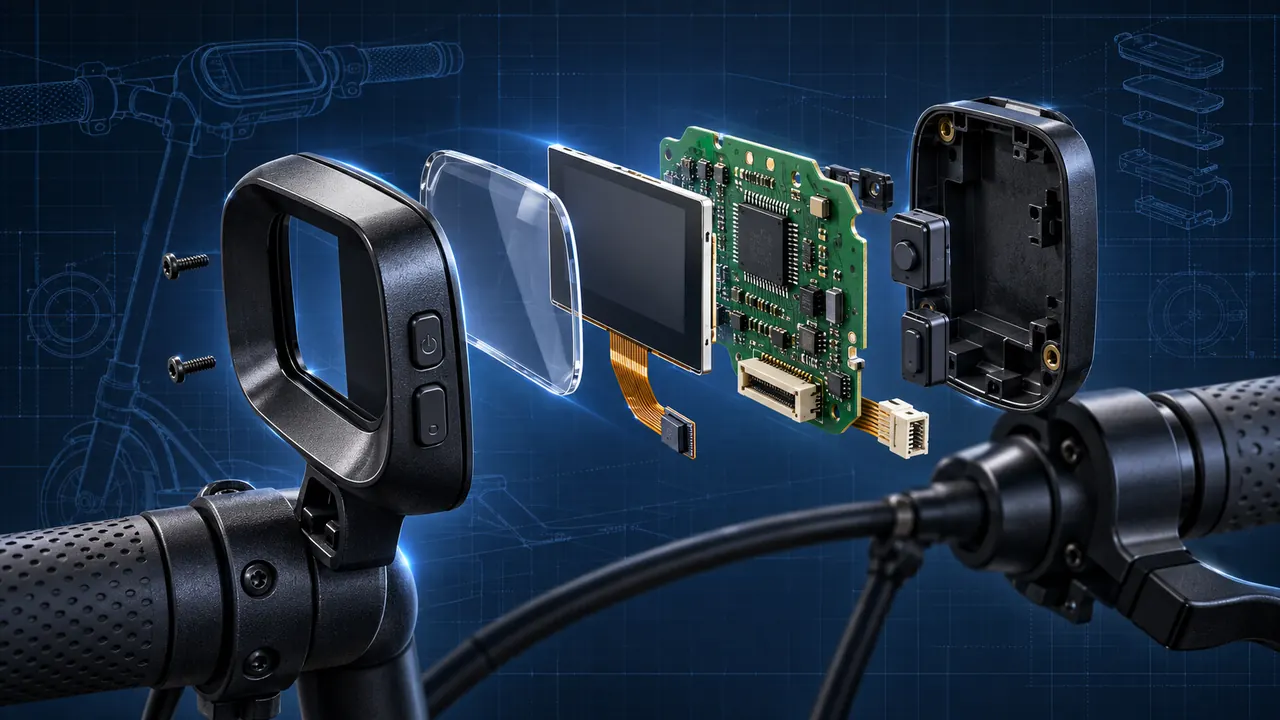
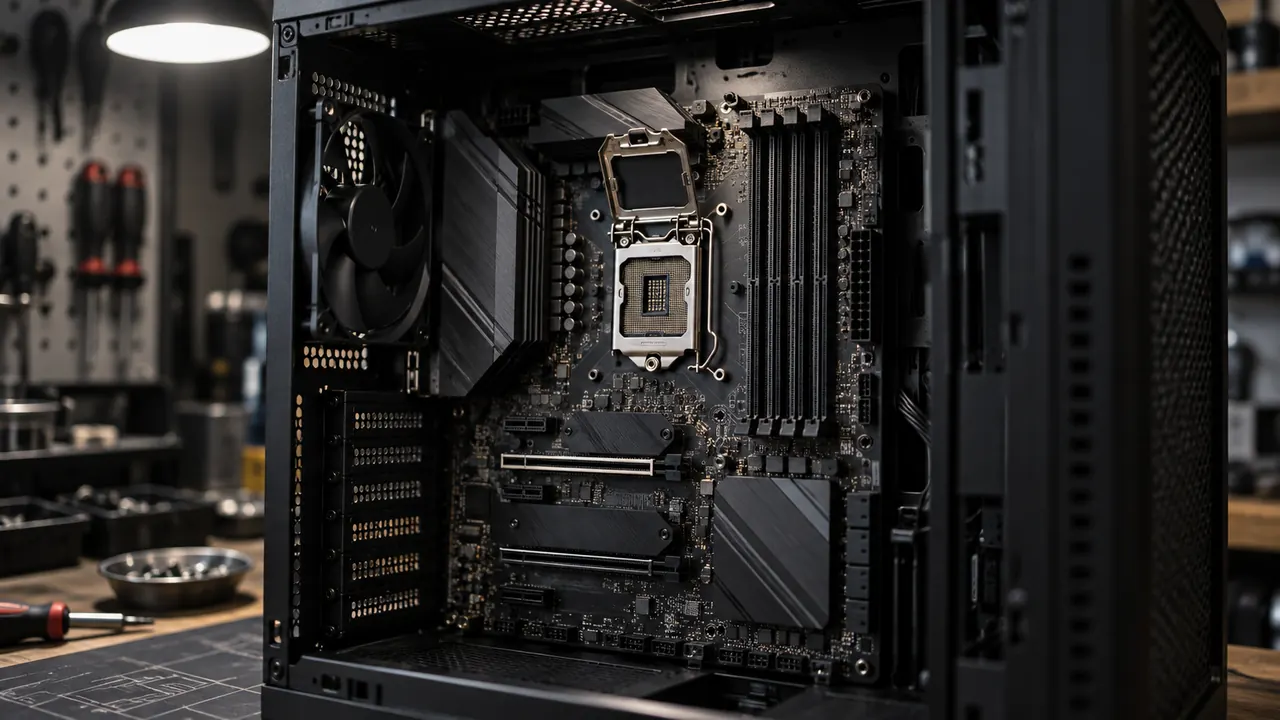
Ben Simms took an Egret GT e-scooter apart, sniffed the CAN bus, pulled firmware through the debug ports, and mapped every protocol between the display, motor controller, battery, and button panel. He then wrote fresh firmware in Rust for the display unit using the Embassy async runtime. Full feature parity with stock — motor control, Bluetooth, and the ST7796 parallel display driver, all rebuilt from scratch.
Relevance 2/10Importance 5/10
A Customs supervisor pulled Core i7 CPUs, RAM, and hard drives out of Homeland Security machines and swapped in cheaper parts to cover the gap. The good silicon went up on Newegg for personal profit, with damages tallied around 105,800 dollars. He's been arrested and charged.
Relevance 3/10Importance 3/10
TailTalk is a Rust toolkit for building userspace AppleTalk implementations on modern operating systems, with zero dependency on Netatalk or any kernel driver. It speaks EtherTalk and LocalTalk, so you can move files to a vintage Mac or print to a LaserWriter from a current machine. Fully async APIs and packet parsers cover the major AppleTalk protocols.
Relevance 2/10Importance 4/10
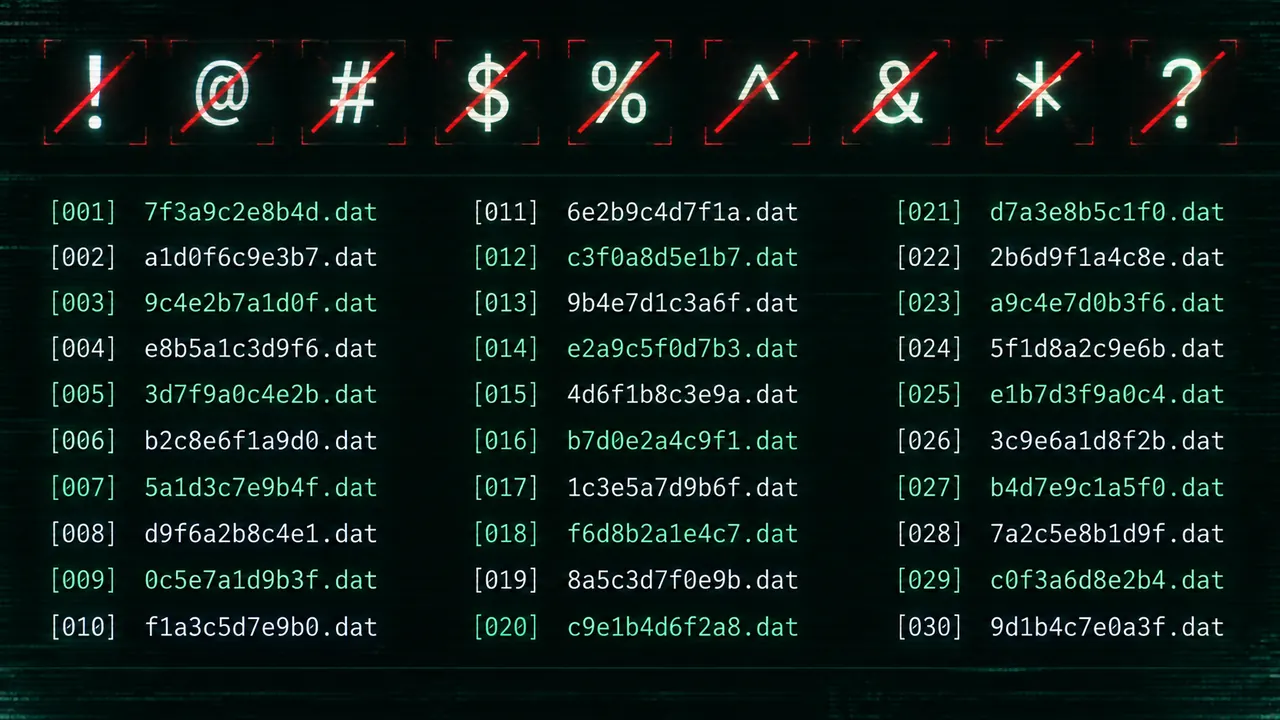
Base84 builds a filesystem-safe alphabet by dropping the nine characters Windows forbids plus the dot, which kills a pile of edge cases. It packs 6.39 bits per character — roughly 25 percent expansion versus Base64's 33 — which matters a lot for encrypted filenames. Grouping in fives sidesteps Windows reserved device names with no special-casing at all.
Relevance 1/10Importance 4/10
Professor Mutlu Yildiz's modeling suggests the young Sun may have eaten a super-Earth, leaving a chemical imprint still detectable in its interior today. The idea neatly resolves long-standing gaps between solar models and observation, including the Sun's stubbornly low lithium. Future helioseismic measurements could confirm a planetary engulfment billions of years in the past.

 HN Briefing AM