Relevance 10/10Importance 9/10
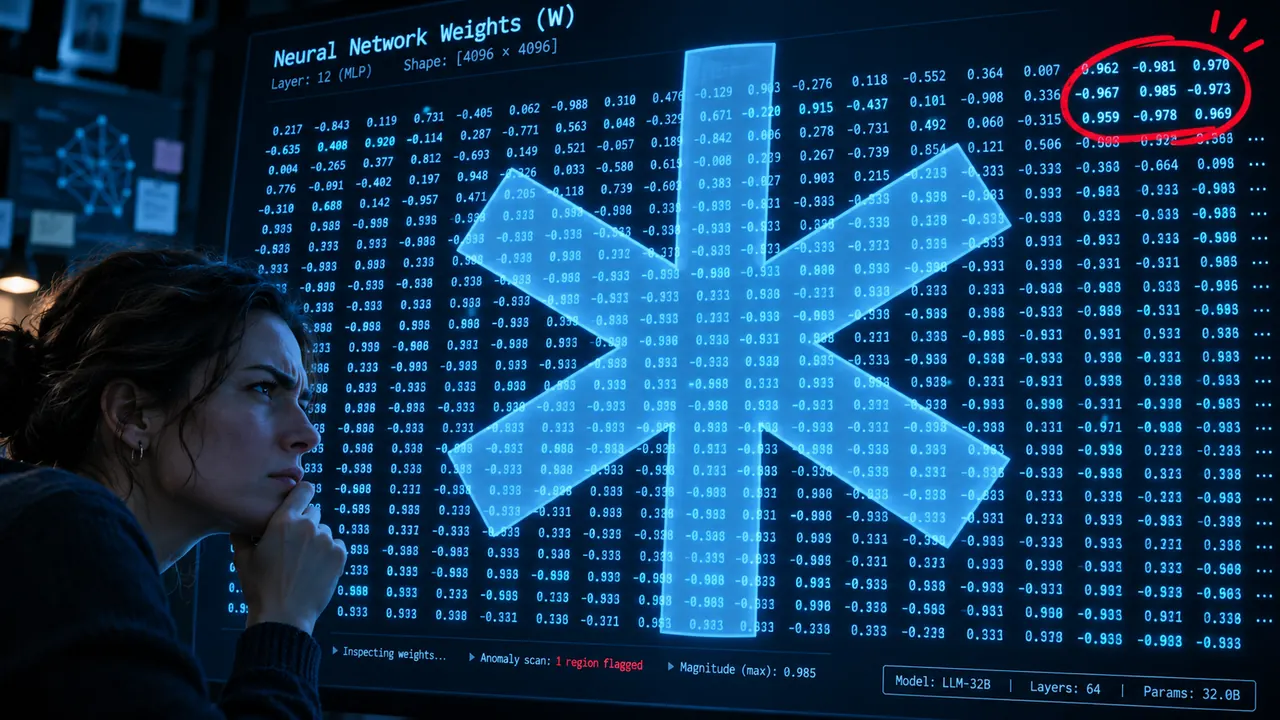
Matthew Honnibal picks apart a viral claim that GPT-6 Astra could inspect raw neural network weights and lift Qwen's math score from 7.9 percent to 48.1 percent. He shows the weight-reading experiments only involved tiny networks in the 17K to 172K parameter range, while the headline Qwen result came from Python scripting and fifty inference passes. Two very different capabilities got blended into one impressive-sounding story.
Relevance 8/10Importance 8/10
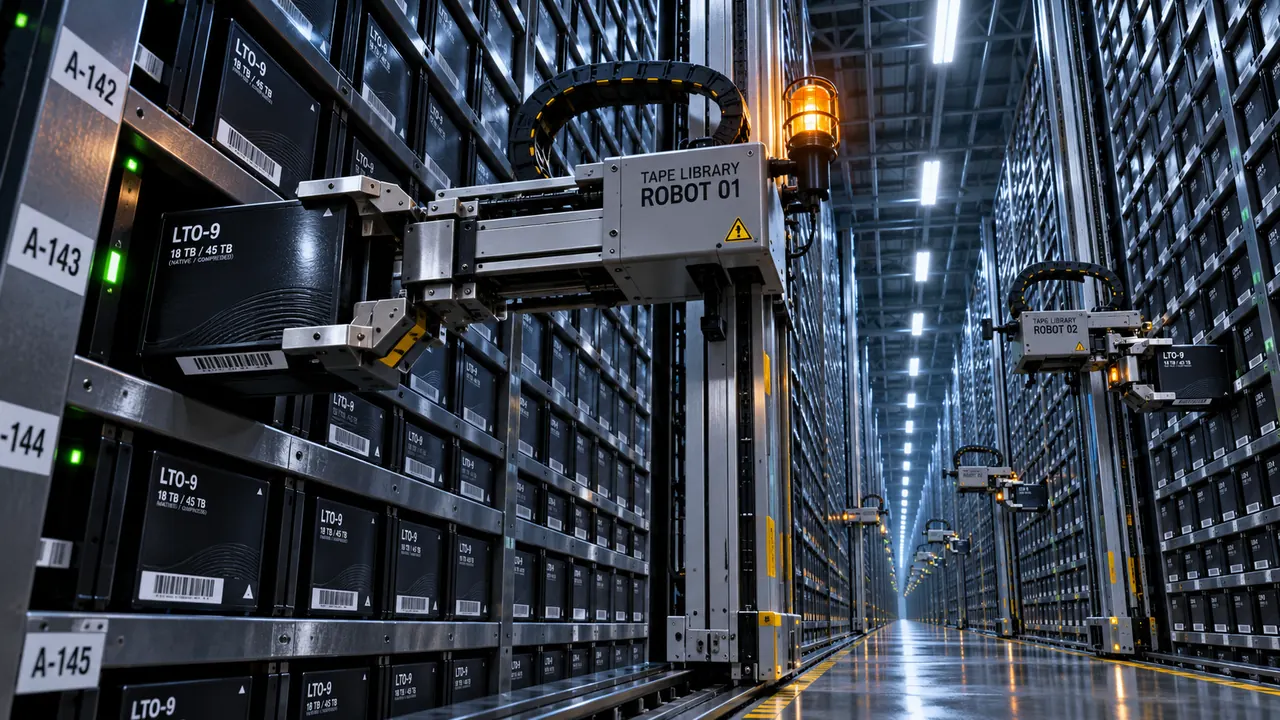
Fujifilm is committing roughly 10 billion yen, about 63 million dollars, to quintuple magnetic tape production at its Odawara site through fiscal 2028. Most of that goes toward LTO Ultrium 10 cartridges, and it's the company's biggest dedicated tape investment in about two decades. The driver is generative AI's exponential data growth, plus tape's ransomware-resistant offline air gap.
Relevance 9/10Importance 5/10
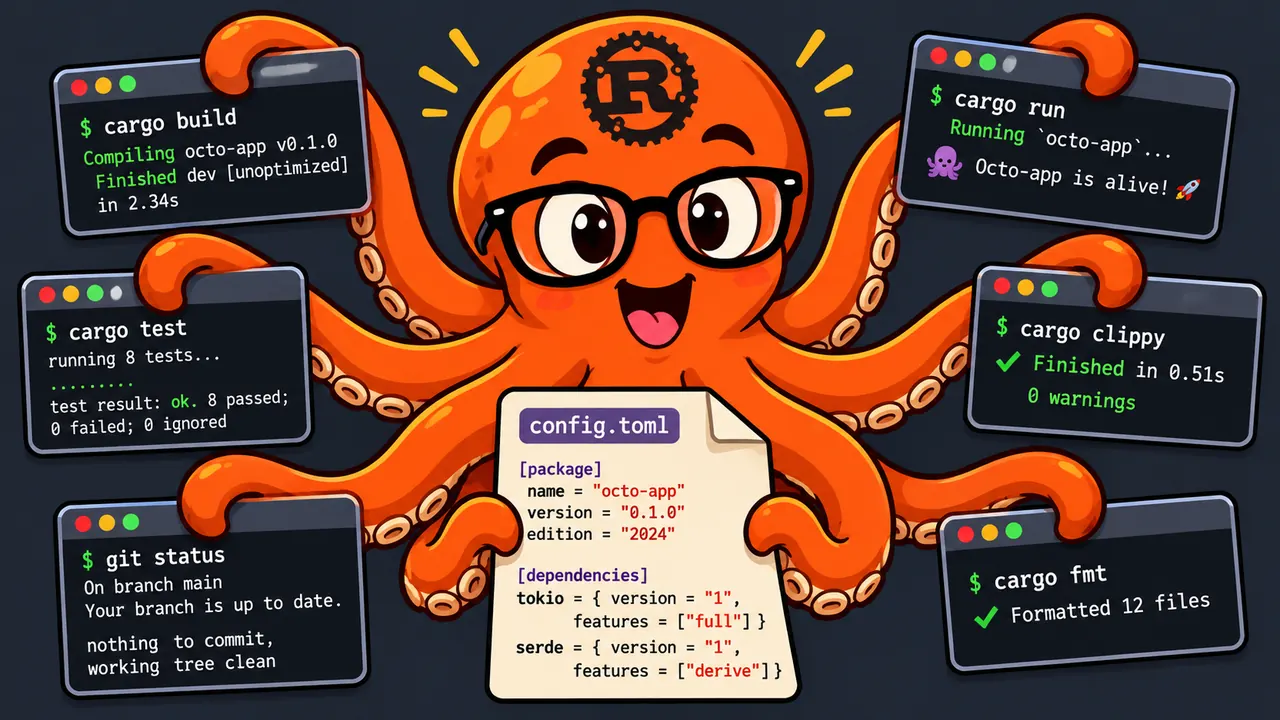
Octomind is a CLI-first, open-source coding agent runtime built in Rust and aimed at autonomous work rather than chat. It hands models real repository access via MCP tools for reading files, running commands, and editing code, with deterministic guardrails defined in TOML policy files. The project claims 24 of 25 benchmark tasks solved at costs competitive with existing harnesses.
Relevance 6/10Importance 7/10
Vesuvius Challenge contestants Liam Warner and Nicola Bodill pulled readable ancient Greek from a carbonized Herculaneum scroll, surfacing the phrase "that which is in itself desirable." They used micro-CT data to virtually isolate a papyrus sheet buried deep in the compressed windings. The trick was multiplying the outputs of two ML ink-detection models, a public one and a custom fine-tune, so only pixels both models agreed on counted as ink.
Relevance 7/10Importance 6/10
A16z argues consumer health optimization went mainstream after COVID and ChatGPT, with people now actively managing their own health rather than deferring to traditional medicine. For scale, Eli Lilly's tirzepatide alone booked nearly 44 billion dollars in sales in the first nine months of 2026, dwarfing the single-digit-billion gray peptide market. The firm sees the startup opportunity in the "action layer" — turning health data into actual behavior via integrated platforms, regulated peptides, and next-gen wearables.
Relevance 7/10Importance 5/10
Quili AI is an awareness campaign in which residents of Quilicura, Chile spent a day answering AI prompts by hand. The point is to make AI's hidden water footprint legible, specifically data center consumption in a drought-stressed region. It's a pointed argument that casual prompting elsewhere has material costs for the communities hosting the infrastructure.
Relevance 3/10Importance 5/10
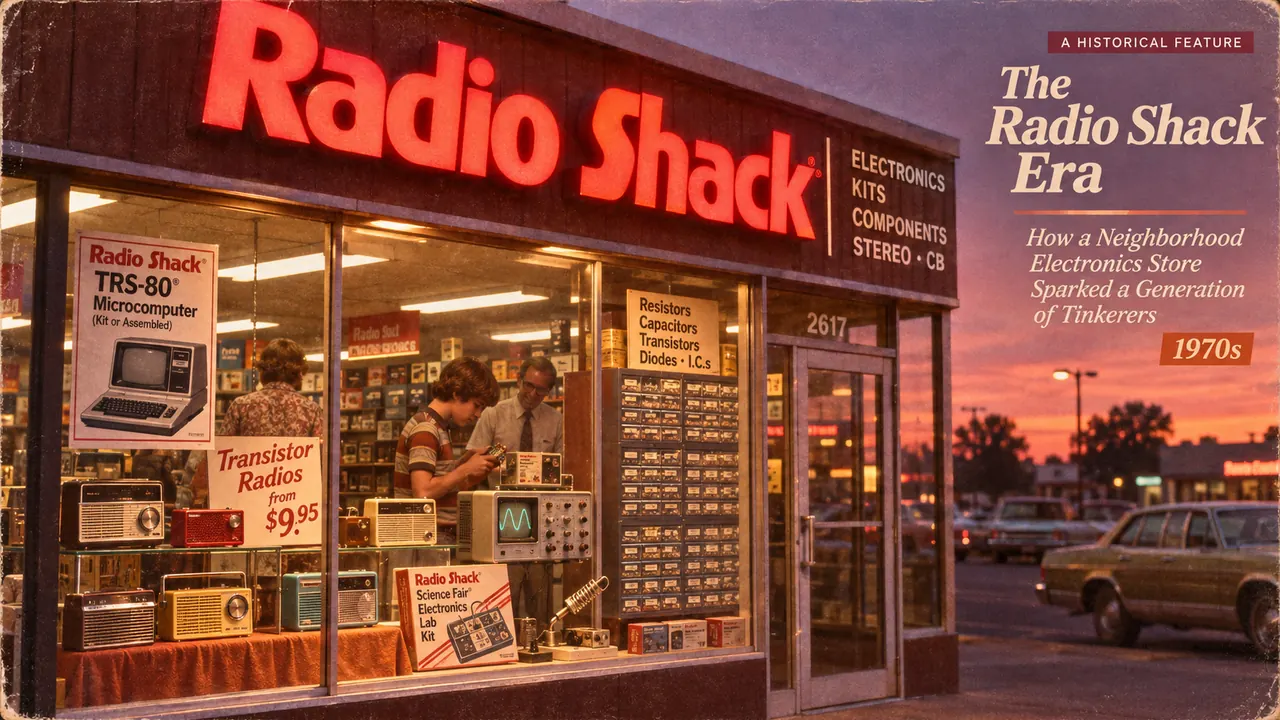
Charles Tandy bought the failing Radio Shack chain in 1963 for almost nothing after sizing up its book value as effectively zero. He closed the big stores, blanketed the country with small ones, and killed credit sales. Within a decade it was 3,500 company stores plus 3,500 franchises — described at the time as the most spectacular single-name retail expansion since A&P.
Relevance 3/10Importance 4/10
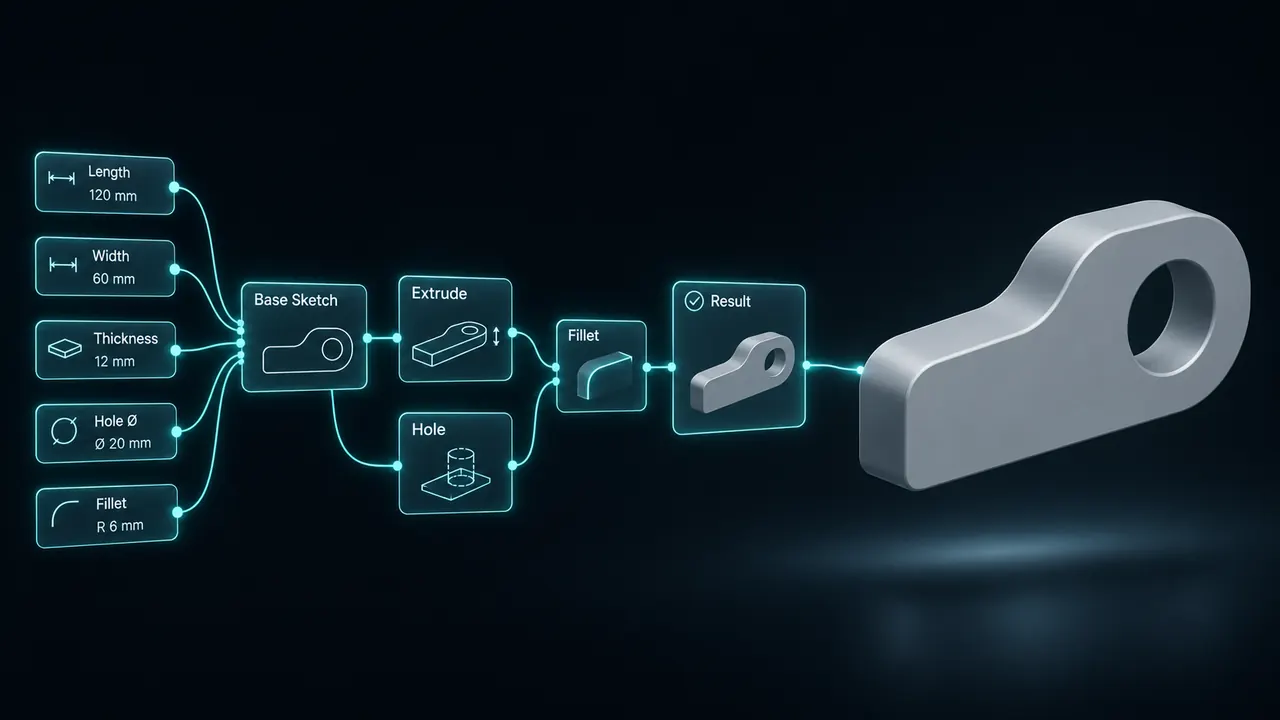
Antimony is Matt Keeter's CAD tool imagined for a timeline where CAD descended from Lisp machines instead of drafting tables. It's built on three pieces: a graph engine tracking information flow, a geometry engine using functional representations for booleans, and a standard library of shapes and transforms. Users wire together customizable Python scripts as nodes, and edits propagate automatically through the graph.
Relevance 2/10Importance 3/10
Faced with a dashboard clock stuck an hour off after daylight saving, the author went after the TomTom nav unit in a 2014 Renault. He found code execution through a custom script parser, then chained a file-write bug with the Linux core_pattern feature to run a payload as root. The payoff: flipping a timezone offset from 180 to 120 minutes instead of buying an overpriced replacement SD card.
Relevance 2/10Importance 3/10
Duncan Sabien revisits his brother forbidding him from playing flute, a decision that overrode his autonomy but spared him school harassment. His argument is that two genuine wrongs can still add up to the least harmful option actually available. The broader claim: identifying a real problem doesn't automatically license intervention, because rushed fixes often wreck coping mechanisms people have already built around a bad equilibrium.

 HN Briefing AM