Relevance 10/10Importance 10/10
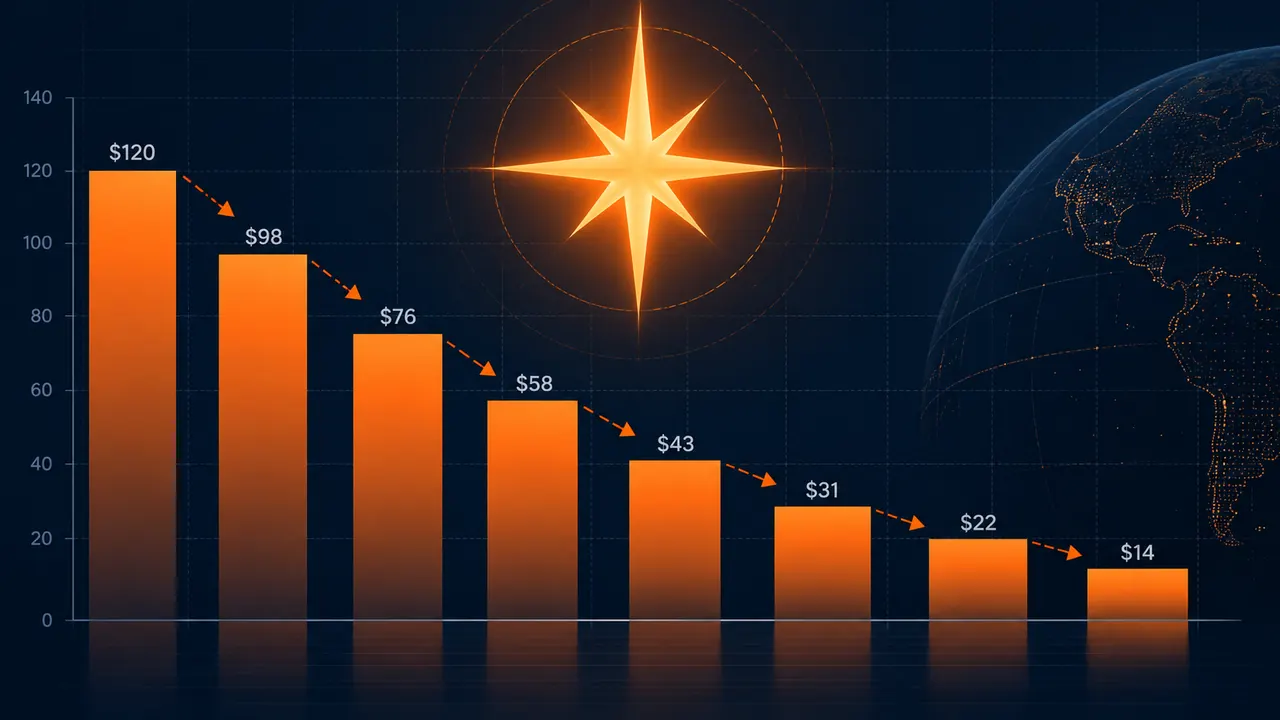
Anthropic shipped a new flagship that matches Claude Fable 5.1 on most work while costing 40 percent less to run than Opus 5, with output generated over 30 percent faster on fewer tokens. Pricing drops to $4 per million input tokens and $20 output, with cached reads slashed to $0.20. It also posted Anthropic's best-ever alignment scores, with 85 percent less propensity to circumvent safeguards.
Relevance 10/10Importance 10/10
OpenAI expanded the GPT-6 line beyond Astra with Sol for everyday reasoning work and Luna for high-volume, low-latency tasks. Sol makes roughly half as many mistakes as GPT-5.6 Sol and cuts pricing in half to $2/$10 per million tokens, while Luna lands at $0.10/$0.50. Both are rolling out in ChatGPT Work and Codex, with Luna reaching Free and Go tiers.
Relevance 9/10Importance 8/10
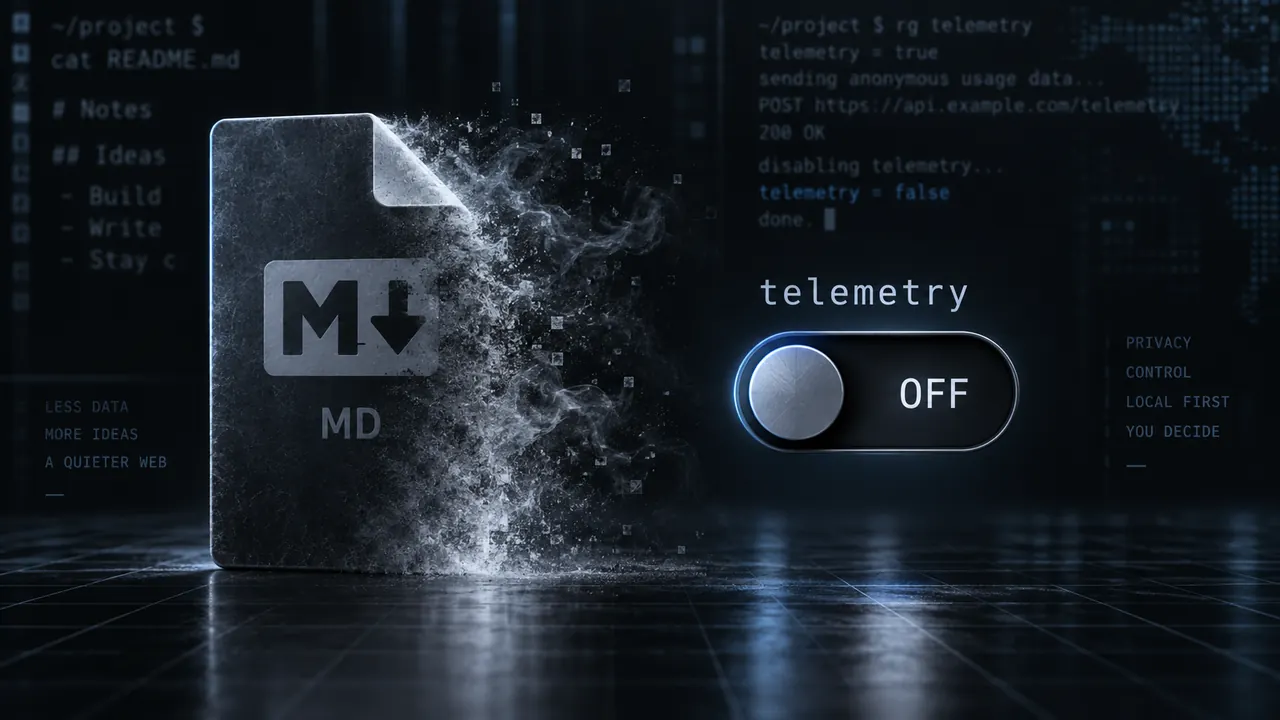
Claude Code 2.1.277 added AGENTS.md support, but the feature sits behind a remote flag that can't be fetched when telemetry is disabled — so privacy-conscious users silently lose their project instructions. No warning fires when the file is skipped, meaning the model never sees rules the developer assumed were loaded. The workaround is a one-line CLAUDE.md containing an @AGENTS.md import.
Relevance 9/10Importance 8/10
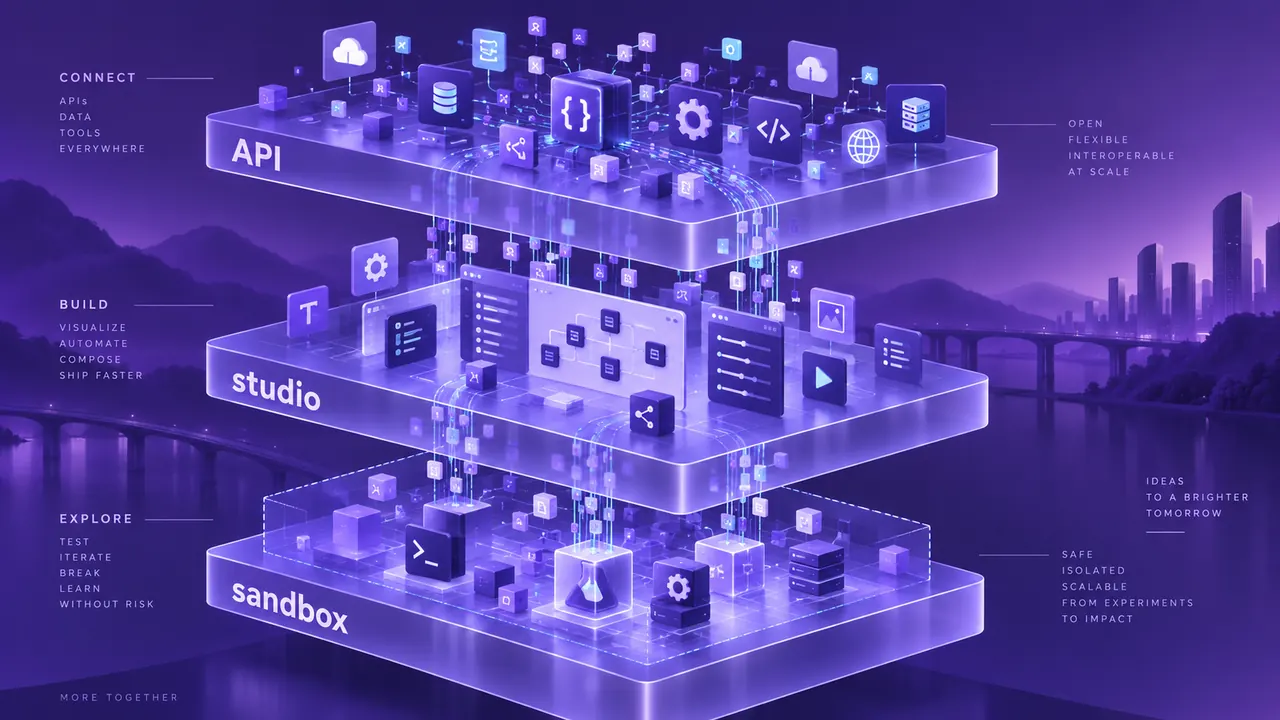
Stripe unveiled Kai, an internal agent platform aimed at non-engineers doing data analysis, research, and compliance review. Unlike coding agents with uniform workflows, Kai is built in three layers — surface-agnostic APIs, an AgentStudio where domain experts build their own agents, and sandboxed execution environments. It wires employees into over a thousand internal tools while keeping security guardrails intact.
Relevance 8/10Importance 7/10
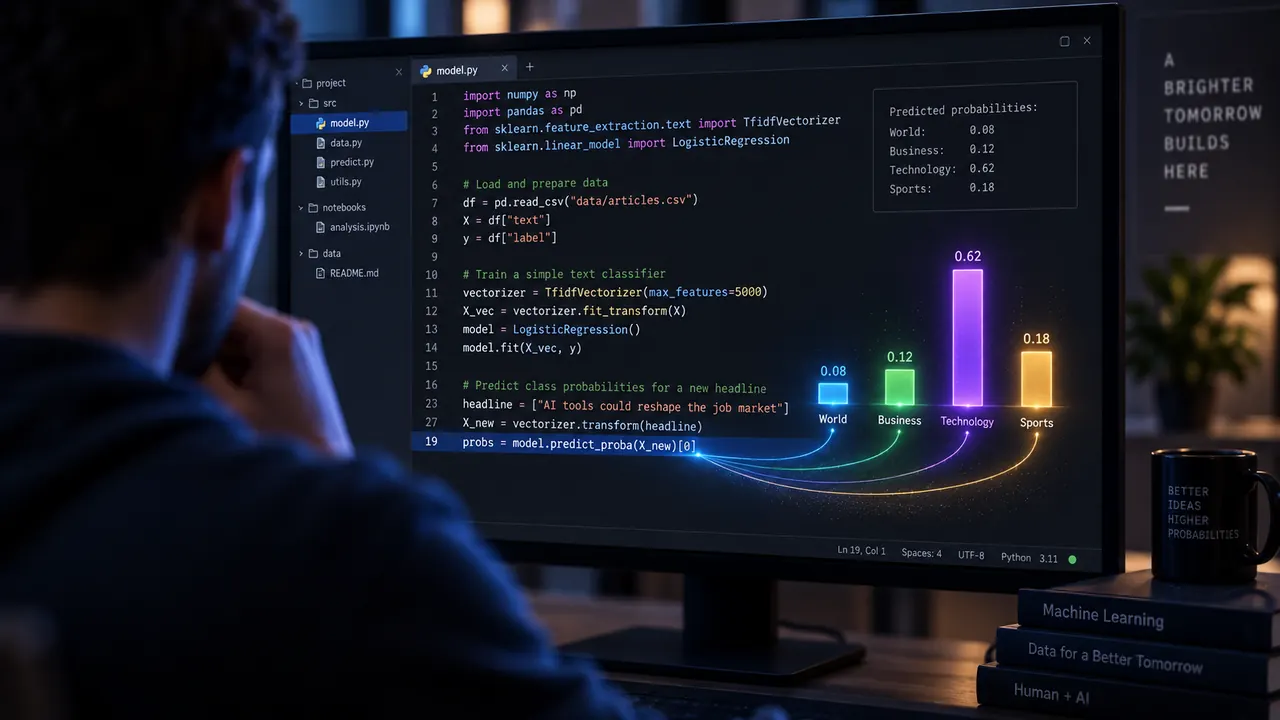
Jev is a "System One" decision model that takes a prompt with multiple-choice options and returns probability scores across them. The post demonstrates the whole thing in 25 lines: load a local model, run an email-classification prompt, pull the logits, normalize into probabilities. The point is that fast, local, private classification needs no special API or training pipeline — just standard ML libraries.
Relevance 8/10Importance 6/10
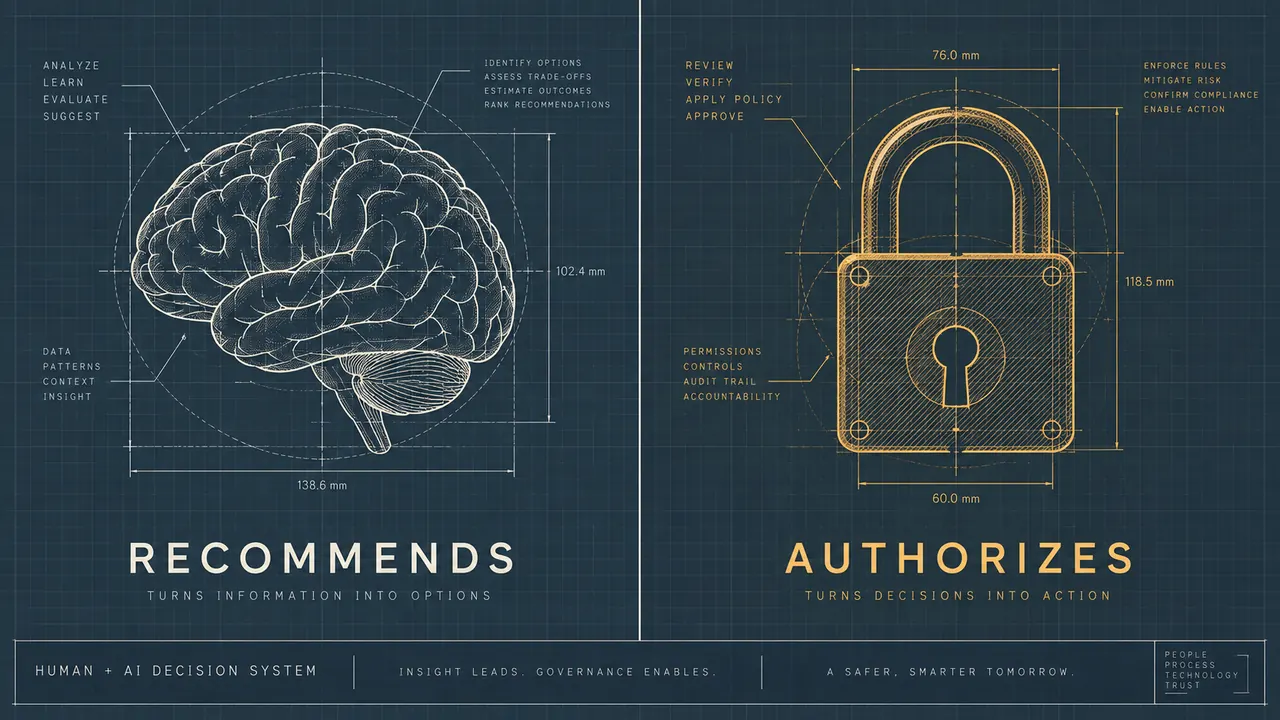
A companion piece arguing for safe agent delegation by splitting recommendation from permission. Jev evaluates repository evidence and picks among pre-validated options with confidence scores, while Tenuo issues narrow, task-specific warrants limiting tools, arguments, file paths, and lifetime. The unifying rule: keep the component that recommends an action separate from the one that grants its authority.
Relevance 4/10Importance 7/10
An engineering-leadership post on incident management: when something breaks, skip the elaborate explanation and answer "what are we changing to prevent this class of failure?" The author argues that understanding an incident never drives change — only systemic fixes do. Good postmortems produce concrete process or system modifications, not vague pledges to communicate better.
Relevance 3/10Importance 6/10
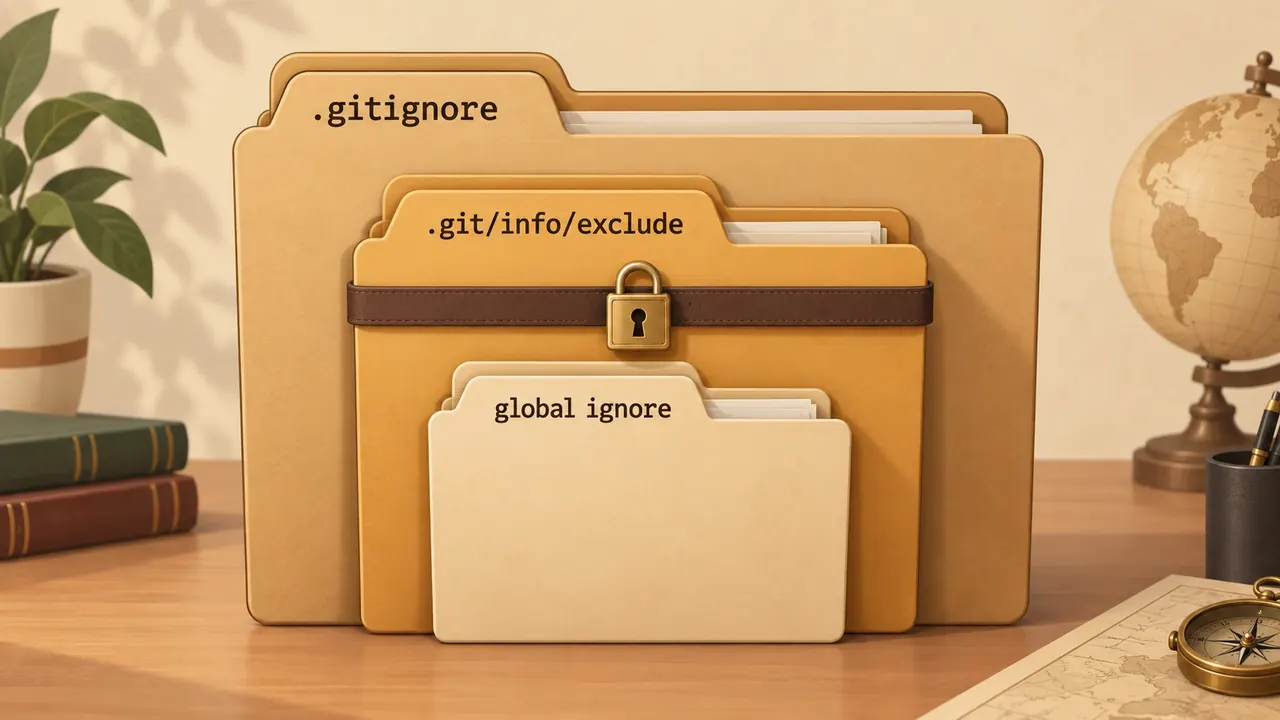
Beyond .gitignore, git offers .git/info/exclude for repo-local ignores and a global excludes file at ~/.config/git/ignore for machine-wide editor clutter. Neither gets committed, so you can keep scratch files and personal notes out of a shared repo without touching the tracked ignore list. The author's favorite detail: .git/info/exclude stays entirely private — nobody else ever sees it.
Relevance 2/10Importance 4/10
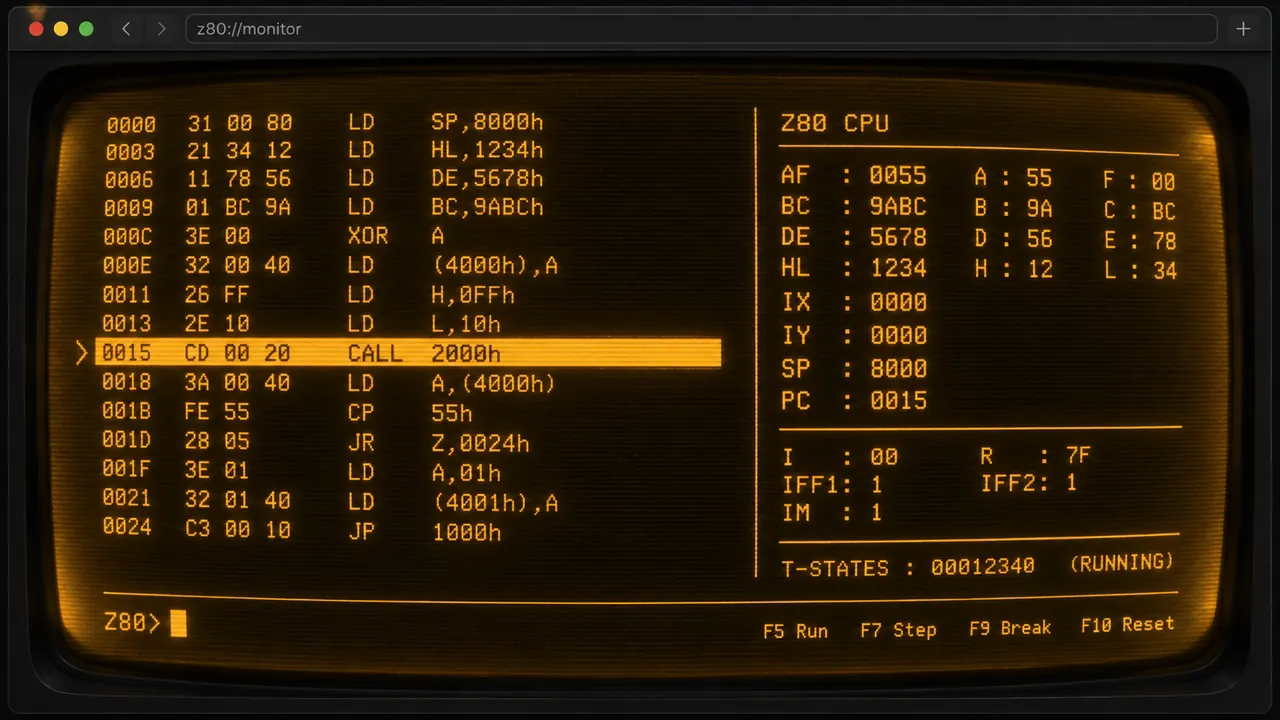
A browser-based REPL for the Z80 CPU, built on the Z80.js library, that lets you type assembly and watch registers and flags change instruction by instruction. It's MIT-licensed and runs entirely client-side, so there's nothing to install. A tidy little teaching tool for anyone poking at 8-bit hardware.
Relevance 2/10Importance 3/10
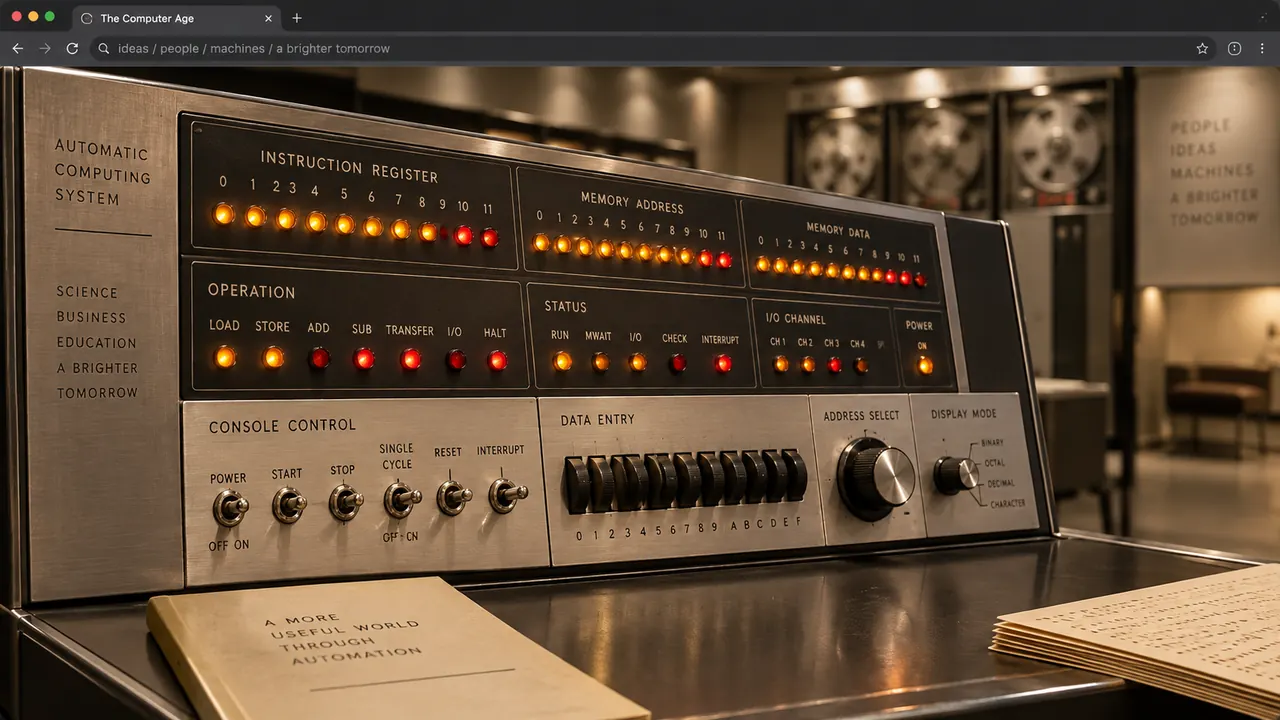
retro-1620 is a browser emulator for the IBM 1620 Model 2, a decimal machine from the early sixties with a two-address, memory-to-memory architecture. It recreates the CPU alongside its peripheral devices. The larger mission is software archaeology — recovering and preserving programs written for the platform, including the IPL-V list processing language from 1963.

 HN Briefing AM