Relevance 10/10Importance 8/10
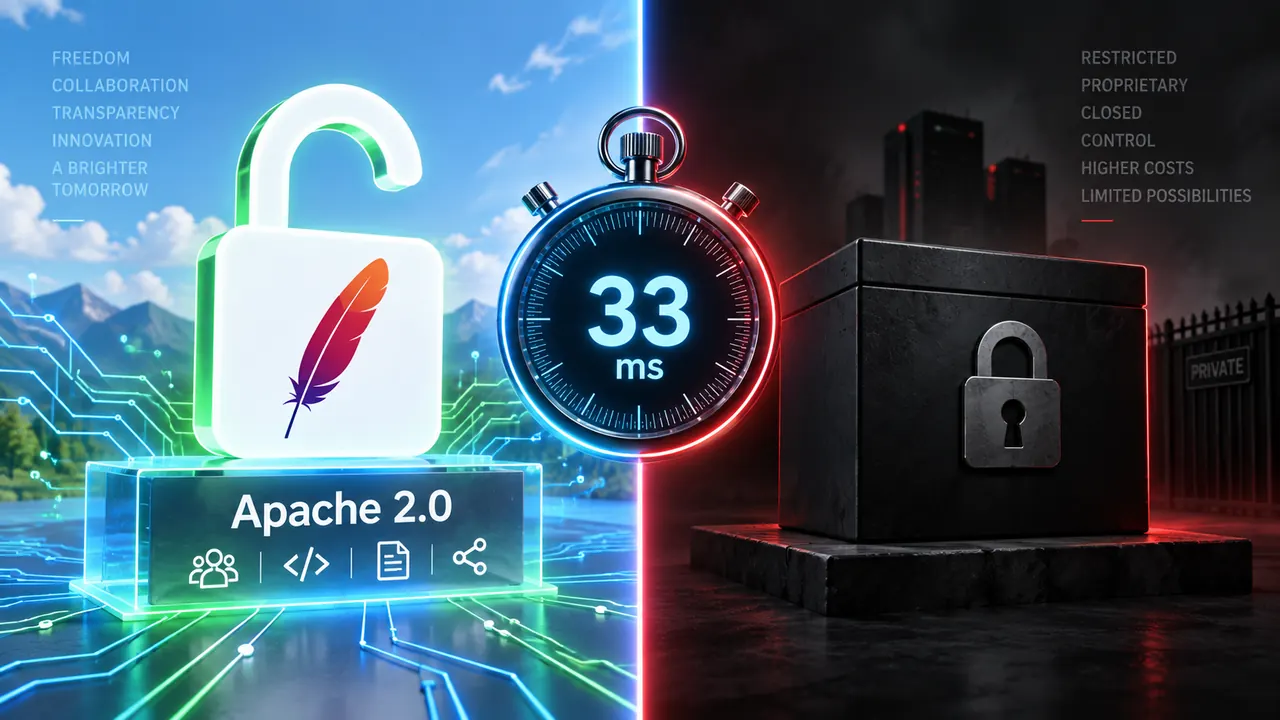
Nandakishor Mukkunnoth of ConvAI Innovations released Laya, a non-autoregressive decision engine that returns calibrated probability decisions across 100+ languages in roughly 33 milliseconds. It's Apache 2.0 licensed and claims 7.8x lower latency than TypeSafe AI's closed Jev product. The founder says the underlying schema-based decision model came from his own 2025 research, which he argues TypeSafe repackaged as novel without shipping open weights or datasets.
Relevance 9/10Importance 7/10
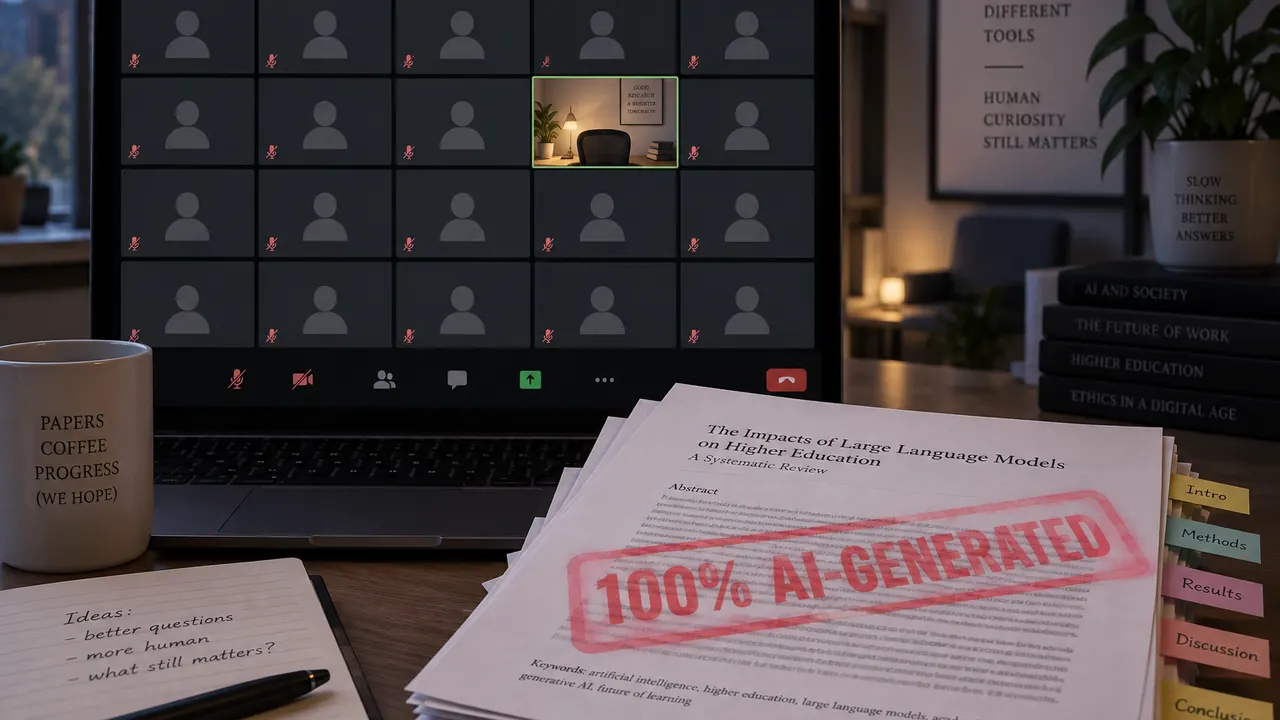
TMLR editor-in-chief Nihar Shah invited authors of ten papers headed for desk rejection onto Zoom calls and simply asked them to explain their own work. Three couldn't answer basic questions about their problem setup or notation, three more fumbled experimental design, and three never showed up at all. Two of the follow-up emails he received were flagged 100% AI-generated by Pangram — a pointed data point as TMLR's desk-rejection rate has climbed from about 6% in 2023 to roughly 53% today.
Relevance 5/10Importance 9/10
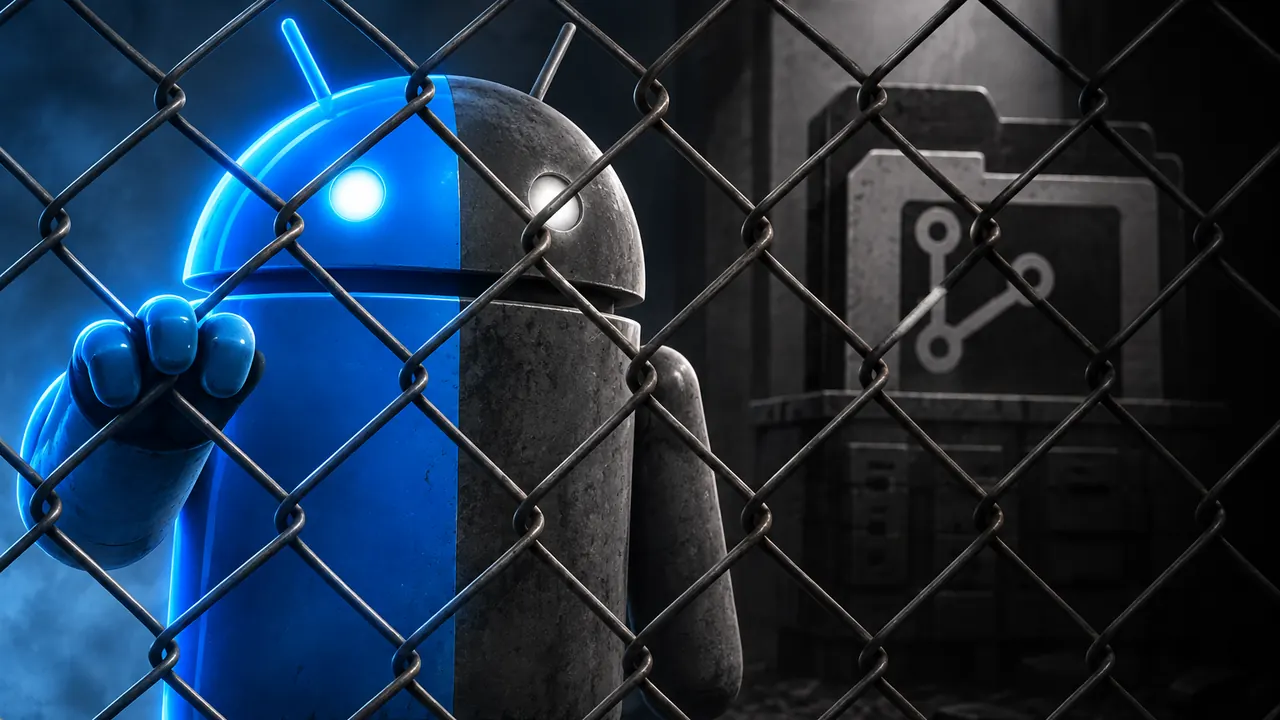
GrapheneOS reports that Android 17 QPR1 is the first release since Honeycomb to ship new developer APIs without a corresponding Android Open Source Project drop. Those APIs are currently Pixel OS exclusive, unavailable to other manufacturers and to downstream open-source forks. At 942 points it's the highest-scoring story on the front page this morning.
Relevance 7/10Importance 7/10
PlanetScale introduced Tin, a Postgres extension delivering fast, full-featured text search with boolean expressions, phrase queries, and concurrent updates. Benchmarks put it 8 to 100x ahead of existing Postgres search options. The trick is using Postgres's native tuple identifiers as document IDs, which enables vectorized operations on modern CPUs without expensive data structure conversion.
Relevance 8/10Importance 5/10
John Hartnup argues the reason AI event posters all look the same is lazy prompting, not the models themselves. By steering toward specific aesthetic traditions — Bauhaus, Japanese minimalism, punk fanzine — he gets genuinely distinct results instead of the identikit craft-fair template. The post is a practical case for treating prompt work as an actual design decision.
Relevance 3/10Importance 8/10
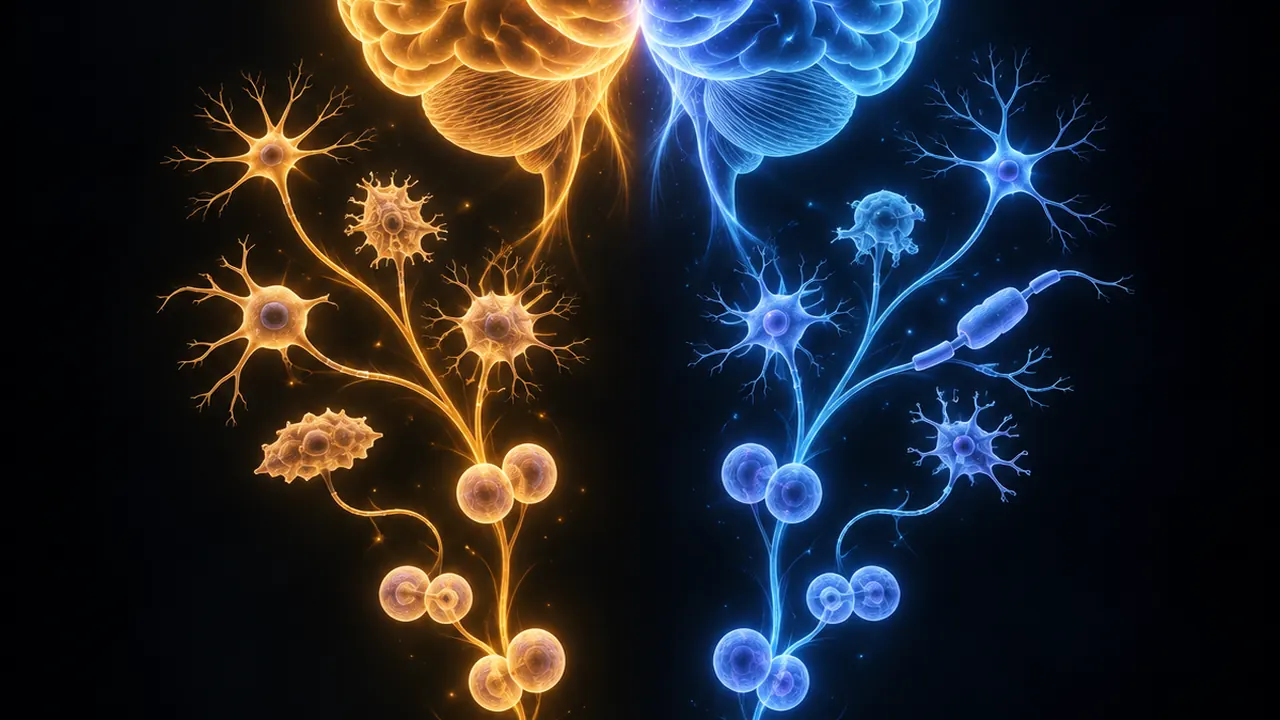
Stanford researchers found the human brain develops as two distinct organs rather than from a single progenitor lineage. The forebrain and midbrain arise from Otx2-expressing cells while the hindbrain comes from Gbx2-expressing cells, on parallel tracks that never cross. The practical payoff is that scientists can now grow hindbrain neurons in the lab for the first time, opening doors on ALS and spinal muscular atrophy.
Relevance 4/10Importance 5/10
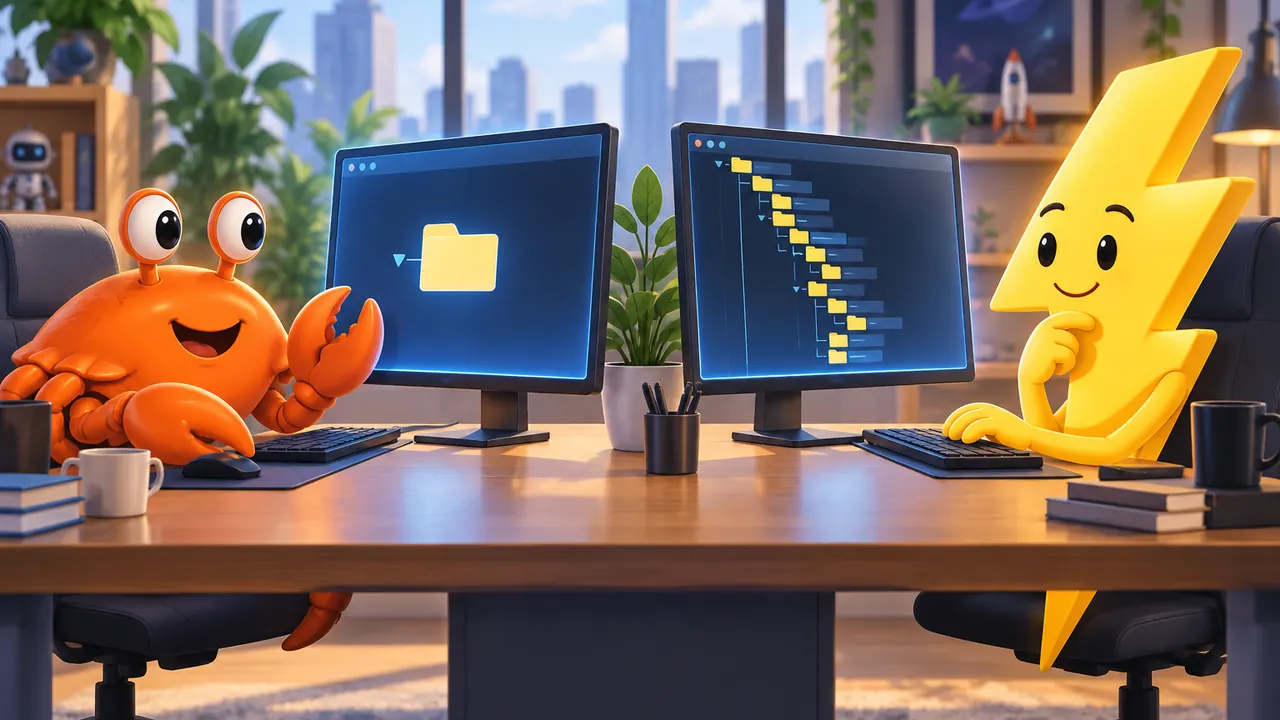
A Rust developer writes up the culture shock of moving to Zig: flat file structure instead of nested modules, imperative style instead of functional, and manual memory management with errdefer and explicit allocators instead of automatic cleanup. The ecosystem is still young and the author says so plainly. But the verdict is positive — straightforward, modern, blazingly fast, and a real candidate to succeed C.
Relevance 3/10Importance 5/10
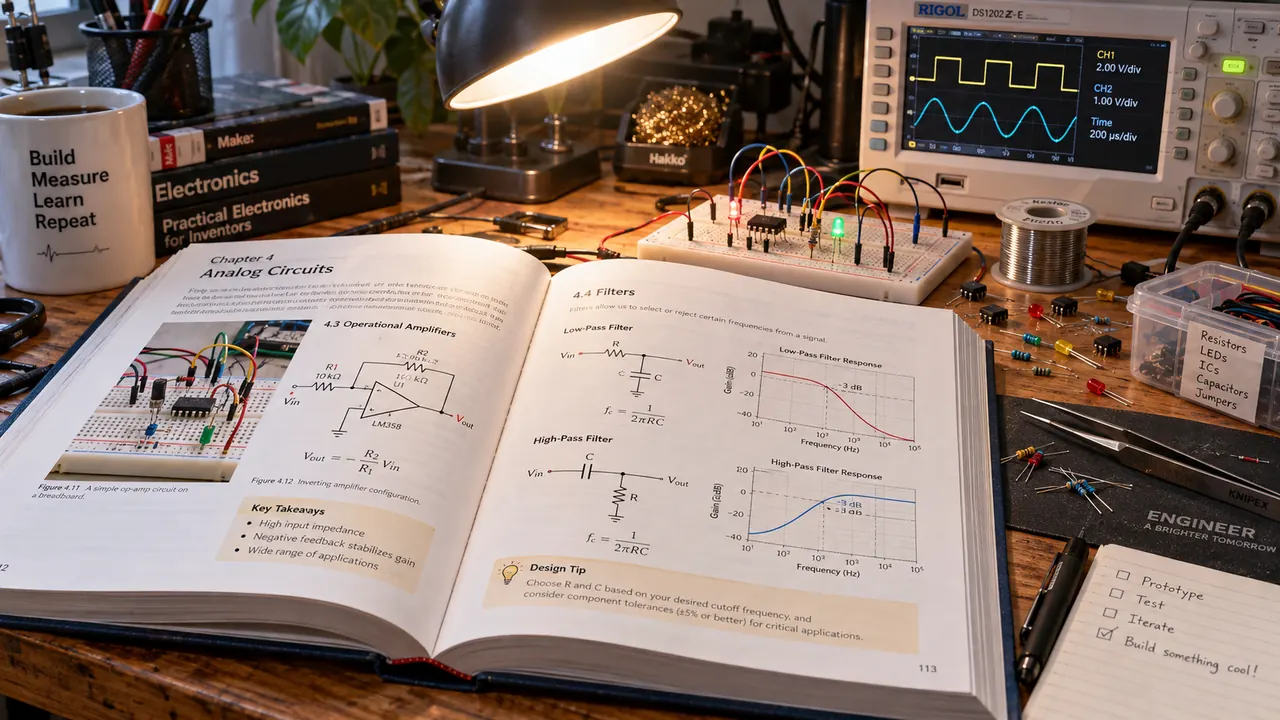
lcamtuf's electronics book is finally shipping — hardcover, full color, close to 300 diagrams. The pitch is real answers about circuit design without demanding advanced calculus or wading through historical trivia. Direct orders ship now from the publisher; Amazon copies land in October.
Relevance 2/10Importance 6/10
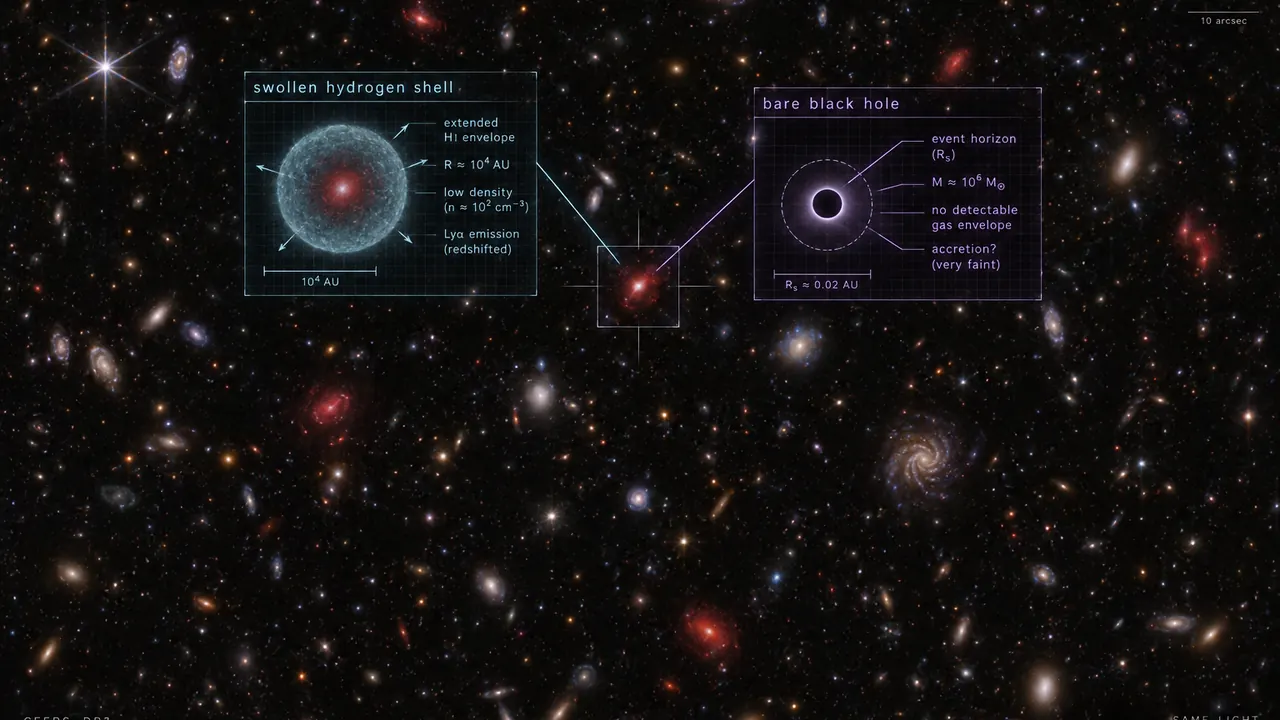
JWST keeps finding mysterious "little red dots" in the early universe and astronomers can't agree what they are. One camp says black hole stars — enormous hydrogen shells wrapped around a central black hole — while skeptics like Roberto Maiolino argue they're ordinary supermassive black holes seen from unusual angles. Their numbers thin out as the universe ages, hinting they're an early developmental phase of black hole formation.
Relevance 2/10Importance 4/10
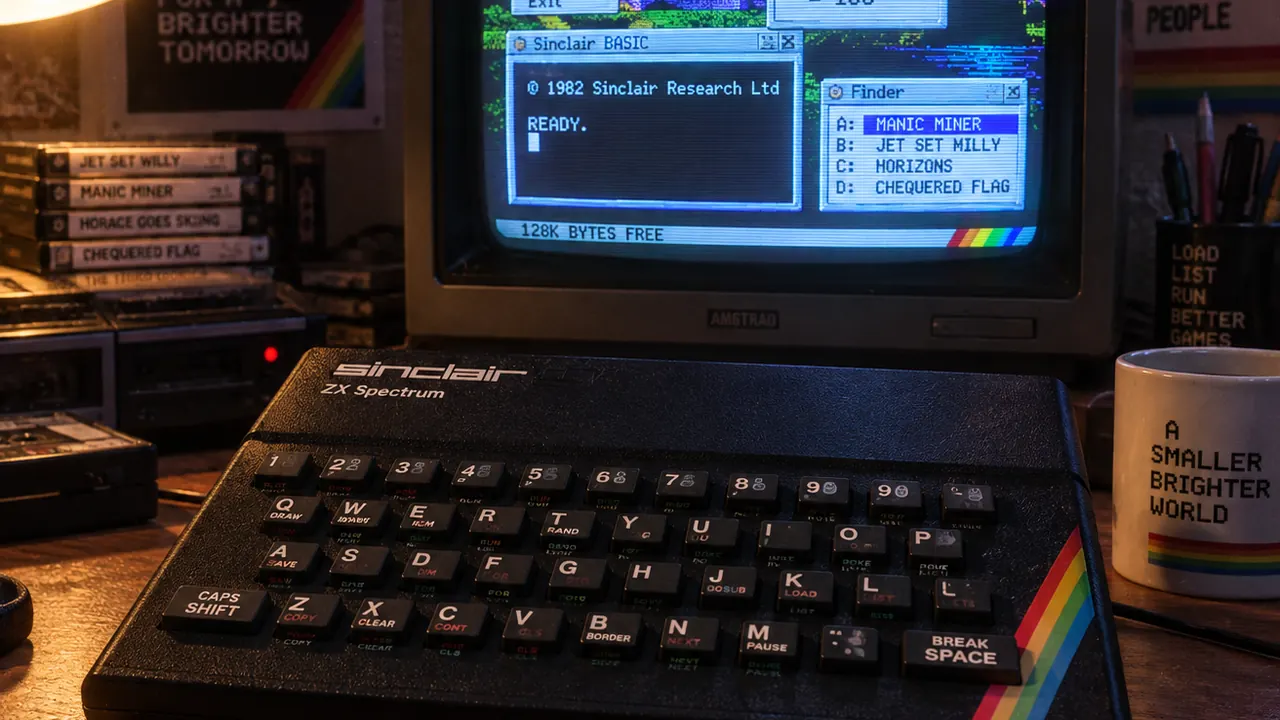
ZX Desk is a full GUI environment for the 48K ZX Spectrum, written entirely in Z80 assembly. It has overlapping windows, pull-down menus, a file manager, notepad, clock, and calendar — all inside 48 kilobytes. Timings were measured on real 1982 hardware, not an emulator.

 HN Briefing AM