Relevance 10/10Importance 9/10
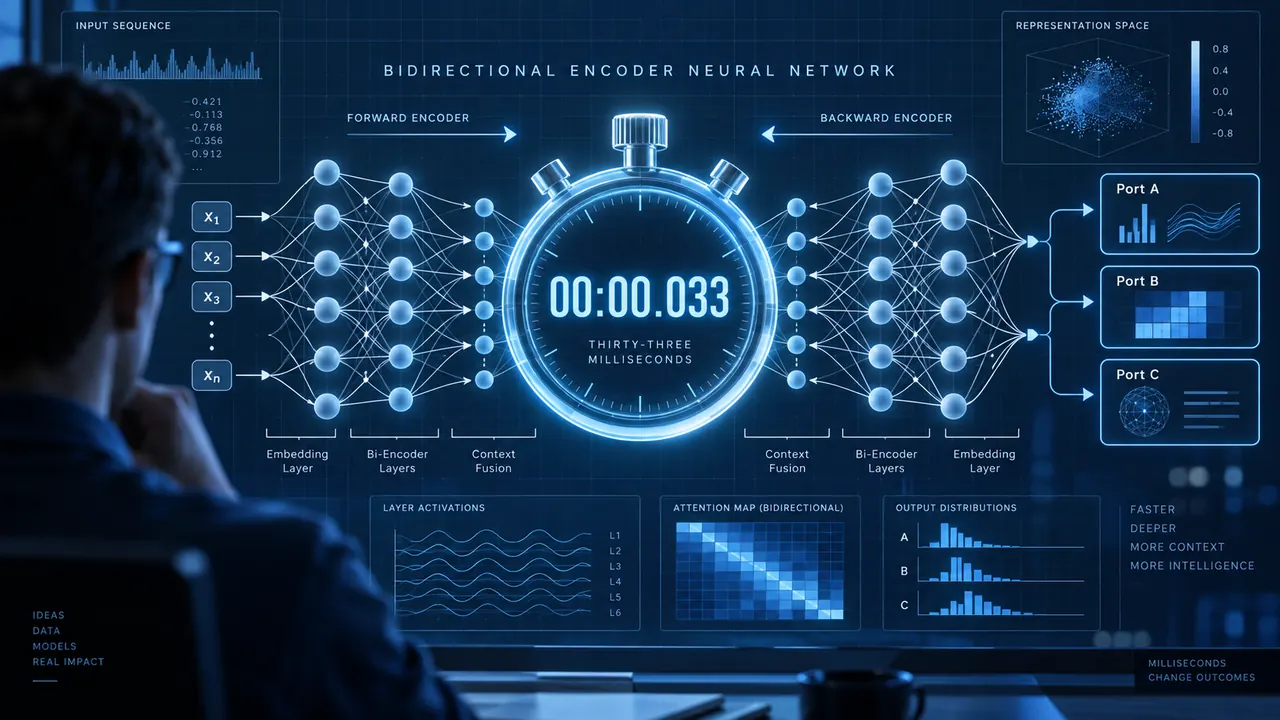
Laya is an open-source decision model that answers structured questions in roughly 33 milliseconds without generating a single token — it scores choices instead of writing text, which means no hallucination and calibrated probabilities across 100-plus languages. Built on bidirectional encoders with three primitives — choice, score, and noul — it claims 7.8x lower latency than comparable systems. The pitch is blunt: most production "AI" calls are classification and triage, and you're paying generative LLM prices for them.
Relevance 10/10Importance 8/10
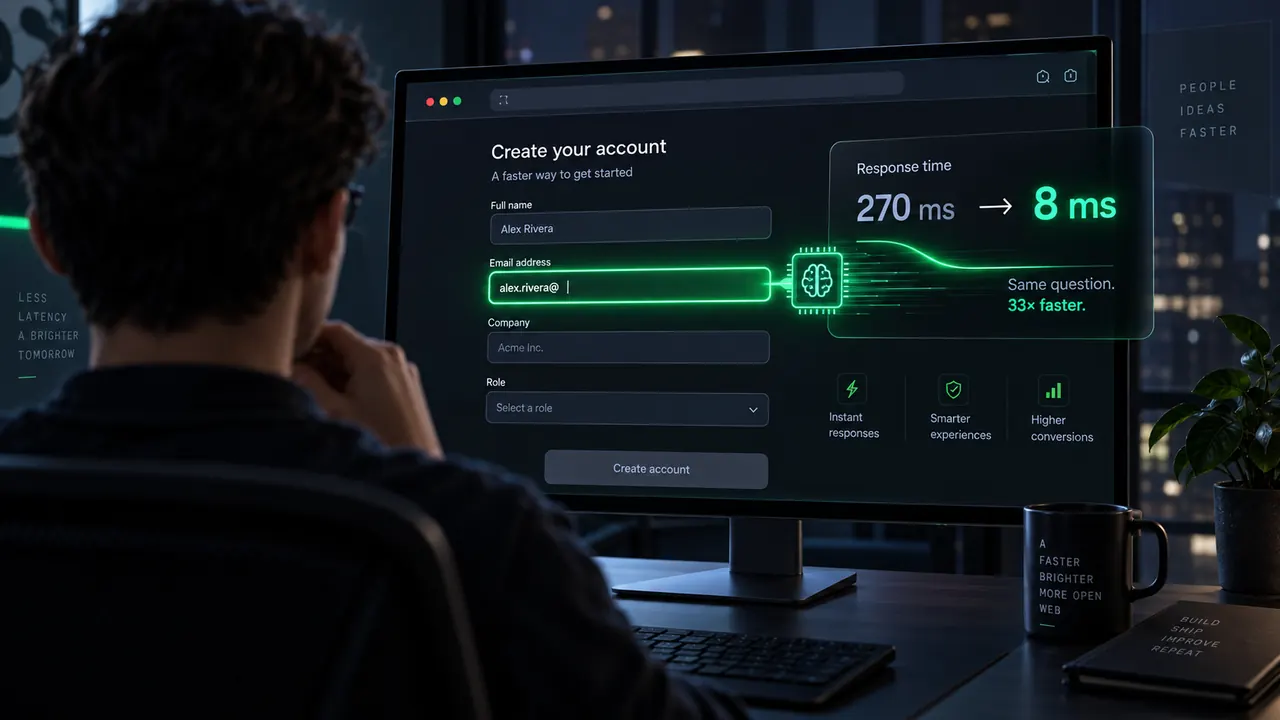
CUA is an open-source platform for computer-use agents — isolated cloud desktops, local macOS VMs, drivers, and benchmarks. The new CUA-S1-FORMS model is a 706-thousand-parameter specialist that decides what belongs in a form field, hitting 99.7 percent accuracy versus 83.6 for larger alternatives. Latency drops from around 270 milliseconds to 7-to-9, because it scores bounded choices rather than decoding tokens.
Relevance 8/10Importance 7/10
The author argues AI poster slop isn't a model failure, it's a prompting failure — everyone accepts the same default house style. Naming a specific design movement in the prompt, like Bauhaus, Memphis, or Japanese minimalism, produces genuinely varied and striking results. With over eleven hundred points and six hundred comments, it's the afternoon's biggest thread by a mile.
Relevance 9/10Importance 6/10
An experimental benchmark pitting frontier models against each other in StarCraft: Brood War across 171 matches, tracking win rate, actions per minute, and cost per game. Codex Astra swept its highest-effort tier at a 100 percent win rate, while Claude Fable showed the most actual strategy — tech trees, expansions, economy. The honest takeaway: every model still plays at beginner level and mostly reacts instead of planning.
Relevance 6/10Importance 7/10
Existing zero-knowledge provenance schemes break the moment an image hits lossy compression, which is basically always. ZK-JPEG folds the compression step itself into the proof, so you can verify an image was correctly derived from a secret committed original — even after blurring or redaction. It's built from off-the-shelf tooling, using PicoZK to compile Python image-editing code into circuits for the LPZK proof system.
Relevance 3/10Importance 8/10
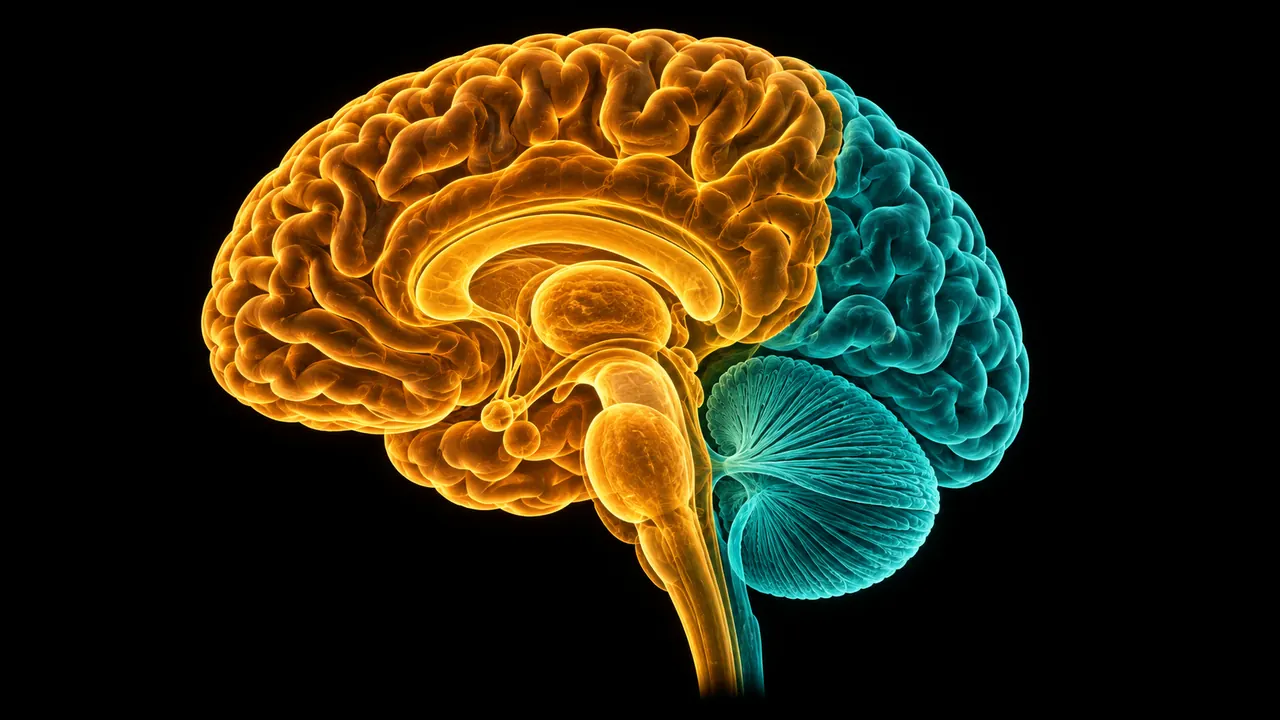
Stanford Medicine researchers found the human brain isn't one organ from one progenitor — it's two lineages that developed in parallel and never overlap. Forebrain and midbrain trace to Otx2-expressing cells; the hindbrain comes from Gbx2 cells. The practical payoff is that they can finally grow hindbrain neurons in the lab, which opens real doors for ALS and spinal muscular atrophy research.
Relevance 5/10Importance 6/10
A three-day packet capture of an idle Android handset sitting behind a pfSense firewall, billed as a 2026 DeGoogle mobile telemetry benchmark. The setup is the interesting part — no user interaction, just watching what the phone phones home about on its own. It's fresh on the front page with a small comment count, so the methodology debate is still warming up.
Relevance 4/10Importance 6/10
OONI Probe is a free app that tests which sites and services are blocked from wherever you're sitting. Results publish automatically to what OONI calls the world's largest open censorship dataset. It ships for mobile, desktop, and command line, so you can wire it into a cron job if you want.
Relevance 3/10Importance 4/10
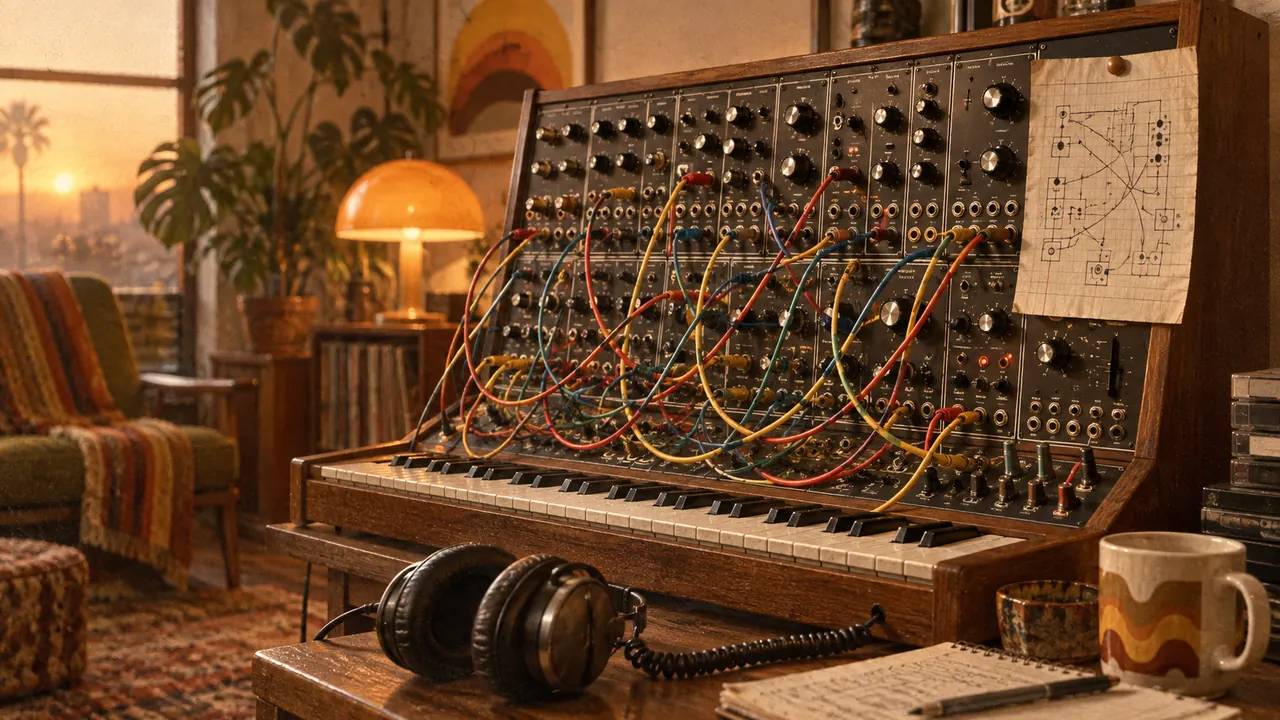
A digital republication of Ciani's 1976 grant report to the NEA, documenting her live performance techniques on the Buchla 200 modular synth. It lays out four core ideas — Melodic-Rhythmic Reliefs, Vertical Sequencer, String Patch, and Keyboard Rotations — with full patch diagrams and live transition methods. The new edition adds audio examples, interactive visualizations, and VCV Rack adaptations so you can actually run the patches today.
Relevance 2/10Importance 3/10
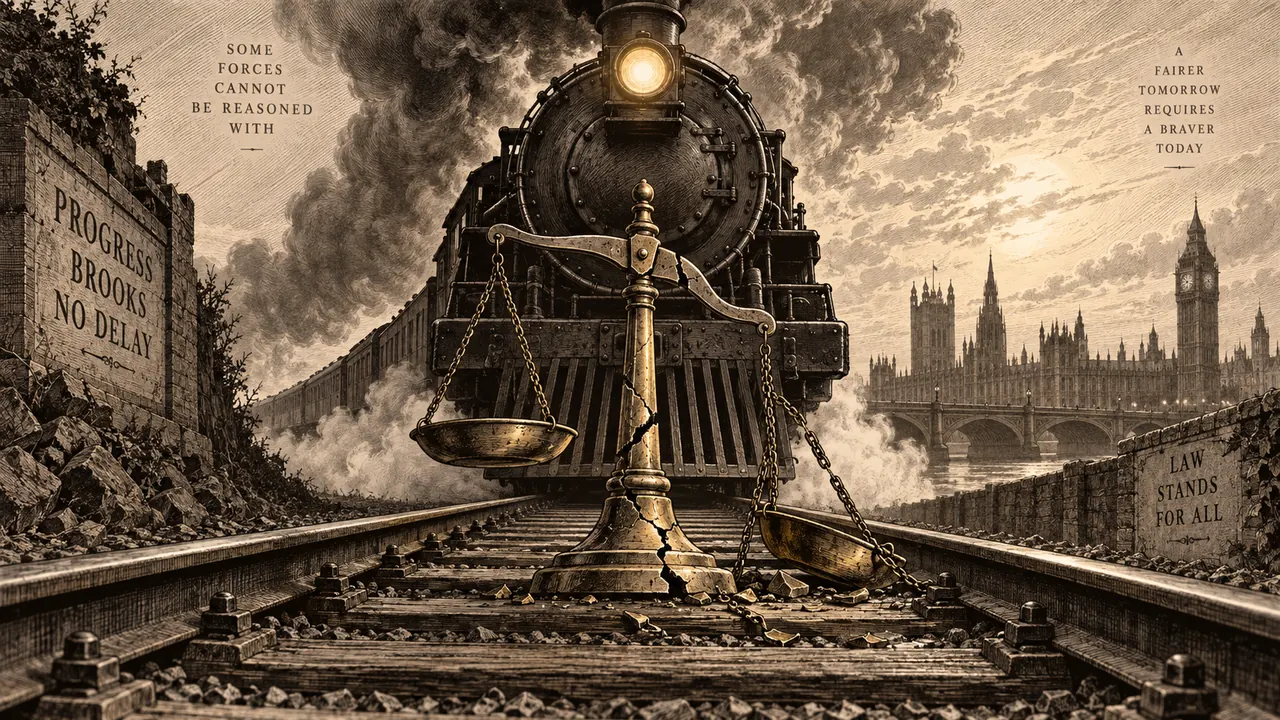
Deodands were a medieval English law under which any object that caused a death was forfeited to the crown, supposedly for charity or the bereaved family. It ran for eight hundred years with wonderfully inconsistent logic — a ladder could be seized, but church bells couldn't, because they counted as real estate. Railways broke the system: juries started assigning enormous valuations to locomotives, and Parliament abolished deodands in 1846, protecting the railway companies and leaving families with nothing.

 HN Briefing PM