Relevance 10/10Importance 9/10
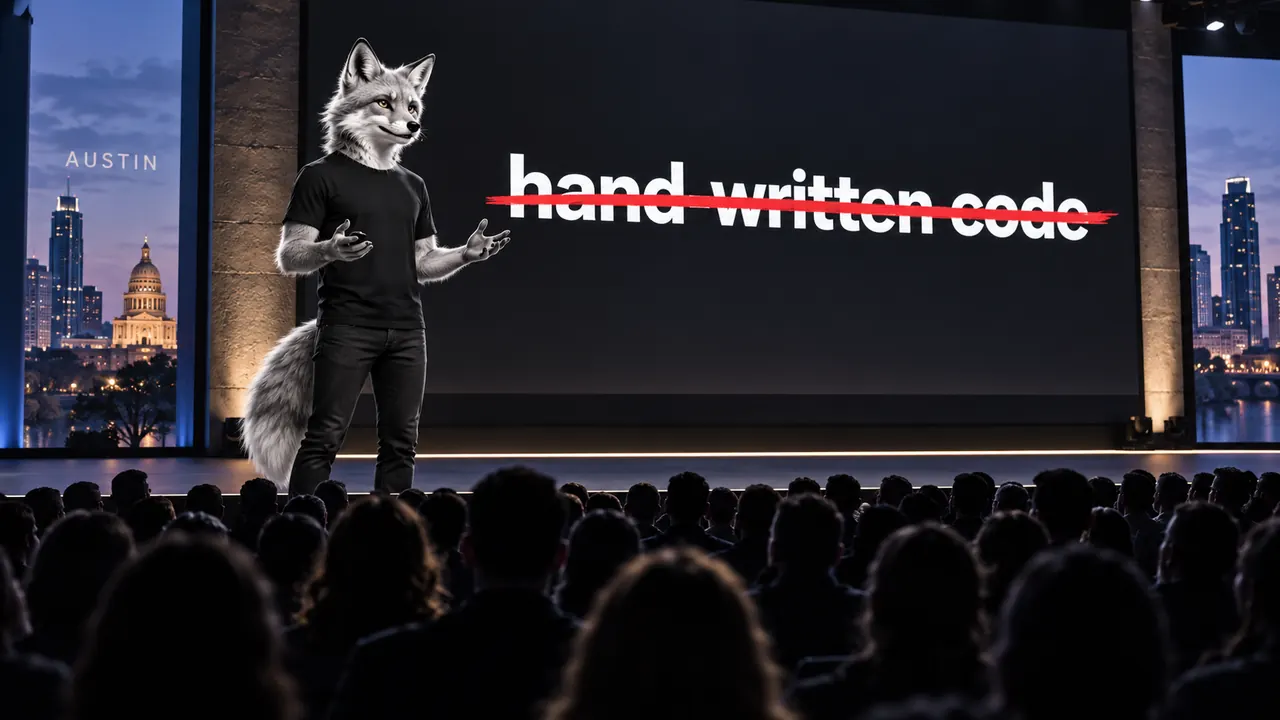
DHH told a thousand-plus developers in Austin that hand-writing code is no longer economically viable, and revealed that 37signals has stopped routine coding entirely in favor of directing agents and building agent-friendly systems. The keynote drew a mix of excitement, genuine grief for hands-on craft, and 163 comments of argument on HN. He warned beforehand it would "ruffle a few feathers."
Relevance 10/10Importance 7/10
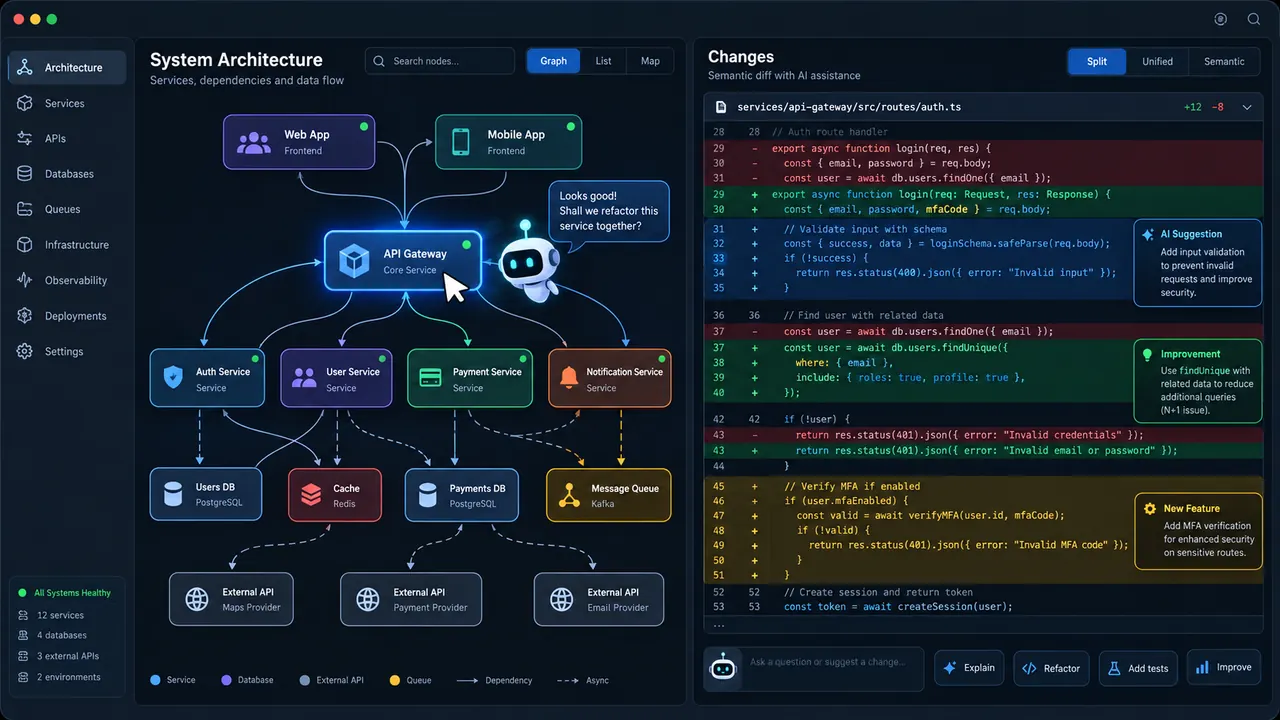
Whiteboard is an open-source desktop app where humans and coding agents architect software together in a shared workspace. It tackles the comprehension problem of AI-assisted development with an AST-aware semantic diff viewer that filters noise, plus decision logging that records agent reasoning. It runs locally, integrates with Claude Code and Codex, and keeps code and prompts out of telemetry.
Relevance 9/10Importance 6/10
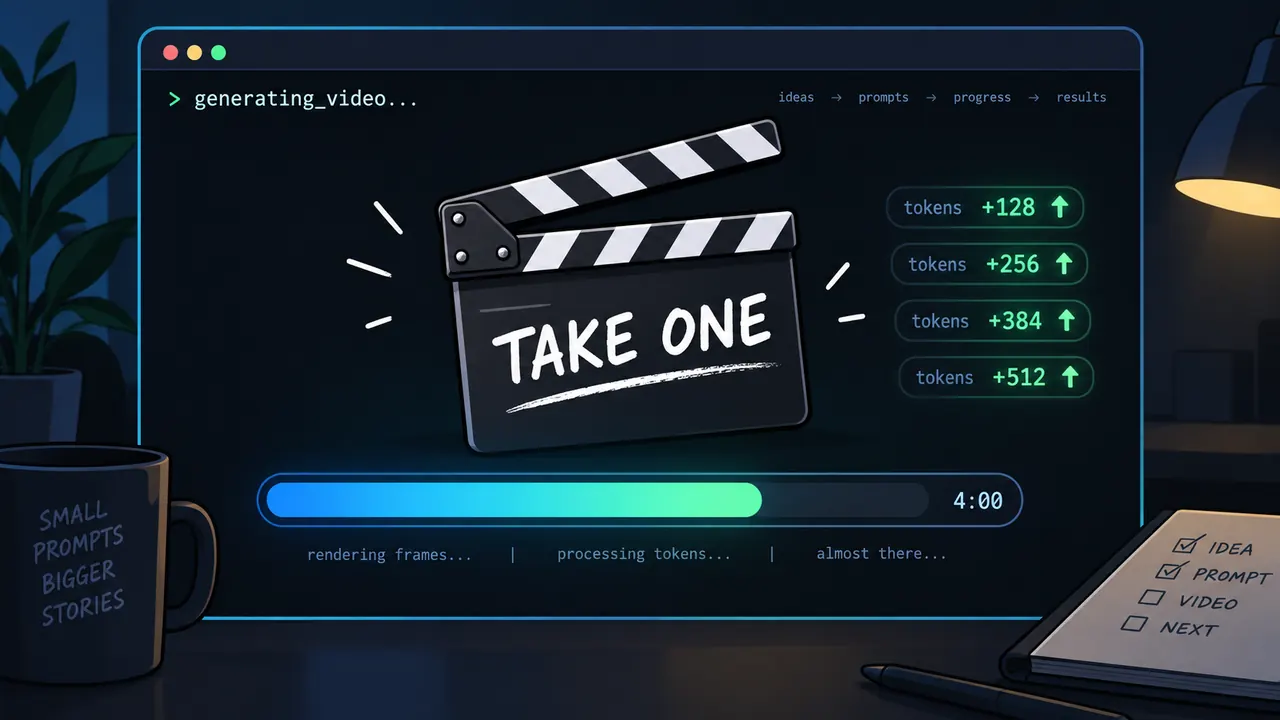
LaunchVideo generates a full launch video from just a URL or a text description, with no video model involved anywhere in the pipeline. Claude Opus 5.5 writes the film and a serverless agent on OpenComputer renders it. Each one takes about four minutes and roughly 100k tokens.
Relevance 8/10Importance 6/10
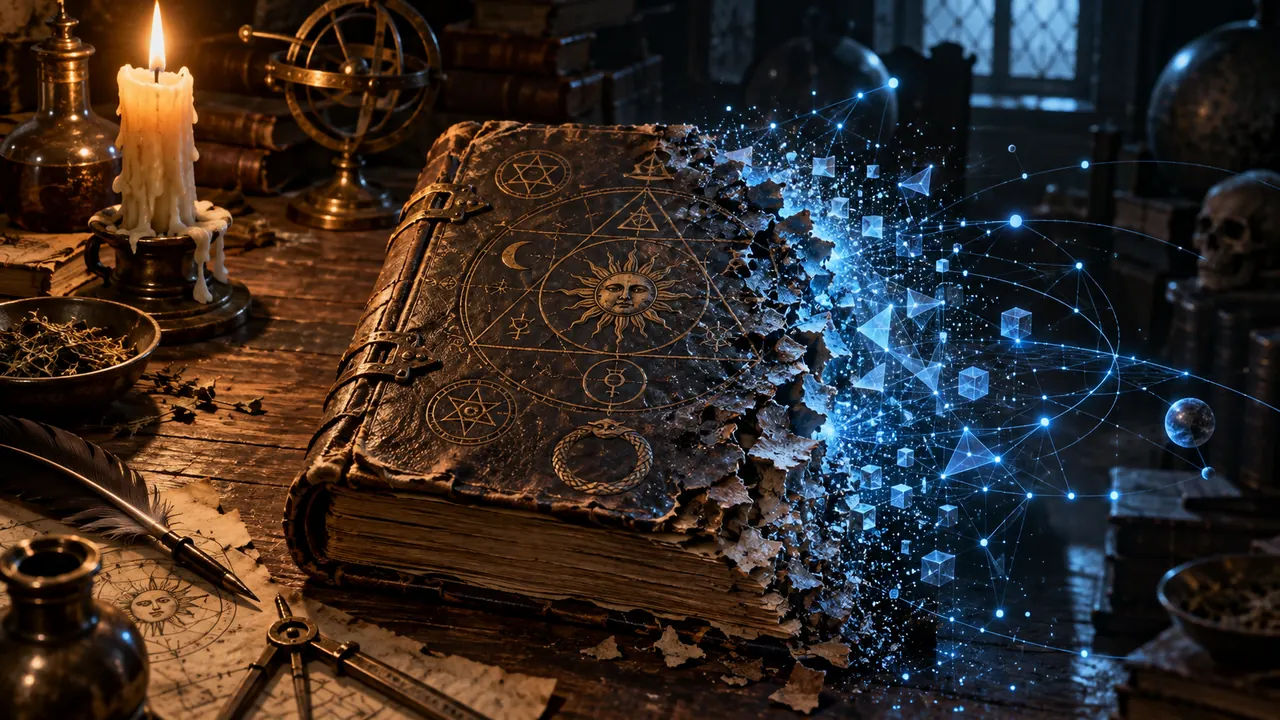
Benjamin Breen argues frontier models have crossed a threshold where they can solve real historical research problems, and calls on AI labs to fund formal collaborations with historians. His case studies include using Opus 5.5 to trace alchemical knowledge through the Samuel Hartlib archives by spotting anagrams that both Newton and Hartlib used for "Hungarian vitriol." He's careful to scope it: this works on tractable, verifiable, multilingual pattern-matching problems, not interpretive scholarship.
Relevance 5/10Importance 8/10
The open-source Android app store shipped a full rewrite in Kotlin and Jetpack Compose, with three navigation areas — Discover, Search, and My Apps — and search that finally reaches into descriptions and translations. The headline feature is smooth installs using Android's new pre-approval APIs, which means fast updates without the Privileged Extension. Top story of the afternoon with 740 points and 207 comments.
Relevance 5/10Importance 7/10
Linebender shipped 1.0 of a Rust crate that takes `unsafe` out of SIMD, letting you write portable vector code safely. It delivers native-width vector performance, memory safety via the `kernel!` macro and a safe transmute module, and a new `#[simd]` macro for function multiversioning. Three years of committed security updates come with it.
Relevance 4/10Importance 7/10
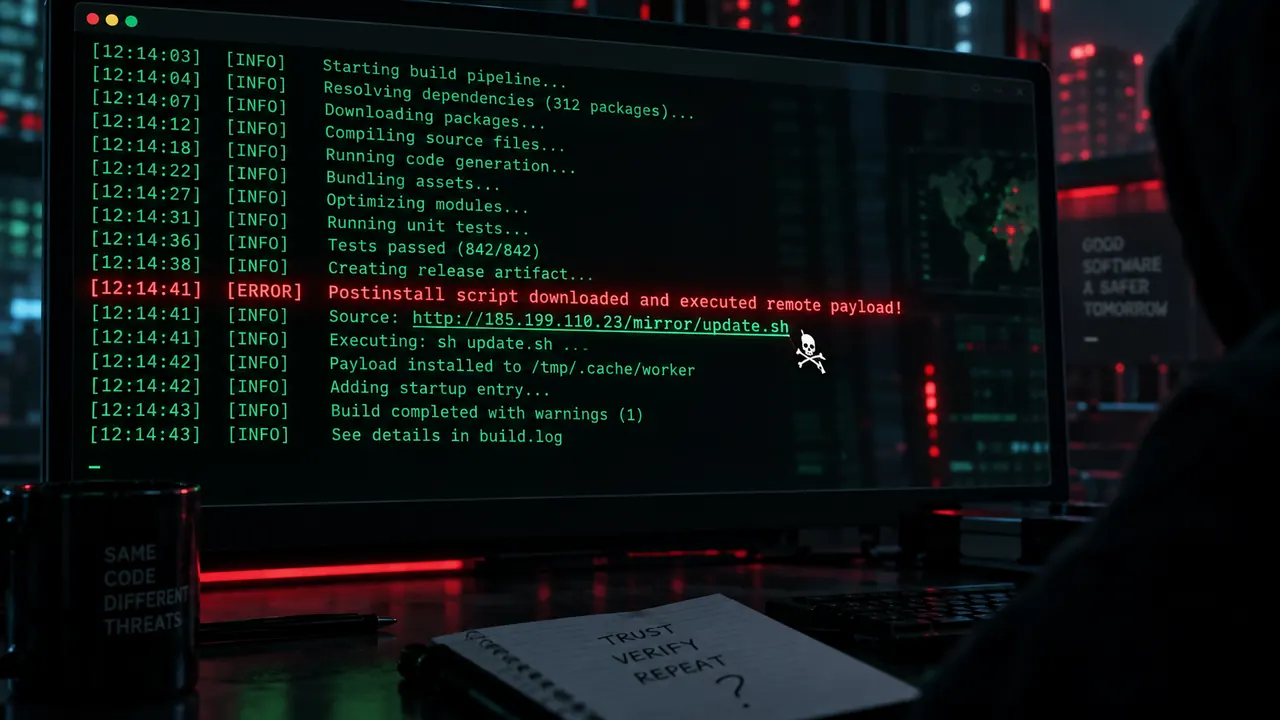
CVE-2026-92973: an XSS in the ansi2html library let attackers smuggle JavaScript into SourceHut build logs using OSC 8 hyperlink escape sequences. Viewing a poisoned log handed over CSRF tokens and deploy keys, which is a full account takeover. Fixed in ansi2html 1.9.4 plus extra output sanitization in builds.sr.ht.
Relevance 4/10Importance 4/10
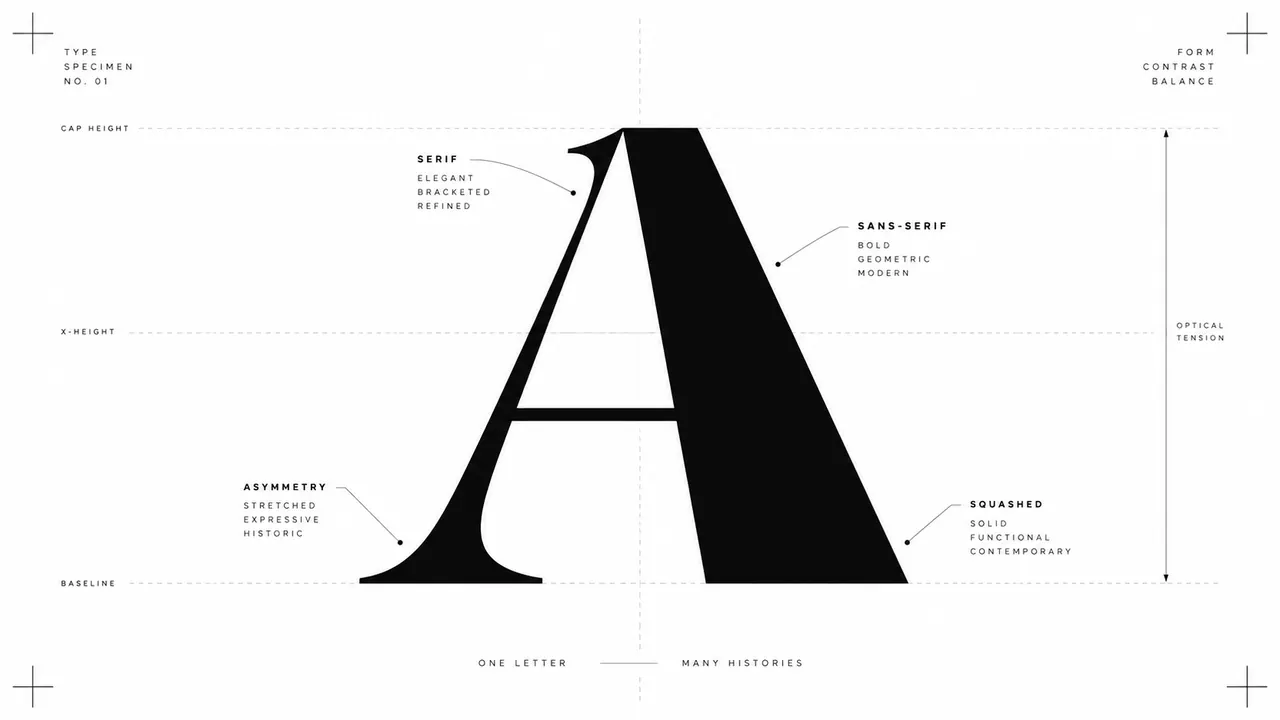
Bastardica is a browser tool that mixes, stretches, and squishes multiple typefaces into unholy hybrids. Everything runs locally via Pyodide and fontTools, and you can download the result as a real OpenType file that works in any browser or design app. 285 points for a font blender, which tells you something about HN.
Relevance 2/10Importance 6/10
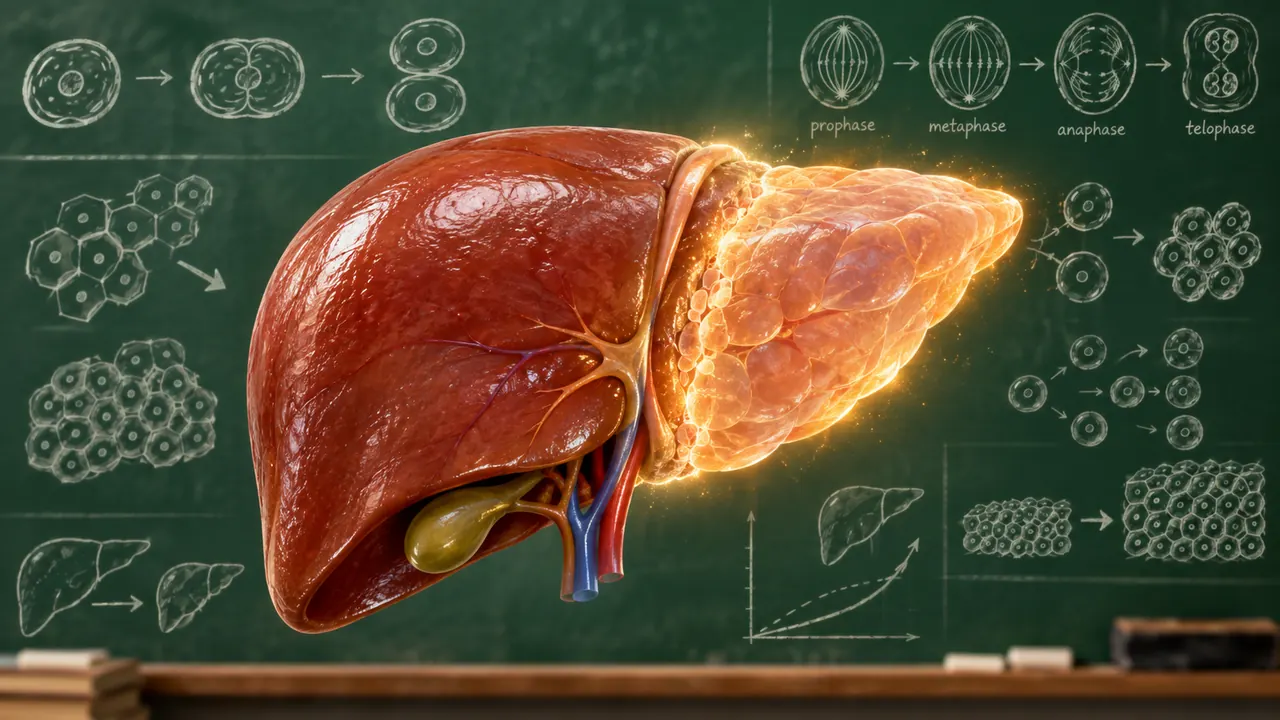
Dynomight argues the liver regenerates because it has to — detoxing gut output and processing poisons means constant damage. Other organs stay fragile because evolution traded regenerative capacity for cancer prevention: more cell division means more mutation risk. The liver pays that cancer tax because it has no choice.
Relevance 1/10Importance 3/10
The author wanders Tokyo through Street View and found a white 350Z parked in the exact same spot across 17 years of captures. Scrubbing through the historical archive turns into a meditation on how neighborhoods change while some moments stay frozen. An update at the end: the car and the house behind it have both since been demolished.

 HN Briefing PM