Relevance 10/10Importance 9/10
DeepSeek published the architecture behind its production sandbox platform, exposing FnCall, container, microVM, and full-VM backends through one unified SDK built for large-scale agent training. It runs roughly 3 million sandboxes a day across 160 nodes, holds 380,000-plus concurrent sandboxes, and sustains over 5,000 creations per second via memory sharing, dense CPU scheduling, and on-demand image loading from a distributed filesystem. This is the infrastructure layer almost nobody talks about publicly, and DeepSeek just handed over the blueprint.
Relevance 9/10Importance 6/10
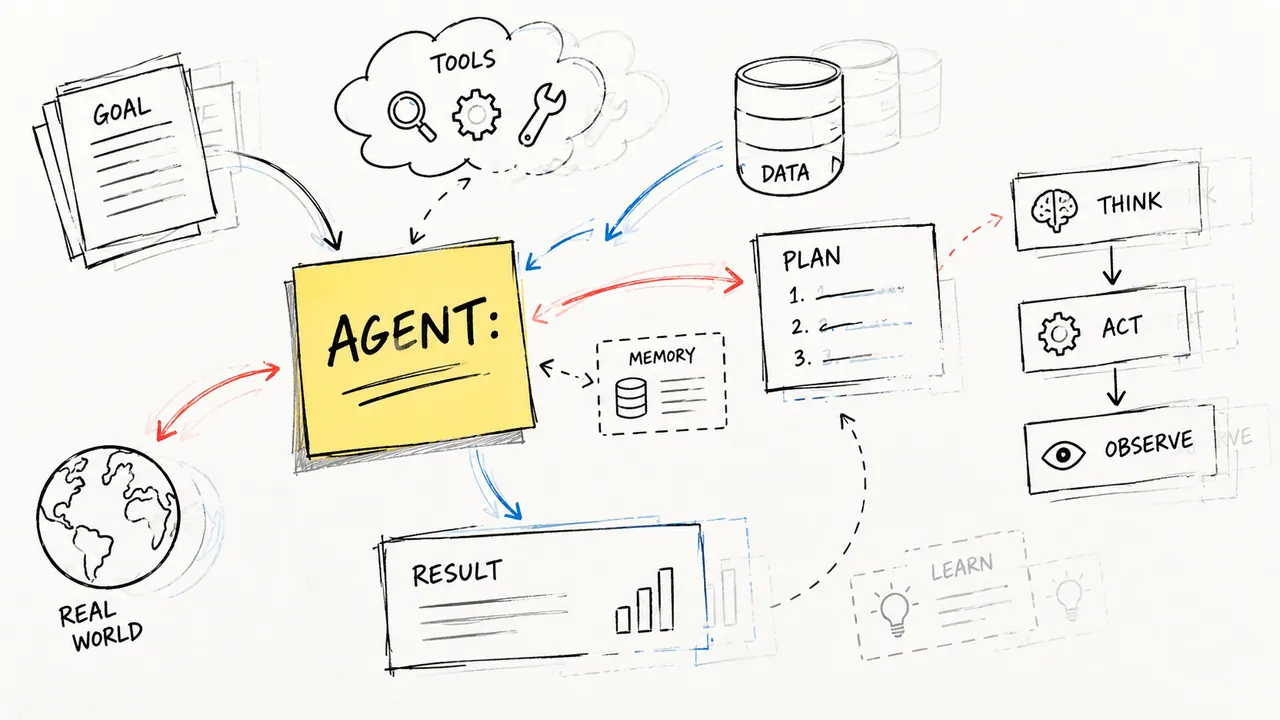
Drawgent is a single Rust binary that wires your own Claude Code, Codex, or opencode install into a live Excalidraw whiteboard. You can prompt it through a chat panel or just scribble a sticky note starting with "AGENT:" on the canvas, and it reads a screenshot and edits the drawing in place. It works against local canvases or shared excalidraw.com rooms with end-to-end encryption, and notably brings your existing agent rather than a hosted one.
Relevance 8/10Importance 6/10
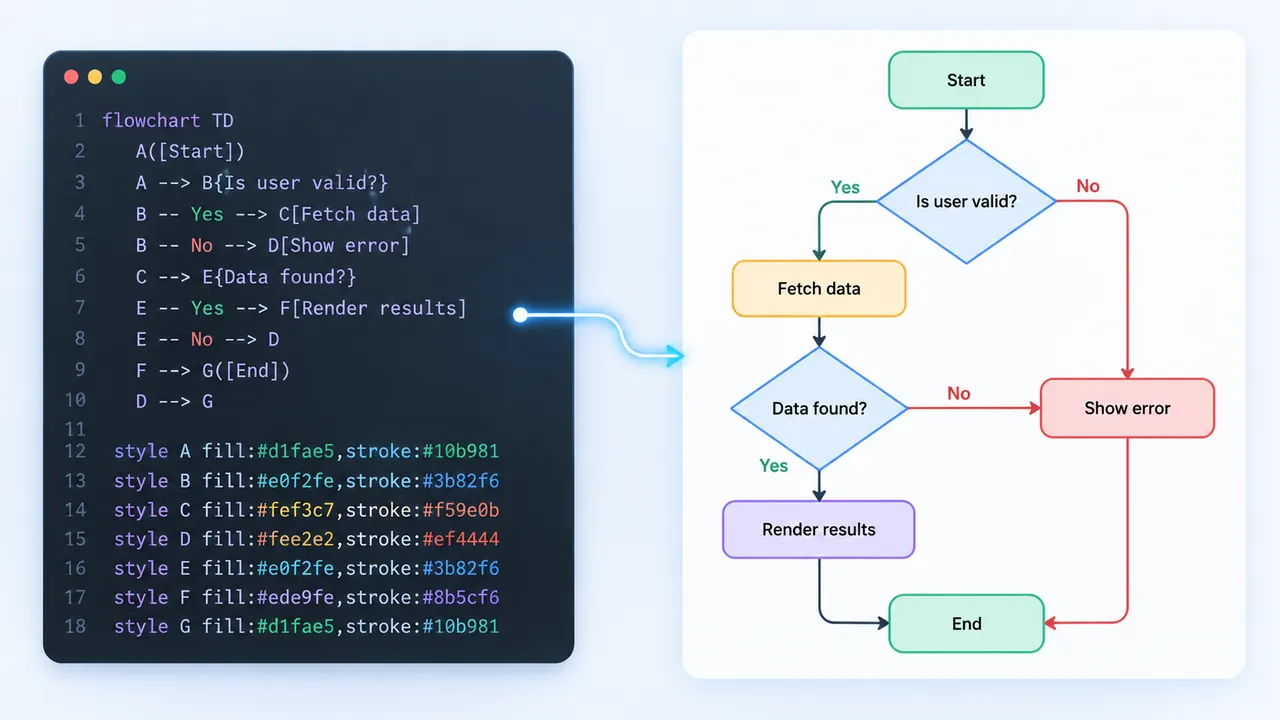
Reladraw is a dependency-free diagram language that positions elements with relative statements instead of raw coordinates or a black-box auto-layout engine. The pitch splits the difference between draw.io's control and Mermaid's terseness: you say what goes next to what, and the solver deterministically places everything without overlaps. It ships a parser, an SVG renderer, a browser playground, and an agent skill so LLMs can author diagrams directly.
Relevance 6/10Importance 9/10
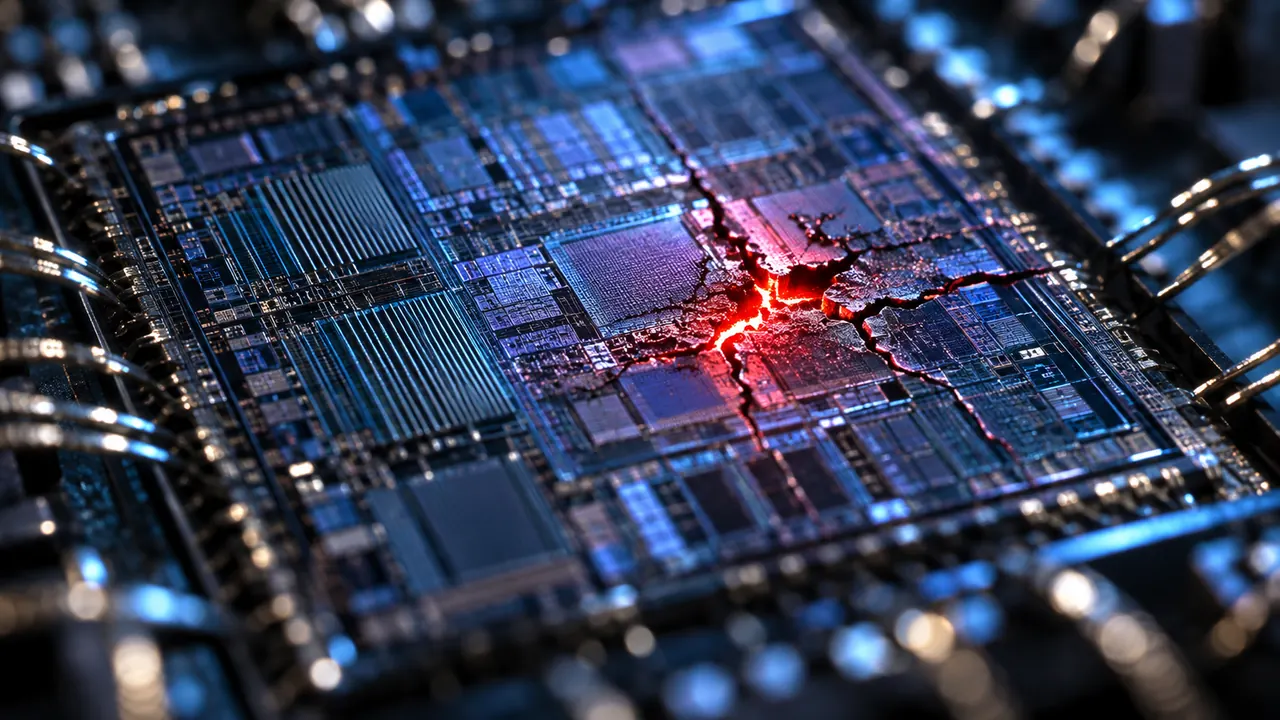
Loongson's LA664 processor has a silicon erratum where atomic add instructions intermittently fail to be atomic when concurrent cores mix LASX vector memory ops with atomics. It surfaced as an infinite loop in a normaliz packaging build, and took six months of digging — with AI assistance in the final isolation — to pin down. The impact is severe: it breaks reference counting in things like Rust's Arc, opening the door to use-after-free, though Loongson has shipped a low-overhead firmware fix.
Relevance 5/10Importance 6/10
Apple Cards was a 2011 iOS app for designing letterpress greeting cards that Apple would physically print and mail, born from a Steve Jobs walk where he wondered if he could send a thank-you note from his iPhone. The engineering was absurdly Apple — invisible UV barcodes, custom stamps, three-pass printing on cotton stock — and it shipped in the last year of his life. Demand never materialized, logistics turned chaotic, and Apple quietly killed it in 2013.
Relevance 4/10Importance 6/10
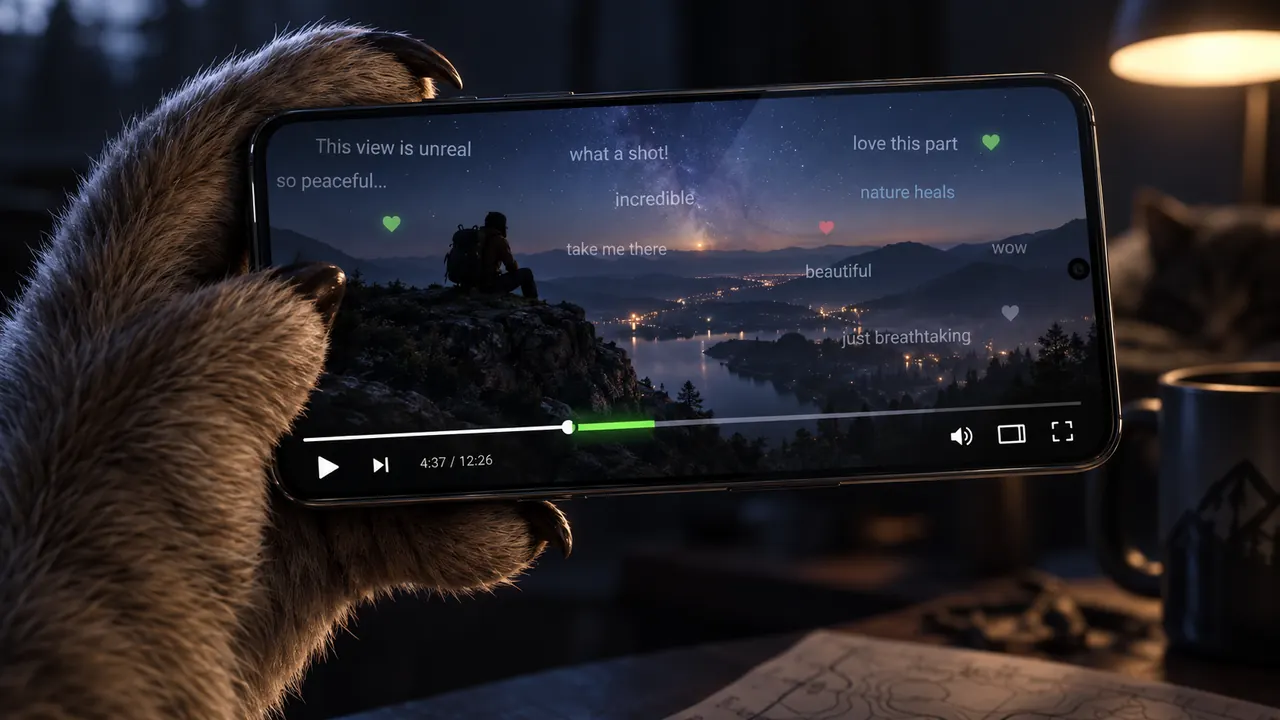
PipePipe is an open-source Android client for browsing YouTube and other services, positioned as a faster, more stable NewPipe alternative. It bundles SponsorBlock, ReturnYouTubeDislike, danmaku-style live chat overlays, aggressive content filtering, and batch playlist downloading. It's been a fully independent hard fork since early 2022, trading upstream parity for rapid fixes and shipping velocity.
Relevance 3/10Importance 5/10
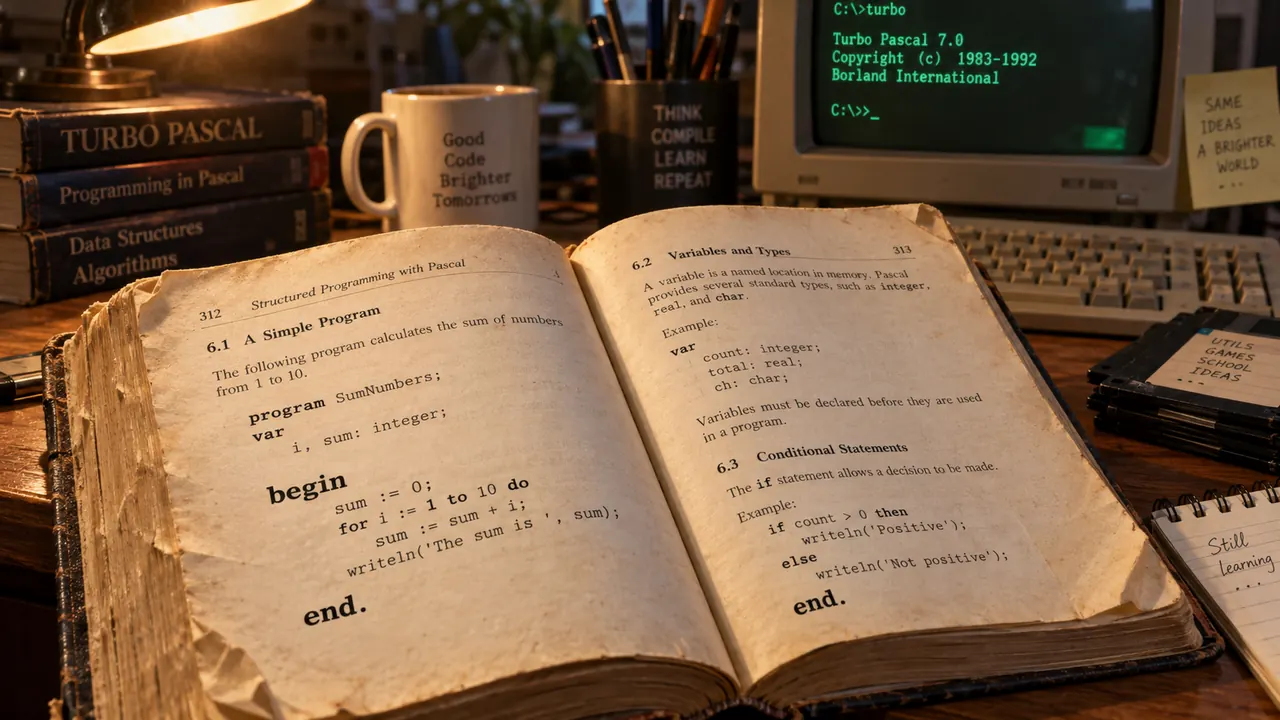
A thorough introduction to contemporary Object Pascal aimed squarely at experienced programmers coming from other languages. It covers classes, units, interfaces, generics, inheritance and virtual methods, memory management, and exception handling. Everything is written to work across both Free Pascal Compiler and Delphi.
Relevance 3/10Importance 5/10
The Moving Image Archive lets you search, watch, and download public-domain archival footage shot by shot rather than film by film. The collection reaches back to 1906 and runs through the 2000s, spanning industrial films, amateur home movies, newsreels, space footage, and wildlife. Every clip carries metadata for year, duration, color mode, and aspect ratio, making it genuinely usable as a production asset library.
Relevance 2/10Importance 4/10
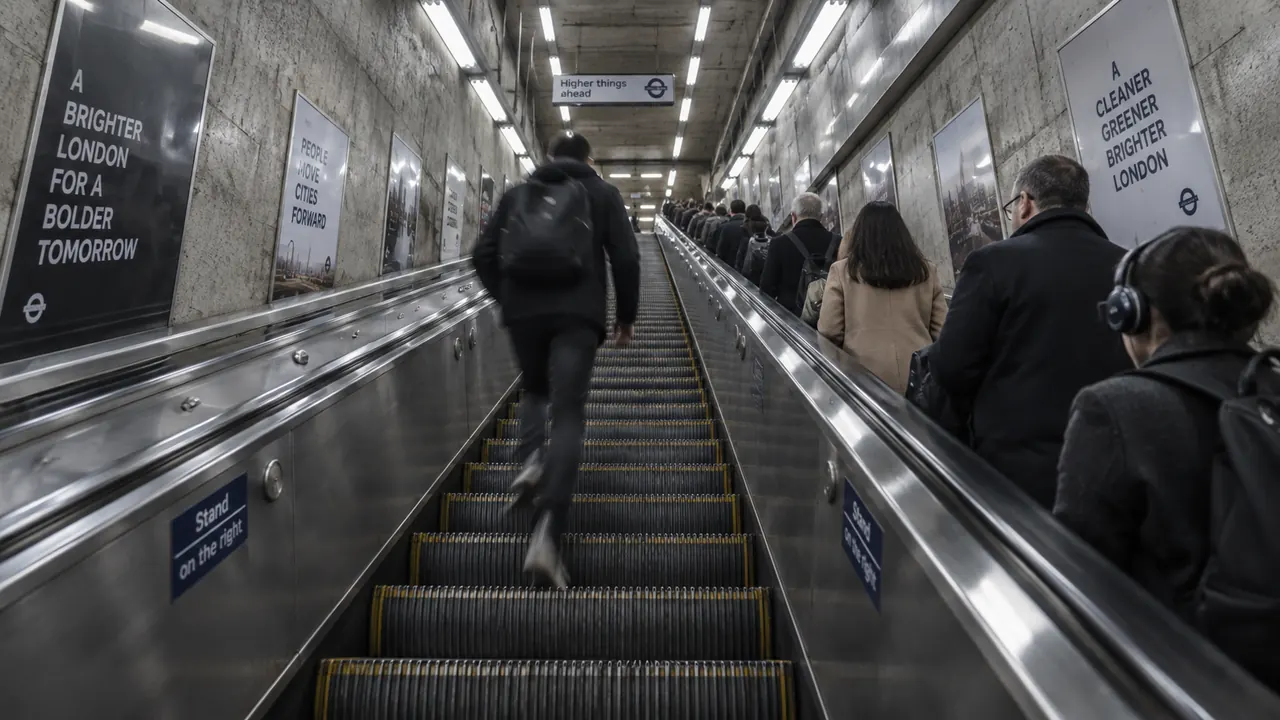
LA Metro runs its escalators at 90 feet per minute, slower than the legal maximum in every one of 139 cities surveyed. Hong Kong manages 148 feet per minute, and even LAX specifies the full American max of 100 — 11 percent faster than Metro. Matching Hong Kong would give riders back roughly 670,000 hours a year, and Metro's own 1984 design criteria called for 120 feet per minute before that requirement quietly vanished.
Relevance 1/10Importance 3/10
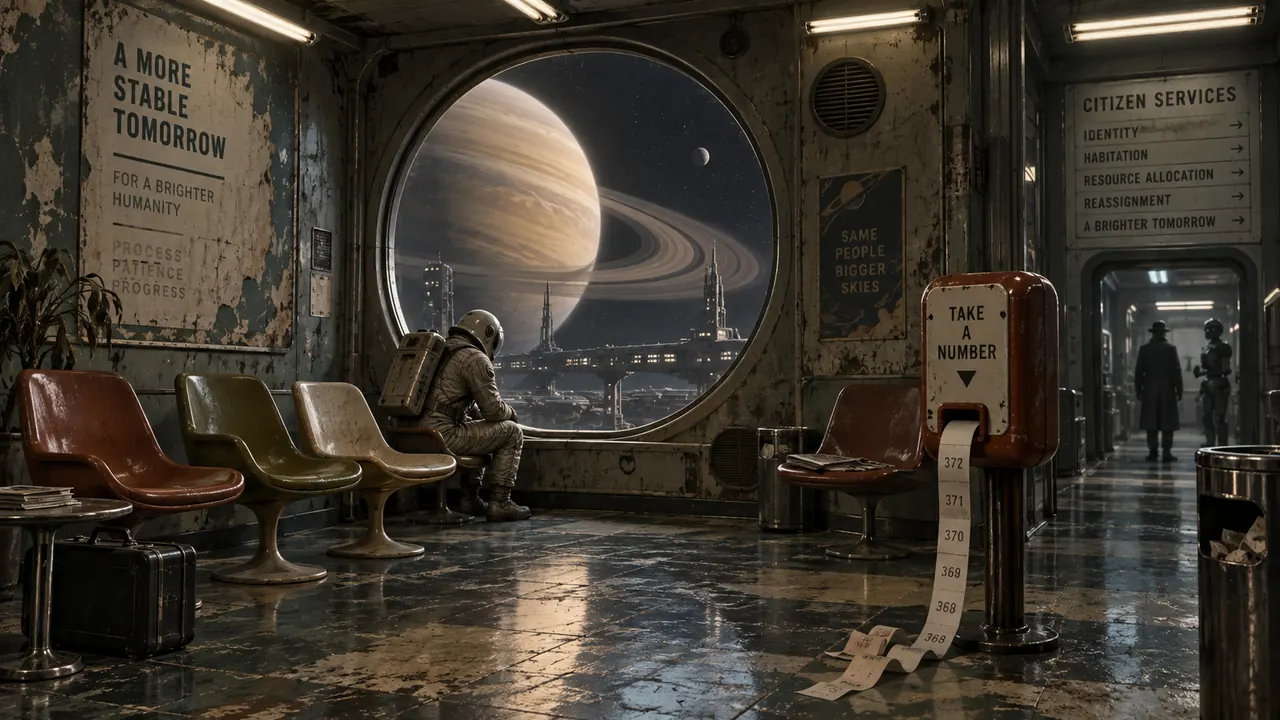
A choose-your-own-adventure short story with branching paths labeled A through Z, following a patient with a mysterious purple rash seeking care at a station orbiting between Saturn and Uranus. Dark humor and deliberate recursive loops turn it into a satire of healthcare bureaucracy, where most paths end grimly or dump you right back where you started. It was a 2016 Nebula Award finalist.

 HN Briefing PM