Relevance 10/10Importance 9/10
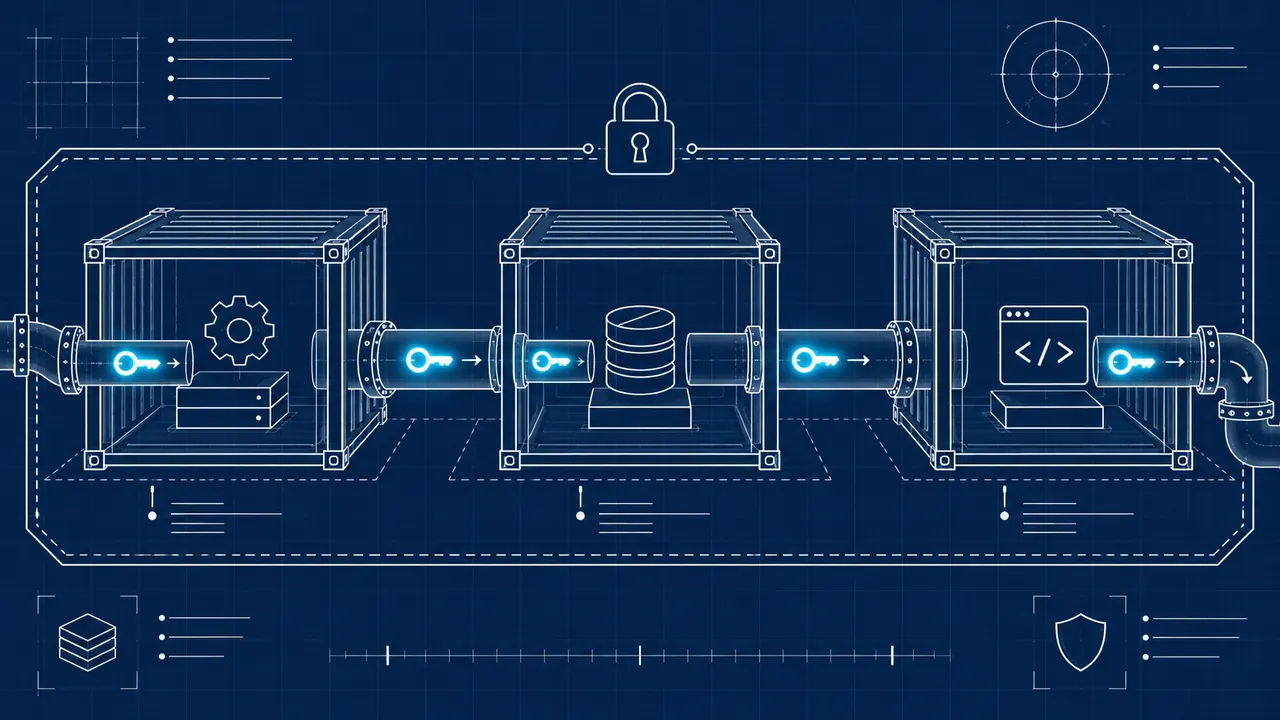
OpenAI's "Bazaar" ad platform sets an `__obi` cookie that follows ChatGPT users onto third-party advertiser sites, and its SDK scrapes data four ways — direct advertiser feeds, form fields, page text, and tag managers. The haul reportedly includes emails, phone numbers, location, and sensitive form content from medical, debt, and litigation intake funnels. Safari's tracking prevention and iOS browsers block the mechanism; OpenAI didn't answer the author's questions about cookie classification or consent scope.
Relevance 10/10Importance 8/10
Alibaba's Qwen team quietly shipped Qwen-Image-2.1 today: a 7-billion-parameter open-weight image generation and editing model that runs on a consumer 3090 and claims to beat closed models on Qwen's own benchmarks. It natively generates and edits transparent RGBA images and accepts up to ten reference images at once, with circles and painted masks steering local edits. The catch is licensing — it ships under the Qwen Research License, non-commercial only, a sharp turn from the Apache 2.0 terms of the earlier Qwen-Image line.
Relevance 9/10Importance 9/10
Samsung plans to more than double HBM4 and HBM4E production next year, pushing total HBM output roughly 40 percent higher to about 250,000 wafers a month, up from 180,000. Supply-chain tells back it up: glass carrier demand rising 2.5x and outsourced cleaning volume jumping to 50,000 sheets monthly. HBM4 family chips should hit about 80 percent of shipments, up from 40 percent, with 12-layer HBM4E samples already in Nvidia's hands.
Relevance 9/10Importance 7/10
Pirate Face turns open AI models into checksum-verified magnet links so they survive being pulled from Hugging Face. Every download hits Hugging Face first and falls back to a peer swarm the moment the official copy disappears, with SHA-256 hashes from the original repo guaranteeing you get authentic weights. It mirrors permissively licensed LLMs, image and audio models, and datasets, flagging anything that's been yanked as "Rescued."
Relevance 7/10Importance 6/10
Seldo argues charity-based open source funding has structurally failed — roughly 60 percent of maintainers are unpaid while companies already shovel hundreds of millions to registry middlemen like JFrog and Docker. His fix: have npm, PyPI, and Docker Hub charge corporate users for mirror access and automatically distribute royalties by dependency usage, no grant committees involved. The key insight is that a line item on an existing bill isn't a procurement decision, so nobody has to say yes.
Relevance 8/10Importance 3/10
Someone took Jev, a TypeSafe decision-ranking API that was never meant to generate text, and coaxed a chatbot out of it by asking "which character comes next?" over and over until a STOP token drops. It supports multiple sampling strategies, alphabet choices from raw characters up to BPE tokens, and even beam search. The author cheerfully admits the cost is impractical and the results are hilarious — and notes the whole thing was a Claude-accelerated experiment with 158 offline tests.
Relevance 4/10Importance 5/10
A deep dive defining sandboxing as discretionary privilege dropping — developers restricting their own process rights at runtime without needing root or an admin. It advocates process compartmentalization via the actor model plus capability security, treating file descriptors as unforgeable capabilities passed over UNIX sockets. The killer stat: Chromium's Capsicum sandbox took about 100 lines on FreeBSD versus 11,301 lines of seccomp on Linux.
Relevance 3/10Importance 5/10
DXOMark scored the iPhone 18 Pro at 172 points, good for second place globally, with 171 on photo and 176 on video. The new variable aperture meaningfully sharpens complex multi-subject scenes, low-light holds up in both stills and video, and stabilization stays smooth even while running. Long-range telephoto still trails rival flagships, and testers flagged white balance instability, backlit face exposure, and missing night portrait blur.
Relevance 3/10Importance 4/10
Singapore's ReadSG pilot, launched September 6, pays people in virtual coins for logging at least 15 minutes of daily reading through the CrowdTaskSG platform. The math is deliberately tiny — 20 coins per session, 1,000 coins to a Singapore dollar, meaning fifty straight days of reading nets you exactly one buck. A collective "Read for Good" tier unlocks up to S$150,000 in charitable donations if participants hit 7.5 million cumulative minutes.
Relevance 1/10Importance 2/10
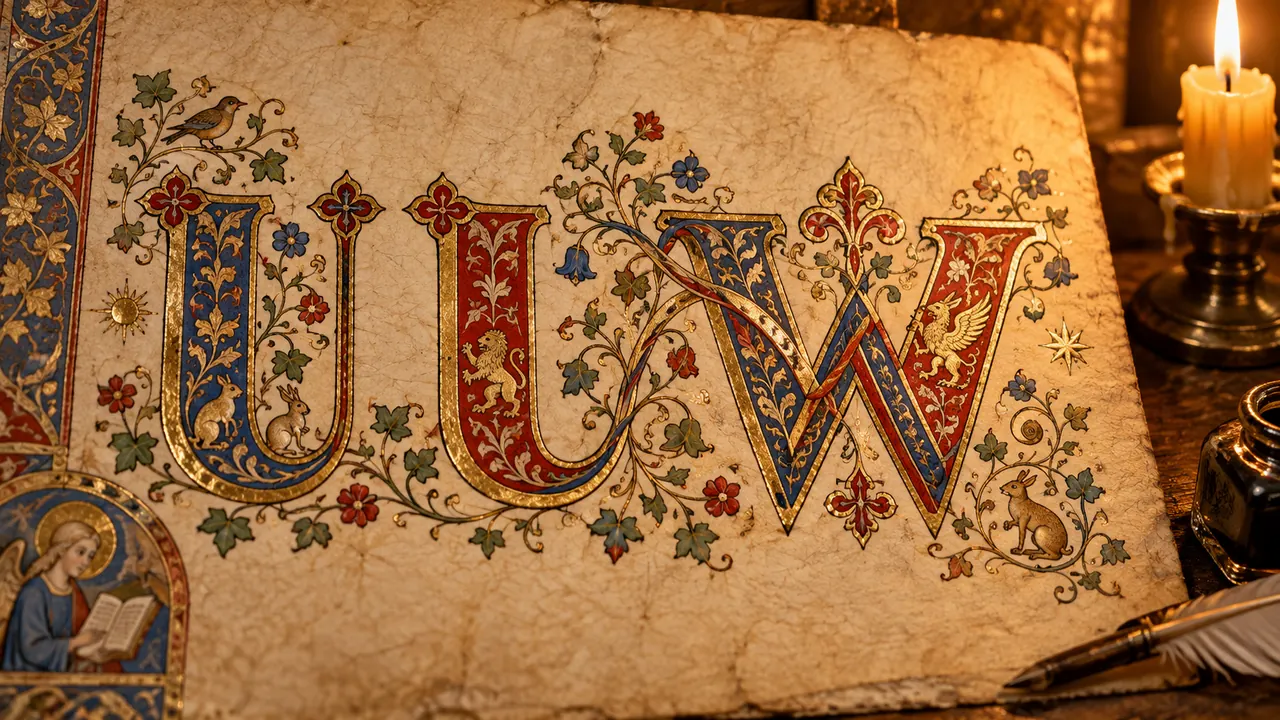
W exists because Latin had no letter for the Germanic /w/ sound, so sixth-century scribes in Francia just doubled the U — giving us names like abbot UUandeberctus in the manuscripts. By the eleventh century the pair had fused into a single letter, edging out the Old English rune wynn under French and Latin spelling pressure. Its legacy is a pile of English irregularities, including why "was" refuses to rhyme with "has."

 HN Briefing PM