Relevance 10/10Importance 10/10
A federal appeals court in Washington ruled 2-1 to uphold the Pentagon's March designation of Anthropic as a national security supply chain risk, with Judge Katsas writing for the majority and Judge Rao joining. The court rejected Anthropic's argument that the DoD ban on Claude models was arbitrary, unauthorized, and unconstitutional — a designation Anthropic says has cost billions in lost business ahead of its anticipated IPO. The dispute traces back to a collapsed $200 million contract negotiation over GenAI.mil, where DoD wanted unfettered lawful-purpose access and Anthropic wanted carve-outs for autonomous weapons and domestic mass surveillance. With 515 comments, it's by far the most-discussed item on HN today.
Relevance 9/10Importance 7/10
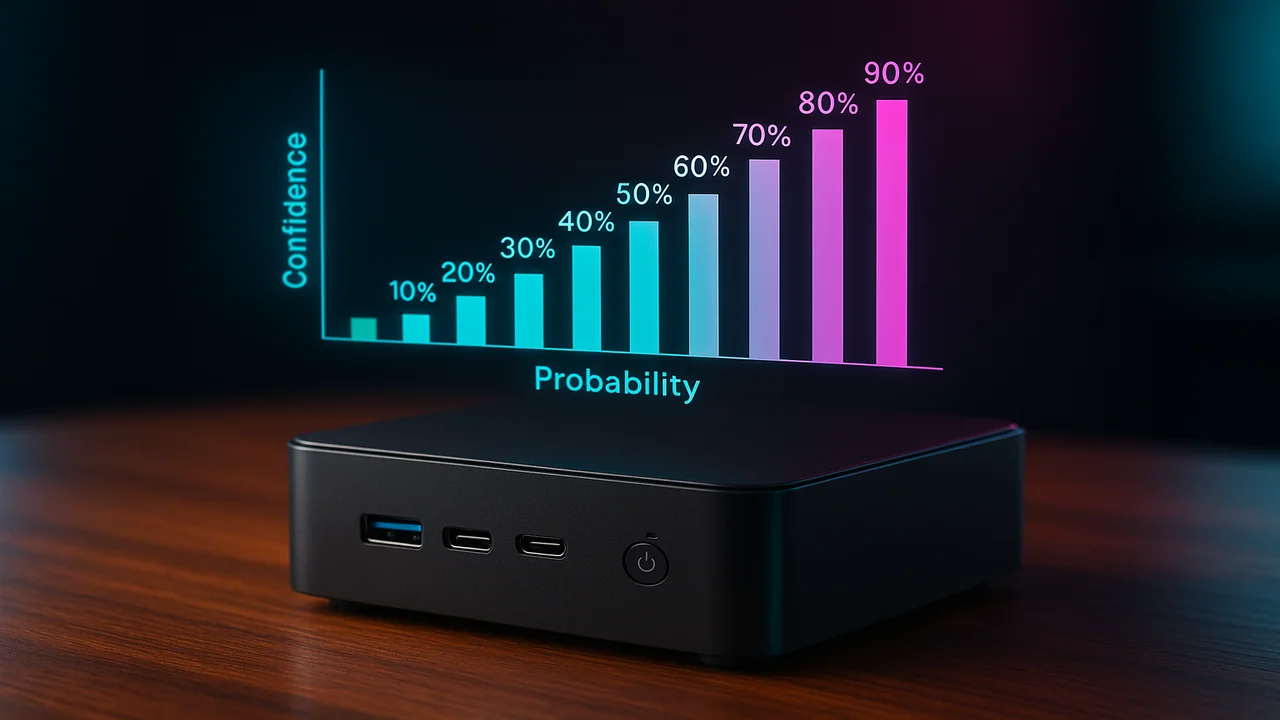
Ollaya is an open-source local runtime for "decision models" — you ask typed questions about text or JSON and get calibrated probability answers in a single forward pass, no token-by-token generation. It runs on ONNX Runtime across CPU or NVIDIA GPU and claims 8 to 10 milliseconds end-to-end versus 236 to 276 for the hosted TypeSafe API, while keeping data on your own hardware. It's wire-compatible with TypeSafe's request/response format and ships open-weight models including Laya, Decider, and Gliclass, with desktop and CLI builds for macOS, Windows, Linux, and Docker.
Relevance 5/10Importance 8/10
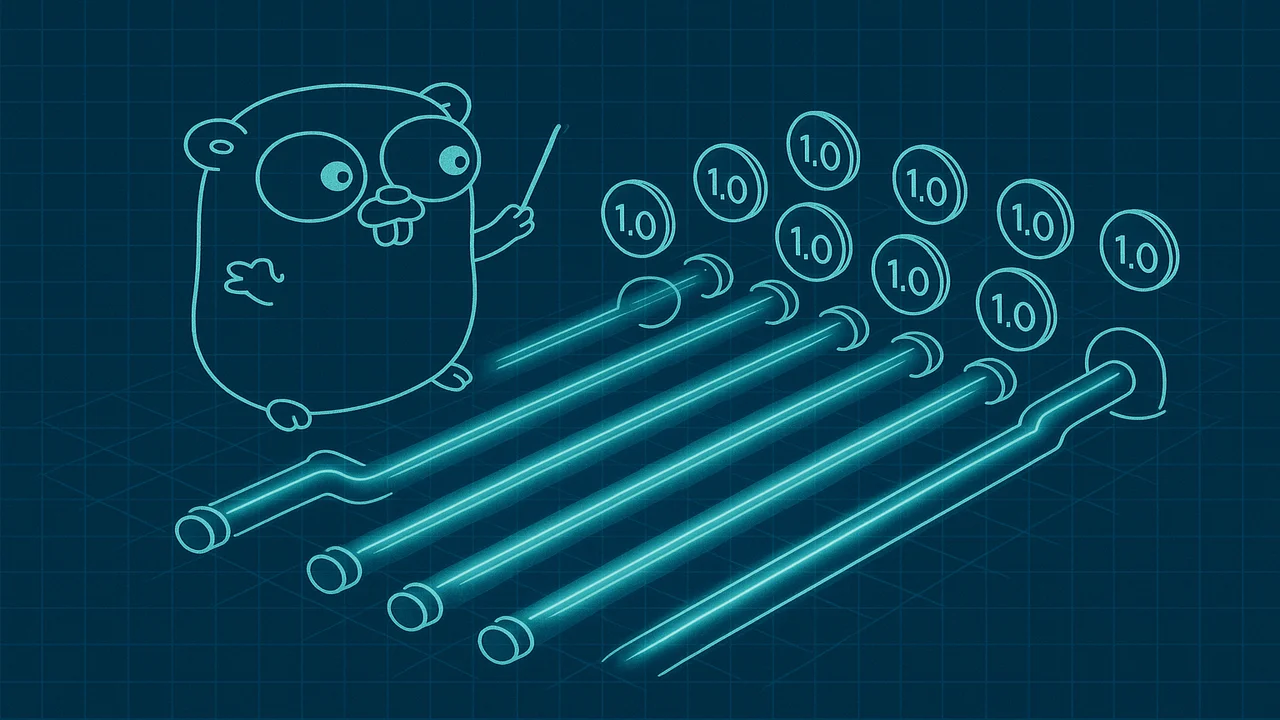
Go 1.26 and 1.27 ship an experimental `simd` package that hides architectural differences behind a fully portable API — no fixed-size vectors in the type system, with emulation filling gaps on platforms that lack hardware support. The same code compiles to near-assembly performance on amd64 AVX-512, arm64 NEON, and wasm, gated behind `GOEXPERIMENT=simd` with `GODEBUG=simd` knobs for vector width. That matters because SIMD in Go previously required hand-written assembly, keeping it locked to a few hot kernels in crypto and AI workloads; Go 1.28 adds SVE, reductions, and shuffles.
Relevance 8/10Importance 5/10
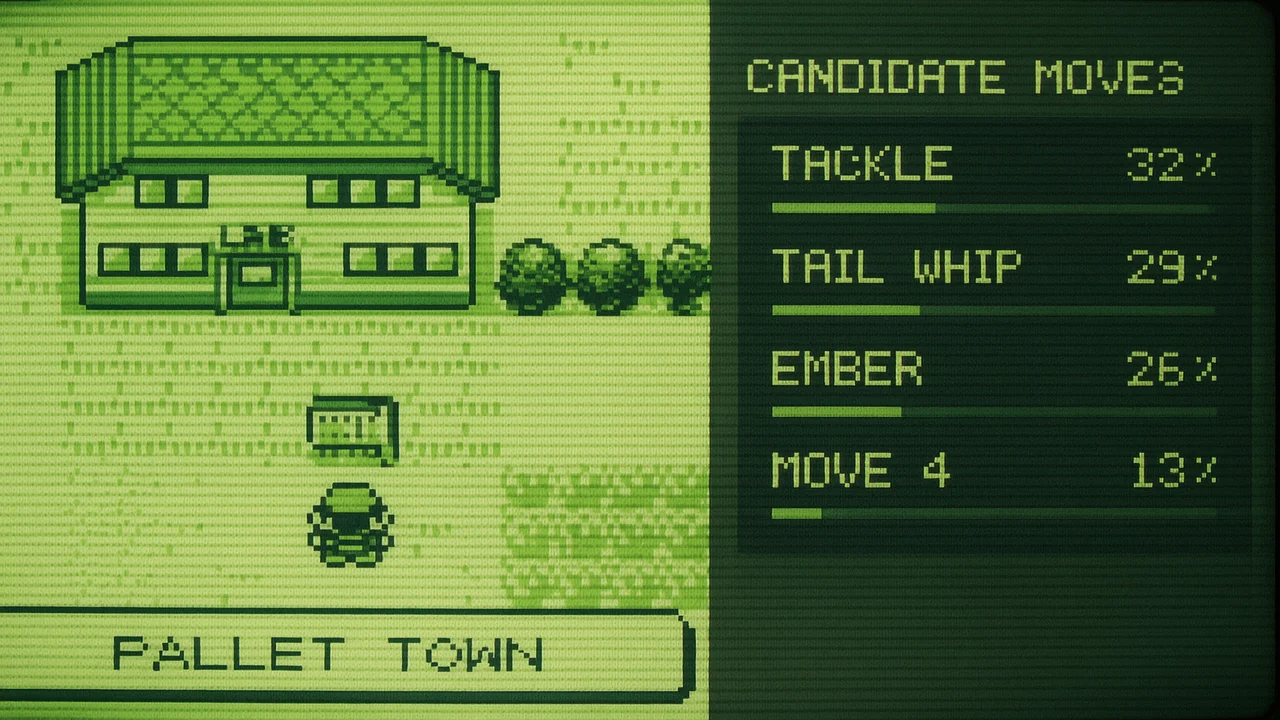
A livestream where a decision model named Jev plays through Pokémon Red autonomously, with a side panel exposing every candidate action and its probability score in real time. Nothing is pre-scripted — decisions are generated turn by turn, and the whole thing is open source with a Game Boy-era aesthetic. It's a promo for Frigade, an in-app AI guidance platform, and it leans into that with an NPC who notes that "JEV only knew where to go next because it had a guide."
Relevance 8/10Importance 4/10
A one-joke site from someone named Ben that repurposes TL;DR into TAI-DR: "Too AI. Didn't read. If you couldn't bother to read it, why should I?" It's a pointed bit of commentary on the loop where one person generates text with a model and the recipient summarizes it with another. Small, punchy, and it clearly struck a nerve — 27 comments on a 44-point post.
Relevance 6/10Importance 5/10
Engineer and manager Sunil Sadasivan argues that senior engineers who feel stuck have usually substituted momentum for outcomes, and that the fix is relentlessly asking why a thing is being built and what it does for users. He points to standout engineers who came from support, self-teaching, and design backgrounds as evidence the habit matters more than the pedigree. His sharpest point is about the agentic era: put your experience in a box temporarily and re-test your assumptions, because the old constraints may simply not apply anymore.
Relevance 4/10Importance 6/10
Git-bug stores issues as a DAG inside Git objects using a formally specified format, so your bug tracker travels with your repo and syncs over ordinary Git remotes. It's a single Go binary bundling a CLI, a terminal UI, and an embedded web UI, plus a GraphQL API and a query language for filtering. Bridges import and export against GitHub, GitLab, Jira, and Launchpad; it's sitting at 10.4k stars with the public-portal OAuth flow still marked work-in-progress.
Relevance 5/10Importance 3/10
Developer Robert May writes up Bwbach, a custom edge proxy he built in the Erlang/Elixir ecosystem to front his own infrastructure. The headline feature is bot tarpitting — trapping abusive crawlers in slow requests, which he calls "obviously the most fun bit" and which differentiates it from alternatives like iocaine. Commenters pushed for an open-source release and asked about other BEAM-based proxies; May admits he never surveyed the field before building it.
Relevance 3/10Importance 4/10
During a Zoom talk for Kristen Nygaard's hundred-year birthday celebration, an open mic near a speaker put Alan Kay into a 21-second audio feedback loop. Instead of bailing, he improvised — praising Shannon's noisy-channel coding theorem while living inside a degraded channel, saying "I think about that almost every day, it's just so amazing." Commenters compared it to Alvin Lucier's 1969 piece "I Am Sitting in a Room," except what accumulated was the network itself: delay, compression, dropouts.
Relevance 2/10Importance 3/10
A user filed a VSCode issue complaining that rounded corners have spread across the editor, explorer, terminal, and Copilot chat as part of a modernized UI, and that it wrecks their ability to focus. The thread drew 15 thumbs-up and 11 laugh reactions — a fairly precise measurement of community sentiment. It was closed as a duplicate of #334285, with the workaround being to set `workbench.experimental.modernUI` to false.

 HN Briefing PM