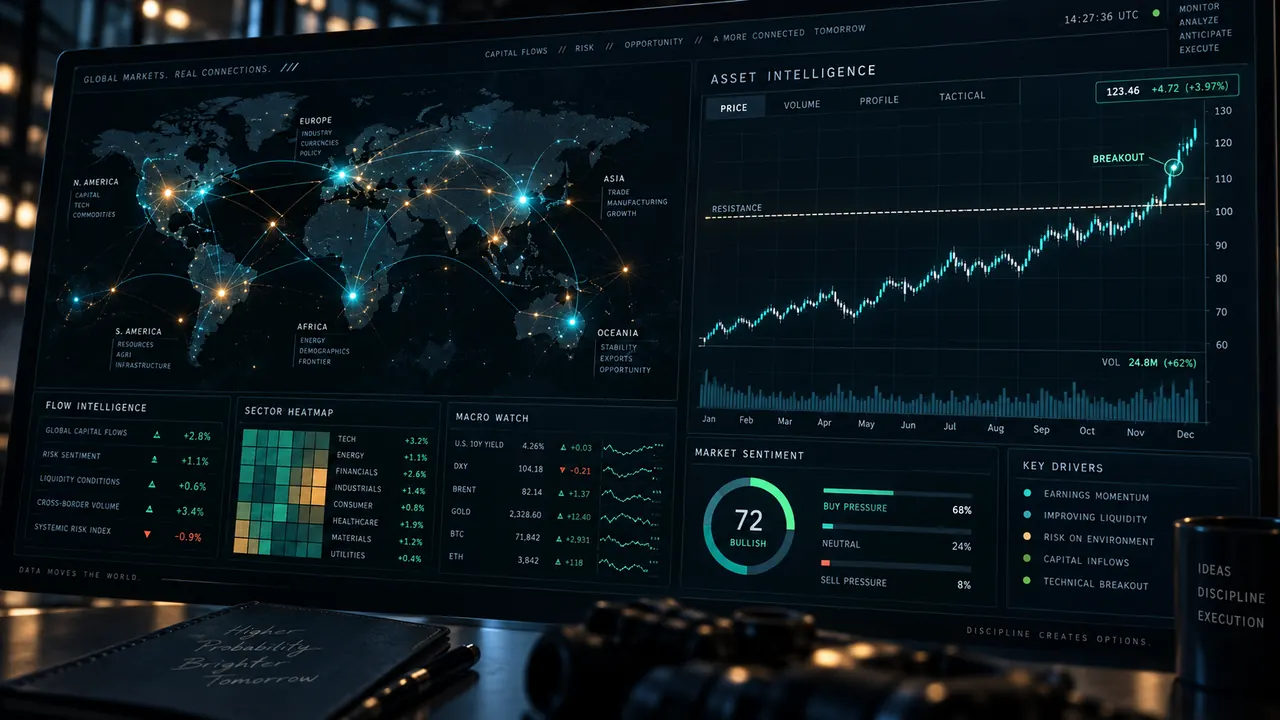
The Nasdaq dropped 1.1% Thursday to 26,936.04, one session after an all-time closing high. The S&P 500 fell 0.8% to 7,706.05 and the Dow shed 352 points to 51,511.59, with Nvidia, Intel, Marvell and Micron all trading down as much as 3%. The proximate cause was tightening financial conditions tied to the AI infrastructure debt wave, not any company-specific stumble.
Meta rose another 3% Thursday, capping a 16% week and a 36% September — its best month since July 2013 — on the back of its Muse AI agent, which passed 2.8 million downloads in its first 12 days. Meta is now within reach of a $2 trillion market cap. The offset: capex is tracking toward roughly $140 billion this year, double 2025, with guidance pointing to $197 billion next year.
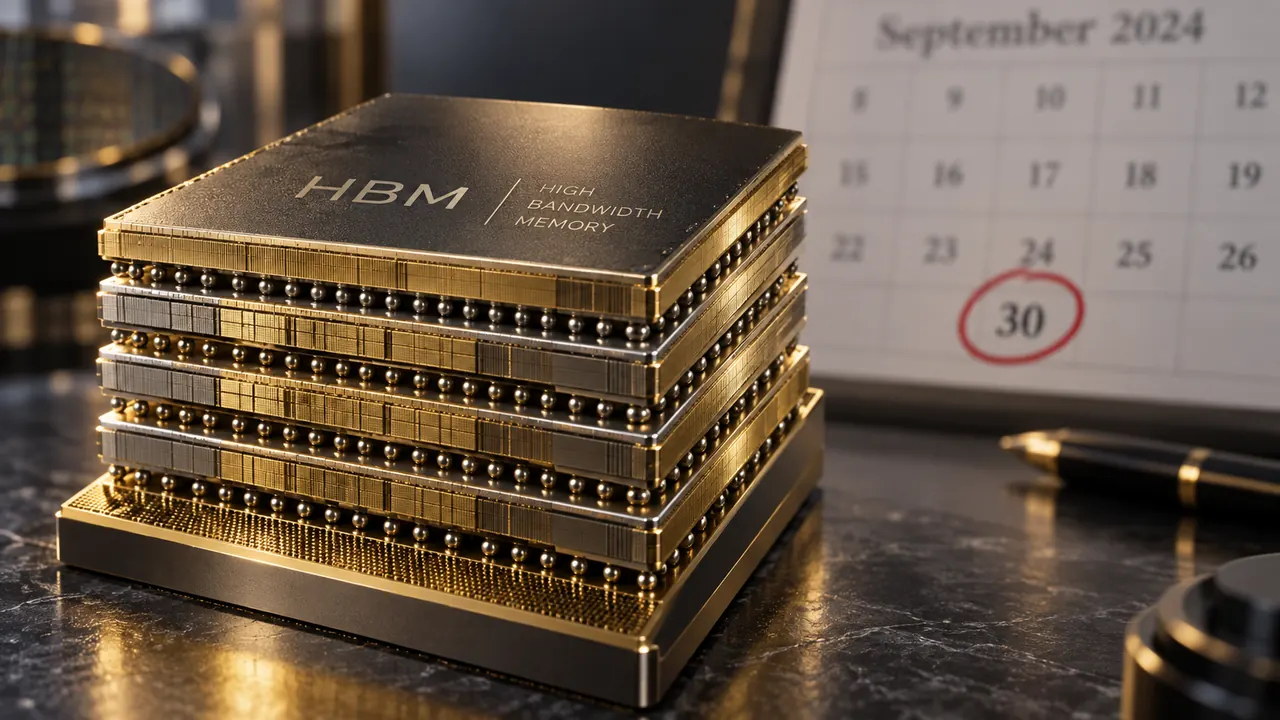
Micron reports fiscal Q4 on September 30 with consensus around $31 EPS on roughly $50 billion in revenue and an 86% gross margin guide. The stock is up about 228% year to date and nearly 696% over twelve months as HBM supply stays sold out through 2026. The number that matters is fiscal 2027 margin guidance — whether Micron signals it can hold the 86% zone as Samsung and SK Hynix add HBM capacity.
Investment-grade credit has effectively split in two: AI-linked issuers are drawing cautious bids while traditional financials and industrials get spirited demand. Nearly $500 billion of AI-related debt has priced in 2026, and Goldman Sachs projects hyperscaler gross issuance hits a record $420 billion next year, up 60%. AI borrowers are paying visibly higher yields than same-rated peers — that's the cost-of-capital channel now feeding back into chip equities.
Palantir pushed past $190 this week, its best level in nearly a year and up about 69% over three months. Three catalysts converged: a $48.1 million U.S. Army contract for an enterprise ammunition-management system, a Chipotle pilot of a Foundry-based food-safety platform, and CEO Alex Karp meeting the Polish and Lithuanian presidents in New York. Q2 revenue grew 93% year over year.
JPMorgan's Samik Chatterjee lifted CoreWeave from Neutral to Overweight Wednesday, nudging the target from $120 to $125. The thesis is pricing, not volume: CoreWeave's willingness to write short-term compute contracts at premium rates is pulling revenue and margin forecasts higher. Shares climbed about 3.7% on the note, though the bank still flags investor unease around capital intensity.
The Financial Times reports OpenAI is in line for a funding round valuing it around $1.2 trillion. That would leapfrog Anthropic, which set the private-market mark in May at roughly $965 billion. Neither is publicly traded, but private marks on this scale reprice the entire AI infrastructure complex.
The rotation Thursday was inside the AI trade, not out of it. Alphabet added 1.5% and Meta jumped 4% while semis fell — capital moving from the capex-heavy picks-and-shovels names toward the platforms monetizing them. Microsoft also drew fresh price-target increases this week, with analysts modeling Azure growth reaching 45%.
Google, OpenAI and Anthropic are assembling a voluntary industry safety body, tentatively the Frontier AI Standards Agency, targeted for launch in late 2026 or 2027 with no government oversight. The three have approached Sriram Krishnan to run it. Self-regulation ahead of statute typically reduces near-term compliance-cost risk for the large-cap AI names.
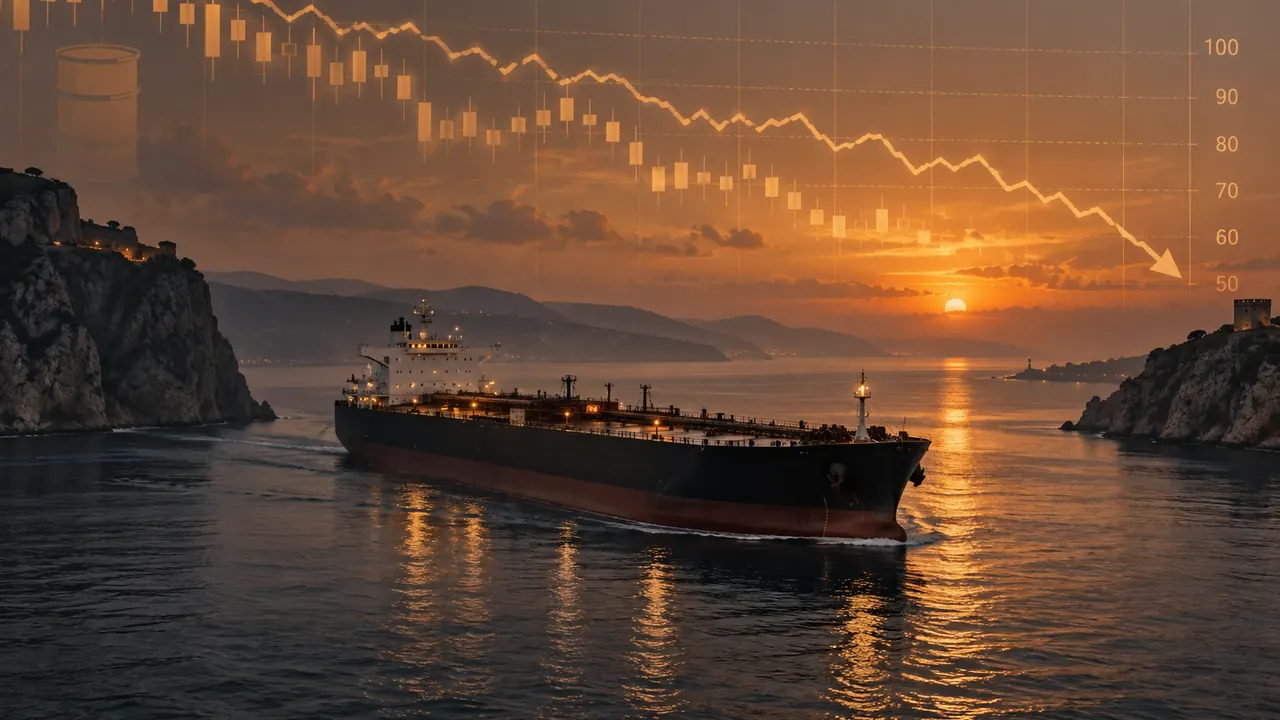
U.S. equities trimmed Thursday's decline late in the session after reports that American and Iranian negotiators were closing in on restoring tanker flows through the Strait of Hormuz. That took the heat out of the crude surge that had been pressuring risk assets. A softer energy tape removes one input from the inflation picture heading into next week.

 AI Stocks