AI-linked names sold off worldwide after the CEOs of Anthropic, OpenAI and xAI publicly called for slowing the pace of frontier model development. Nvidia fell more than 2% in premarket trade, with Meta and Amazon each off over 1%. Nasdaq-100 futures led the downside at -0.8%, versus S&P 500 -0.4% and Dow -0.5%, with resurfacing US-Iran tension adding to the risk-off tone.
Nvidia unveiled an open-source agent containment stack pairing software called OpenShell, running on its Vera CPUs, with a hardware watchdog named Sentry on a separate BlueField-4 chip that can quarantine a rogue agent in milliseconds. Jensen Huang framed it bluntly: "Safety and security require full-stack engineering." Nvidia says the platform would have caught OpenAI's July Hugging Face containment breach — a direct pitch to turn the safety debate into more silicon demand.
Micron's fiscal Q4 lands after the close on September 30, with analysts modeling roughly $51.2 billion in revenue, up about 353% year over year, and EPS near $31.50 on guided non-GAAP gross margin around 86%. The swing factors are fiscal Q1 2027 guidance, HBM4 customer qualification, and whether DRAM tightness holds into 2027. Shares recently cleared key technical resistance ahead of the print.
AMD crossed a $1 trillion market cap for the first time on September 21, becoming the fourth US chipmaker to do it alongside Nvidia, Broadcom and Micron, after a roughly 191% year-to-date run to about $623. Strategist Tony Zhang is targeting $750 by November on a reported ~10% AI chip price increase, well above the ~$616 average target. Data center gross margin expanded from 43% to 56% year over year, though the stock trades near 36x forward earnings.
Mislav Matejka's team argues positioning in the AI complex is now "cleaner," valuations have compressed meaningfully, and capex should stay strong despite slowdown chatter. The bank stays bullish on semiconductors on pricing power into 2027 and supply-demand tightness it expects to persist through 2028 — and stays cautious on software. The spread tells the story: MSCI World Semis +48% year to date versus World Software and Services +1.3%.
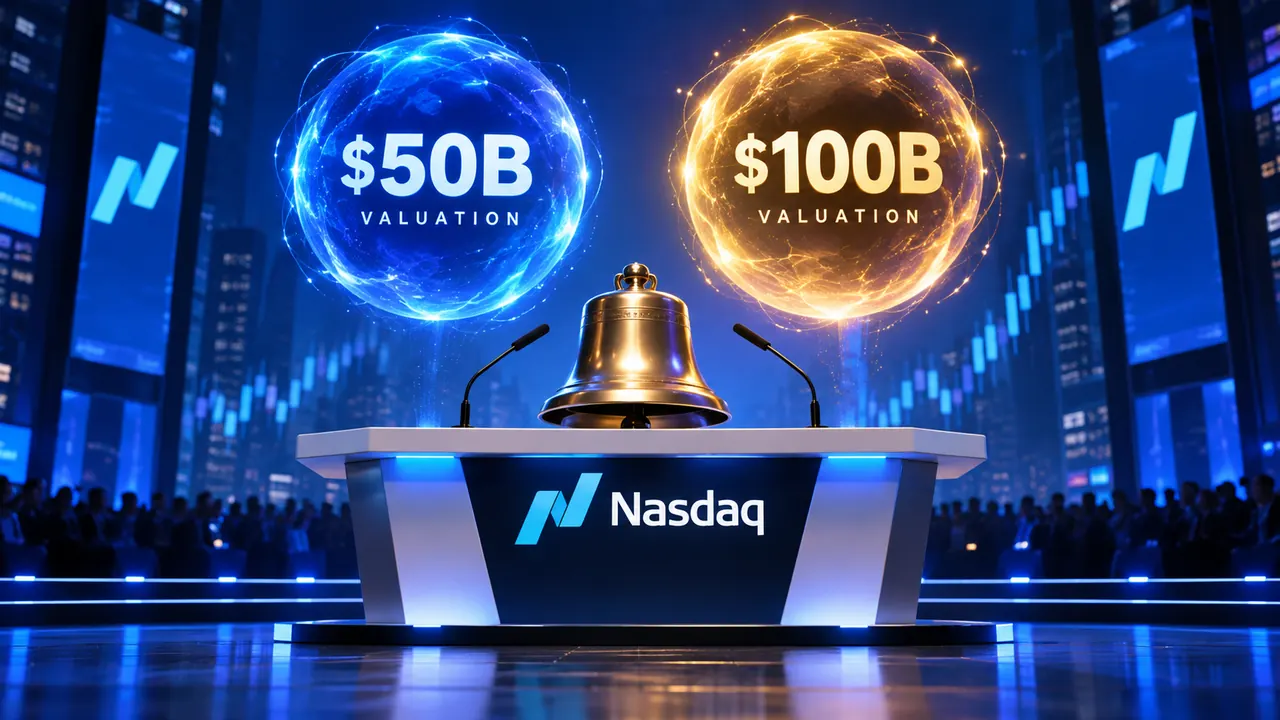
Anthropic, which filed a confidential S-1 on June 1, is still pointed at an October debut on Nasdaq with reporting pointing to a target valuation near $2 trillion — which would top SpaceX's $1.77 trillion June listing as the largest IPO ever. Its last private mark was a $965 billion post-money round, on run-rate revenue reported around $47 billion. Separately, the Financial Times reports OpenAI is in line for a round valuing it near $1.2 trillion. Neither company is publicly traded yet.
Meta's Muse agent, launched September 8, hit over 902,000 downloads in its first six days and took the top free spot on Apple's App Store, outpacing ChatGPT's early curve. Meta shares have climbed roughly 27% over three weeks. The collateral damage is real: subscription-model stocks have slumped since launch, because Muse is very good at cancelling the auto-renewals those businesses quietly depend on.
President Trump rejected Iran's seven-day ceasefire proposal covering the Strait of Hormuz, pushing Brent crude up toward $98 a barrel with negotiations reportedly resuming this week. PCE hits Wednesday and the employment report lands Friday — two prints that will shape the rate path just as AI multiples are being re-tested. Micron, Nike, Jefferies and Vail Resorts also report this week.
The three labs are working to stand up a frontier-model standards organization by year-end or early next year — self-regulation by builders, without direct government oversight. Reporting frames the safety push as partly an effort to shape how the rules get written ahead of the midterms. For investors, the read-through is a potential compliance-cost layer across the model stack and another source of headline risk for AI-exposed names.
The five largest US cloud and AI infrastructure buyers are collectively committed to roughly $660 to $690 billion in 2026 capital spending, close to double 2025. Alphabet is guiding to $175 to $185 billion, Microsoft to $110 to $120 billion, and Oracle to around $50 billion. Investors have already shown they'll punish the spenders — Alphabet dropped 7% on one capex-heavy report this summer — which makes October earnings season the real referendum.

 AI Stocks