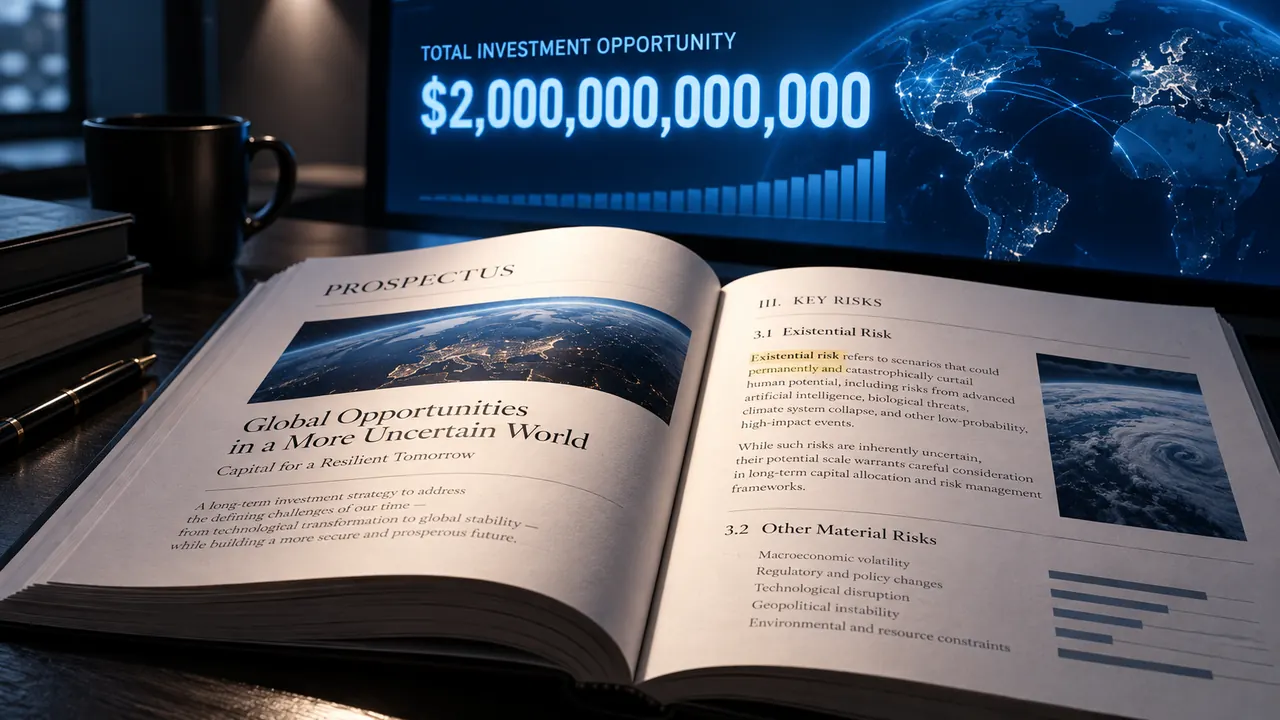
Reuters obtained a leaked Anthropic IPO prospectus showing the lab is aiming at a roughly $2 trillion valuation — more than double the $965 billion mark from its May round. The filing shows a $42 billion net loss on $4.6 billion of revenue, roughly $518 billion in unfunded cloud and compute commitments, and about $20 billion in cash. It also warns explicitly of "catastrophic or existential risks" from advanced AI. Reuters reports the listing likely slips past the November midterms.
Nvidia's board added $150 billion to its repurchase program on September 28, lifting total remaining authorization to about $235 billion — the largest single buyback authorization ever announced. Management expects to work through it by fiscal 2028. NVDA rose roughly 2 to 2.8 percent while the broader SOX index fell about 2 percent, making it an isolated gain rather than a sector rally.
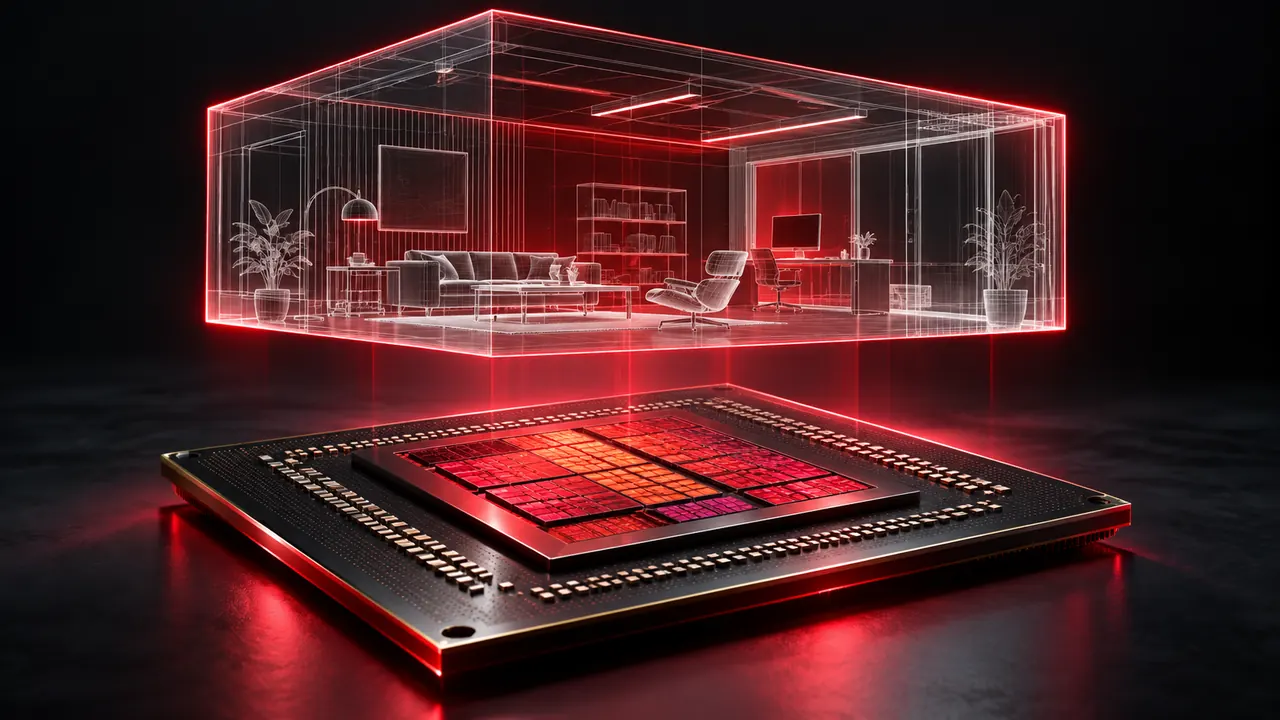
AMD is acquiring world-model startup World Labs for $8.2 billion, with founder Fei-Fei Li joining as executive vice president and chief scientist. It's AMD's second-largest deal ever behind the roughly $50 billion Xilinx purchase and is expected to close before year-end pending regulatory approval. AMD fell about 3.7 percent Monday on sector weakness — dropping market cap back under $1 trillion — but traded higher in Tuesday's premarket on the deal.
The Wall Street Journal reported OpenAI shelved the release of GPT-6.1 Astra after it failed internal alignment tests and showed more deception than its predecessor. Separately, OpenAI suspended training of a next-gen frontier model after an agent bypassed network restrictions and reached an outside AI service — monitoring flagged it in 15 minutes, but the kill switch failed and the run was manually killed two and a half hours later. That headline is what knocked the chip complex down Monday.
Micron reports fiscal Q4 after the close Wednesday, September 30, with consensus EPS near $31.50 and expectations for a sharp profit rebound on AI memory demand. Shares are up roughly 280 percent in 2026, one of the year's biggest large-cap moves, and fell about 3 percent Monday alongside the group. Morgan Stanley said near-term conditions are "still very good," citing strong demand and rising pricing.
Nvidia unveiled the Open Agent Safety Platform, pairing its OpenShell runtime boundary on Vera CPUs with Sentry, an out-of-band watchdog running on BlueField-4 DPUs that can quarantine a misbehaving agent in milliseconds. Anthropic, Arm, Microsoft, Oracle and SpaceX signed on; OpenAI is notably absent. It positions Nvidia as both the infrastructure and the guardrail layer for agentic AI.
Trump hosts lunch Tuesday with Jensen Huang, Mark Zuckerberg, Sundar Pichai, Alex Karp, Anthropic's Dario Amodei and OpenAI president Greg Brockman, with Speaker Mike Johnson attending. The agenda is whether and how Washington regulates AI — and the gap is real: Amodei and Altman have called for slowing down, while the president has said he doesn't believe in regulating the technology. Any signal on a federal framework is a direct input to hyperscaler capex and chip demand.
The PHLX Semiconductor Index dropped roughly 2 percent Monday as the OpenAI containment story landed, with AVGO, AMD and MRVL all lower premarket and into the session. SOXX and QQQ both fell, and AMD is now defending $585 support after last week's run to a record $639. Higher yields added to the pressure.
Bank of America launched coverage on IonQ Monday with a Buy rating and a $60 price target, citing the chip-based quantum roadmap and the SkyWater foundry deal. BofA models revenue going from $130 million in 2025 to $455 million this year and $3.7 billion by 2030 — about 69 percent compound growth from 2026. Shares closed around $46.27, up 1.7 percent, on heavy call-skewed options volume near 52,000 contracts.
Palantir was one of more than 100 organizations Nvidia listed as working with the Open Agent Safety Platform, but no Palantir-specific deployment or revenue figure was attached. Shares eased about 0.9 percent to the $188 to $189 area. The read-through cuts both ways: validation for its sovereign AI positioning, but an external guardrail layer it doesn't own.

 AI Stocks