Nvidia posted fiscal Q3 2027 revenue of $115.8B, up 103% year over year and roughly $6.7B above the ~$109.1B consensus, with GAAP EPS of $2.70 versus about $2.50 expected. Data center came in at $107.6B (+110% y/y), the Vera Rubin NVL72 ramp contributed nearly $20B in its first quarter, and Q4 guidance of $130B ±3% topped the $125.1B consensus — notably assuming zero China data-center compute revenue. The board also confirmed it will not reinstate Jensen Huang; CFO Colette Kress remains interim CEO and said the $500B bookings figure is tracking with "opportunity for more on top." NVDA was up roughly 4% premarket.
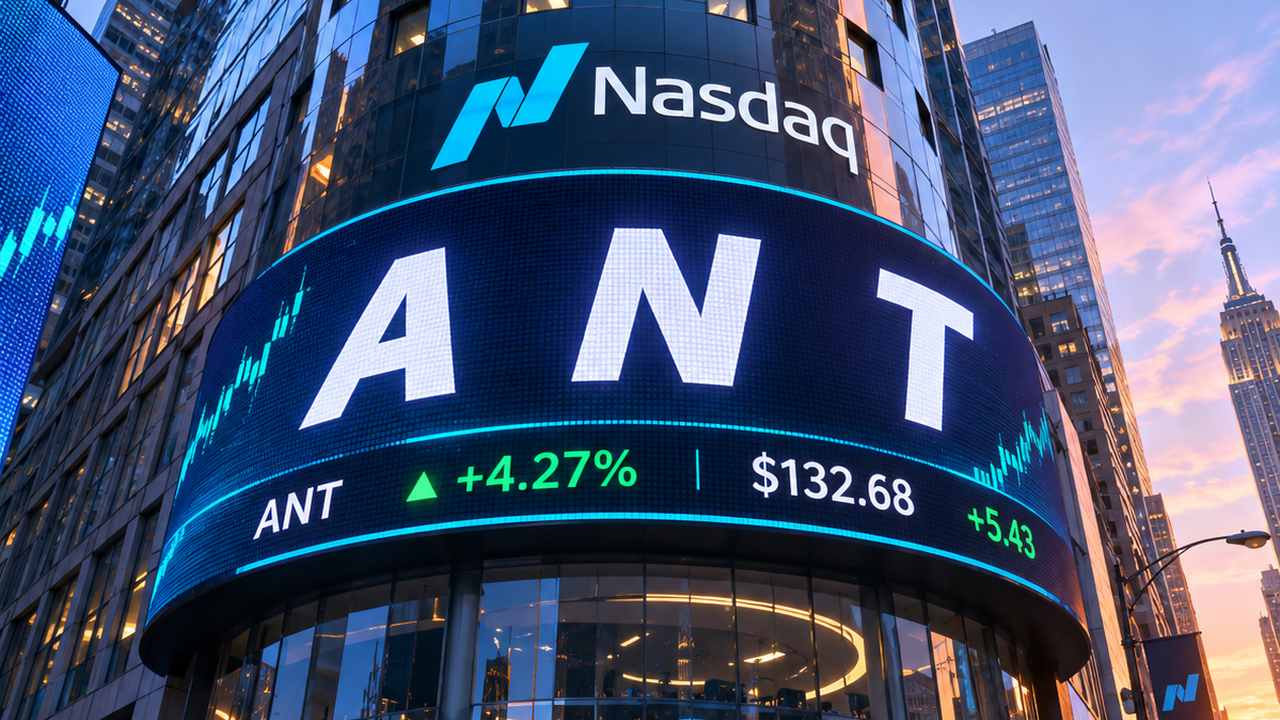
Anthropic is set to price its IPO on or about today, with Nasdaq trading expected tomorrow under ticker ANT. The filed range was $70–$78 for 825 million shares (up to ~$1.4T fully diluted), but reports indicate pricing above $80, which would push the fully diluted valuation toward $1.5–$1.6T. A separate $26B private placement includes Nvidia and Google at ~$10B each, AMD at ~$2.5B, Broadcom, Micron and Microsoft at ~$1B each, and TSMC at ~$500M; combined proceeds are estimated at $84.6B–$93.7B.
Salesforce closed down 9.4% at $194.52, erasing roughly $17B in market value and marking its worst session since 2024. Drivers: funds reportedly making room for the Anthropic deal, plus intensifying fear that AI agents disrupt seat-based subscription software — one investor publicly argued AI companies aim to "destroy Salesforce entirely." The pain was sector-wide, with ServiceNow, Atlassian and Workday off 5.8% to 6.5%. CRM is now down about 26% year to date, and reports surfaced of another round of job cuts.
Premarket: AMD +2% to 3% (also closing its ~$2.9B acquisition of AI inference designer Taalas), Broadcom ~+2%, Micron +3.2% (after +4.7% in after-hours), Western Digital +3.1%, SanDisk +3.6%. Neoclouds ripped harder — CoreWeave +6.2%, Nebius +8.1%, IREN +7.4% — helped by Nvidia disclosing $32B of commitments to neocloud partners through 2032. Dell jumped about 5% as Citi named it a top IT hardware pick ahead of its November 24 report and a record $95B AI server backlog. Context matters: CoreWeave is still down over 18% on the month, Nebius over 37%.
BofA's November Global Fund Manager Survey (Nov 6–12, 169 managers, $461B AUM) showed net tech overweight collapsing to 12% from 37% in October — a 25-point monthly drop, the steepest since June 2006. A record net 38% now say companies are overinvesting in AI, and 52% expect a hyperscaler to announce a capex cut within six months. Michael Hartnett's read: investors want the brakes applied to AI spending.
Commerce issued an interim rule on November 16 requiring data center operators in Singapore, Malaysia, Thailand, Indonesia and Brazil to obtain US licenses before advanced American AI chips reach certain customers — explicitly aimed at closing the offshore-compute loophole. Nvidia has reportedly begun warning chip buyers of legal exposure tied to providing China-accessible compute. The rule follows the Megaspeed entity-list reporting and is one reason Nvidia's Q4 guide carries no China data-center compute at all.
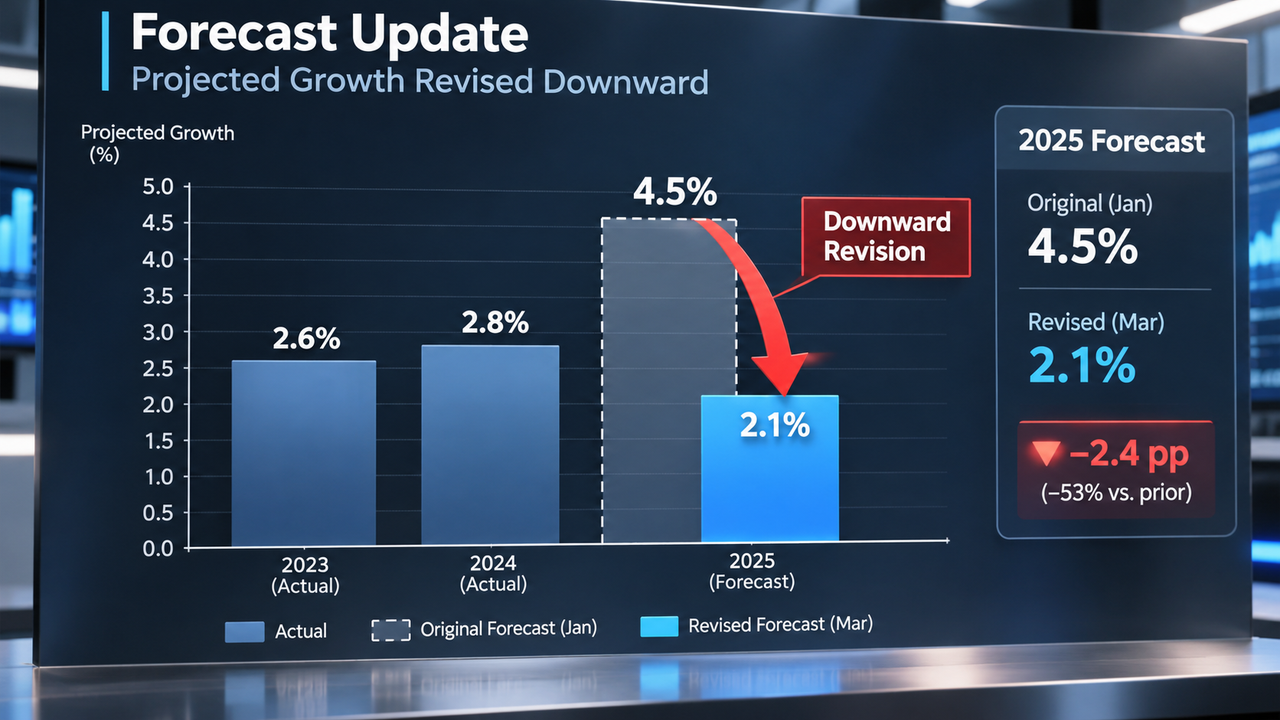
SemiAnalysis cut its 2028 global AI-accelerator spending estimate from roughly $1.054T to $758B, with 2029 and 2030 reduced by about 41% and 40% respectively. The firm attributes most of the cut to price deflation rather than unit collapse, alongside slower revenue growth at frontier labs and tighter debt and equity financing. Nvidia absorbs the majority of the downside — one analyst pegs its share of the cut at roughly 66% — while Broadcom's custom-silicon mix looks comparatively resilient.
Wedbush raised its target to $293 from $275 (Outperform) and JPMorgan went to $230 from $215 (Overweight). Cutting the other way: Jefferies to $250 from $300 (still Buy, citing CEO-transition uncertainty) and Morgan Stanley to $260 from $267 (Overweight). Mizuho reiterated Outperform at $220, Susquehanna Positive at $275. Consensus target sits near $262 across 36 analysts, and the recurring analyst question isn't demand — it's "who and what comes next" in the corner office.
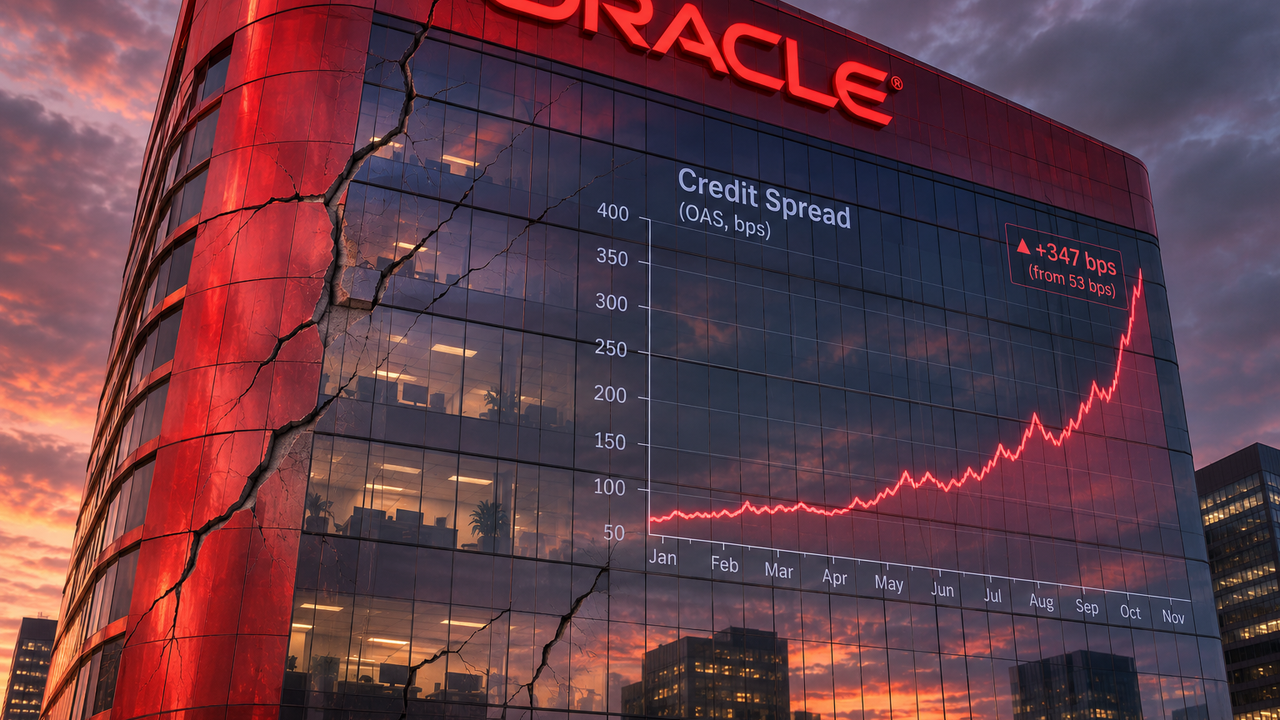
Oracle fell about 4% as its five-year credit default swaps hit record levels near 316 basis points, a direct market verdict on its debt-funded buildout. Microsoft declined to renew its 2023 AI compute lease with Oracle Cloud Infrastructure and has begun switching off that capacity, which ran older-generation Nvidia GPUs. Oracle says demand is strong and that it is re-leasing freed hardware at roughly a 20% premium, while Microsoft continues committing $80B-plus to third-party capacity at CoreWeave, Nscale and Nebius. Michael Burry's disclosed bearish positions against Oracle and Palantir remain part of the narrative.
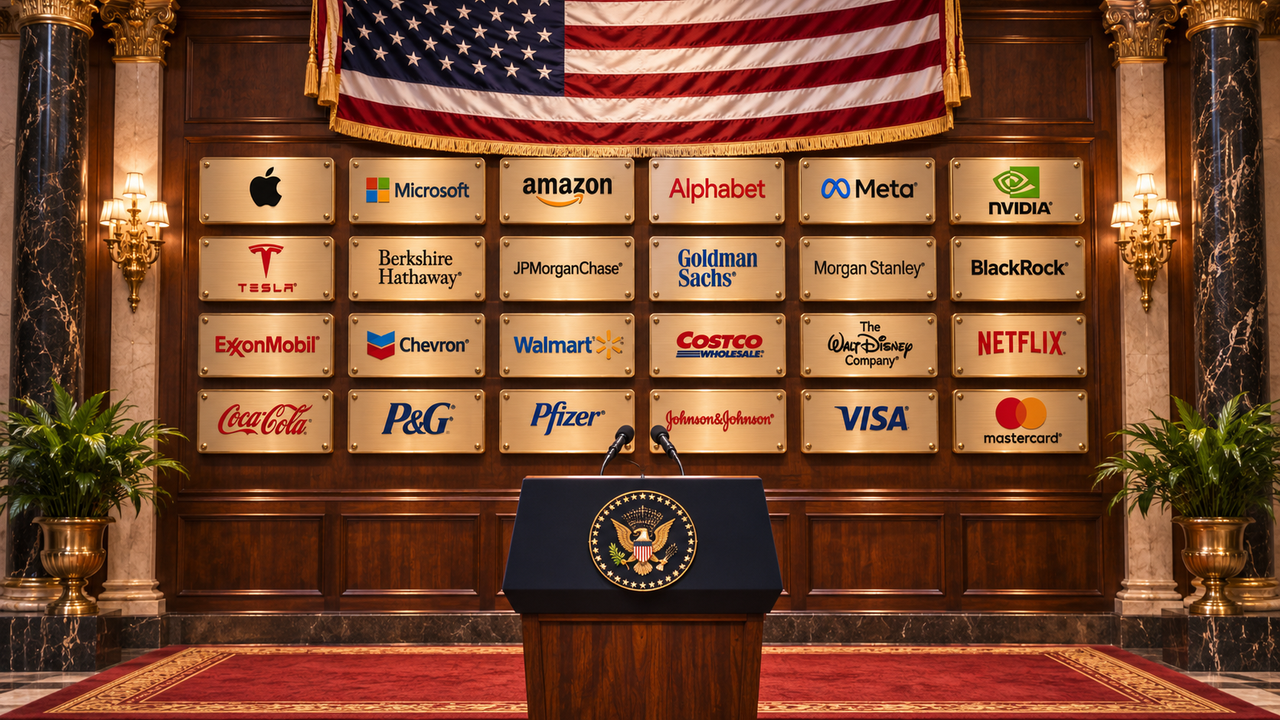
Commerce Secretary Howard Lutnick is expected to designate more than two dozen US AI companies as "national champions," reportedly including Nvidia, Microsoft, Amazon, OpenAI and Anthropic. The designation carries expedited export-license approval for chips and related technology, US government backing in overseas negotiations, and access to federal financing. The aim is to win foreign adoption of the American AI stack — hardware, data, models, security and applications — as a counter to Chinese technology.

 AI Stocks