Marvell confirmed it's acquiring data-center optics maker Lumentum at a $115 billion enterprise value, one of the largest deals of 2026. Lumentum holders get a fixed 4.500 Marvell shares each, implying roughly $1,132 per share, with Marvell shareholders retaining about 67% of the combined company. The market is not applauding the price — MRVL was down about 10% premarket and LITE slipped roughly 8.6% as the stock-based consideration repriced.
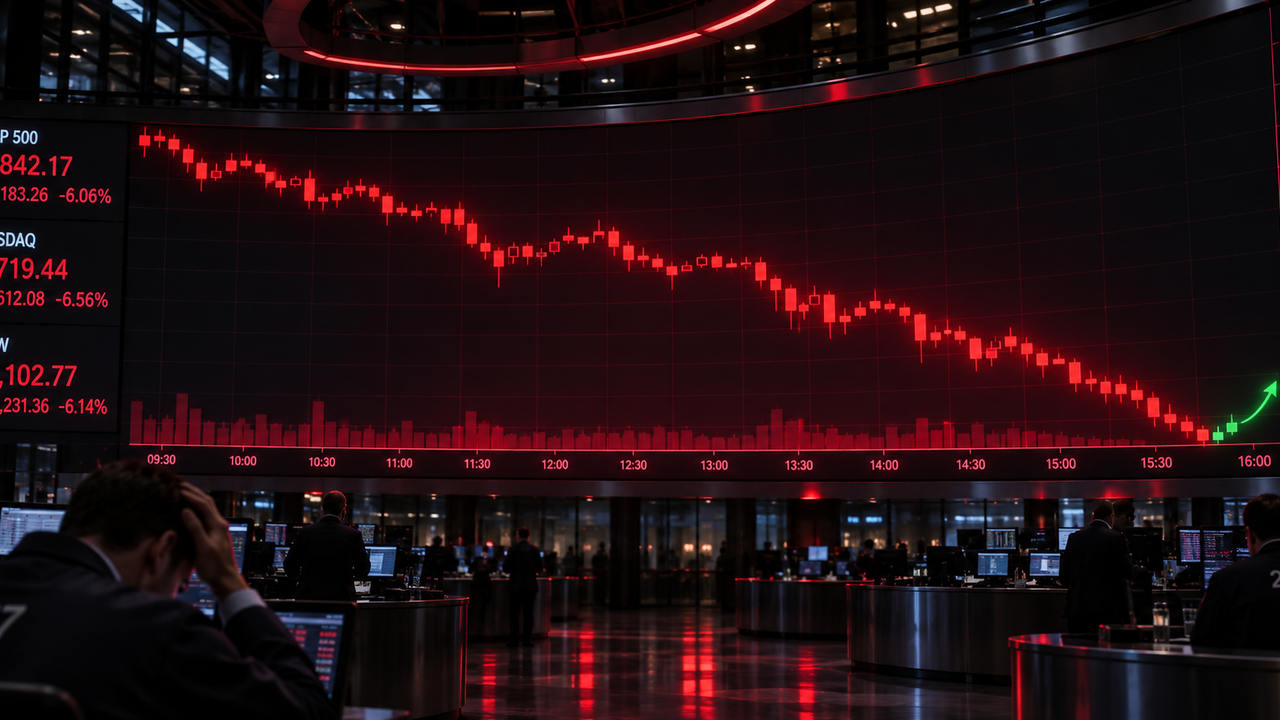
Roughly 47 AI and chip names have shed about $5 trillion in market cap since October 6, with Nvidia and Alphabet each down around $834 billion and TSMC off about $395 billion. The Nasdaq-100 is officially in correction territory after Wall Street's worst week in months. This morning is a reflex rally: Nasdaq-100 futures up about 0.85%, S&P futures up roughly 0.5%, helped by crude dropping near 4% on U.S.–Iran diplomacy hopes.
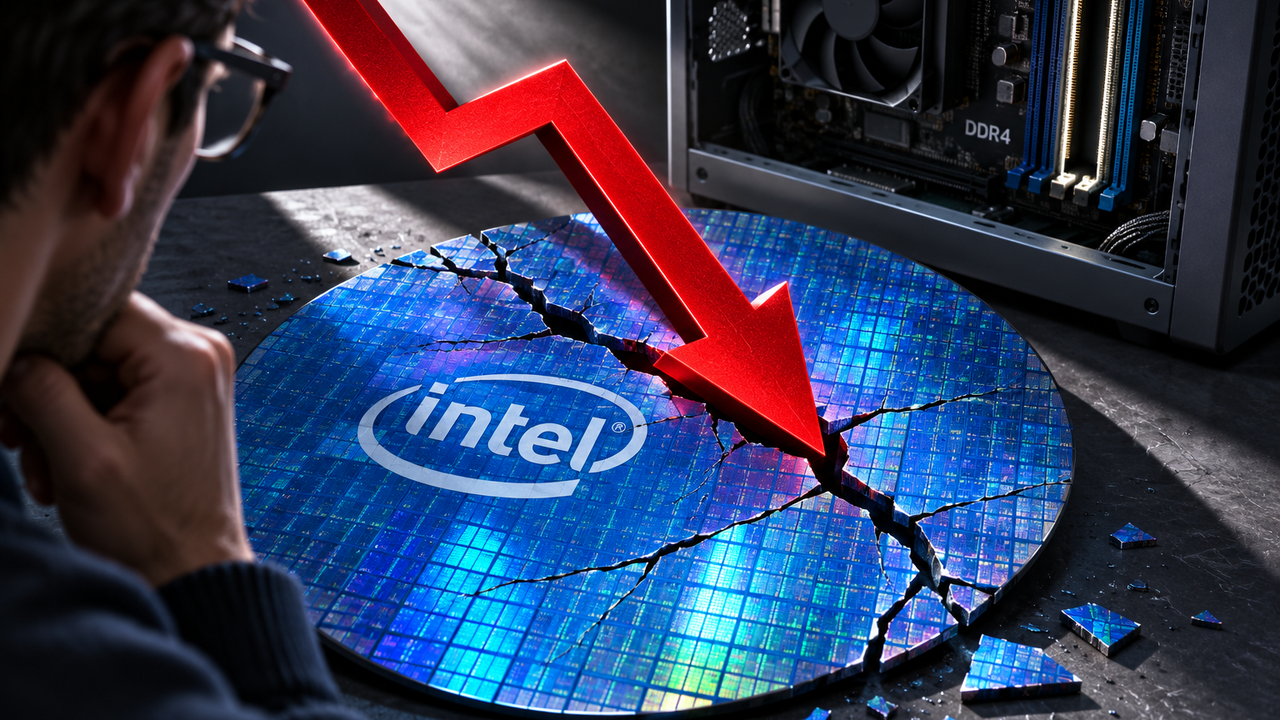
Despite Q3 revenue up 21% to $16.5 billion, Intel guided Q4 to $15–16 billion versus $17.1 billion consensus and EPS of $0.25 against $0.43 expected — triggering a 28.6% drop Friday, its worst day since 1974. CEO Lip-Bu Tan blamed an "unprecedented memory crunch," now forecasting the PC market shrinking 12% in 2026 and another 10% in 2027, with suppliers telling him there's "no relief until 2028." Barclays cut its target to $75 from $100, and INTC remained under pressure premarket.
Consensus has revenue up 84.7% year over year to about $2.18 billion and adjusted EPS of $0.41, roughly double last quarter's $0.21, off company guidance of $2.160–2.164 billion. Full-year guidance stands at $8.150–8.158 billion with U.S. commercial revenue above $3.424 billion, a growth rate of at least 134%. PLTR traded down about 6.3% premarket — the bar is high after last quarter's record 93% growth.
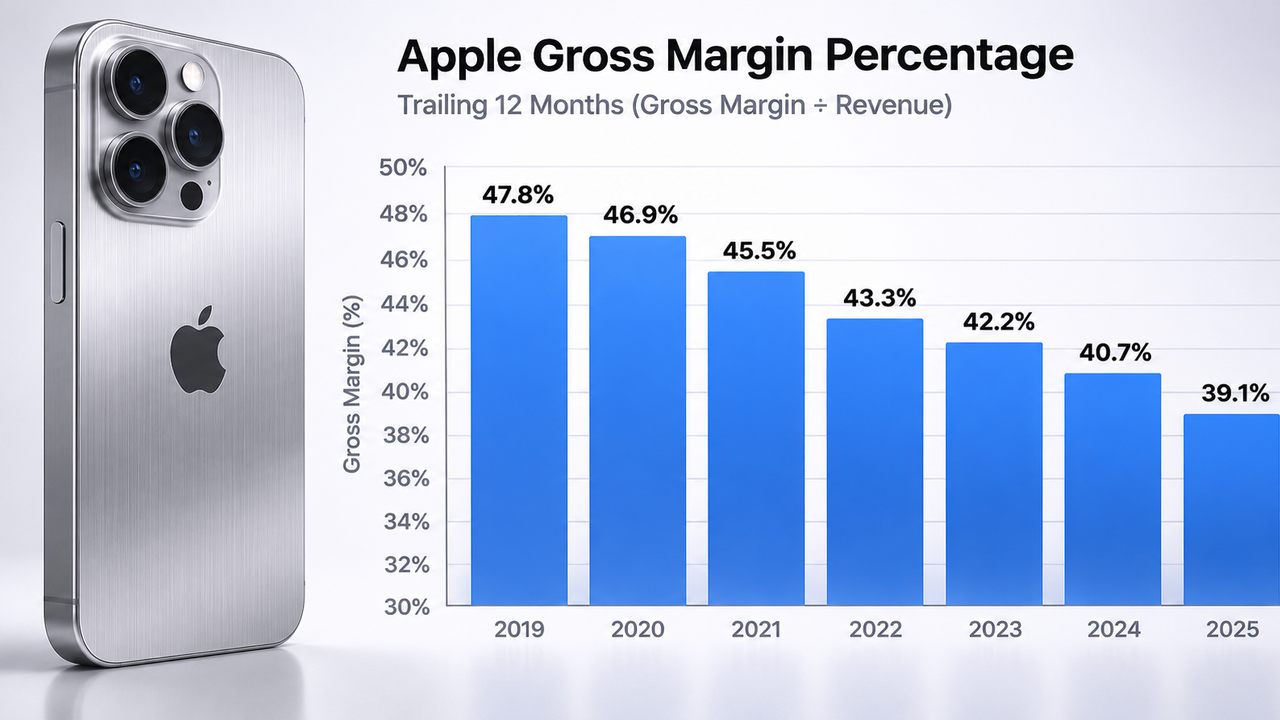
Street looks for revenue up 10.6% to $113.4 billion and EPS of $1.99, up 7.6%. The quarter closed September 26, so launch-week iPhone 18 Pro sales are in but the iPhone Duo, which went on sale October 23, is not. Watch gross margin against the 47%–48% guide — down from 50.1% in June — and the December-quarter outlook, which absorbs both Duo demand and surging memory costs.
Amazon's Q3 revenue rose 12% to $201.9 billion with AWS up 39.3% to about $46 billion, its fastest in nearly five years, and operating income of $28.1 billion. But EPS came in at $1.89 against roughly $1.96 expected, and single-quarter capex hit $77.3 billion versus about $58.7 billion consensus, pushing trailing free cash flow to negative $42.4 billion. Full-year capex stays near $220 billion.
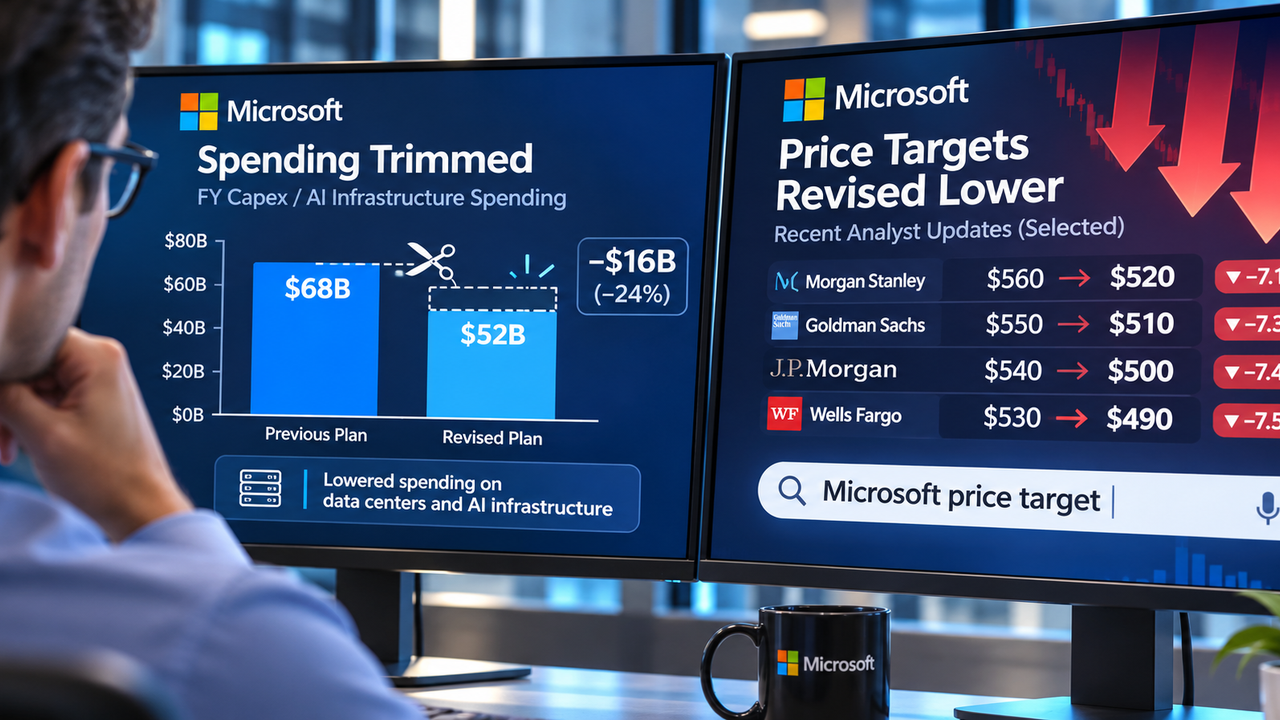
CFO Amy Hood cut fiscal-2026 capex guidance to about $170 billion from $175 billion, citing third-party GPU-as-a-service delays pushing capacity into the first half of 2027 — a timing shift, not a demand cut, but chip stocks read it as the latter. On Alphabet, Wells Fargo trimmed its target to $365 from $371, UBS went to $332, and BMO to $425, pointing to Search revenue of $63.4 billion versus $64.9 billion expected and margin pressure from AI compute.
Anthropic filed its S-1 on October 26 for a Nasdaq listing under the ticker ANT, targeting as soon as mid-November, including up to $3.5 billion from Japanese investors. Investor marks have slid to roughly $1.5 trillion from about $2 trillion a week earlier. Meanwhile OpenAI trimmed its private round to $20 billion from $30 billion at a $1.25 trillion valuation, down from $1.4 trillion, with some investors waiting to see where ANT prints. Neither is publicly traded yet.
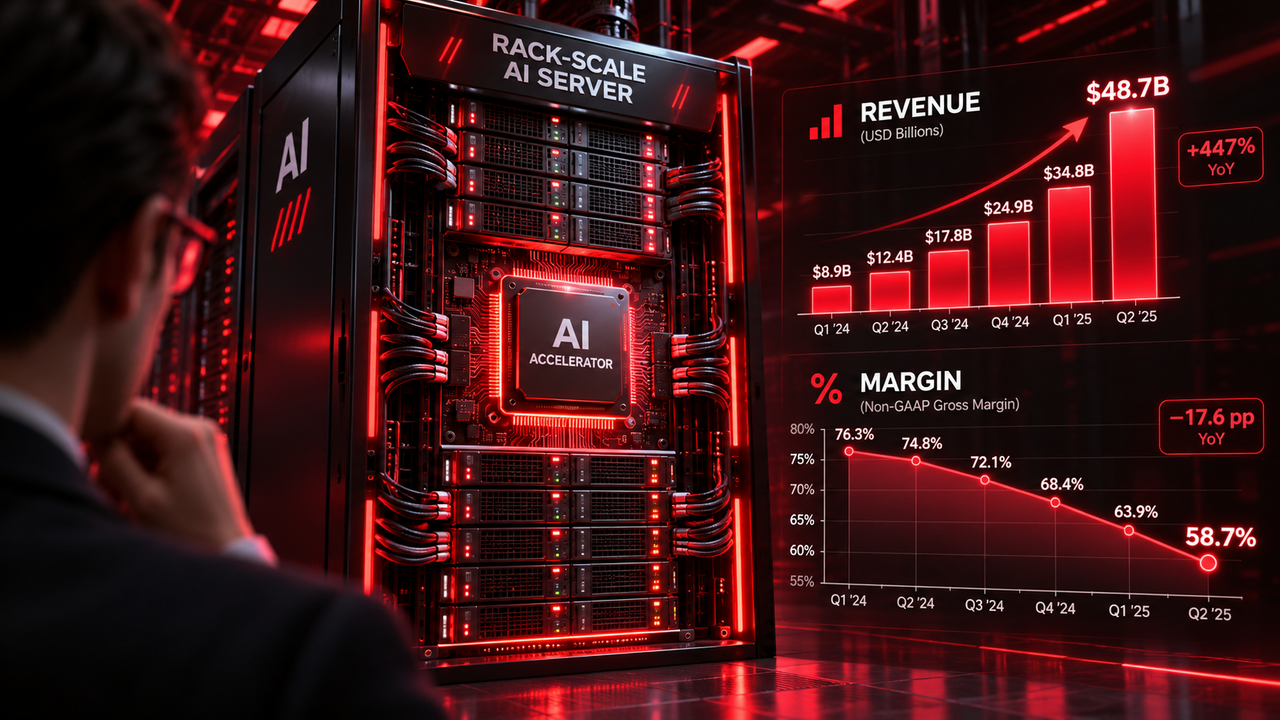
AMD reports after the close Tuesday, November 3, with consensus at $13.07 billion in revenue, up about 41% year over year, and EPS of $1.95, up 62.5%. Data Center is now north of 58% of revenue on Turin and Venice EPYC plus MI350 and MI450 Instinct. CFO Jean Hu has flagged that the MI450 and Helios rack ramp could push gross margin slightly below the 56% guided for Q3. AMD rose premarket after sliding roughly 11% Friday.
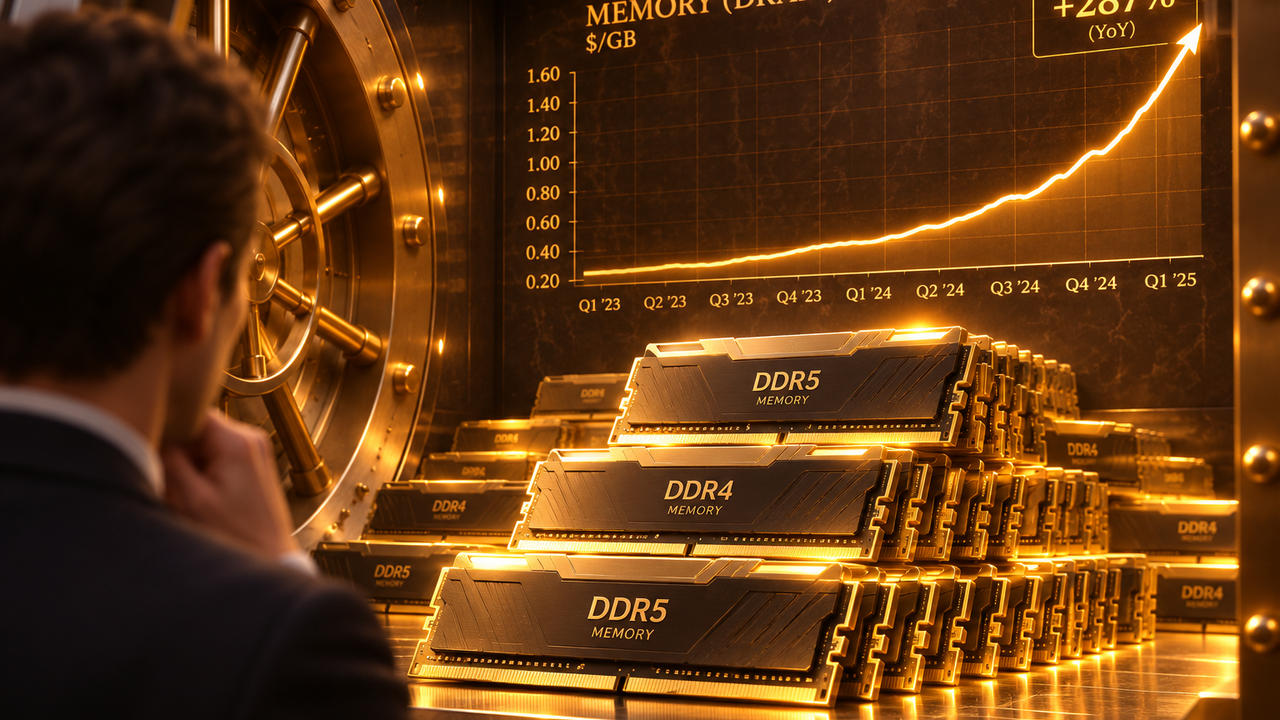
DRAM prices have roughly doubled in 2026, with Q1 contract pricing up 90%–95% quarter over quarter as Samsung, SK Hynix and Micron push capacity toward high-margin HBM. SK Hynix told investors on its October call that DRAM, NAND and HBM are essentially sold out for all of 2026. The three vendors control about 90% of DRAM and effectively all HBM; Micron's conventional DRAM ASP is modeled up 54% to $1.06, with the stock recently near $884.

 AI Stocks