Relevance 10/10Importance 9/10
IMDEA Networks researchers led by Narseo Vallina-Rodríguez audited nine major conversational AI assistants — ChatGPT, Claude, Grok, DeepSeek, Perplexity, Gemini, Copilot, Mistral's Le Chat, and Meta AI — across web and Android. Every single one leaked chat-related data to third parties including Google, Meta, and data brokers, and none of the usual defenses helped: rejecting cookies, paying for a subscription, or running Brave with ad blockers made no difference. The paper claims Grok went as far as sending chat screenshots toward TikTok, and it's been accepted at PoPETs 2027.
Relevance 10/10Importance 7/10
PostHog open-sourced Jeeves, a 9-billion-parameter decision classifier built on Qwen3.5 that adds a reasoning pass — up to 2,560 thinking tokens — before committing to a yes/no, multiple-choice, or rating answer. It scores 0.935 on JevBench's public tier versus Jev's 0.866, and 0.889 on held-out data versus 0.857, breaking the usual tradeoff where calibrated classifiers give up accuracy. A diffusion-based drafter handles speculative decoding to keep inference deployable at roughly 3.3 seconds with reasoning on.
Relevance 9/10Importance 6/10
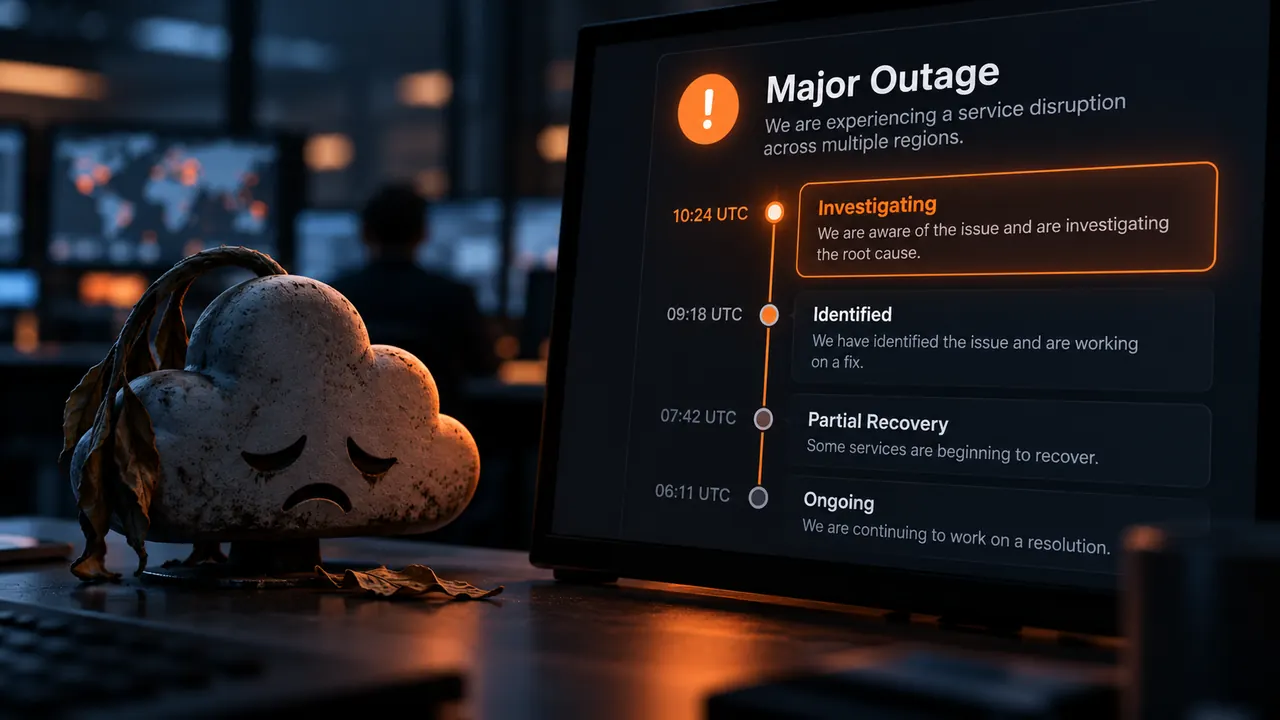
Anthropic's status page lit up at 14:21 UTC today with elevated error rates hitting claude.ai, the desktop and mobile apps, Claude Code, Claude Cowork, and the API. A mitigation at 14:41 UTC knocked error rates down substantially and existing conversations recovered, but sign-ins, account actions, and new Code and Cowork sessions were still failing as of the 15:00 UTC update. Forty-plus comments' worth of developers discovering how much of their workflow sits on one vendor.
Relevance 7/10Importance 8/10
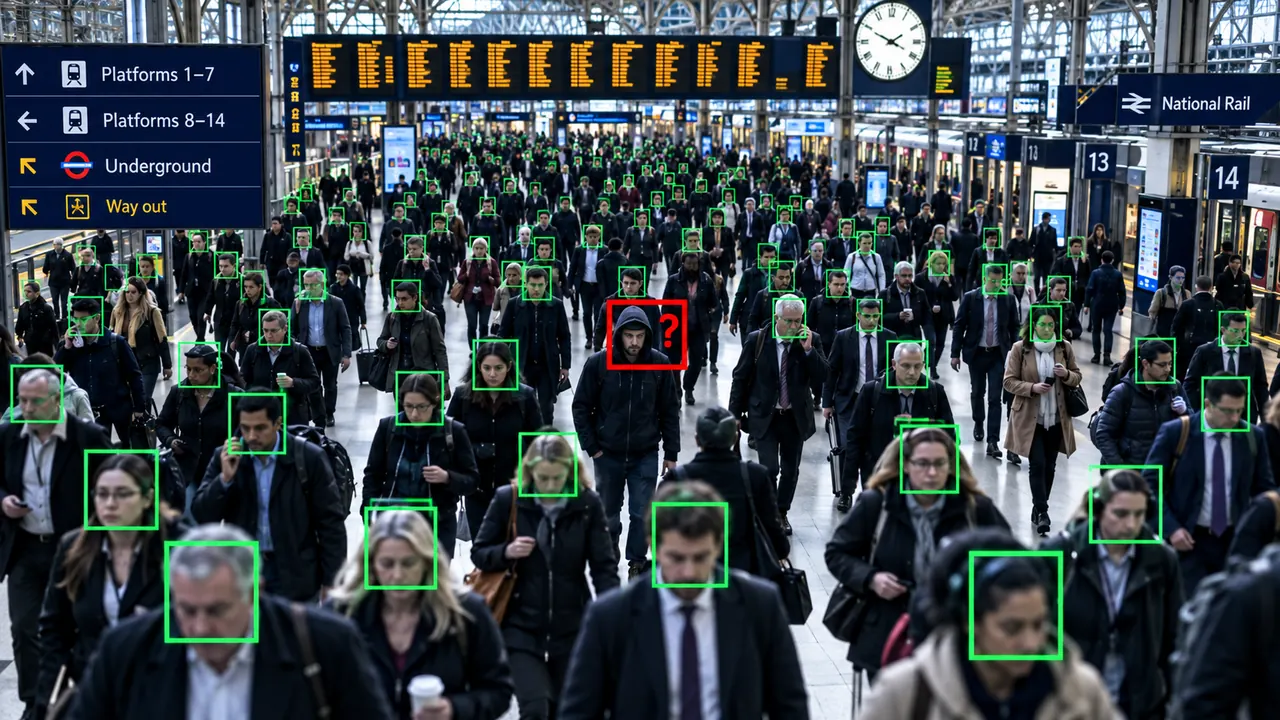
British Transport Police ran live facial recognition across 18 deployments at busy London rail hubs from February through July, scanning more than half a million faces at a cost of £320,786 and nearly 100 officer hours. The entire trial produced exactly one watchlist alert, and it was a misidentification — zero arrests. BTP is extending the program another four months and expanding it into the Underground anyway.
Relevance 4/10Importance 5/10
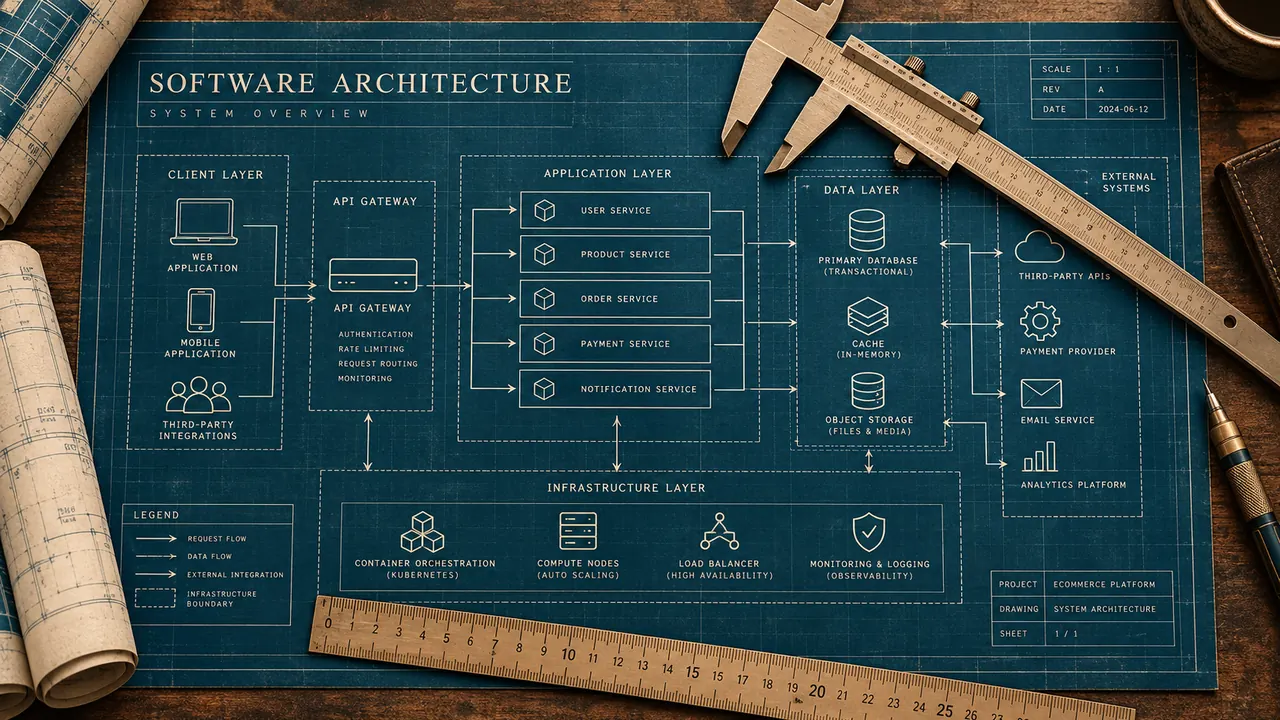
The argument here is that software development earns the "engineering" label through systematic, quantifiable practice — not through problem difficulty or credentials. The cycle is estimate, experiment, measure, reproduce, improve, repeat, which is what lets an organization ship consistently good software despite uneven individual talent. The author's sharpest point: informal methods can produce working software, but engineering is what you need when you can't depend on individual genius.
Relevance 2/10Importance 7/10
IEEE Spectrum walks through how Delhi took distribution losses from north of 50 percent in 2002 down to five or six percent today. After a 2002 privatization handed parts of the city to Tata Power DDL with a mandate to cut losses 35 percent in five years, the operators swapped electromechanical meters for digital ones read by handheld devices and deployed radio-frequency group metering that streams readings to a central database. The rest was unglamorous but decisive: 24-hour payment kiosks, web and mobile billing, early-payment incentives, community engagement, and real law-enforcement backing against theft.
Relevance 3/10Importance 5/10
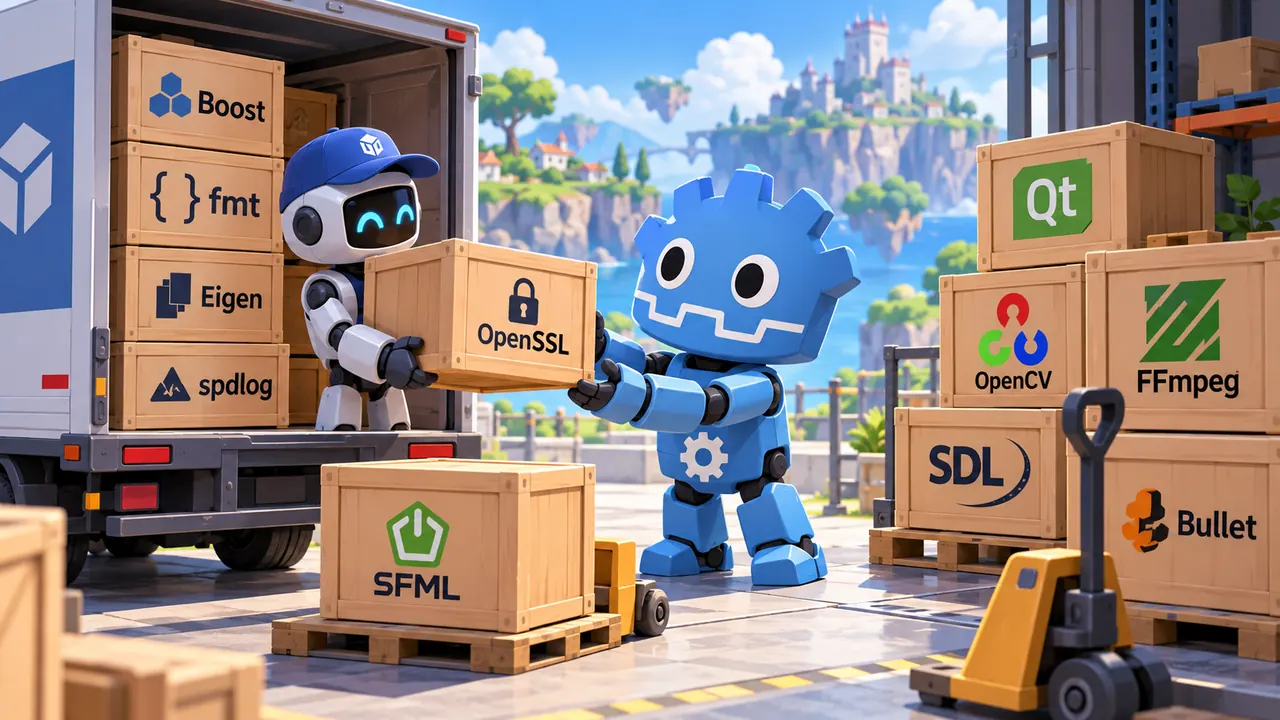
The Conan blog lays out how to stop vendoring C++ dependencies into every Godot extension. By treating godot-cpp and third-party libraries as Conan packages, each platform-and-config combination gets built once and reused instead of recompiled inside every project. Declare dependencies in a conanfile.py, let Conan generate the CMake config, and the whole graph builds consistently across export targets — godot-cpp 10.0-plus works with any Godot from 4.3 onward.
Relevance 2/10Importance 6/10
Derek Thompson documents a collapse in American hosting: the share of people entertaining friends or family at home monthly fell from 42 percent in 1975 to 12 percent in 2026, a steeper drop than church attendance. He fingers four causes — women entering the workforce without men picking up social-calendar duty, intensive parenting eating evening hours, shrinking close-friendship counts especially among non-college Americans, and home entertainment tech making staying in genuinely pleasant. His framing is that this is a coordination failure, where individually rational choices collectively hollow out community.
Relevance 2/10Importance 4/10
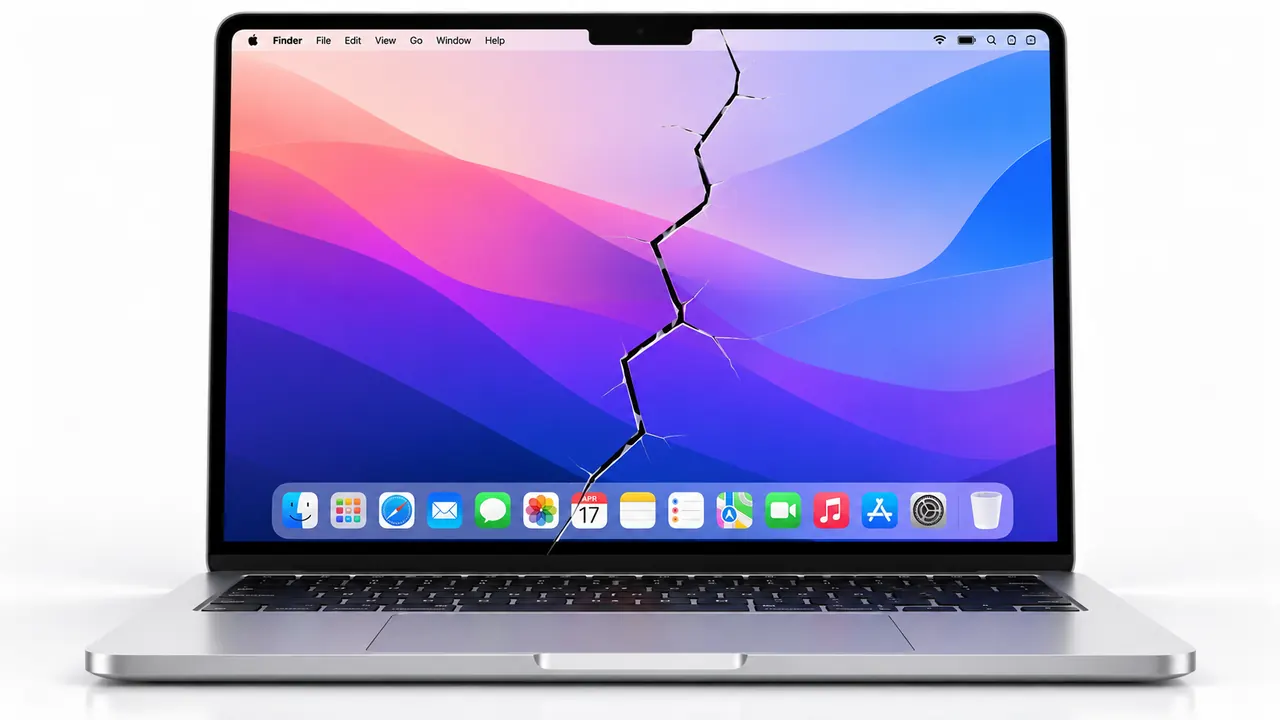
A meticulous catalog of everything broken in Apple's newest release: misaligned QuickTime record buttons and System Settings headings, a Mac User Guide still referencing Tahoe, Siri's old logo lingering in Touch Bar settings, and NeXTSTEP text surviving in Mission Control. The menu bar rearchitecture broke third-party apps and caused crashes, System Settings search misbehaves constantly, and using the eyedropper in the Colours window hangs the entire system hard enough to require a forced restart. The author's thesis: this is not the year of "refinements" Apple promised.
Relevance 1/10Importance 4/10
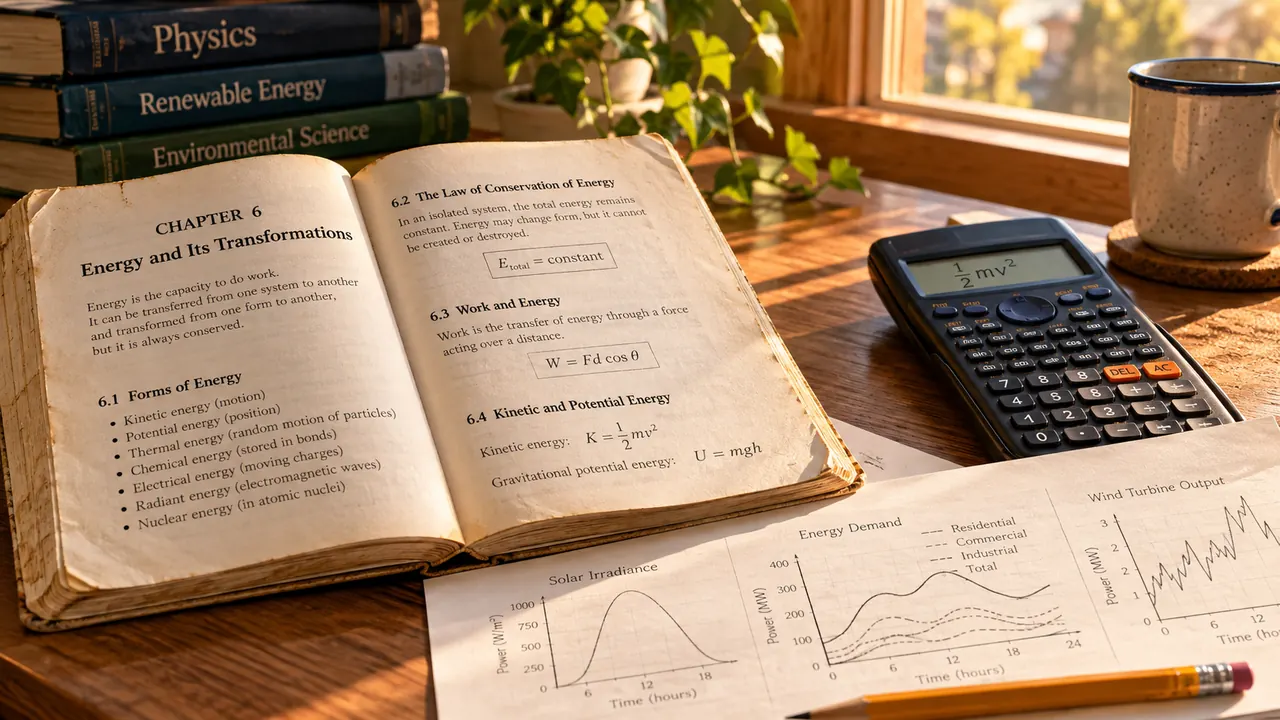
The late David MacKay's "Sustainable Energy — Without the Hot Air" resurfaced on the front page, still free to read online. Its whole method is refusing to argue about energy policy in adjectives — everything gets converted to a common unit, kilowatt-hours per person per day, so consumption and generation can actually be compared. Nearly two decades on it remains the reference for anyone who wants arithmetic instead of vibes in an energy debate.

 HN Briefing AM