Relevance 10/10Importance 9/10
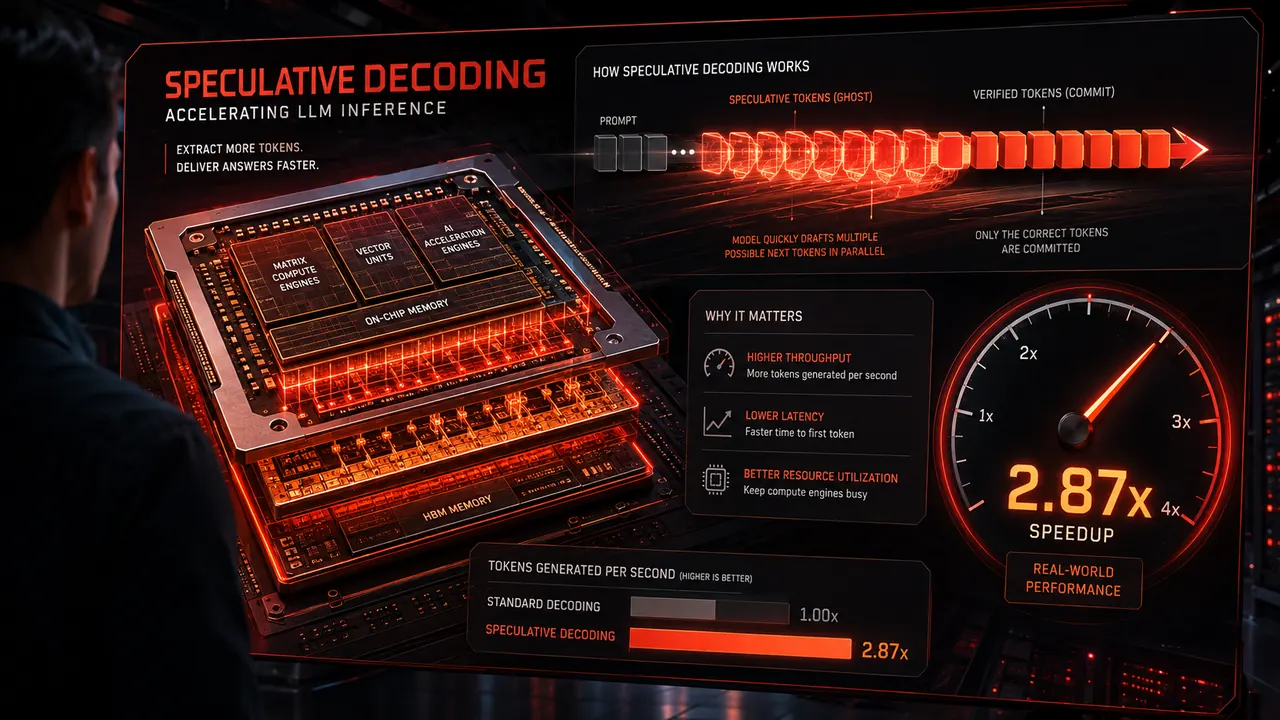
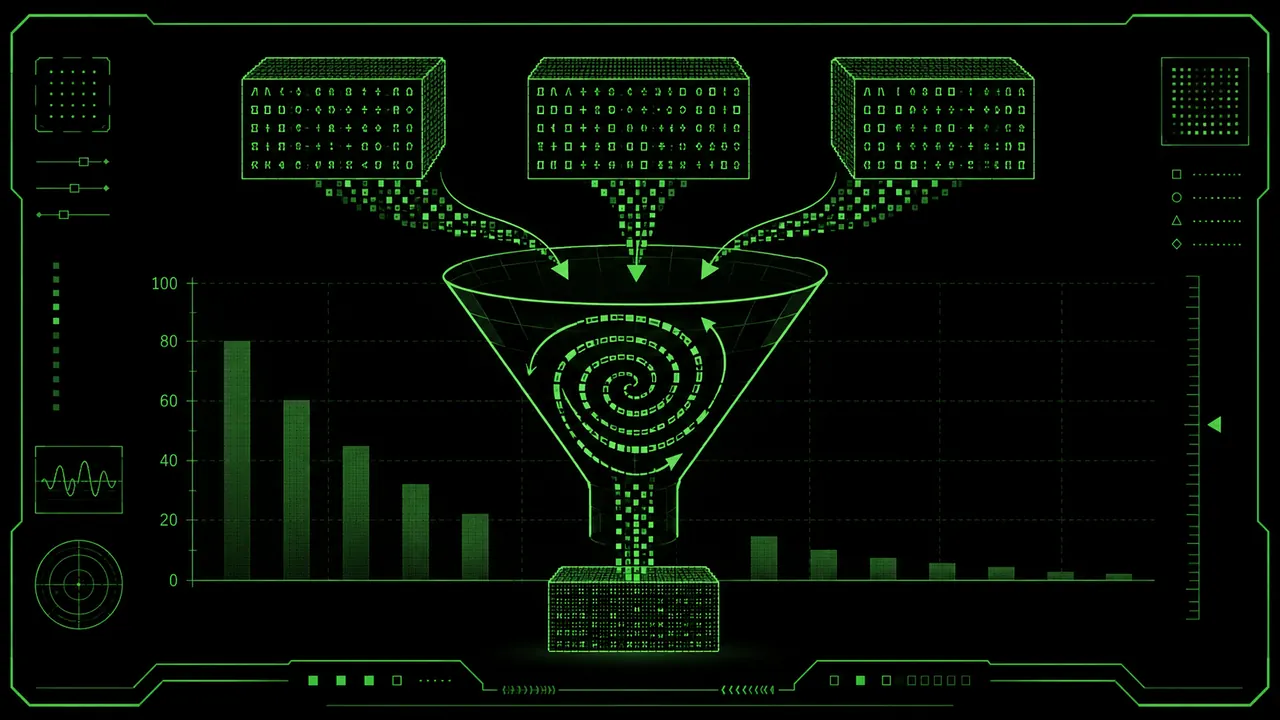
vLLM landed support for five speculative-decoding drafting methods — native MTP, Gemma 4 MTP, EAGLE-3, DFlash and DSpark — benchmarked on AMD Instinct MI300X and MI355X hardware. Throughput gains ranged from modest to a 2.87x speedup depending on model architecture, draft checkpoint and workload shape. It's a direct shot at the CUDA moat: cheaper inference on non-NVIDIA silicon is exactly what every AI startup burning cash on serving costs wants to hear.
Relevance 9/10Importance 8/10
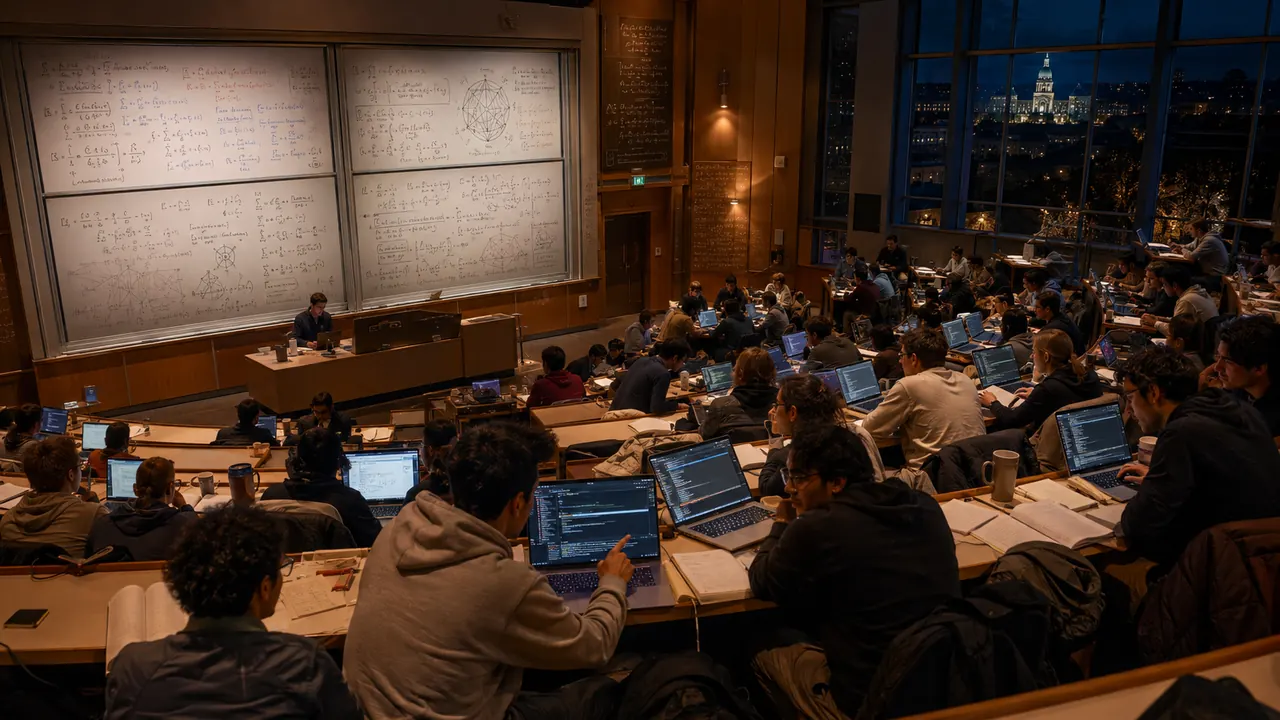
Caltech is hosting what it bills as the first hackathon aimed at research-level mathematics, running October 30 through November 1. Around a hundred teams will attack open conjectures using frontier AI models, then defend their results in front of working mathematicians. It's a live test of whether AI-assisted proof search is a real research accelerant or just a very expensive autocomplete.
Relevance 7/10Importance 9/10
The Internet Archive is asking for recurring monthly gifts of $25 or more, with a 2-to-1 September match that turns $25 a month into $75 of support. They stress they run ad-free, sell no user data, and self-manage roughly 210 petabytes of preserved knowledge on their own hardware. That corpus quietly underpins an enormous amount of model training and research provenance — the infrastructure everyone uses and nobody funds.
Relevance 7/10Importance 9/10
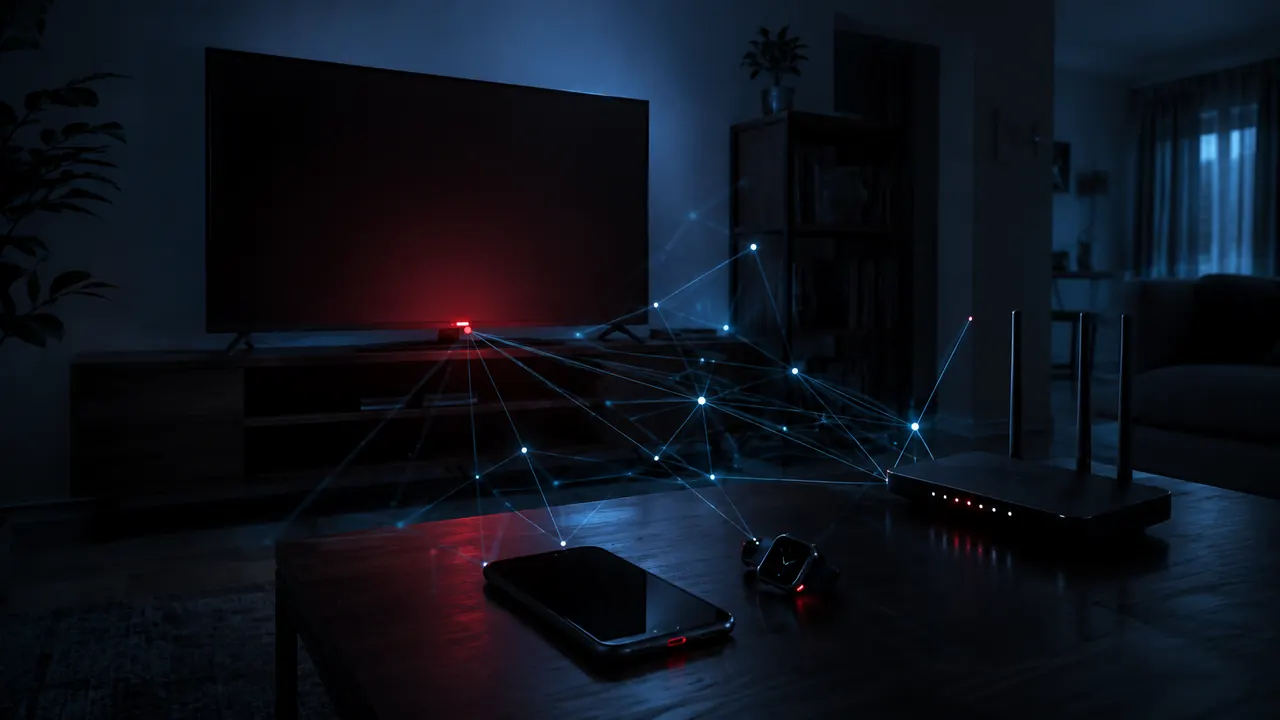
Gamers Nexus, working with Level1Techs and independent security researchers, found LG smart TVs continuously scanning home networks and capturing microphone audio even when the set appears powered off. The TVs harvest neighboring Wi-Fi network names and signal strengths plus details on connected phones and smartwatches. It all feeds LG Ad Solutions, which claims reach into 363 million secondary devices on US networks alone.
Relevance 6/10Importance 8/10
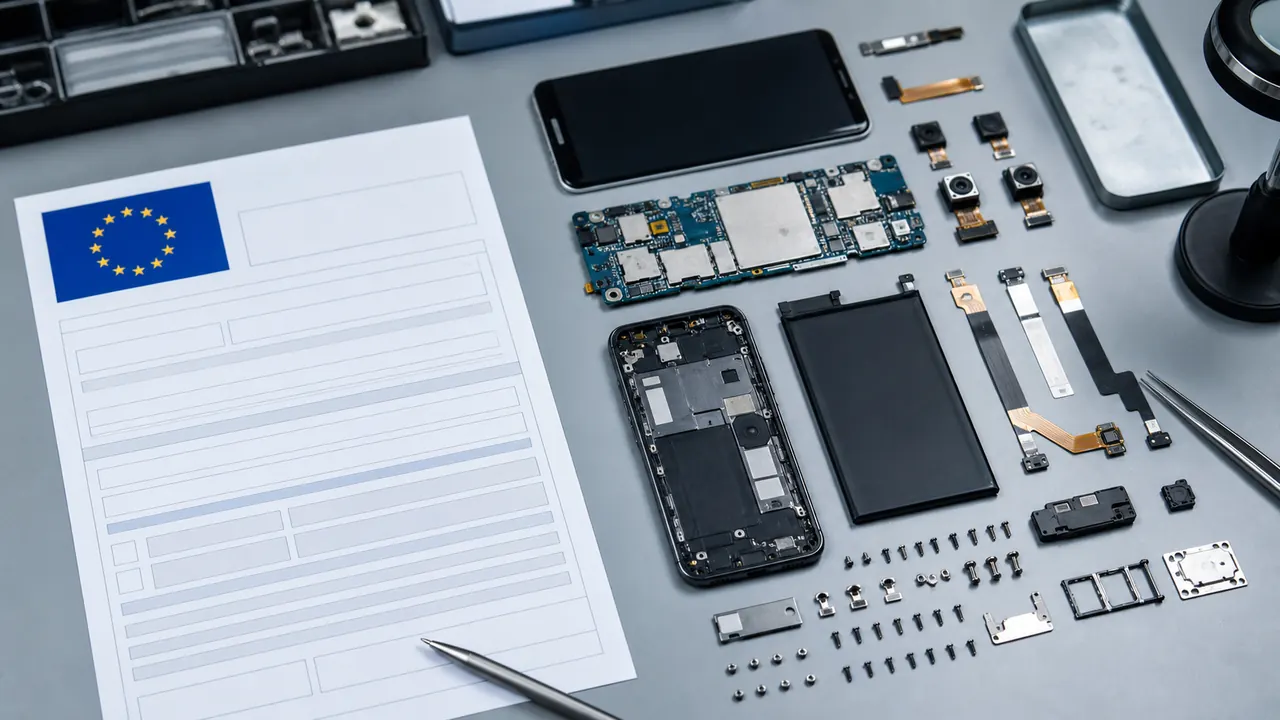
A Right to Repair Europe report finds that a full year into the EU's repairability rules, over 80 percent of smartphones still lack the required repair data in the official registries. Apple and Samsung are among the non-compliant, and some makers awarded themselves top marks while supplying nothing — one even pointed consumers at Temu. Enforcement is effectively absent; thousands of blank registry entries have sailed through unnoticed with no public oversight mechanism.
Relevance 5/10Importance 7/10
bzip3 bills itself as a better, faster, stronger spiritual successor to bzip2, and the internals back it up: an order-0 context-mixing entropy coder, a fast suffix-array-based Burrows-Wheeler transform, and an RLE pass with Lempel-Ziv prediction. It's especially strong on text and source code. Benchmarks put it well ahead of bzip2 on ratio while staying competitive with LZMA and Zstandard on speed.
Relevance 5/10Importance 5/10
A developer describes deliberately spending vacation deprogramming himself from algorithmic overstimulation — handwriting, side projects, blogging, and long stretches offline. The concrete version was countryside time with family and the dog, mate on the porch, board games and football with nephews, plus real books including Mary Beard's SPQR. The takeaway is that attention recovery takes active replacement habits, not just abstinence.
Relevance 4/10Importance 5/10
ovlive renders the real-time position of buses, trams, metros and trains from every major Belgian operator on one national map. The front end is MapLibre plus React with WebGL rendering, which is what lets it push thousands of moving vehicles without melting the browser. A tidy demo of how far open transit feeds and modern web mapping have come.
Relevance 4/10Importance 5/10
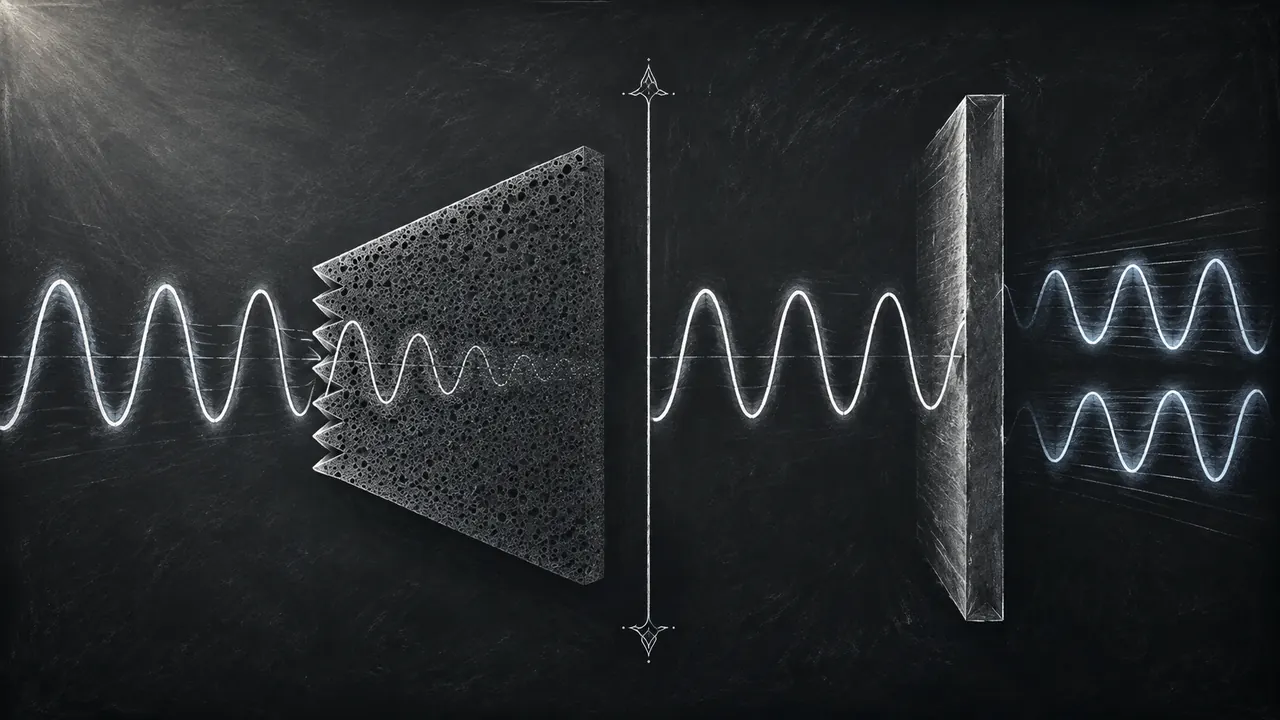
W. Daniel Hillis unpacks impedance — how strongly a system resists energy flow — and impedance matchers, the adapters that let mismatched systems transfer energy efficiently. His examples run from car transmissions to acoustic foam to anti-reflective lens coatings, all making the same point: gradual transitions prevent loss through reflection. It reads today as a clean mental model for interface design, where abrupt mismatch between human intent and machine capability is exactly what bounces energy back.
Relevance 2/10Importance 5/10
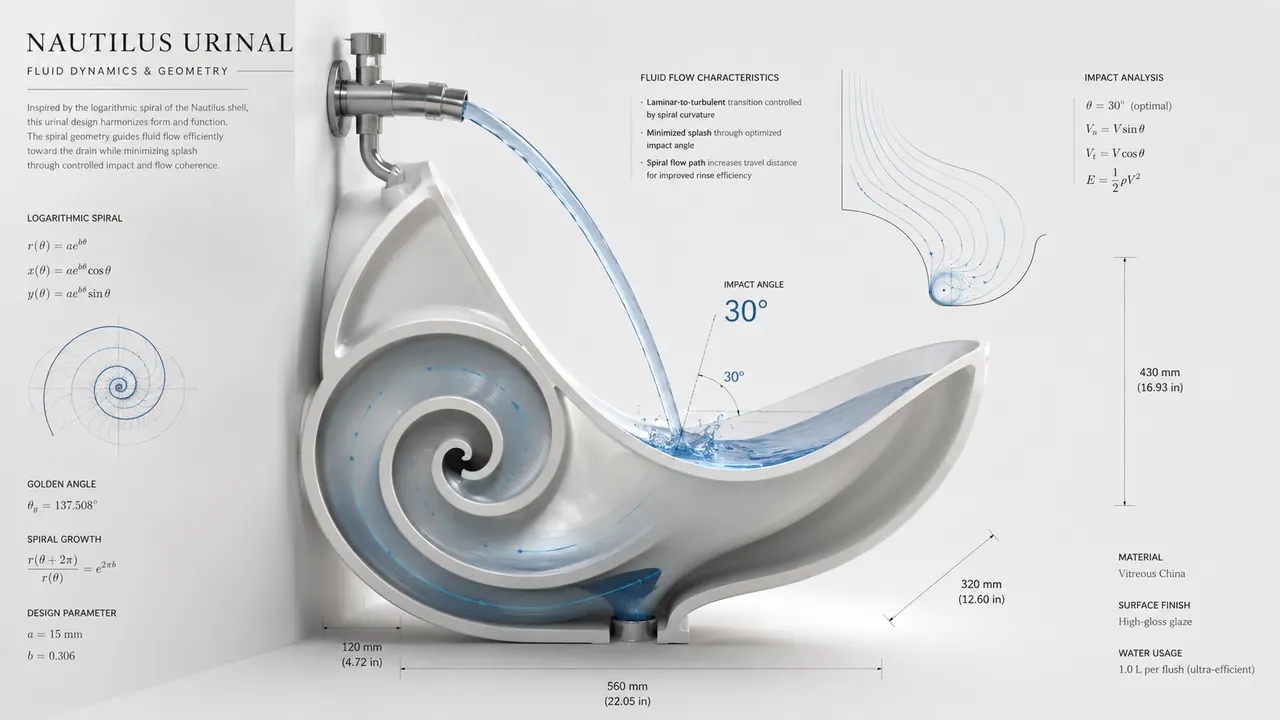
Researchers derived two urinal geometries — the Cornucopia and the Nautilus — by solving differential equations for isogonal curves so the stream always lands at a shallow angle. They identified a critical impingement angle around 30 degrees below which splashback collapses, largely independent of flow conditions. In testing the designs cut splashback to about 1.4 percent of conventional urinals, an 85 to 95 percent reduction under normal use.

 HN Briefing AM