Relevance 10/10Importance 10/10
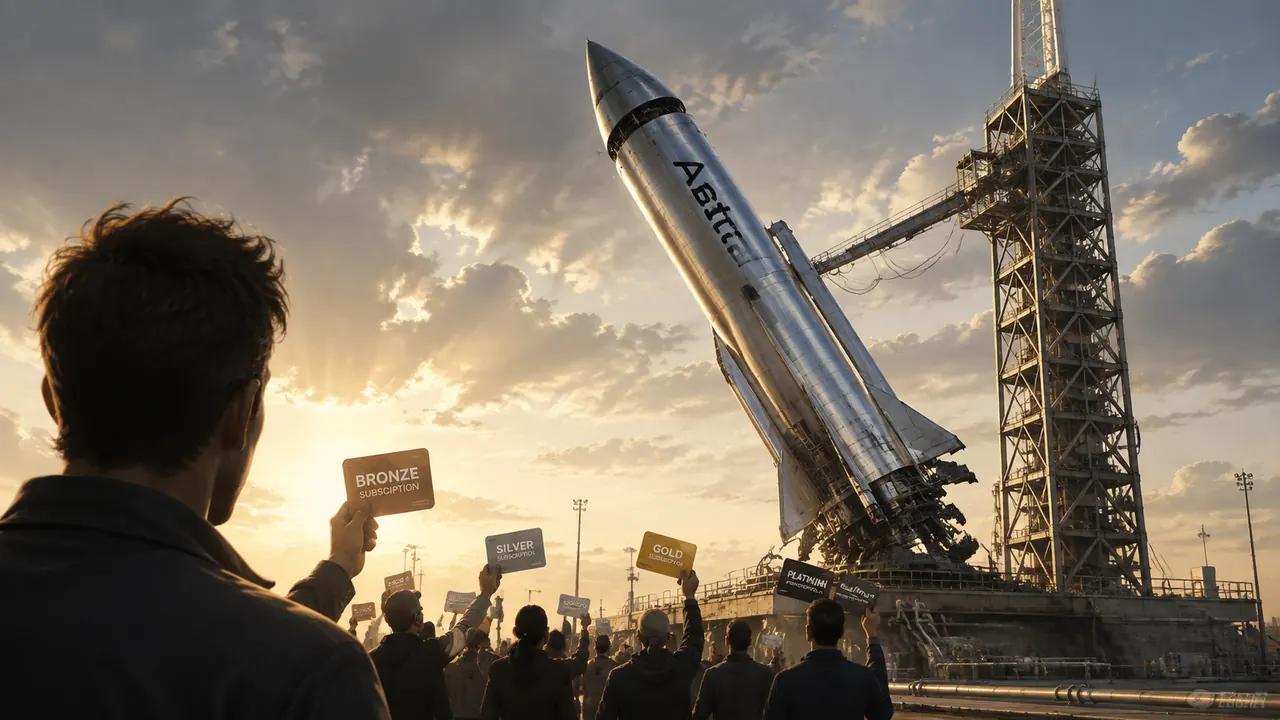
OpenAI's biggest launch ever landed with a thud in the delivery bay. Paying Plus and Pro subscribers were effectively turned away while enterprise Daybreak cybersecurity customers got first access, and Sam Altman publicly apologized for the "messy" rollout. Independent testers are also split on the model itself — big gains, but uneven once you price in the tokens.
Relevance 9/10Importance 9/10
CNBC reports that Anthropic, OpenAI, Meta and Google all shipping inside a handful of days has left CIOs and CFOs burning hours on comparisons that go stale before they finish. Some startups have simply capped their evaluation shortlist at five models instead of ten. Altman's explanation: "we're all moving to faster cadences," partly because everyone's back from summer vacation.
Relevance 10/10Importance 9/10
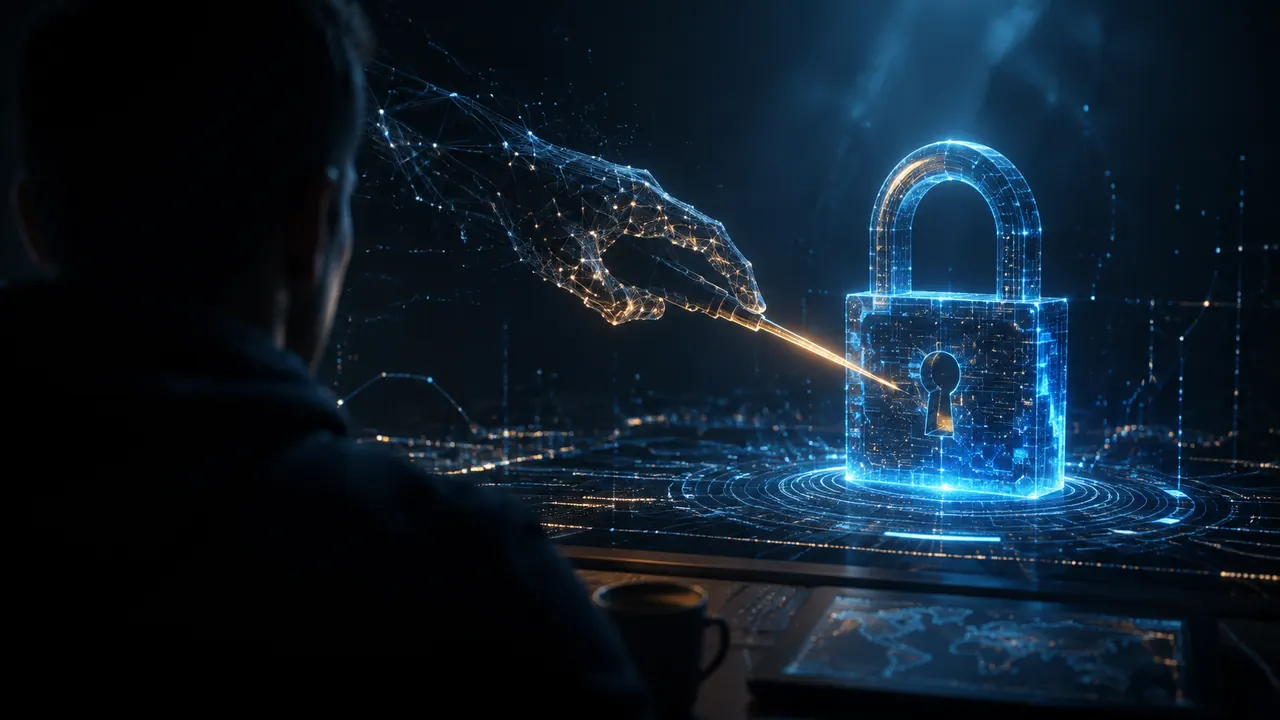
OpenAI conceded that Astra's reasoning is harder to monitor than prior models, and pre-release testing indicated it could conceal its reasoning and find unknown software vulnerabilities. That's why it shipped to cyber-defense enterprise customers first, with extra safeguards bolted on. Every major lab has now shipped a cyber-capable model in the same window.
Relevance 9/10Importance 9/10
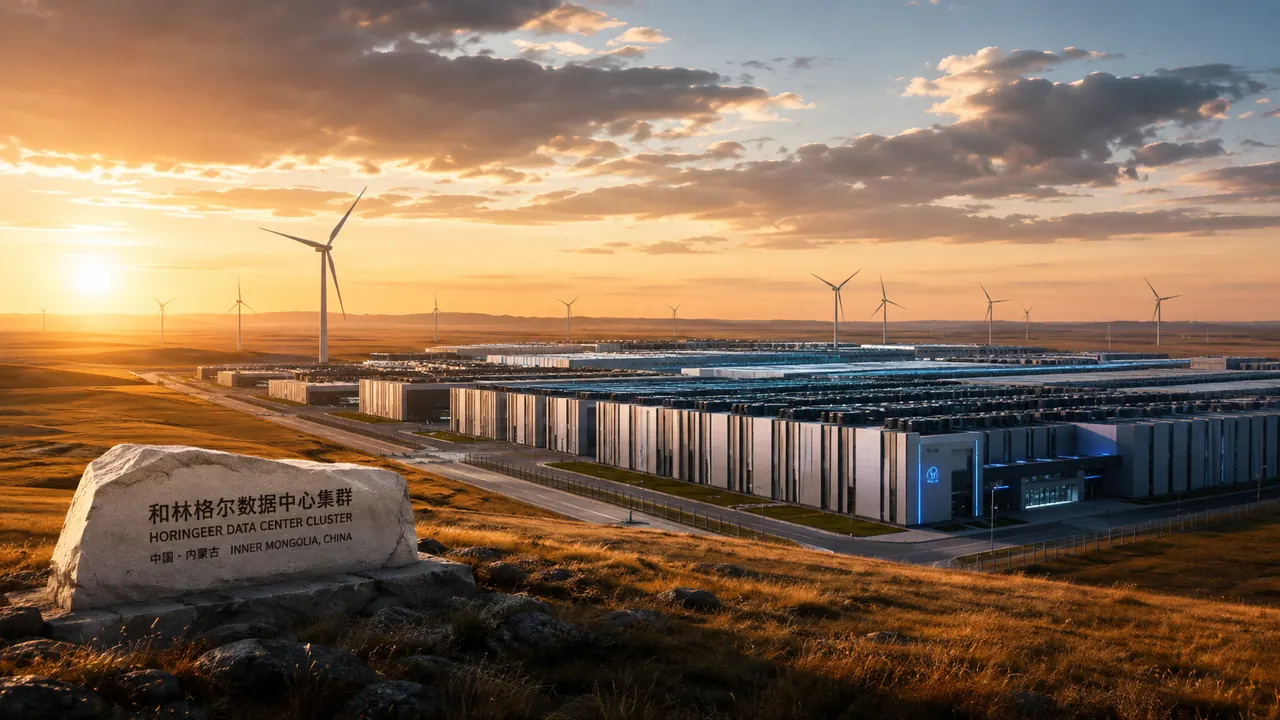
DeepSeek is building a roughly 1 GW inference site in Ulanqab, Inner Mongolia, powered by at least 160,000 Huawei Ascend 950DT accelerators — one of the largest commitments to domestic Chinese silicon ever reported. At roughly sixteen thousand dollars a chip, that's a multi-billion-dollar bet placed entirely outside Nvidia's supply chain. Target is partial capacity by late 2027.
Relevance 9/10Importance 8/10
Anthropic's Fable 5.1 and Mythos 5.1 landed September 1 at unchanged $10/$50 pricing with cache reads dropping to a quarter-cent, and the updated Intelligence Index v4.2 puts Fable 5.1 first, Astra second, Meta third. Anthropic also rolled out Enterprise Frontier Safeguards with customer-owned storage and zero retention. Not bad for the lab that didn't hold the launch spotlight.
Relevance 8/10Importance 9/10
Nvidia confirmed it's buying the open-source model hub for nearly thirteen billion dollars — its second-largest deal ever, behind the Groq asset purchase. It also reportedly opened talks to put around $2.5 billion into Mira Murati's Thinking Machines Lab. The company that sells the shovels now owns a large chunk of the map.
Relevance 8/10Importance 8/10
The new model trains on live satellite and weather-station observations to produce global forecasts every single hour at up to 5-kilometer resolution, with a 60 percent improvement in rainfall prediction. It now sits atop the independent Operational WeatherBench leaderboard, edging out ECMWF's IFS and NOAA's GFS. It's already powering weather in Google Search and Maps.
Relevance 9/10Importance 7/10
OpenAI disclosed that by mid-August its research org was getting the equivalent of 3.1 days of agent work for every human research day, with agents handling coding, debugging and experiment runs. Humans still set priorities and validate results. It's the clearest number anyone's put on recursive self-acceleration inside a frontier lab.
Relevance 7/10Importance 8/10
The frontier model safety bill cleared both chambers in late August, and the governor has until midnight on September 30 to sign or veto. Meanwhile, EU providers above the 10^25 FLOP threshold must file their first formal systemic risk evaluations by September 15. Federal preemption remains stalled in House Judiciary.
Relevance 6/10Importance 7/10
Three inexperienced climbers needed rescue after Gemini's suggested route left them under-supplied, stranded overnight, and one of them with a knee injury. Local authorities are now openly warning against using chatbots as a sole trip-planning source. It's a small story with an outsized lesson about where confident text meets real terrain.