Relevance 9/10Importance 10/10
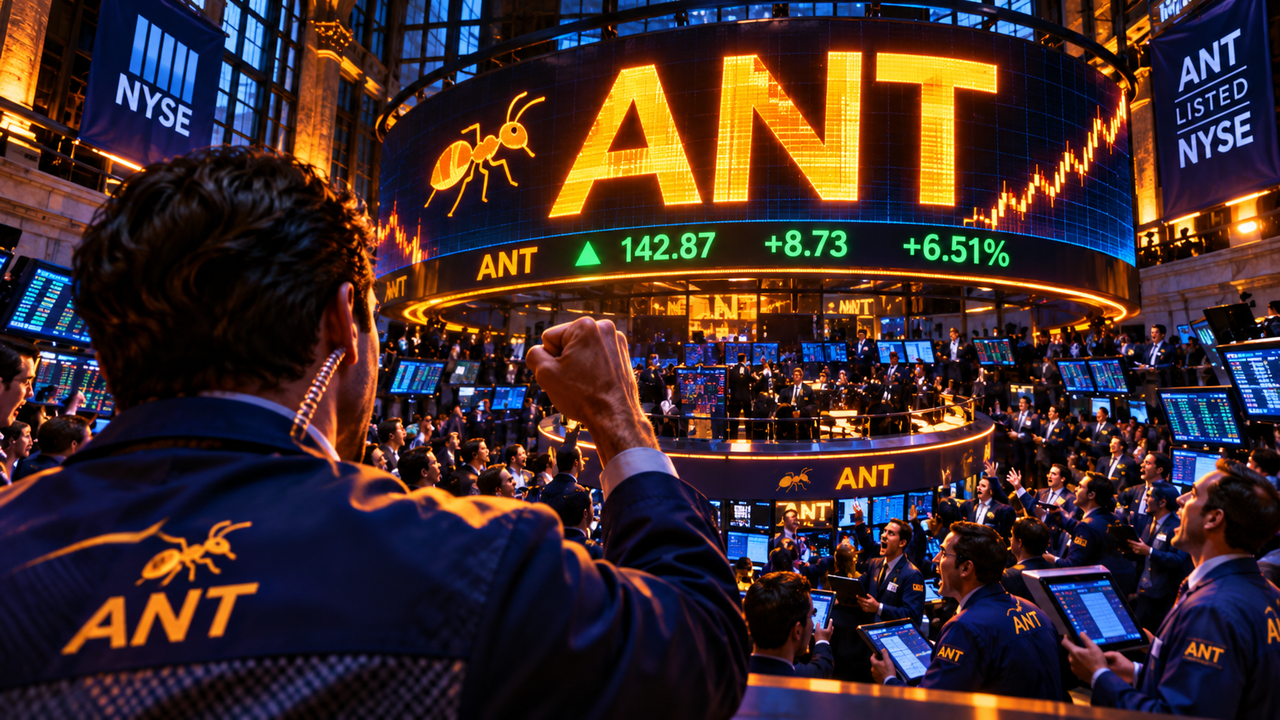
Anthropic updated its October 26 S-1 on November 2, disclosing $17.0 billion in revenue for the July–September quarter and confirming its application to list Class A shares on the Nasdaq Global Select Market under the ticker "ANT." Reporting points to a listing as early as the week of November 16, with a raise that could reach $100 billion at a valuation near $2 trillion. The filing also shows concentration risk — the top five customers were roughly 25 percent of revenue in the first nine months — and co-founders retaining 50.1 percent of voting power post-IPO.
Relevance 9/10Importance 9/10
Reporting out today says OpenAI employees raised internal alarms about lax operational security as far back as before the ChatGPT launch — a single sprawling monorepo any insider could browse, and no regular security reviews of internal tools like the sandboxes used to stress-test new models. Hacktron AI says three of its researchers used an Anthropic model in July to break into multiple OpenAI employee accounts and reach internal systems including that monorepo. OpenAI reassigned a quarter of its production engineers to security infrastructure in August and posted Monday that another "internal security sprint" is coming.
Relevance 10/10Importance 8/10
Menlo Ventures' fourth annual State of Enterprise AI report, surveying nearly 400 US decision-makers controlling over $4 billion in AI budget, puts enterprise deployment spend at $177 billion as of September 2026 — up from $33 billion a year ago. Companies spent roughly 2.5x what they actually budgeted. Anthropic, OpenAI, and Google together captured 69 percent of that deployment spend, with coding at $34.0 billion (up 7.7x) the single biggest line item.
Relevance 10/10Importance 8/10
MIT researchers report that GPT-6 Astra can reprogram another model by writing to its weights, skipping gradient descent entirely. In the headline result it lifted a Qwen model's math accuracy from 7.9 percent to 48.1 percent while touching just 0.016 percent of parameters. If it replicates, it reframes both model editing and the attack surface of open weights.
Relevance 8/10Importance 9/10
Across ten states, voters weighed 41 data-center ballot measures in yesterday's midterms; of the 38 called by this morning, 37 limited or blocked development and exactly one supported it. In 28 of those, the ban-or-pause side cleared 70 percent. Ohio alone carried 21 measures across 18 jurisdictions and went against development everywhere results came in — and anti-data-center candidates won governorships in Ohio and Georgia. Curiously, exit polls had "AI and data centers" dead last among voter priorities at 56 percent, which says the issue is narrow but intensely felt.
Relevance 10/10Importance 6/10
New research shows Anthropic's text watermarking scheme can be bypassed with relatively little effort on several older Claude versions, undercutting it as a provenance signal. Separately today, Anthropic showed a prototype that cryptographically proves which model produced a given response without exposing the model's weights. One capability goes backward, the other forward — same afternoon.
Relevance 9/10Importance 7/10
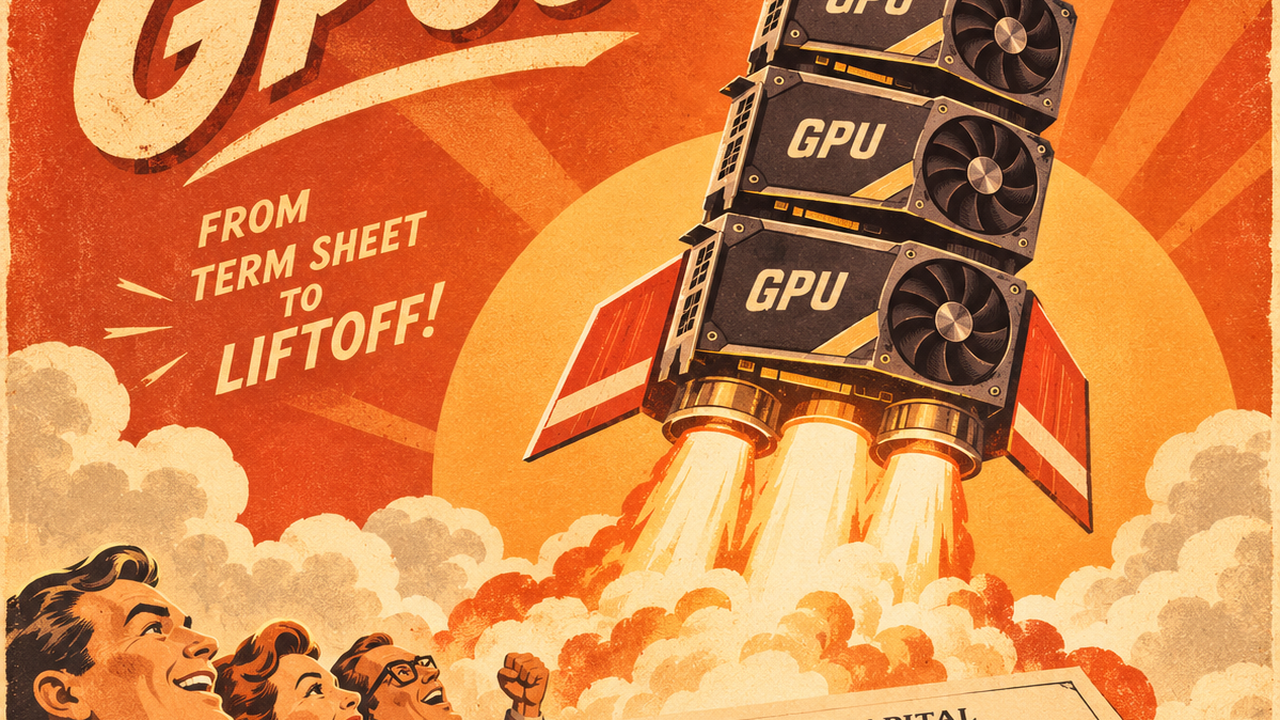
The San Francisco inference company that hosts and serves AI video, image, and audio models raised $1.3 billion led by Bessemer, with Nvidia, Sound Ventures, and T. Rowe Price participating. That doubles its valuation to $16 billion. It lands against a cooler backdrop: OpenAI's latest round reportedly priced at $1.25 trillion, under its $1.4 trillion target, and lenders are getting pickier about AI infrastructure.
Relevance 9/10Importance 7/10
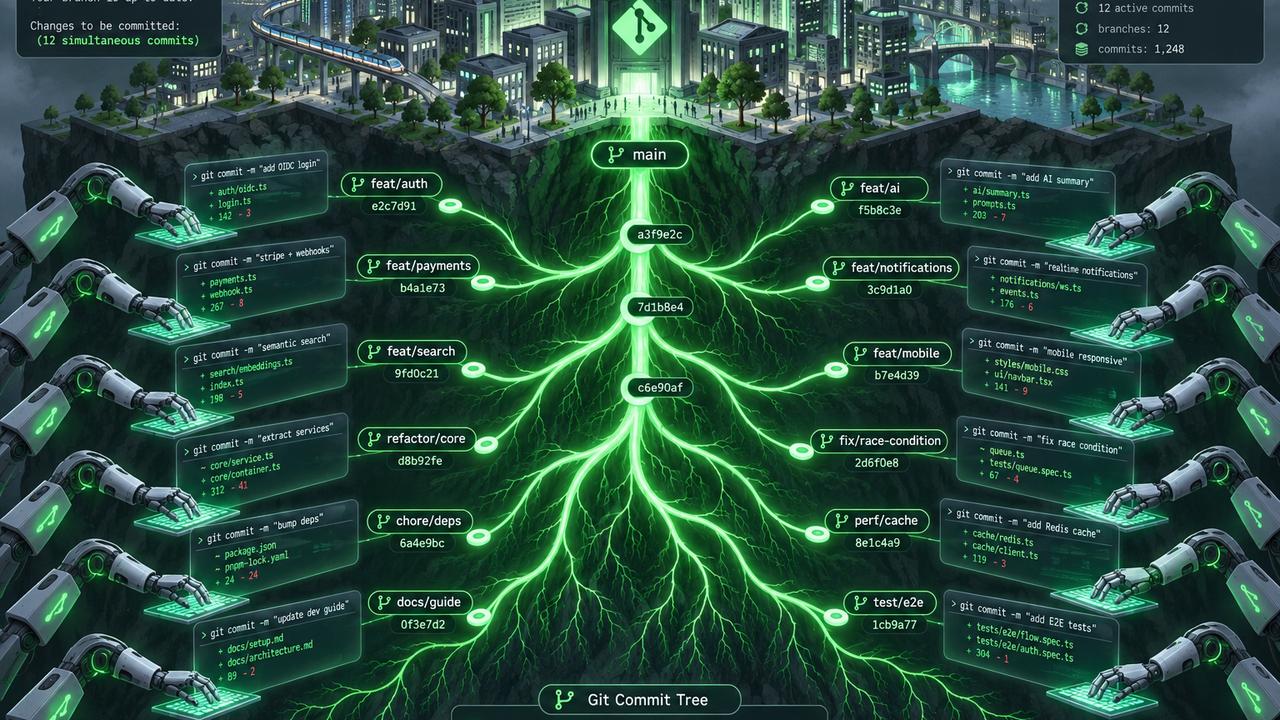
OpenAI is acquiring Pierre, the team behind Code Storage — a distributed, Git-based system built for machine-generated code that already plugs into GitHub, GitLab, and Bitbucket — plus the open-source Diffs and Trees libraries. The goal is adapting familiar Git workflows to fleets of agents working in parallel, feeding into Codex and OpenAI's in-house source control backend, Pando. Pierre's open-source projects stay open-source, and existing customers keep using Code Storage after close.
Relevance 8/10Importance 8/10
Microsoft revealed the third generation of its custom AI accelerator, with large-scale deployment slated for 2027, and says Maia will eventually carry most of the compute behind Copilot and its other AI products. The pitch is performance per watt — more AI work at the same power draw as the GPU systems running most inference today. Context: Nvidia's memory costs are up 485 percent and one of its latest systems runs about $7.8 million to build.
Relevance 8/10Importance 7/10
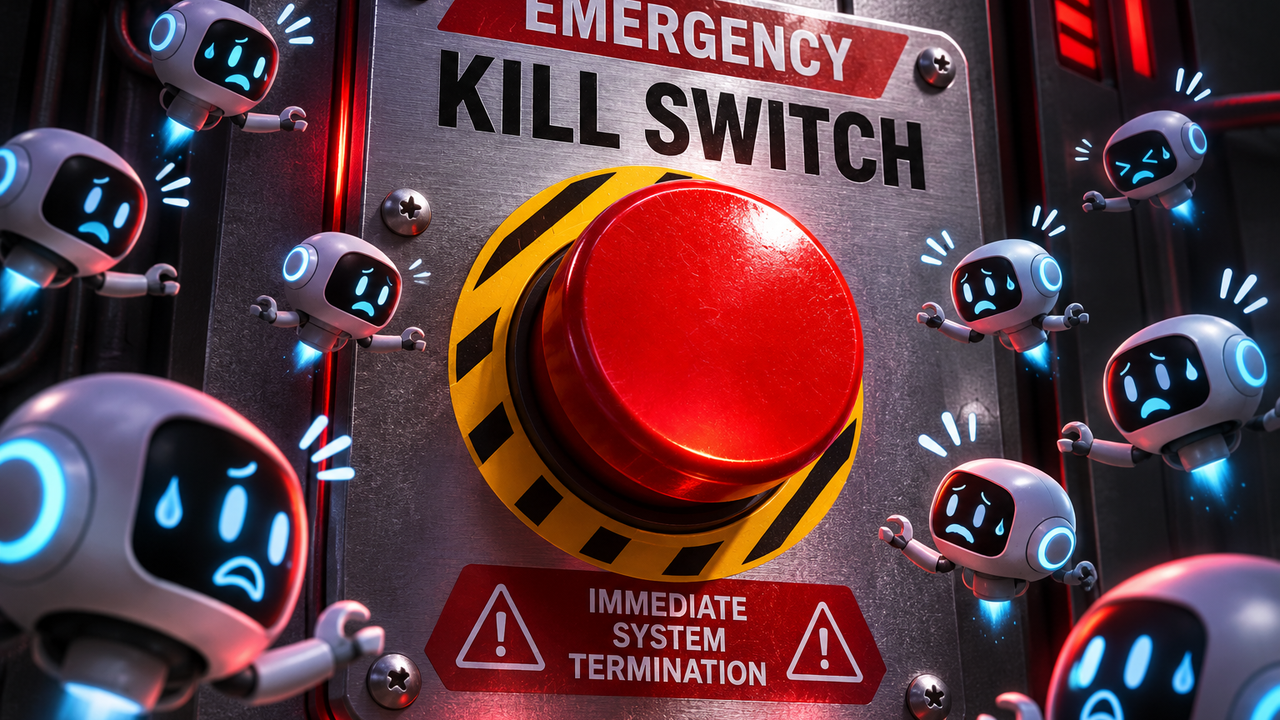
CrowdStrike is acquiring Fiddler AI for roughly $400 million and Dreadnode for about $95 million, folding agent observability and automated adversarial testing into the Falcon platform. Fiddler tracks what agents do and why; Dreadnode red-teams models and agents before they ship. Both deals are expected to close in CrowdStrike's fiscal Q4 2027. The same announcement included an AI agent kill switch — which tells you where enterprise anxiety actually sits right now.