Relevance 10/10Importance 9/10
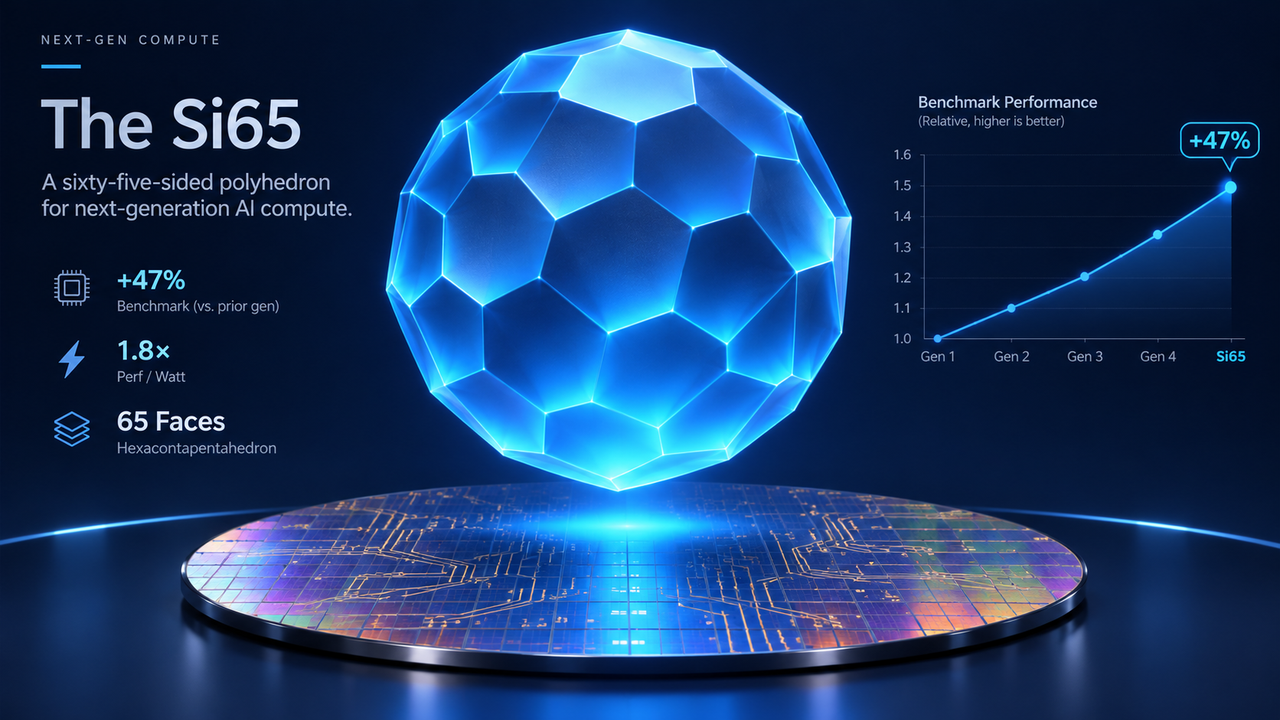
Ricursive Intelligence dropped Ripple-65B Preview, a dense 65-billion-parameter model trained on 12 trillion tokens for roughly $32 million. It claims U.S. open-weight state-of-the-art at 80.52 on TerminalBench 2.1, beating models several times its size, and it's live on Hugging Face and Together AI. The model also powers the company's own AI chip design platform, which makes this as much a vertical-integration play as a benchmark flex.
Relevance 9/10Importance 10/10
IEEE Spectrum uses the PHP2Shell vulnerability as a case study in why pointing AI tooling at insecure systems doesn't save you. The argument: AI-assisted security work hits a wall when the underlying codebase carries decades of unresolved architectural rot. It's the afternoon's biggest thread at 592 comments, and it lands squarely on anyone shipping AI-written code onto legacy foundations.
Relevance 10/10Importance 9/10
Anthropic published research on provable inference — cryptographically verifying that a model output actually came from a specific set of weights, without exposing those weights. Their FlashProve system hits 110 tokens per second on a 400B-parameter model, with proofs verifiable in seconds on ordinary hardware, at roughly 70 to 95 times the cost of plain inference. That's orders of magnitude better than prior work, and it opens doors for regulators, auditors, and customers who want receipts.
Relevance 8/10Importance 9/10
On the RTX Spark laptop, the GPU clock locks at about 780 MHz on Linux instead of the 2.2 GHz it reaches on Windows. The culprit is Nvidia's Platform Controllers and Framework, which arbitrates CPU/GPU power sharing — and whose power table is encrypted so only the Windows driver can read it. Net effect: local LLM inference runs roughly five times slower on Linux, which is a rough deal for a machine marketed to AI developers.
Relevance 8/10Importance 7/10
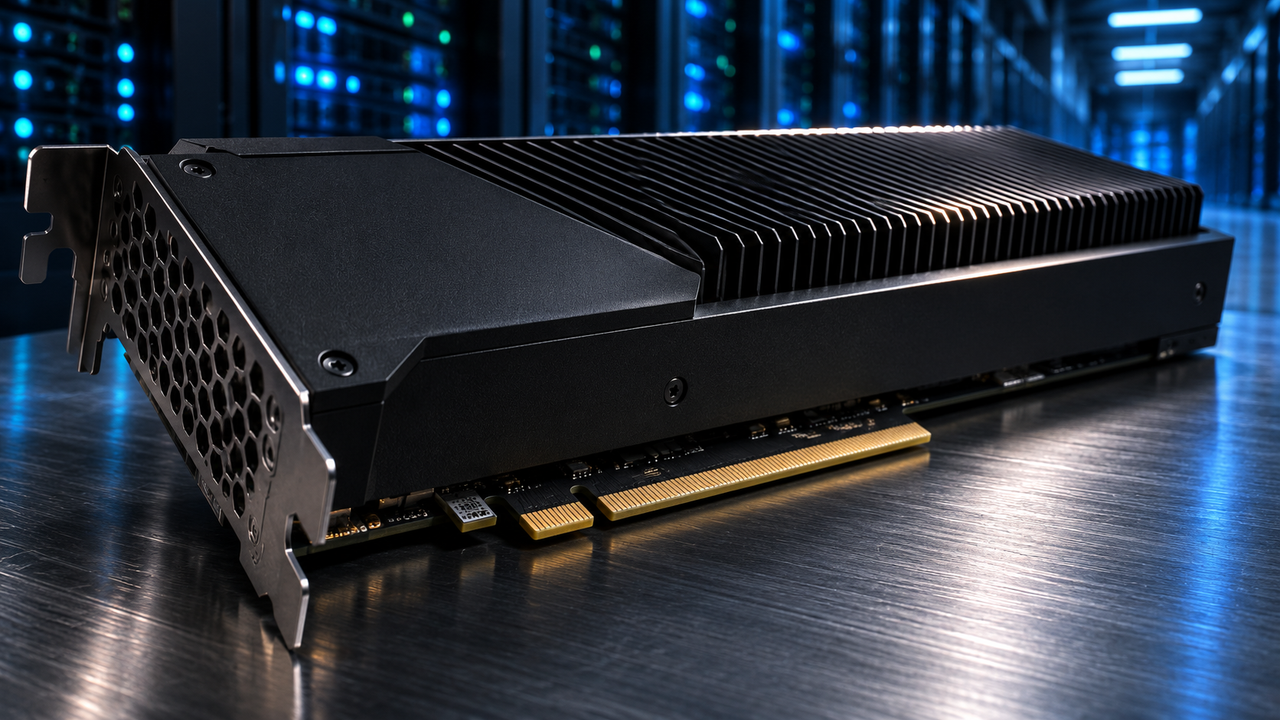
Qualcomm's inference card pushes 870 TOPS of INT8 and 288 TFLOPS of FP16 with 576 MB of on-die SRAM and 128 GB of DRAM over PCIe. The pitch is cost-and-power-optimized generative AI serving rather than training, aimed at enterprises who want throughput per watt. At 150 watts for that memory capacity, it's a credible alternative for inference-heavy deployments.
Relevance 5/10Importance 9/10
Layer3 Intel's Residential Proxy Observatory logged 236 separate instances of residential proxy traffic exiting six White House network addresses across 28 proxy networks between October 5 and November 3, 2026. The evening-weighted pattern points to one person's infected device rather than guest or public Wi-Fi. Researchers flagged the risk that compromised proxy SDKs could offer a path into internal systems, echoing the Kimwolf botnet.
Relevance 5/10Importance 8/10
Go 1.27 ships encoding/json/v2 and encoding/json/jsontext as stable, generally available packages. V2 fixes long-standing warts — invalid UTF-8 handling, duplicate object names, case-insensitive unmarshaling — adds options-based configuration, and introduces MarshalerTo and UnmarshalerFrom for real streaming. Critically, v1 is now implemented on top of v2, so the ecosystem gets a gradual migration instead of a schism.
Relevance 4/10Importance 5/10
Two brothers spent eleven years reverse-engineering Wing Commander, mapping memory locations for ship position, velocity, and rotation vectors through memory dumps and differential analysis. They built a trampoline system to inject networked function calls into the live game, then wrapped the whole thing in WebAssembly, DOSBox, and WebRTC. The result landed in 2026: browser-based co-op with voice chat through a custom lobby service.
Relevance 3/10Importance 5/10
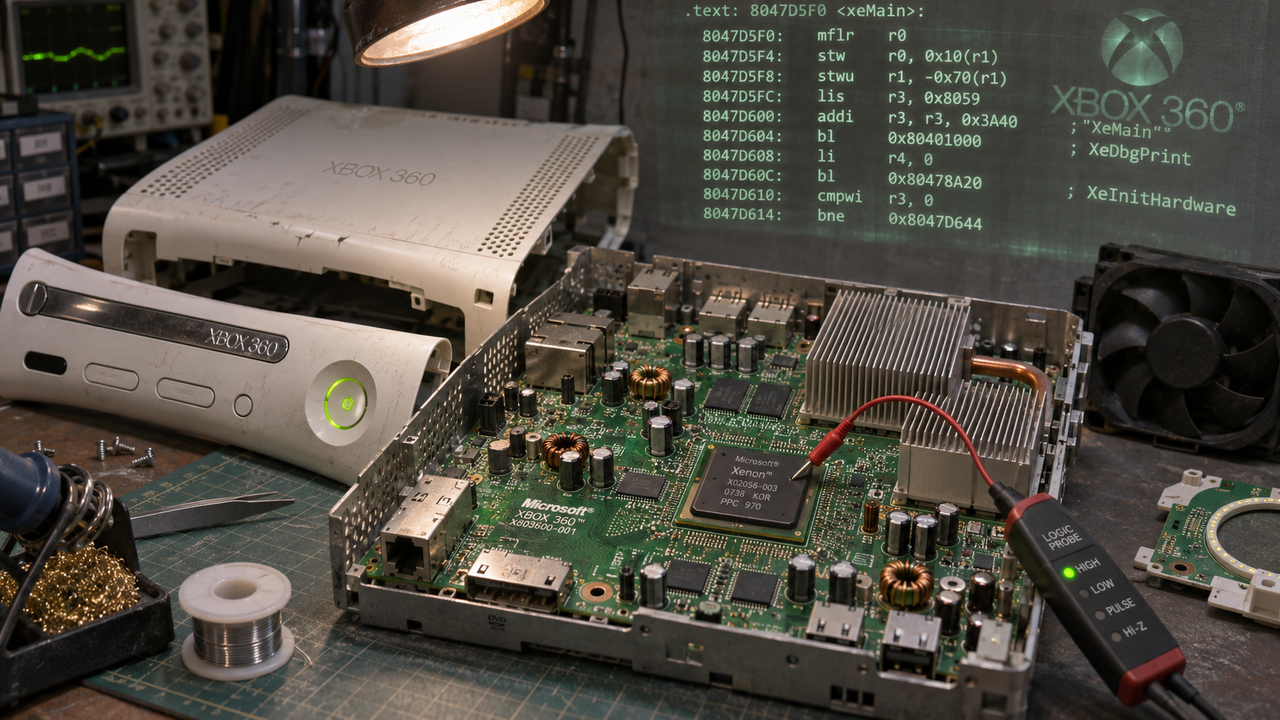
Part three of Grimdoomer's deep-dive series on the software-only Xbox 360 hypervisor exploit, covering refinements to the BadUpdate chain. Recent versions added stage-three improvements, new hypervisor-overwrite detection logic, and a full rewrite of the stage-two ROP chain. It's fresh on the front page with only one comment so far, so the discussion is just warming up. (Note: the post itself returned a 403, so this summary draws on the project's public documentation.)
Relevance 1/10Importance 5/10
LEDs draw far fewer insects than incandescent or fluorescent bulbs because they emit essentially no ultraviolet light. Insects navigate by UV wavelengths, mistaking them for moonlight, so UV-emitting bulbs hijack their orientation. The accidental upside of the global LED switchover is less light-pollution disruption for nocturnal insect populations.

 HN Briefing PM