Relevance 10/10Importance 9/10
Andrej Karpathy built a YouTube alternative stocked entirely with videos that Hacker News commenters have recommended over the years, using Claude Opus 5.5 to mine roughly two decades of HN comments and surface 6,454 quality videos across 150 topics. It ships with better thumbnails, account-free recommendations, and keyboard shortcuts. The kicker: the whole thing — data processing through deployment — took about two hours with almost no manual work beyond API keys and a domain purchase.
Relevance 9/10Importance 9/10
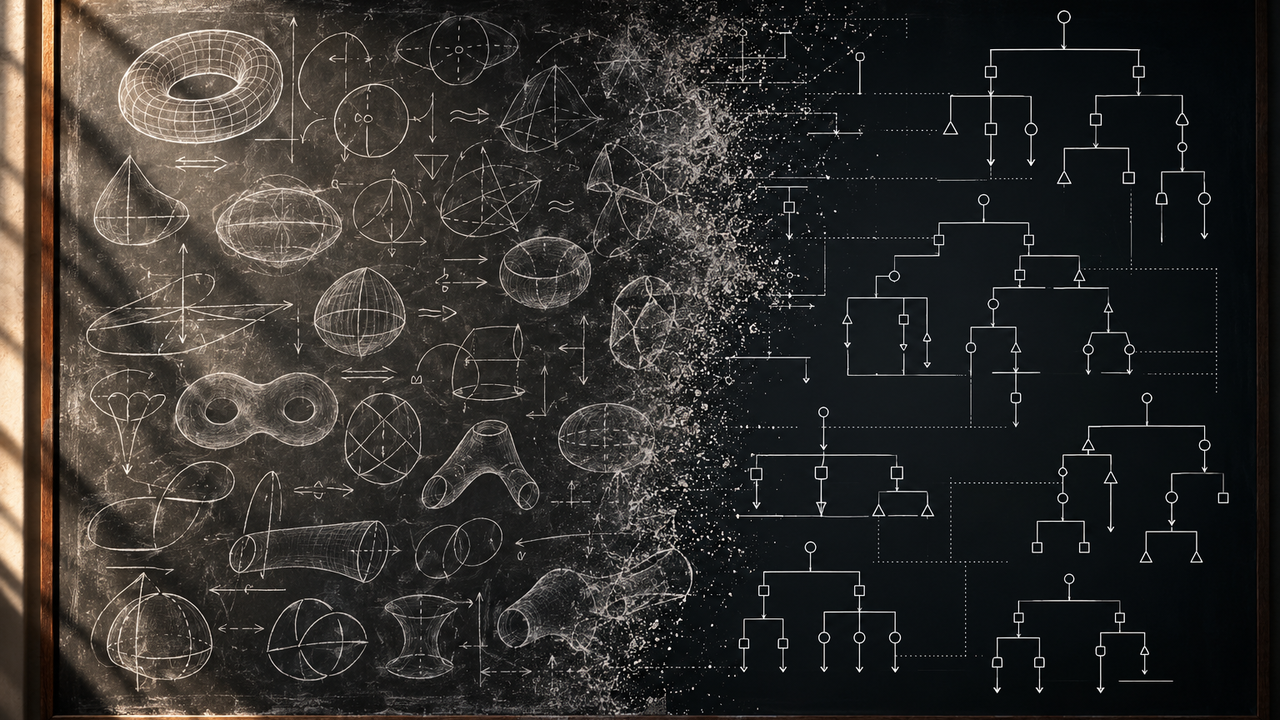
In a guest post on Terence Tao's blog, Frank Calegari argues mathematicians should stop mourning AI's theorem-proving wins and instead revalue what counts as real contribution — problem selection, interdisciplinary vision, and structural insight over raw proof production. He proposes concrete reforms to hiring, journal exposition standards, and graduate training. His thesis: mathematics is about understanding, and AI is an invitation to get more ambitious, not a threat to the discipline's identity.
Relevance 8/10Importance 6/10
Hot on HackerTube's heels, someone shipped the book version — a searchable catalogue of every book mentioned in Hacker News comments, cross-referenced against Open Library metadata. You can browse by top-rated, trending, or personalized recommendations, with keyboard shortcuts throughout. It's a textbook example of HN's remix culture: one popular project spawns a derivative within days.
Relevance 7/10Importance 7/10
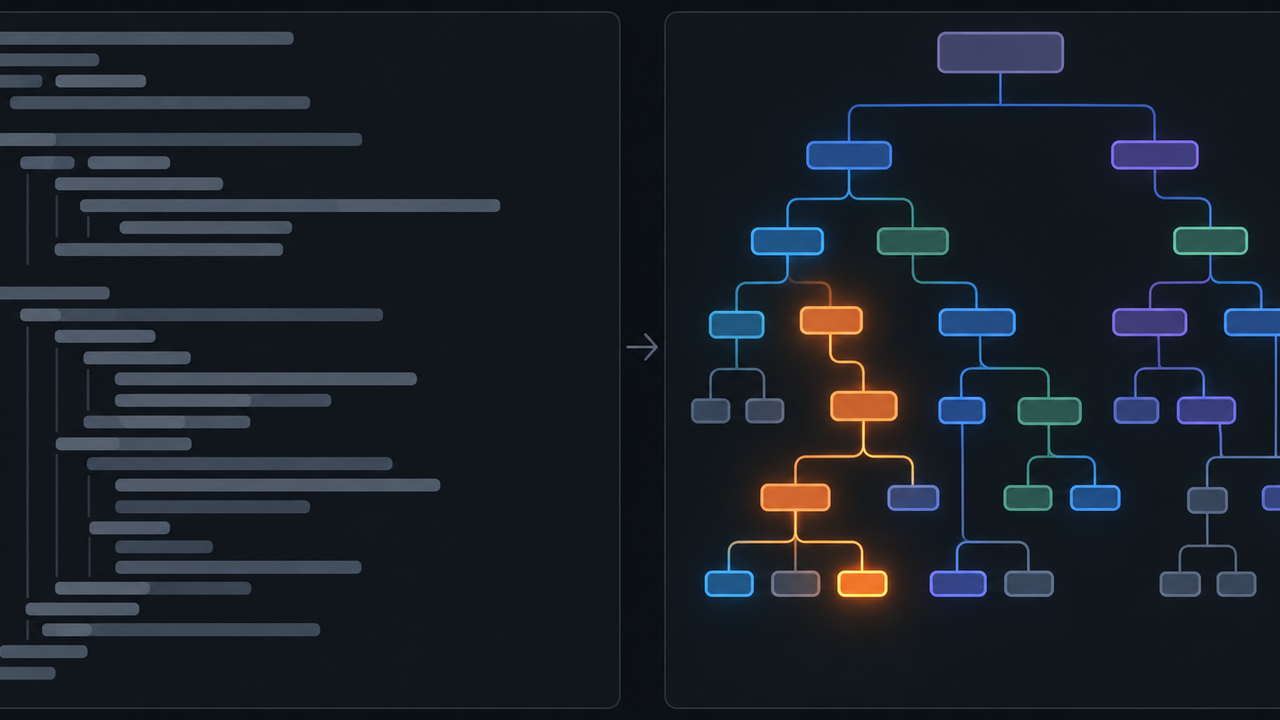
OmniDiff ditches line-based diffing for structural, content-aware comparison, parsing files by type to show what actually changed. It claims coverage of 99.95% of code changes, with 98.8% handled by specialized algorithms across 25 languages plus binary formats like PDFs, fonts, and images. Most diffs land in under 100 milliseconds, and it plugs into both Git and Jujutsu in interactive or headless modes.
Relevance 6/10Importance 6/10
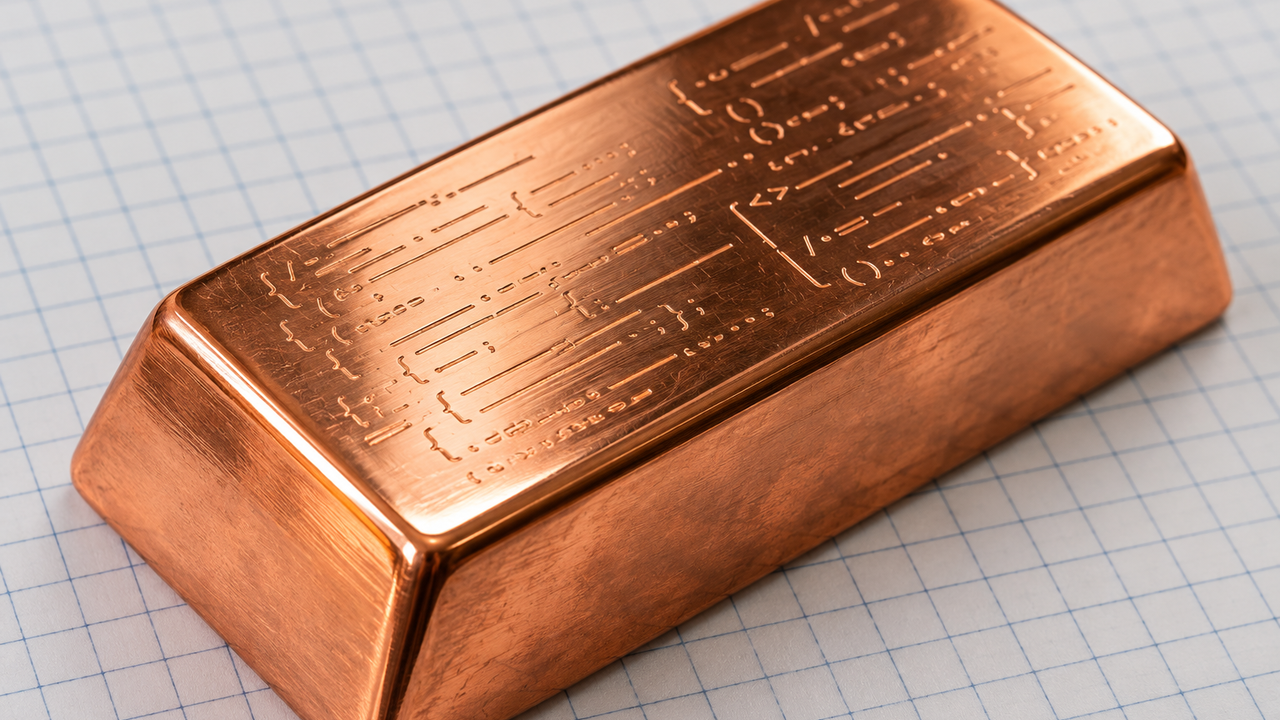
Copper is a C replacement built around the idea that one developer should be able to hold the entire language in their head. It offers type inheritance for any type, generics, multiple return values, deferred statements, option types, and a Ruby-flavored syntax. Minimalism and fast compilation are the headline design goals.
Relevance 5/10Importance 6/10
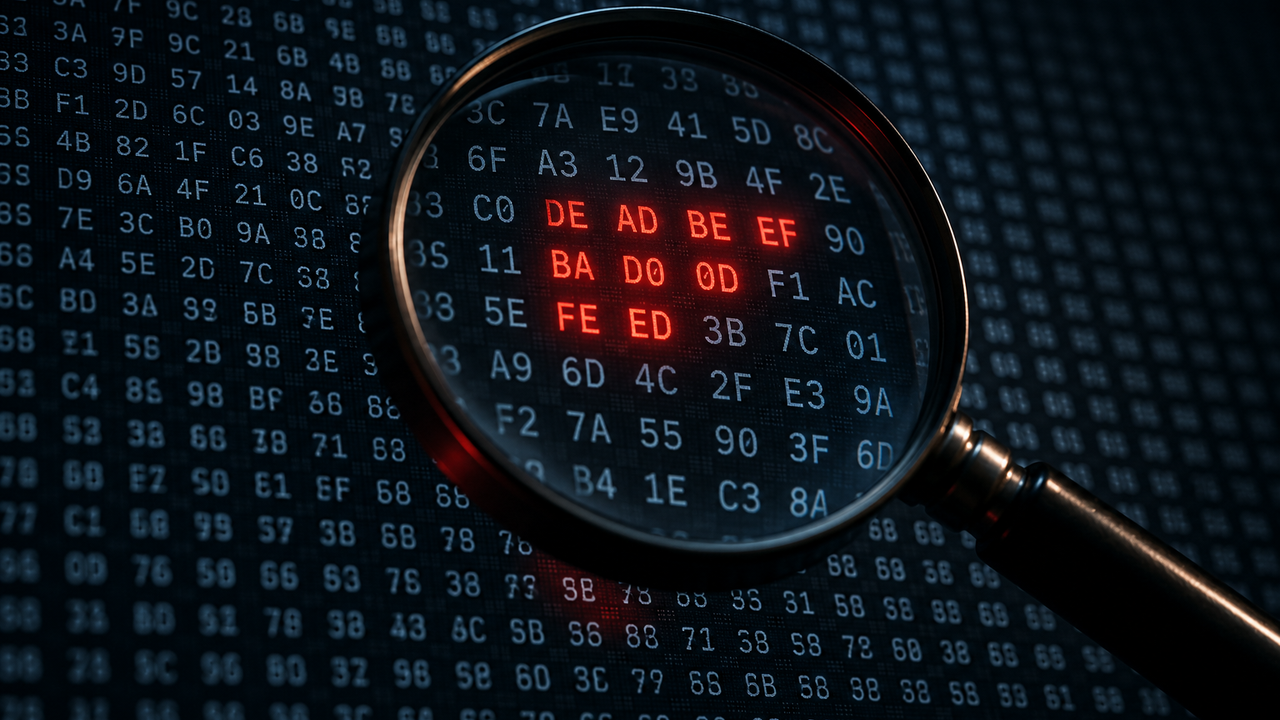
Chris Wellons lays out hard-won practical advice for getting more out of AFL++: turn on ASan and UBSan with the right configuration, and use persistent mode for a big speedup. He recommends copying fuzz input rather than using buffers in place, resetting global state between iterations, and shrinking fixed buffers to make bugs surface faster. He also covers including source files directly in test templates and using memory file descriptors for programs that insist on real file paths.
Relevance 5/10Importance 5/10
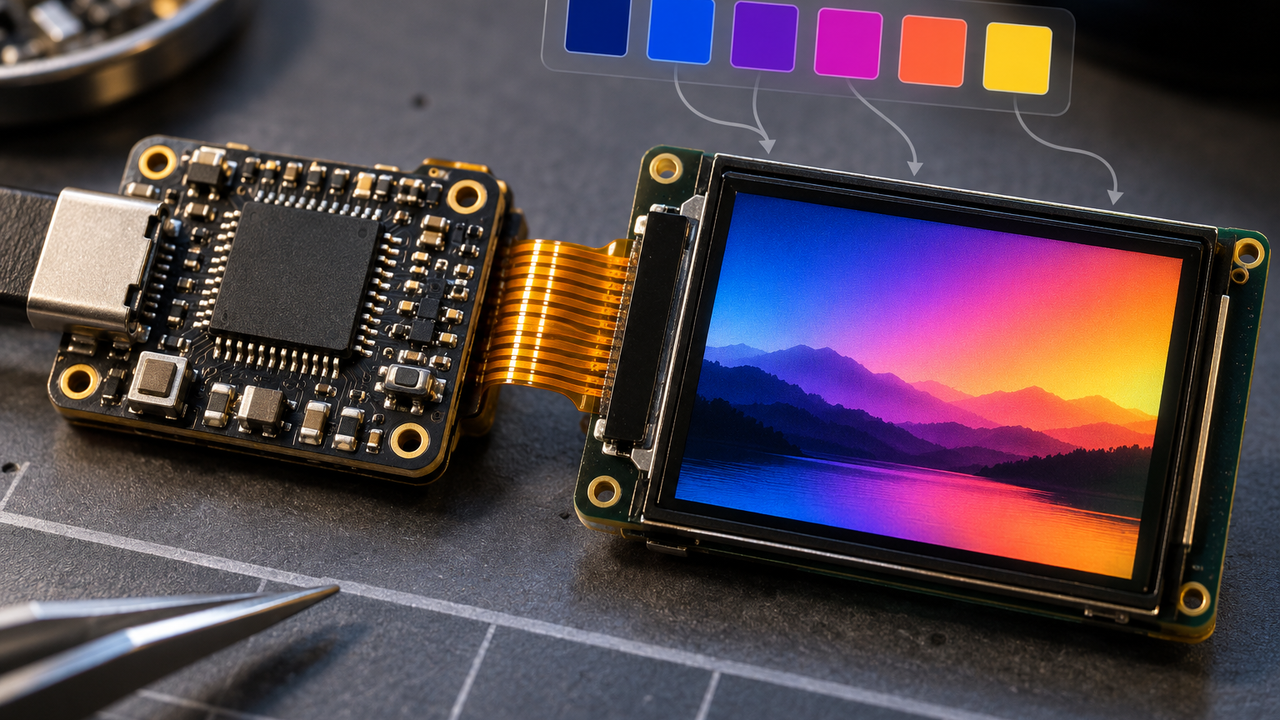
Raph Levien's Nibnib is an image format built for microcontrollers like the RP2350, hitting 4 bits per pixel with a palette scheme where the palette stores a delta rather than an absolute color. Decode is just a palette lookup plus an addition, with two pixels unpacked per byte. That matters because the CPU budget on these parts is around six cycles per pixel — conventional formats simply don't fit.
Relevance 4/10Importance 6/10
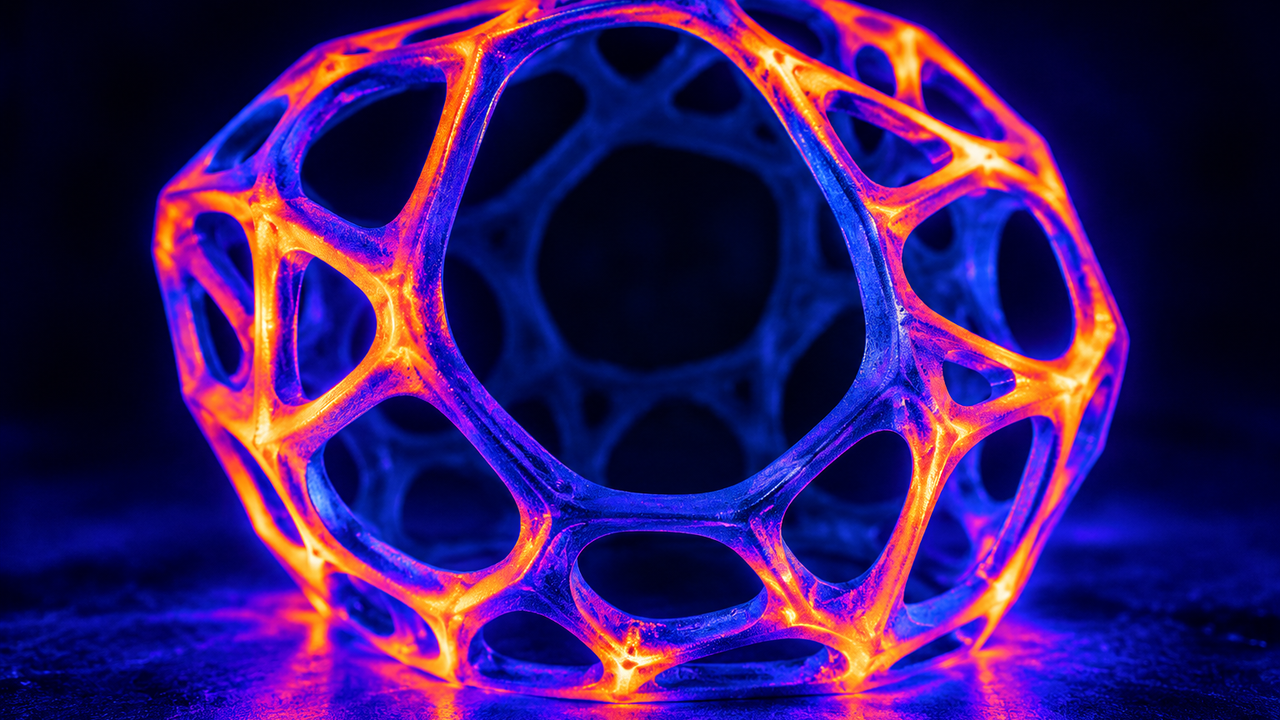
University of Illinois researchers 3D-printed a device pairing an aluminum lattice with a rubber material that can hide a complex 3D object from an effectively infinite number of viewing directions. Rather than blocking heat, it routes thermal energy around the concealed region, rendering the object invisible to infrared from nearly any angle. Proposed uses span microchip cooling, shielding sensitive electronics from temperature extremes, and defeating thermal detection in security and defense settings.
Relevance 3/10Importance 4/10
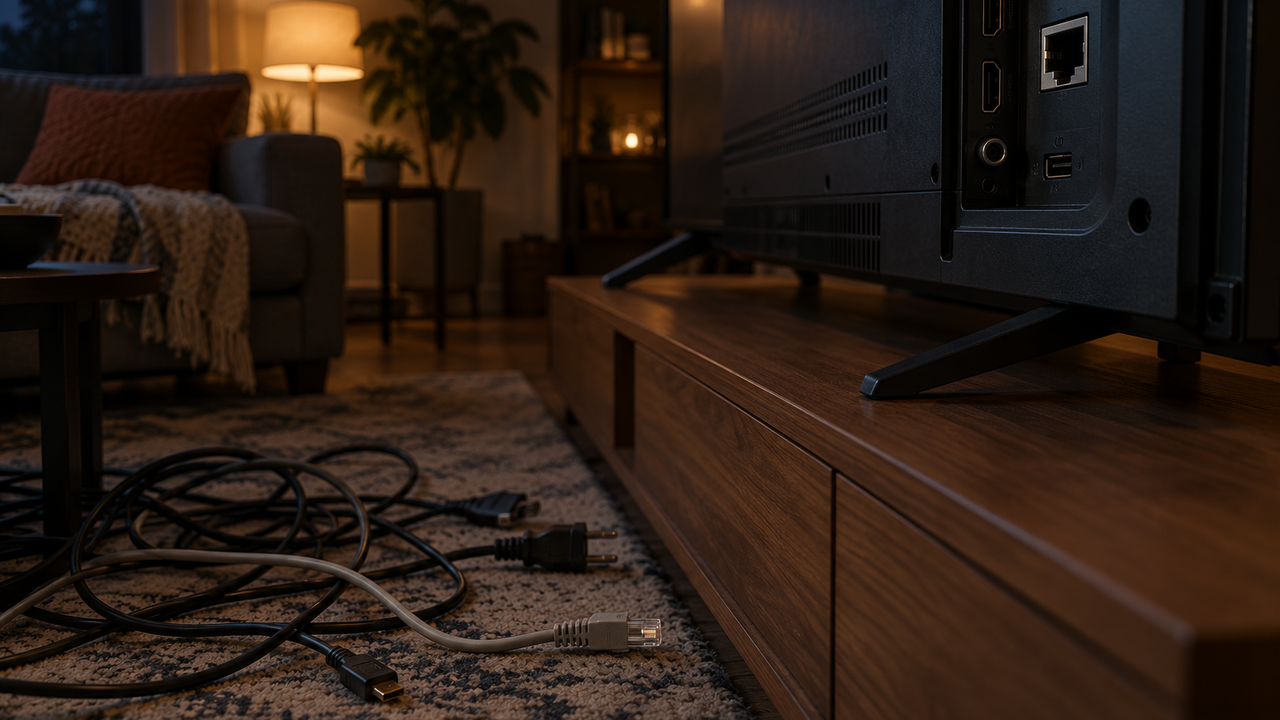
A reader asked for a privacy-respecting 60-to-80-inch 4K set and offered to pay a premium for one. The thread's verdict is that no such product exists — every modern smart TV harvests data, with Samsung called out as an especially bad actor. The practical consensus: buy the cheapest decent panel, never give it Wi-Fi credentials, and drive it with an Apple TV, a Linux box, or a projector instead.
Relevance 2/10Importance 5/10
In the early 1990s, Parma farmer Claudio Grossi found an unlabeled sack of seeds while cleaning his attic, dumped them on a manure pile, and forgot about them — until six-foot stalks bearing seven ears each, with multicolored kernels, came up. A biblical passage about seven-eared wheat tipped him off that the grain, likely saved by his great-grandfather, was something ancient; he named it grano del miracolo. The variety has proven drought-hardy and tall enough to shade out weeds, drawing interest as a climate-resilient crop.

 HN Briefing PM