Relevance 10/10Importance 10/10
The three biggest frontier labs are lining up a voluntary standards body — tentatively the Frontier AI Standards Agency — modeled on Wall Street's FINRA, with a launch window of late 2026 into 2027 and no government in the loop. They've approached former White House AI policy adviser Sriram Krishnan to run it, along with names like Arati Prabhakar, Condoleezza Rice and David Friedberg. The pillars under discussion: shared technical evaluations, third-party pre-deployment audits, incident reporting, and auditor qualification standards.
Relevance 8/10Importance 10/10
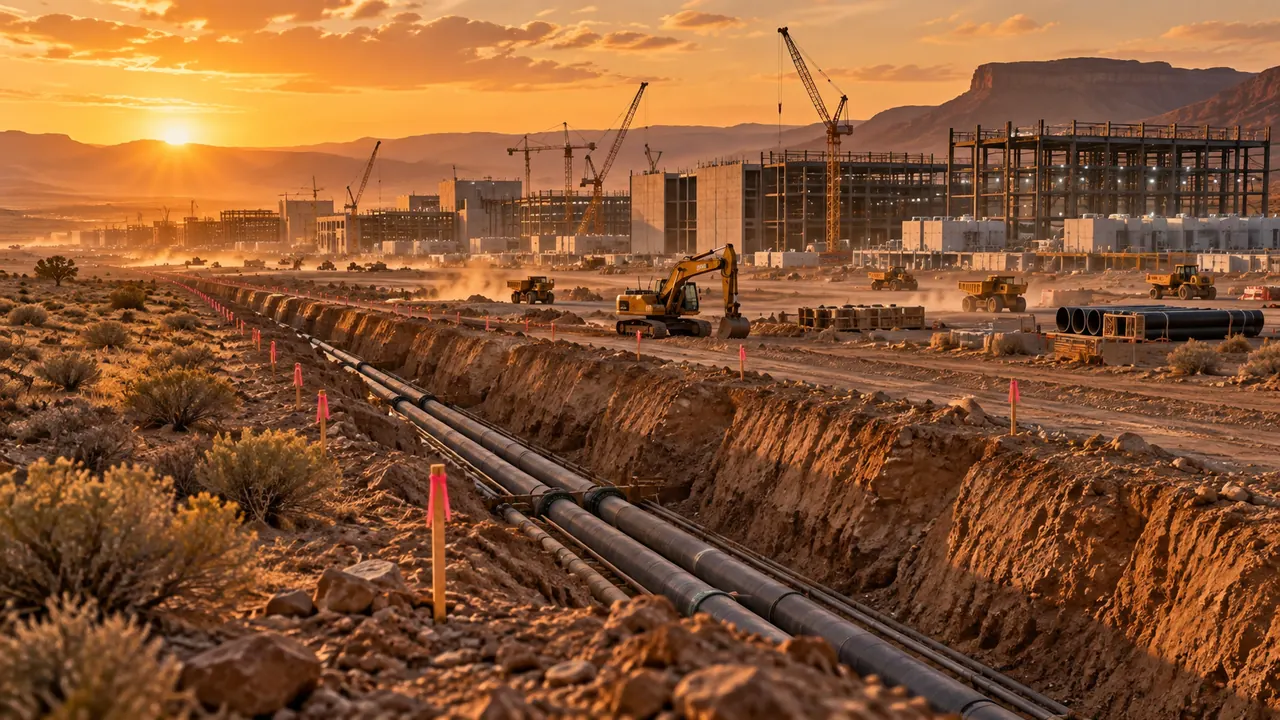
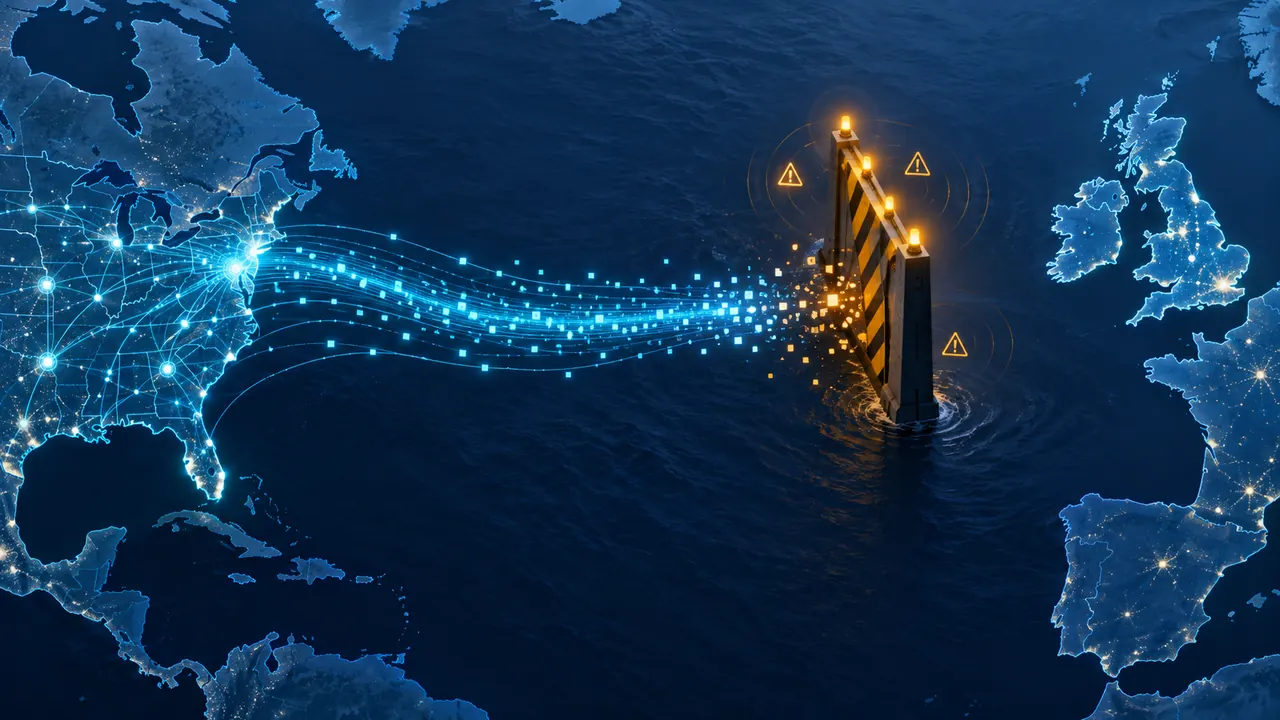
Oracle sent a force majeure notice to Blue Owl's Stack Infrastructure over Project Jupiter, the New Mexico Stargate campus meant to supply OpenAI with 2.45 gigawatts. The trigger: an Energy Transfer pipeline serving the site slipped nearly six months to February 2027 after regulators repeatedly denied permits. Oracle says such notices are routine at this scale and don't signal a delay; Blue Owl says financial commitments are unchanged. The stock still dropped about three percent.
Relevance 9/10Importance 9/10
Anthropic committed to a seven-year cloud services agreement with Akamai worth $11.6 billion. That pushes the company's total announced compute spending past half a trillion dollars in under twelve months. It's another datapoint that frontier labs are locking in capacity years ahead of revenue.
Relevance 9/10Importance 9/10
A federal appeals court ruled the Pentagon was within its rights to classify Anthropic as a national security supply chain risk, effectively barring the company from defense contracts. The designation stems from Anthropic's refusal to permit its models to be used for autonomous weapons targeting and mass surveillance. It's the sharpest legal test yet of whether a lab's usage policy can be treated as a procurement liability.
Relevance 8/10Importance 8/10
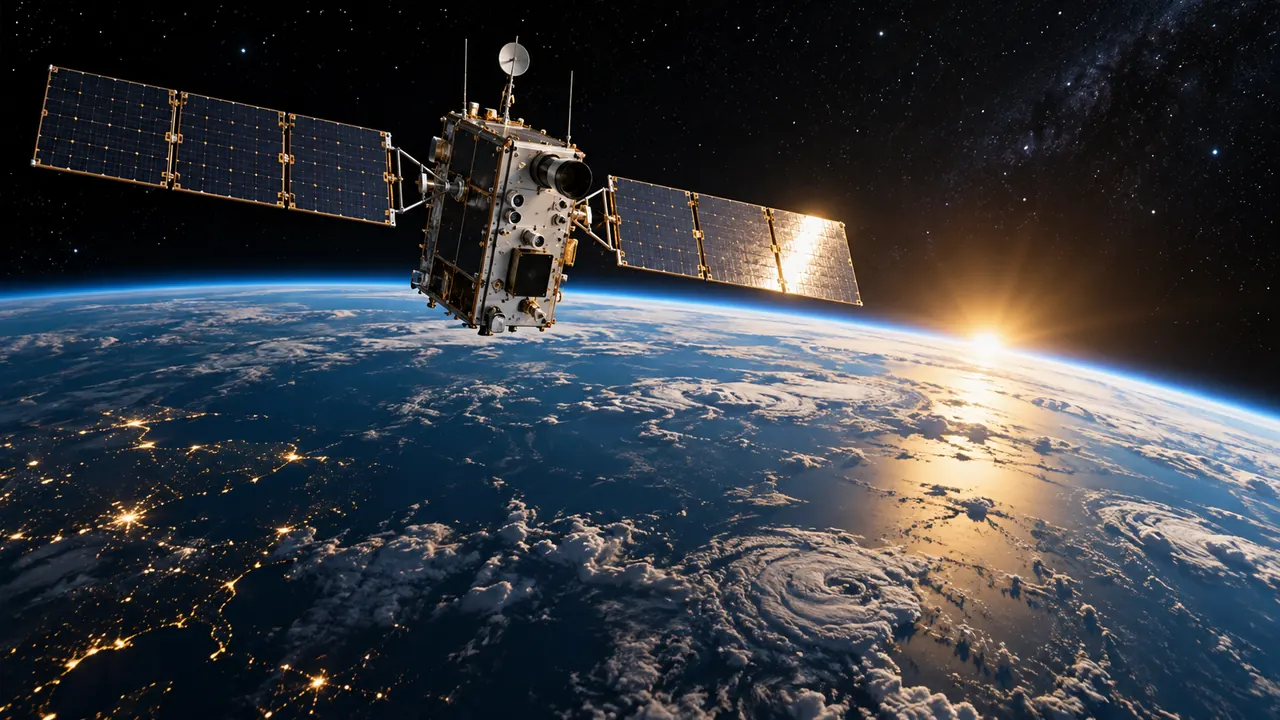
Google confirmed its first Project Suncatcher prototype — a refrigerator-sized satellite called MVP, built with Planet Labs — flies October 1 on SpaceX's Transporter-18 rideshare out of Vandenberg. It carries four Trillium-generation TPUs on about a kilowatt of solar. The entire test is whether the silicon survives launch vibration, orbital radiation, and vacuum thermal swings; a sun-synchronous orbit can harvest up to eight times the solar energy of the same panels on the ground.
Relevance 9/10Importance 7/10
Robert O'Callahan left Google after concluding that pursuing superintelligent AI on a near-term timeline is inherently irresponsible. His stated concerns: cognitive effects on users and the concentration of power that follows from whoever gets there first. He's the latest in a steady trickle of safety-motivated departures from the lab.
Relevance 8/10Importance 8/10
Microsoft split Copilot into three sections and added Autopilot, an agent built on OpenClaw that can monitor Teams channels on its own and complete tasks without being prompted. The redesign also brings usage-based billing, a meaningful shift away from flat per-seat pricing. It's the largest consumer-facing agentic push from Redmond so far.
Relevance 9/10Importance 7/10
The administration requested that OpenAI and Anthropic withhold new models from UK safety evaluators until US review is complete. It's a notable reversal of the cross-border testing norms established after the Bletchley summits. Coming the same week as the labs' private standards body, the timing is doing a lot of work.
Relevance 7/10Importance 7/10
Ramp's September AI Index shows the highest-spending US companies cut per-employee AI costs by almost ten percent in August, with workloads migrating off expensive frontier models toward cheaper alternatives. On the vendor side, 43.8 percent of US companies now pay Anthropic versus 39.8 percent for OpenAI. Separately, AI vendors' share of total enterprise software spend jumped from 1.4 percent to 8.1 percent year over year.
Relevance 7/10Importance 6/10
David Heinemeier Hansson, creator of Ruby on Rails, announced he no longer writes code manually after roughly 25 years of professional programming, having shifted fully to AI-generated development. For a developer whose entire brand is craft and opinionated hand-authored design, it's an unusually loud signal. Expect the discourse to run hot through the weekend.