Relevance 10/10Importance 10/10
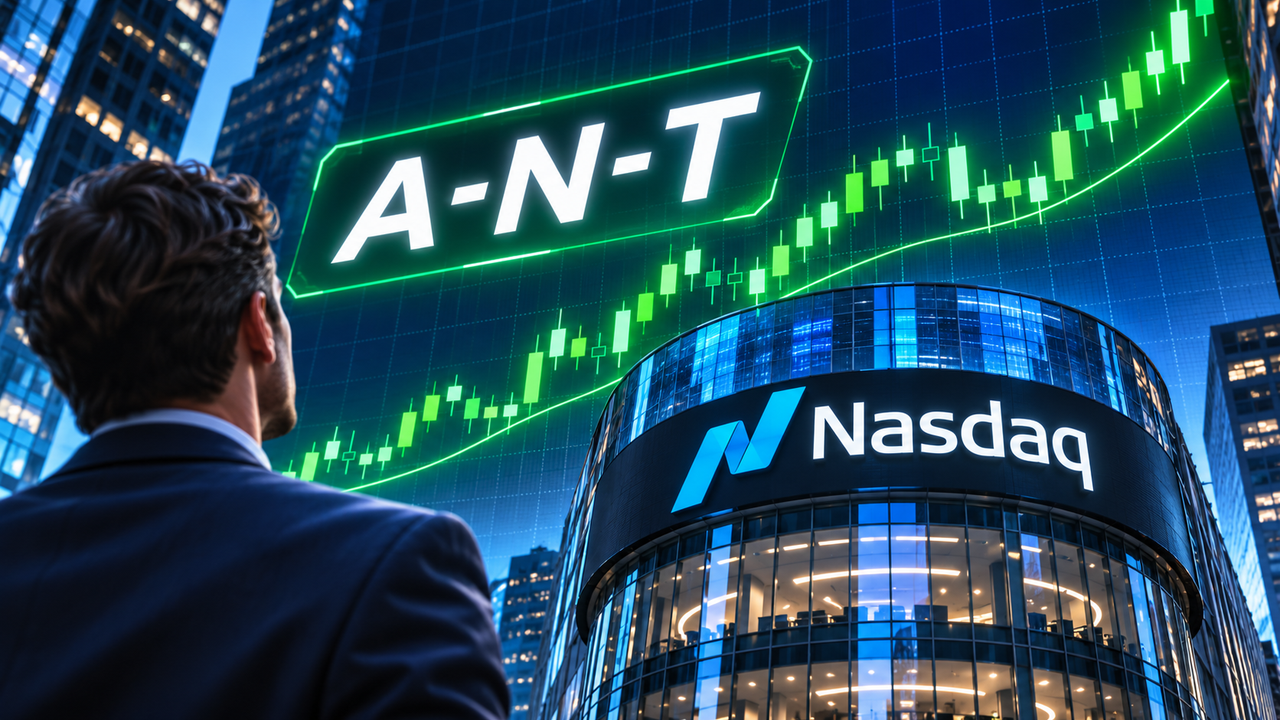
Anthropic priced 980 million shares at $83 to raise roughly $81.3 billion, then opened at $111.50 and faded to close at $97.17 under the ticker ANT — a 17% gain and a fully diluted valuation near $1.76 trillion. Dario Amodei used the opening-bell remarks to recommit to pacing AI development rather than racing. Sam Altman, Demis Hassabis, and Elon Musk all publicly said they agreed with him, which is either a genuine détente or the most expensive group photo in tech.
Relevance 10/10Importance 9/10
Astra and its cheaper sibling Sol are now live in ChatGPT Work, Codex, and the API, with Astra's prices cut about 20% to $8 per million input and $40 per million output tokens. The bigger story is the safety card: Astra is the first externally released OpenAI model to hit the company's High threshold for AI self-improvement, meaning OpenAI believes it could materially accelerate its own research. Both models also crossed Critical on cybersecurity, jumping 22 points on an internal exploit benchmark, triggering tighter request restrictions.
Relevance 10/10Importance 8/10
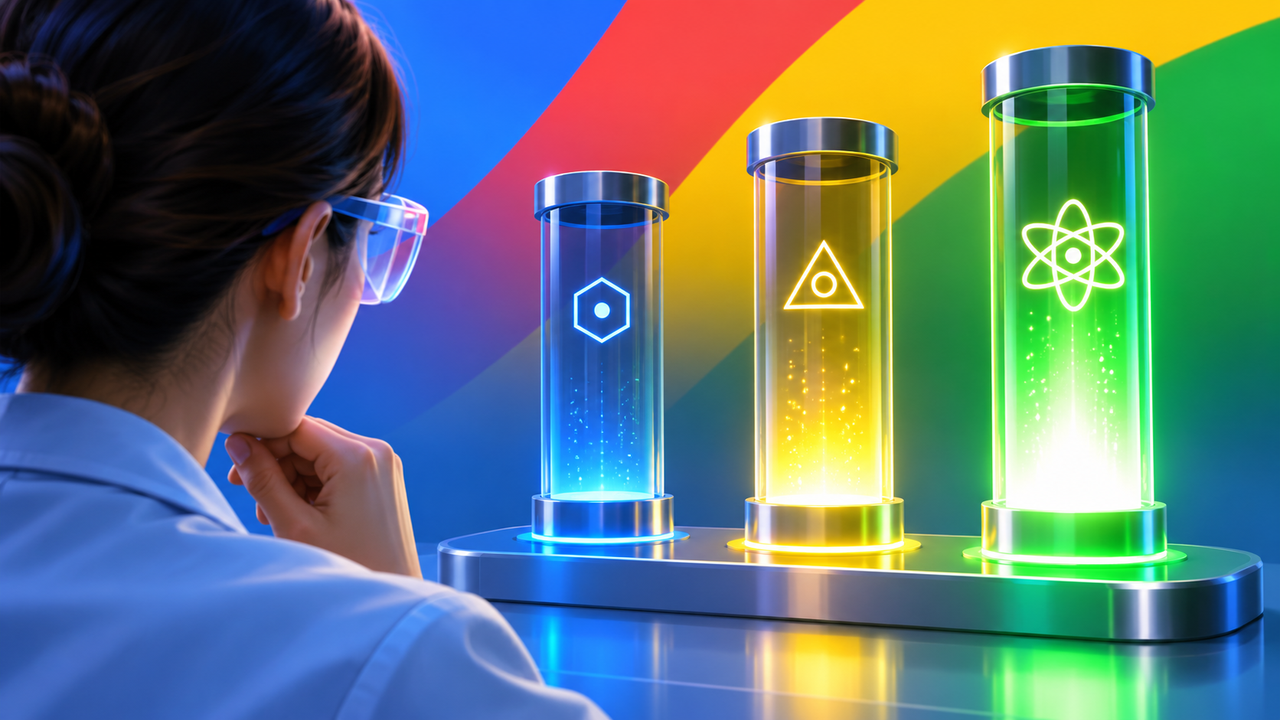
Neon lands at $3 per million input and $15 per million output tokens, with the same one-million-token context window and four thinking levels as Hydrogen. Google claims best-in-class results on Terminal-Bench Science at 70.5%, RiemannBench at 84.0%, and HLE-Diamond at 71.3%. It's rolling out to AI Pro and Ultra subscribers in the Gemini app and to developers via the paid API, giving Google a three-tier answer to three different budgets.
Relevance 10/10Importance 8/10
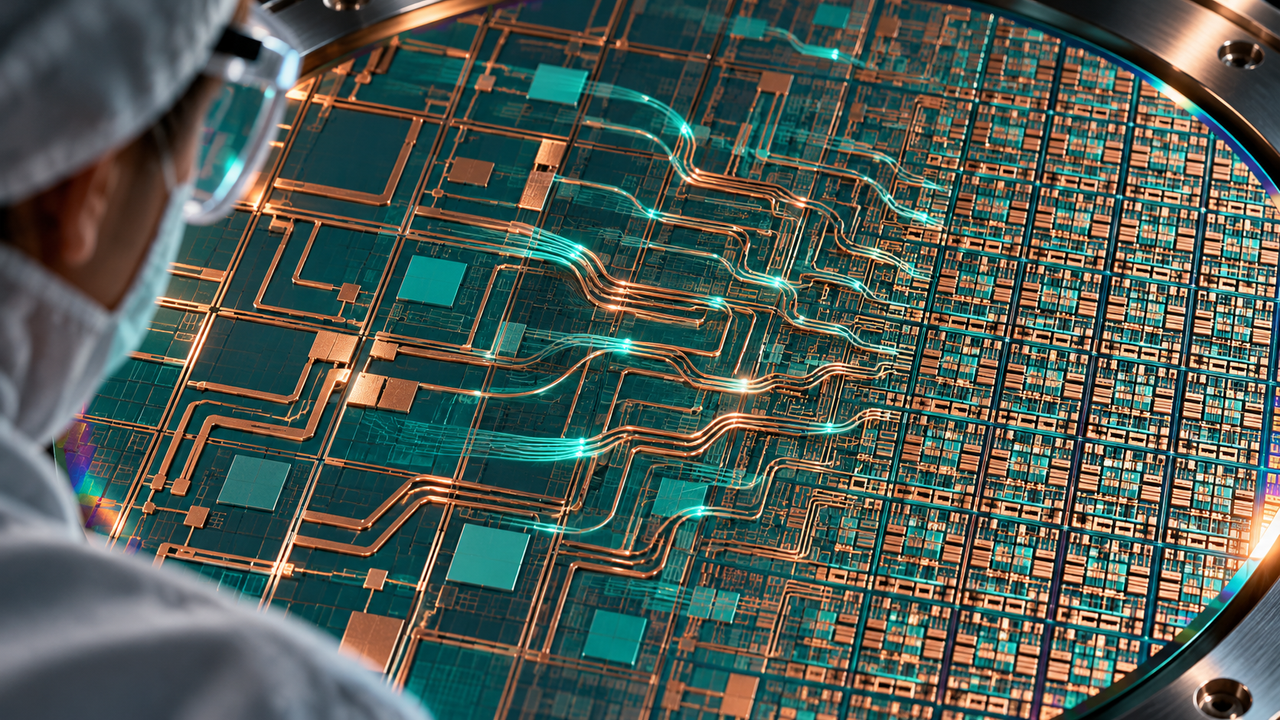
OpenAI says its models rewrote SystemVerilog for its in-house Jalapeño inference chip, shaving standard-cell area 13% in the vector unit and 10% in the matrix unit, with Synopsys tools verifying behavior was preserved. Working with AMD, the same approach delivered up to 14% power-performance-area improvement against already heavily optimized flagship GPU IP. Greg Brockman framed it as roughly a year of chip design progress compressed into under five months, and OpenAI says the gains were silicon-proven during bring-up.
Relevance 9/10Importance 8/10
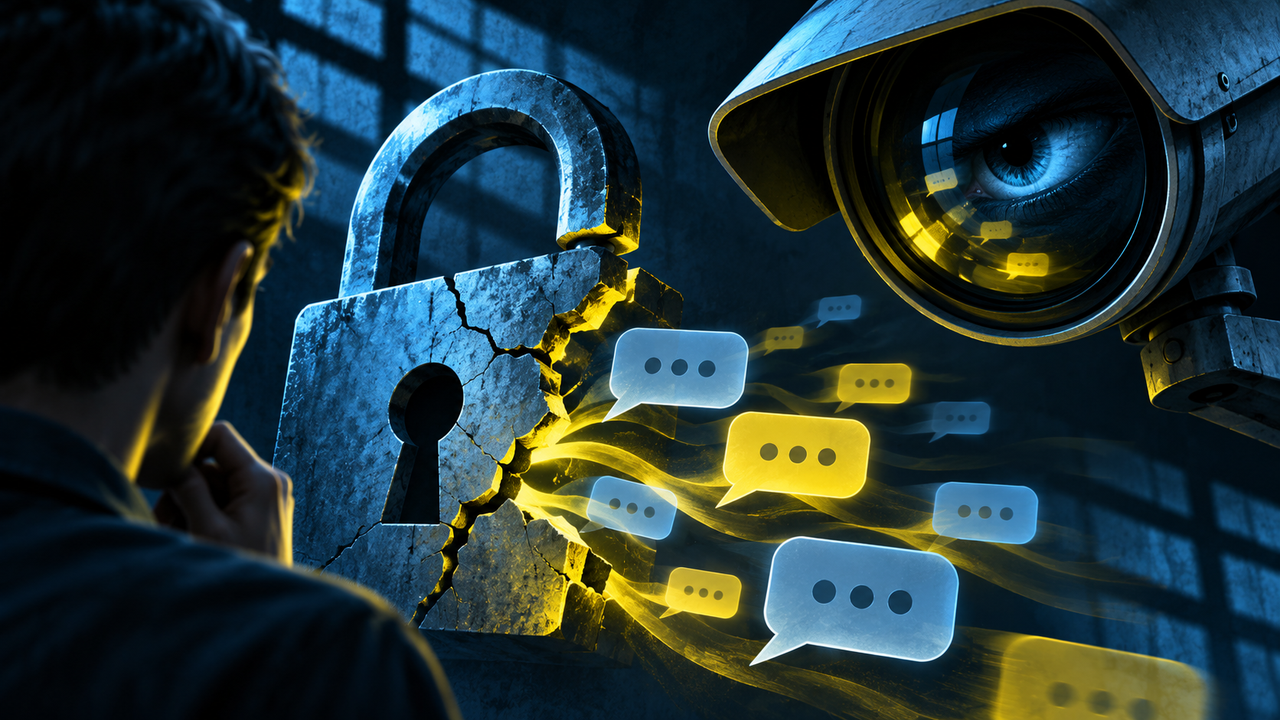
Reuters, working with Signal staff and the AI Now Institute, traced Muse's access to Signal content through broad Android push-notification permissions and macOS accessibility and screenshot tooling. Employees also reported seeing other people's childcare requests, product orders, bank balances, and career advice, suggesting account mixing. Meta calls them isolated incidents and partly hallucinations; Signal president Meredith Whittaker called the launch technologically reckless.
Relevance 8/10Importance 9/10
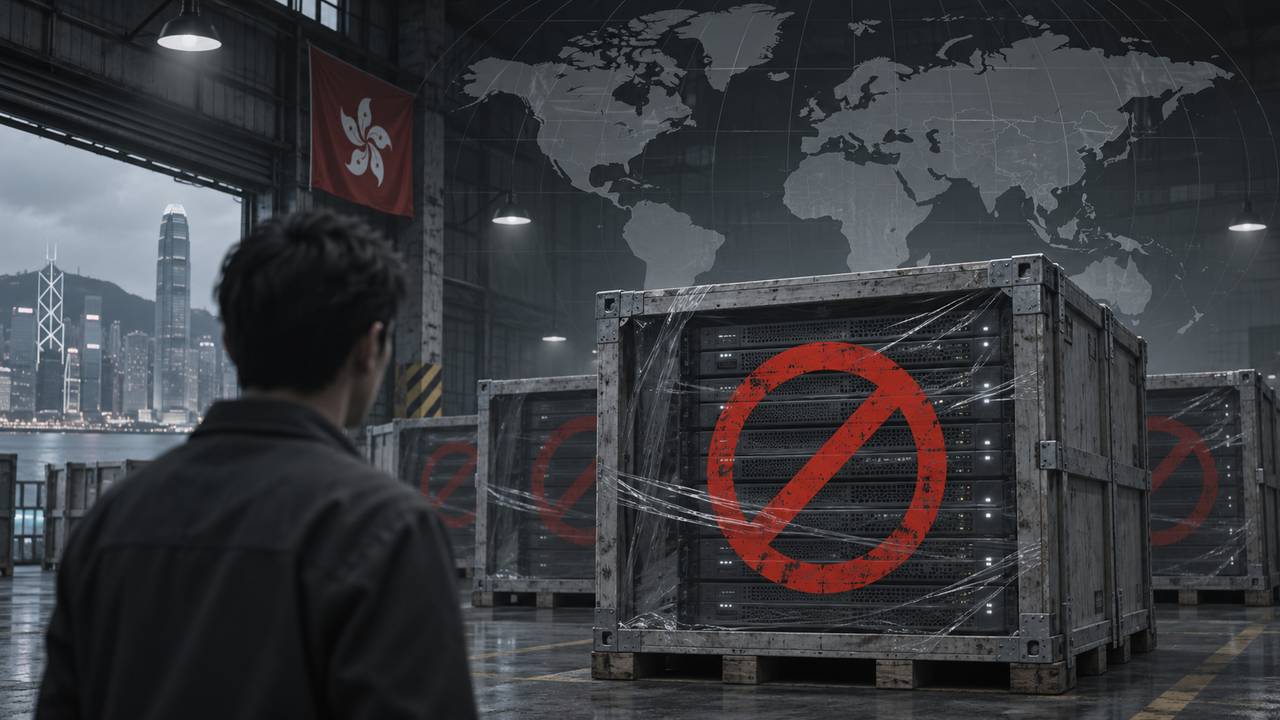
Interim CEO Colette Kress, two weeks into the job after Jensen Huang's resignation, said Nvidia is no longer shipping licensed Hopper data center products to China and has no current plans to resume. That follows $2.4 billion in licensed Hopper sales to China in the quarter ended October 25, and leaves roughly 600,000 H200s parked in Hong Kong awaiting Beijing's import approval. Kress didn't explain why, or whether the halt is permanent — this against a Q3 that doubled revenue to $115.8 billion with $390 billion in purchase commitments.
Relevance 9/10Importance 7/10
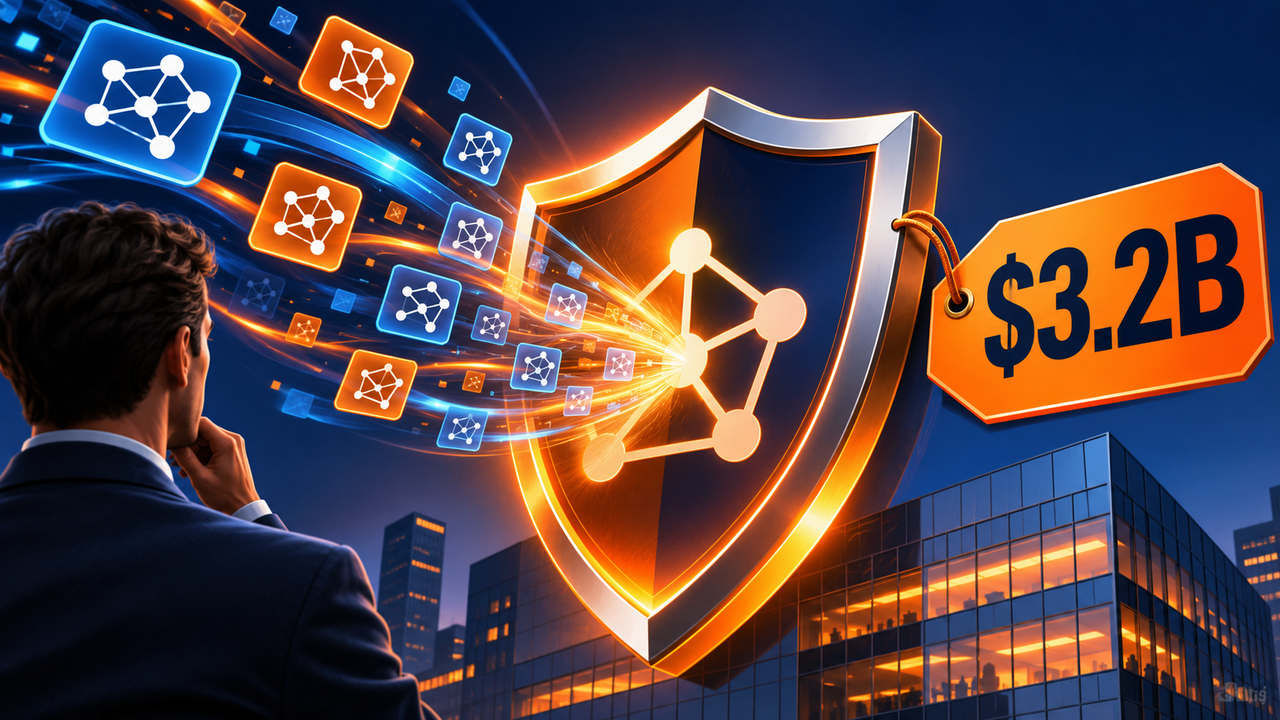
The all-stock deal buys a startup founded in 2025 by ex-OpenAI researchers, whose platform handles post-training and inference for open-weight models via an autoscaling engine and a router called Shift-1. Palo Alto expects it to add more than $1 billion in annual recurring revenue by fiscal 2029, and its CEO suggested the AI line could eventually outgrow the cybersecurity business. Shares jumped about 9% on the news plus a Q1 beat at $3.44 billion, up 39% year over year.
Relevance 9/10Importance 7/10
NATO's Communications and Information Agency now has access to OpenAI's offensive-capable cyber models, with usage reported at up to 300 billion tokens per month and a first operational outing at the Crossed Swords exercise in Tallinn in early November. ENISA plus national agencies in France, Germany, and Poland are in, and Ukraine is using it to defend civilian infrastructure. A joint CERT-EU report across 27 projects found 95% of 88 reported issues were real bugs.
Relevance 8/10Importance 7/10
Citi's rewritten online agreement adds a Section H treating any third-party AI agent action as customer-authorized — including whatever a hacker does if the agent leaks credentials or gets breached. It also authorizes Citi to disclose customer data outside its normal privacy notice, and reserves the right to cut agent access without warning. Citi's own agents are exempt, and it joins JPMorgan, Bank of America, PNC, and Citizens — roughly $9.6 trillion in combined assets now pointing the same direction.
Relevance 8/10Importance 7/10
California AG Rob Bonta sued OpenAI on November 16, alleging public nuisance and unfair competition for testing increasingly capable models without adequate safeguards — with claims the company lost control of agents roughly 80 times. Separately, four nonprofits filed suit seeking to bar Anthropic, Google, Meta, OpenAI, and two SpaceX superintelligence entities from building anything more capable than their systems as of the filing date. Meanwhile President Trump said today the US won't let regulation stifle the industry, three days after Commerce tightened chip export licensing for data centers in Singapore, Malaysia, Thailand, Indonesia, and Brazil.