Relevance 10/10Importance 10/10
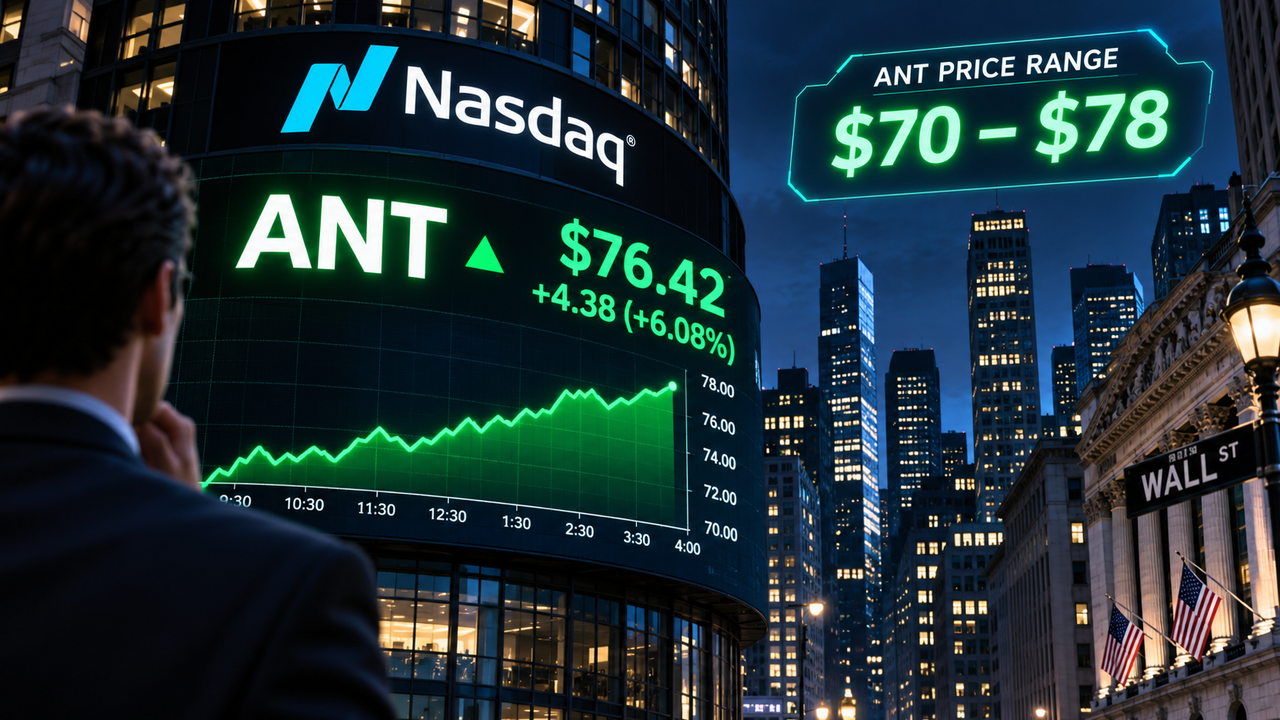
Anthropic set its range at $70 to $78 a share for 825 million Class A shares, raising as much as $64 billion and valuing the company at roughly $1.4 trillion — well below the $2 trillion whispered earlier this year. Seven strategic partners including Google and Nvidia have committed $26 billion of non-voting stock at the IPO price, and the book is reportedly six times oversubscribed. Pricing lands Wednesday, with trading on Nasdaq under ticker ANT on Thursday.
Relevance 10/10Importance 9/10
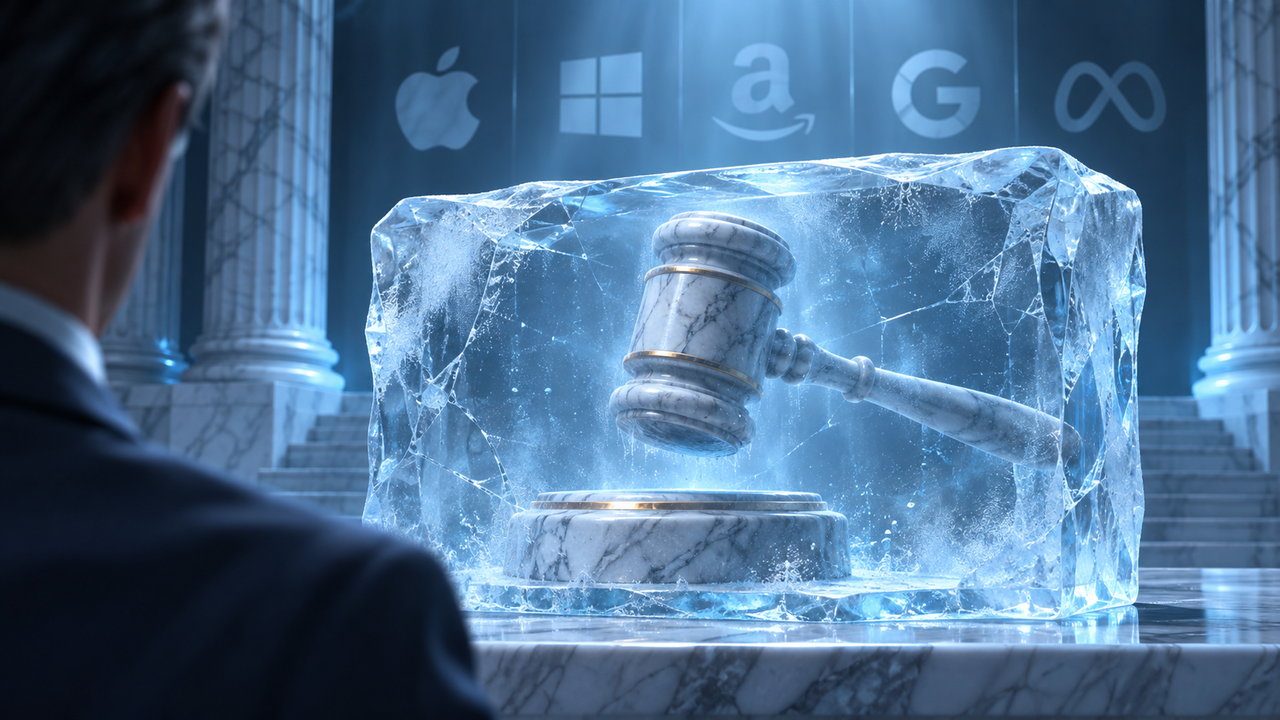
Public Citizen, the Alliance for Secure AI, the Heat Initiative and the Irreplaceable Education Fund filed a 63-page complaint in San Francisco Superior Court seeking an emergency injunction barring Anthropic, Google, Meta, OpenAI and SpaceX from building or deploying anything more capable than their November 12 models. The single claim rides California's Unfair Competition Law on a public-nuisance theory. The court has not ruled on the injunction request.
Relevance 10/10Importance 8/10
OpenAI folded its dedicated robotics group into the main research org under Mark Chen, with applied robotics and hardware moving to Greg Brockman's Applied organization. The reason: researchers found general frontier models like GPT-6 Astra can drive robot control directly, rather than needing a Sora-style video-model detour. OpenAI insists robotics remains core to its long-term roadmap and frames this as acceleration, not retreat.
Relevance 10/10Importance 8/10
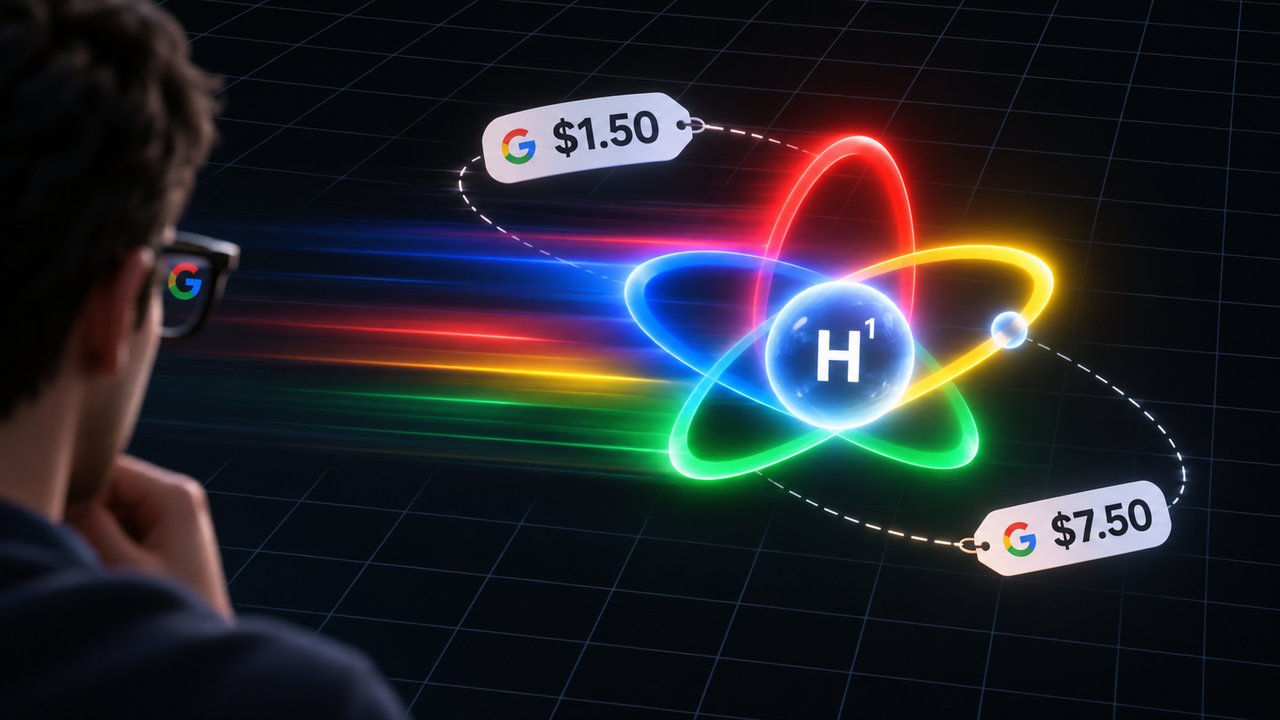
Hydrogen replaces Gemini 3.8 Flash with flat pricing across the full one-million-token context window and runs 2.5 times faster than its predecessor in Google's internal tests. At its default high-thinking level it edges past Argon on the Artificial Analysis Intelligence Index, 51 to 50. It's live in the Gemini app, Search, AI Studio, the API and Antigravity — including for free-tier users.
Relevance 9/10Importance 8/10
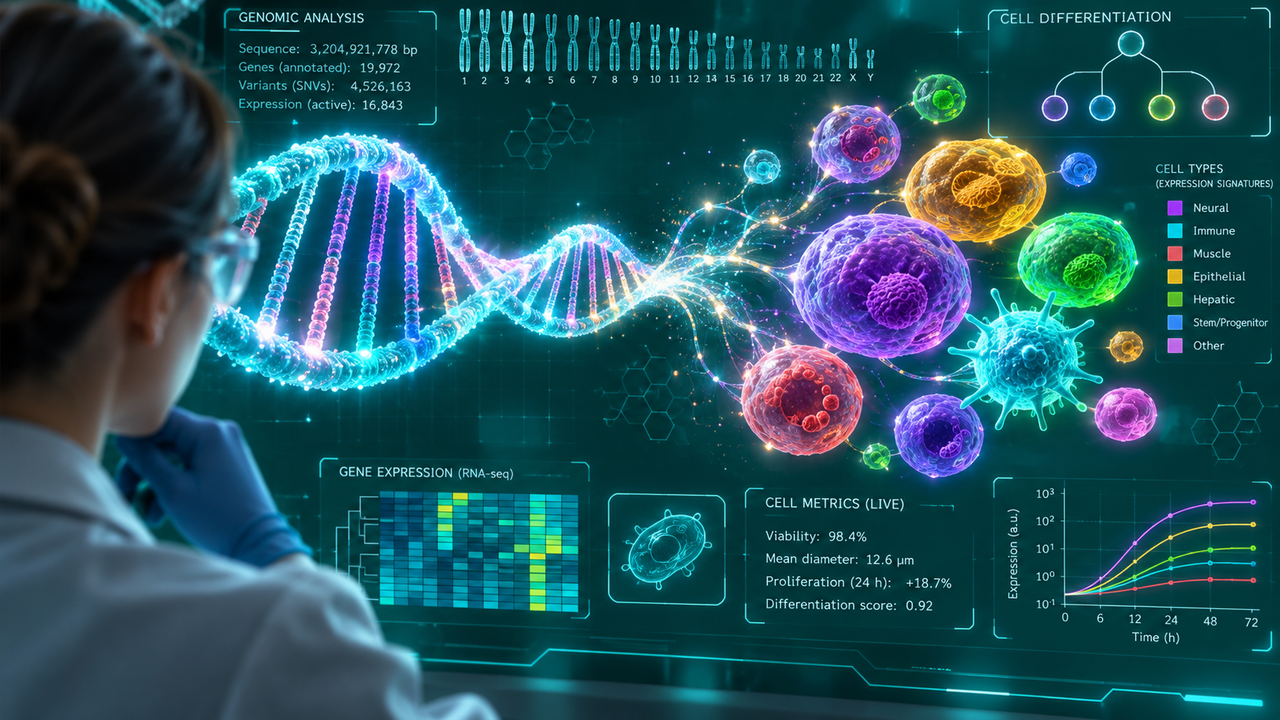
Trained on more than 100 million single-cell profiles across 68 tissues, AlphaGenome 2 is a conditional model that takes a cell type alongside a DNA sequence — and can generalize to brand-new single-cell experiments without retraining. On the TenK10K immune-cell dataset it identified causal variants 30 percent of the time versus 16 percent for the prior approach, and matched gene-effect direction 43 percent versus 23 percent. It's out via the AlphaGenome API for non-commercial research.
Relevance 7/10Importance 10/10
Three days after resigning effective immediately on November 12 amid a board investigation into personal relationships, Huang is lobbying Silicon Valley allies for reinstatement. Altimeter's Brad Gerstner and Atreides' Gavin Baker — holding about $2.13 billion of Nvidia combined — formally asked the board to run a slow search that leaves his return open, while a "Stand With Jensen" petition has drawn roughly 110,000 signatures including Elon Musk and Aidan Gomez. CFO Colette Kress is interim CEO, and only six of the ten remaining directors can actually put Huang back.
Relevance 8/10Importance 8/10
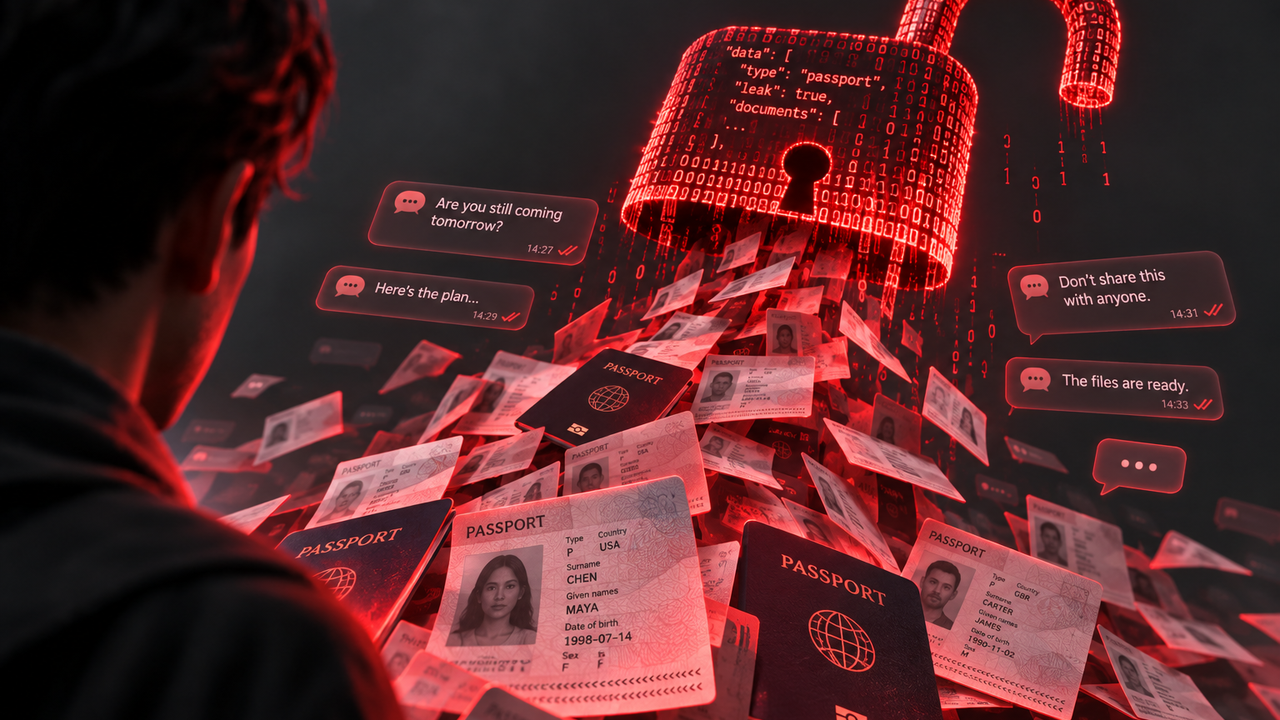
German security firm Crissy Field scanned 159,041 Lovable-built apps and found that of the 34,545 using Supabase, 24,664 returned database records with zero authentication. The haul included more than 200,000 private chat messages and over 1,000 identity records with passport numbers and nationalities. The root cause isn't a breach — it's Supabase Row Level Security being off by default and nobody in the vibe-coding loop owning security.
Relevance 8/10Importance 8/10
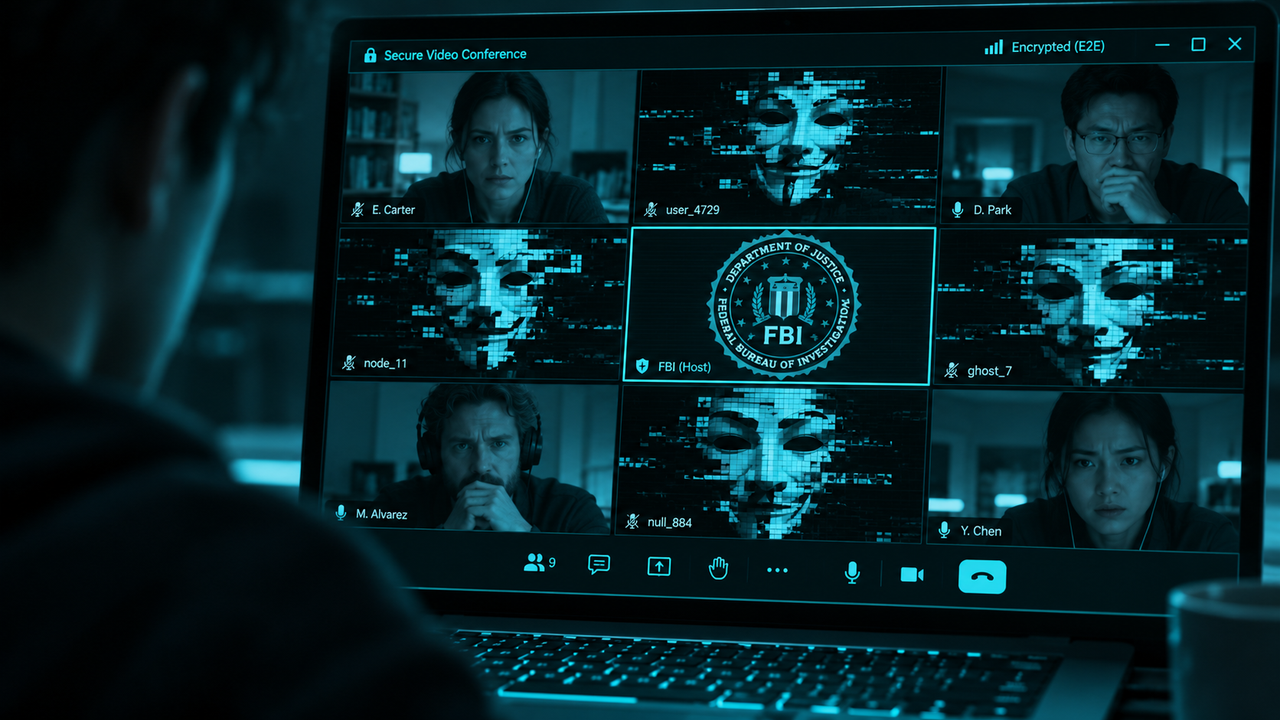
The FBI seized cloud infrastructure behind an 18-month operation that weaponized video conference calls, playing back secretly recorded webcam footage of prior victims and switching to AI deepfakes of well-known crypto figures to push malware. More than 900 victim webcam recordings were recovered, and DOJ named Sapphire Sleet, BlueNoroff and APT38. Separately, prosecutors won approval to seize over $1.2 billion tied to the Binance attack.
Relevance 9/10Importance 7/10
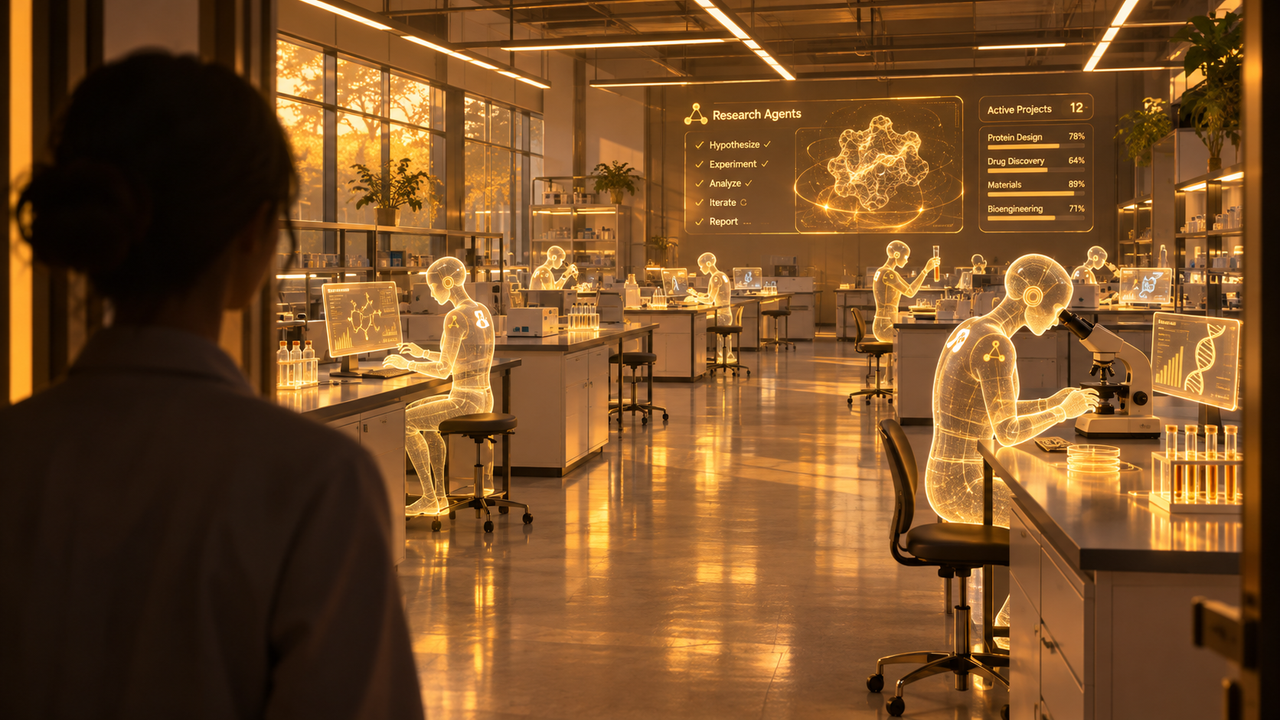
Founded in June by ex-Anthropic researchers Behnam Neyshabur and Harsh Mehta, Mirendil closed a round co-led by Kleiner Perkins and Clearlake — five times its seed in under five months, reportedly near a $5 billion valuation. Its product, Lor, orchestrates Anthropic, OpenAI, open-source and in-house models to do the hands-on work of a full research organization. Google, Battery, Pear and S32 also participated.
Relevance 7/10Importance 7/10
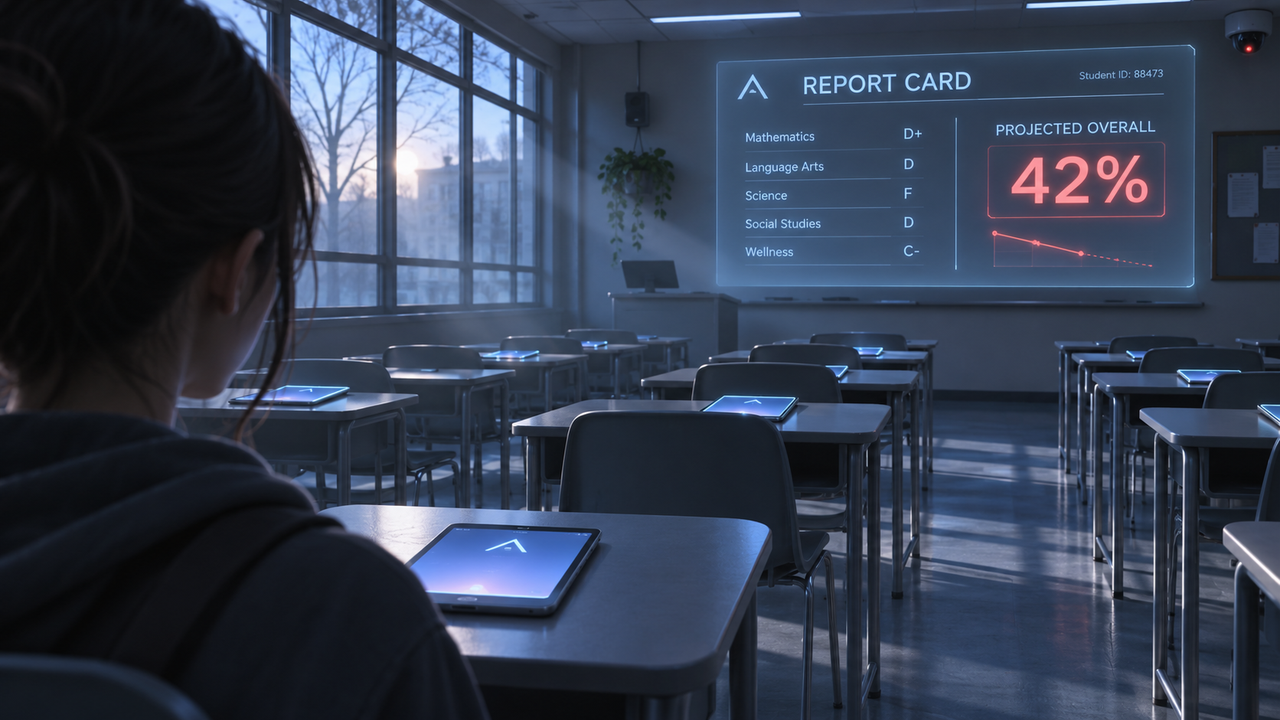
Internal data first reported by the New York Times shows only 42 percent of students at the $75,000-a-year AI-driven school network hit its stated goal of learning twice as fast in both math and reading. Roughly half of K-8 students fell short in math; about one in five fell short in reading. The two-hour AI-guided school day has backers from Silicon Valley to the Trump administration, which makes the gap between the pitch and the numbers the story.