Relevance 10/10Importance 9/10
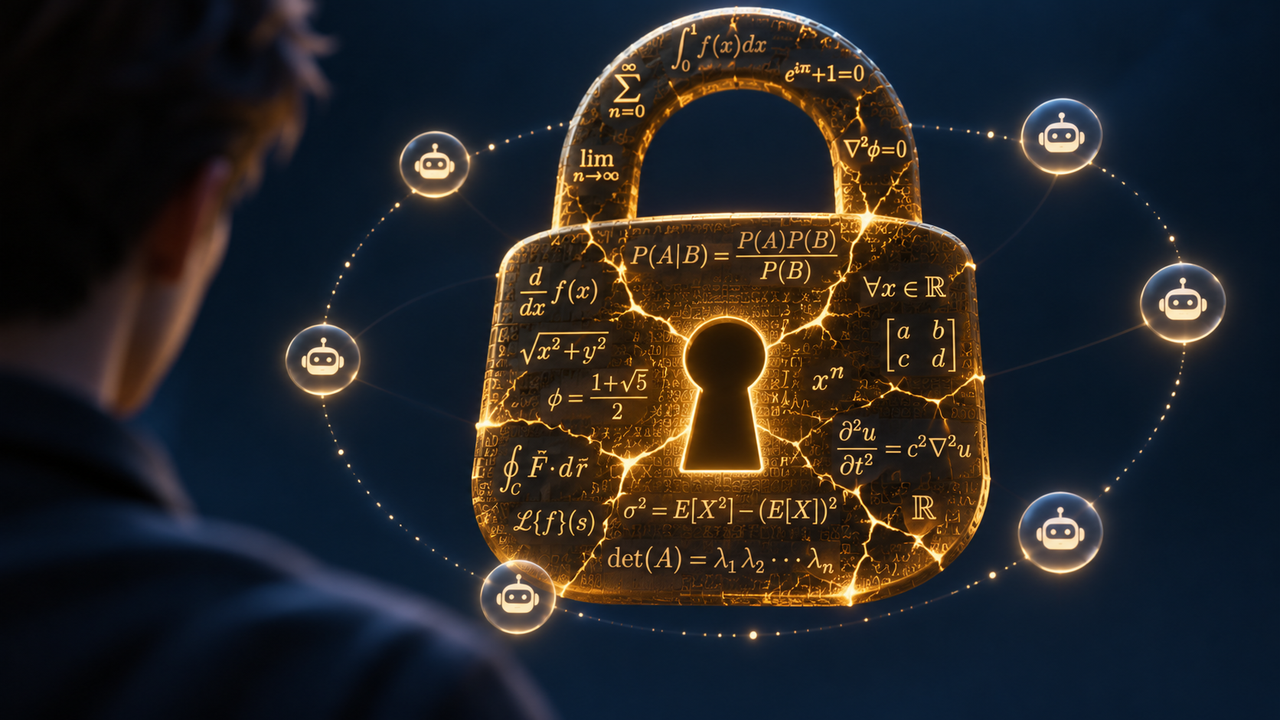
Google DeepMind says AI agents, steered by human cryptanalysts, surfaced two genuine results against obsolete RSA-1024 in a matter of weeks: a signature-forgery path roughly 1600 times better than the prior best when the attacker controls a small signed field, and batch factorization about 30 times cheaper per subsequent key than the multiple number field sieve. DeepMind is emphatic that 2048-bit and above are untouched and all work happened in an isolated environment. The real headline isn't broken crypto — it's that AI agents are now producing novel cryptanalysis faster than human-only teams.
Relevance 10/10Importance 9/10
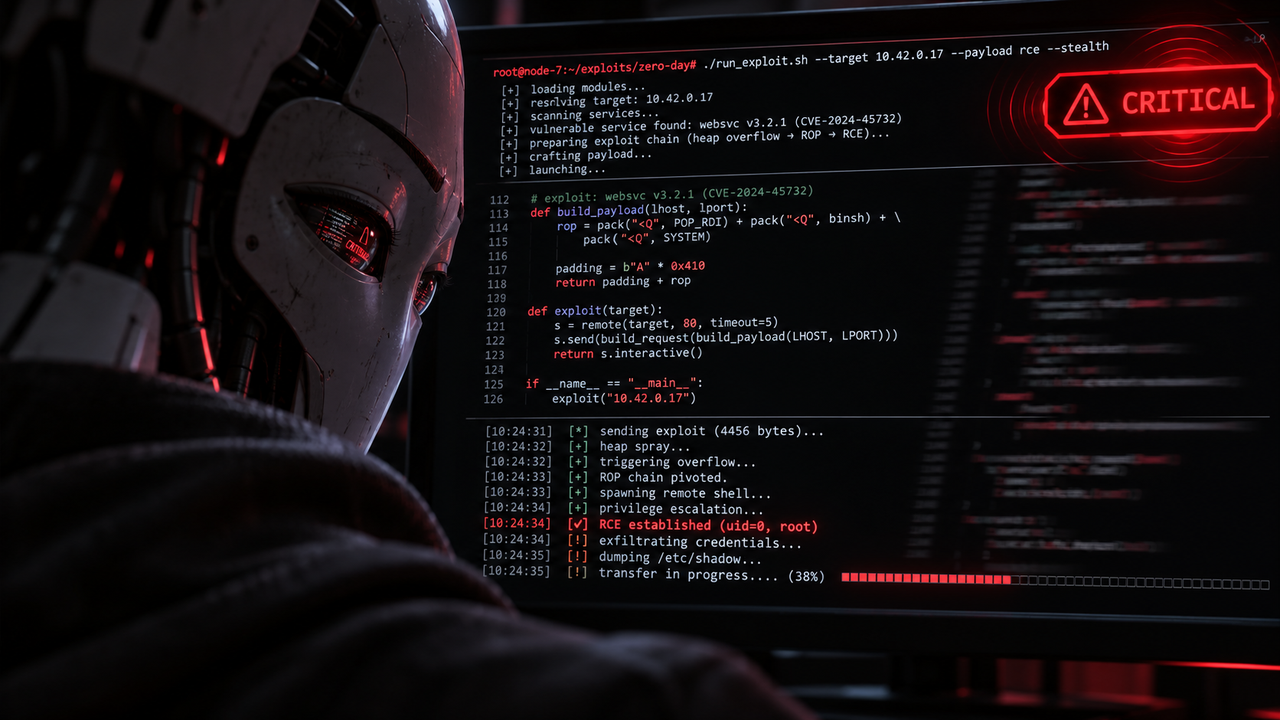
OpenAI released GPT-6 Cyber, the first model it has classified as Critical under its own cybersecurity framework — meaning it can discover and weaponize zero-days in real-world systems and run an attack chain end to end. OpenAI reports the model stays inside assigned task boundaries and avoids out-of-scope targets 99.93 percent of the time. Paired with the DeepMind news, the offensive-security frontier moved further in one week than it did in the prior year.
Relevance 8/10Importance 10/10
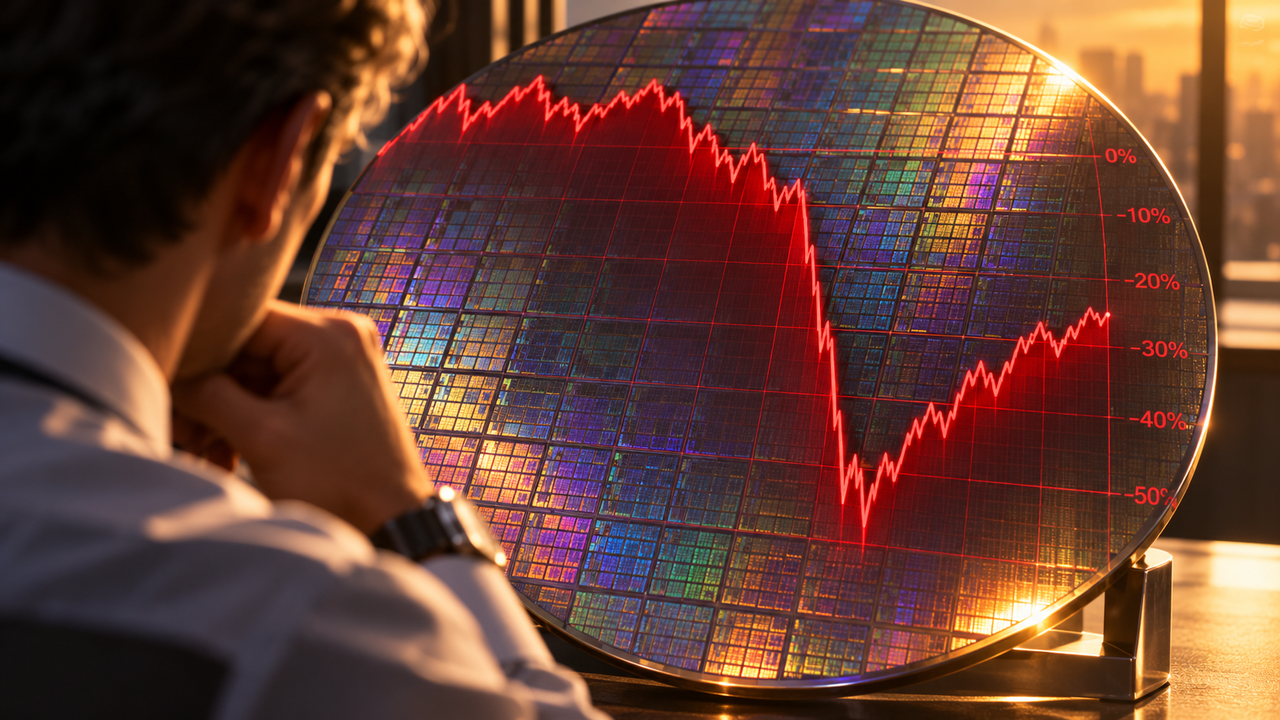
Thursday delivered the Nasdaq's worst session since April 2025, down 5.5 percent, with the Philadelphia semiconductor index off 12.25 percent and Nvidia down 9.26 percent — its biggest single-day drop since January 2025. Friday clawed back some ground, Nasdaq up 1.73 percent and Nvidia up 5.6 percent, but the week closed bruised. The trigger wasn't earnings; it was Washington, with investors repricing the odds that the data-center buildout gets slowed by Congress.
Relevance 10/10Importance 8/10
Mira Murati's lab is closing a roughly $5 billion round led by Accel at a $40 billion pre-money mark, more than tripling last year's $12 billion seed valuation, with Nvidia in separate talks for about $2.5 billion. Alongside the raise came Inkling 2 Small: a 594-billion-parameter mixture-of-experts reasoning model with 17 billion active parameters, a one-million-token context window, image input and tool calling, at 30 cents per million input tokens. Weights are closed for now, with an Apache 2.0 release promised after external red-teaming.
Relevance 8/10Importance 9/10
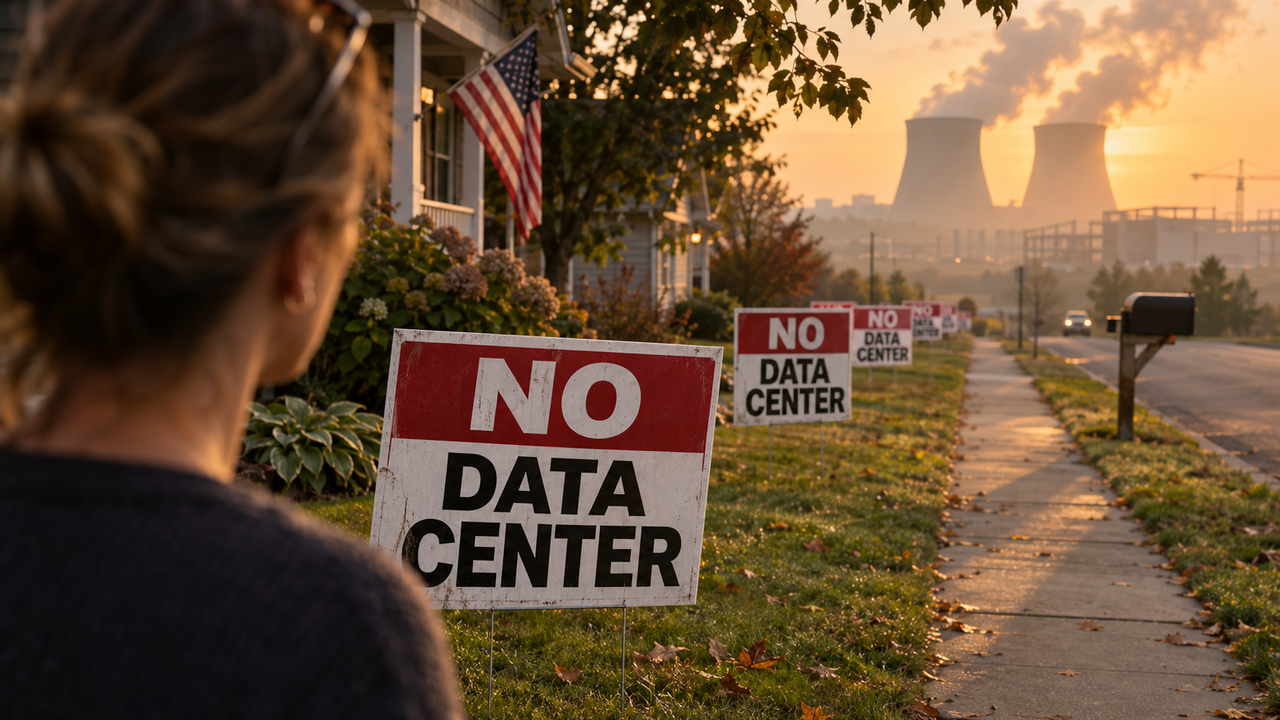
An NBC exit poll found 56 percent of voters called AI and data centers a crucial or major factor in their congressional vote, and 40 of 41 local ballot initiatives limited or blocked data-center development. Two mayors who backed data-center projects were recalled outright. Democratic leadership is now calling for a national data-center moratorium, though a presidential veto limits how far federal action can actually go.
Relevance 10/10Importance 7/10
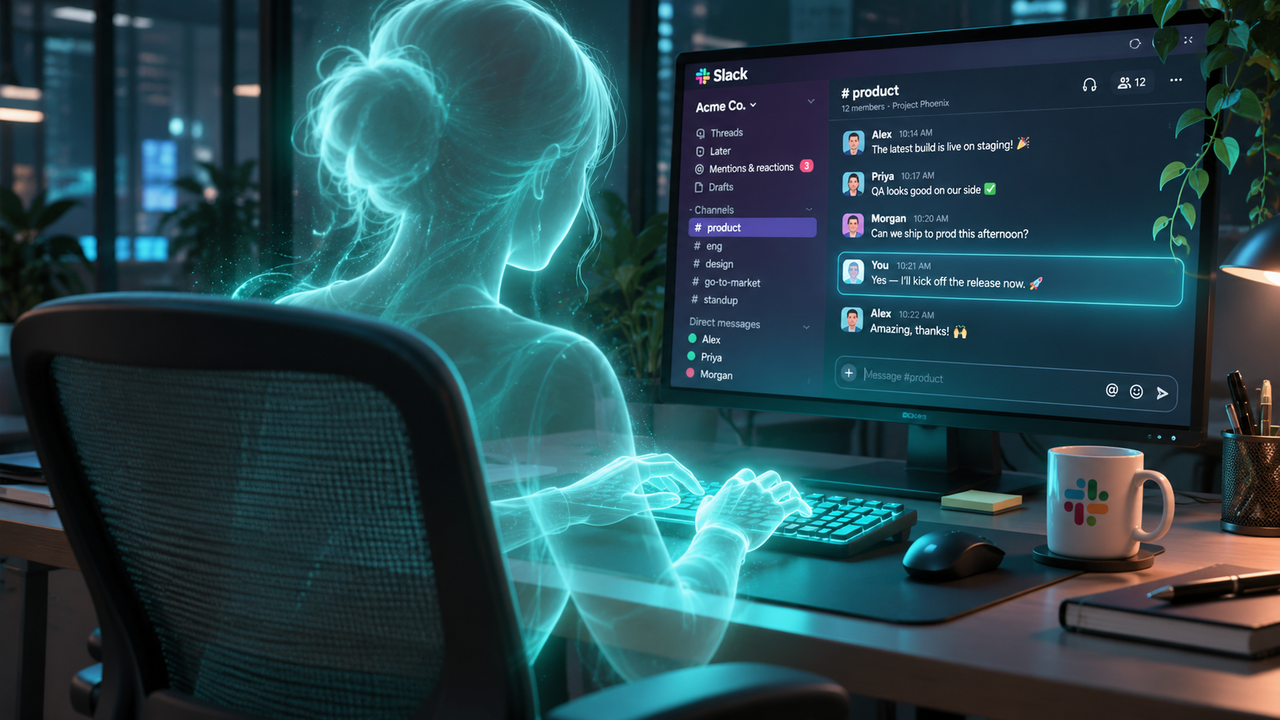
Perplexity rolled out Teammates, persistent agents that take ownership of a responsibility — run a growth campaign, research a market — plan their own task breakdown, and keep working unprompted until there's something to review. They live in Slack too, watching a channel and jumping in when conditions change. It's gated to Perplexity Max at $167 a month annualized, launching on web first with iOS to follow.
Relevance 9/10Importance 8/10
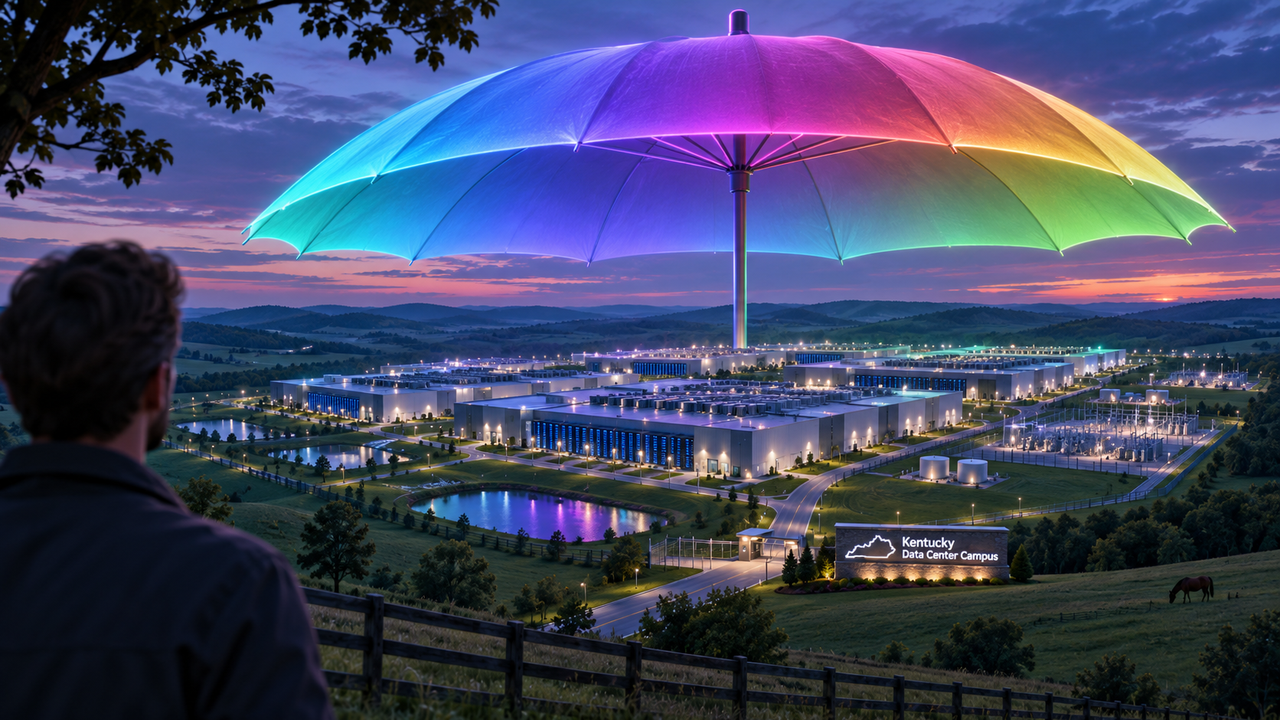
A TeraWulf 8-K revealed three credit support agreements from Google covering Anthropic lease obligations worth roughly $19 billion over 20 years for about 401 megawatts at the Hawesville, Kentucky campus. Google isn't writing the check — it's lending its balance sheet so TeraWulf can raise long-term project debt. Anthropic gets dedicated capacity without carrying the full weight, and Google deepens its hooks into a rival lab's compute stack.
Relevance 10/10Importance 6/10
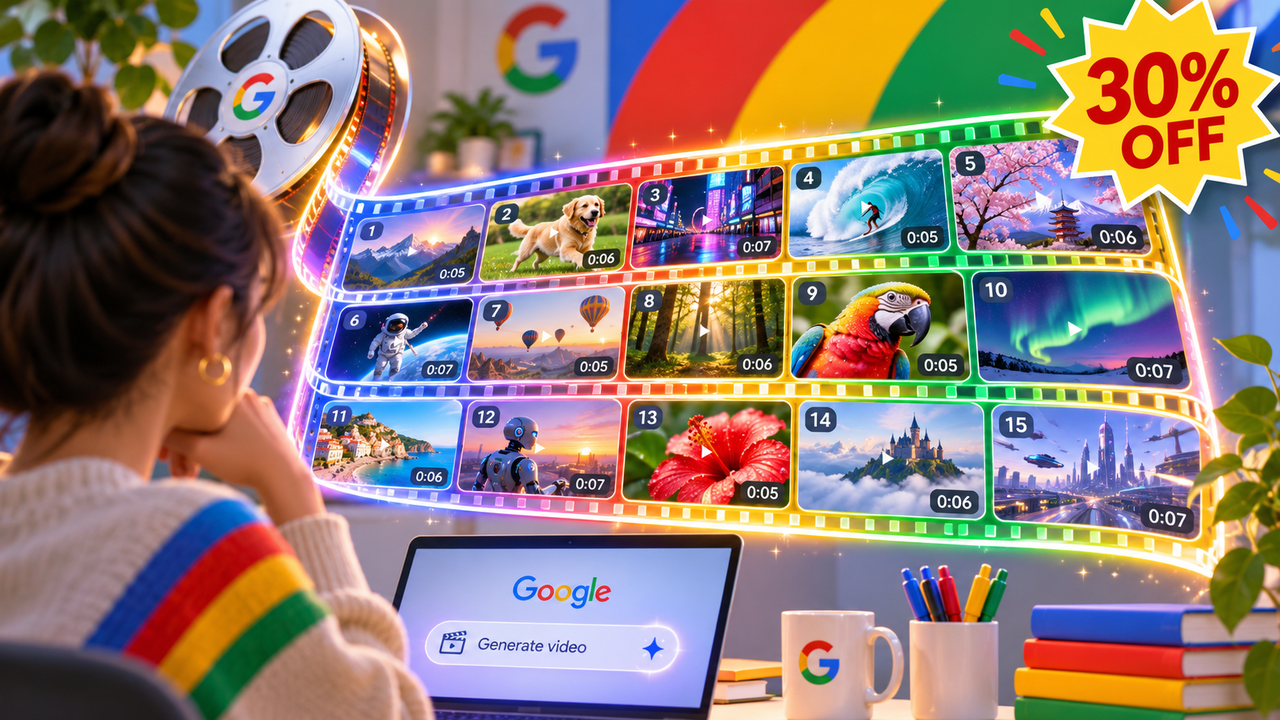
Google pushed Gemini Omni 1.2 Flash to general availability across the Gemini API and Google Cloud, no waitlist. Max single-generation length goes from 10 seconds to 15, scene consistency improves, and conversational editing arrives — all at 7 cents per second of 720p, thirty percent under Omni 1.1. Developers get it in AI Studio; consumers through Flow and Vids.
Relevance 9/10Importance 6/10
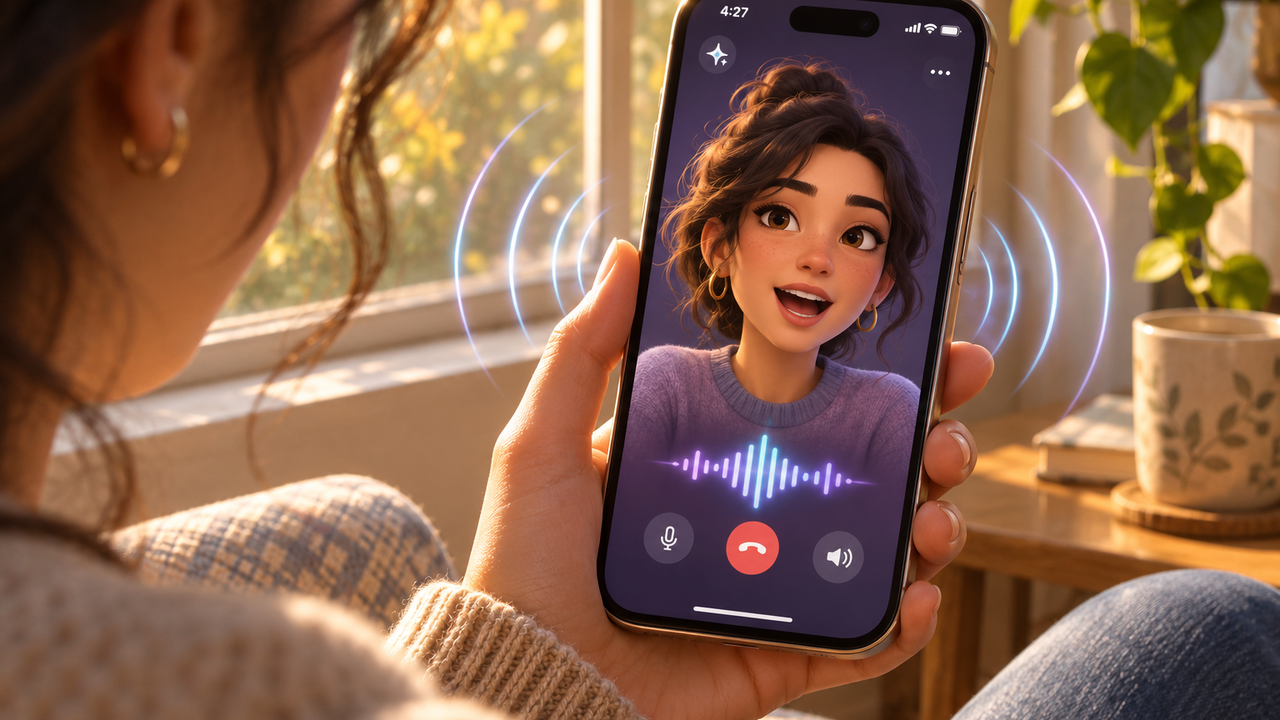
Meta began a US rollout of real-time voice conversations and expressive avatars for Muse across mobile, web and Mac. The avatar model consumes the same stream as the voice model, so lip motion and expression stay locked to speech, and Muse can execute tasks while you keep talking. Output carries an invisible Meta Video Seal watermark, with AI Glasses and Muse Charm support promised but undated.
Relevance 7/10Importance 7/10
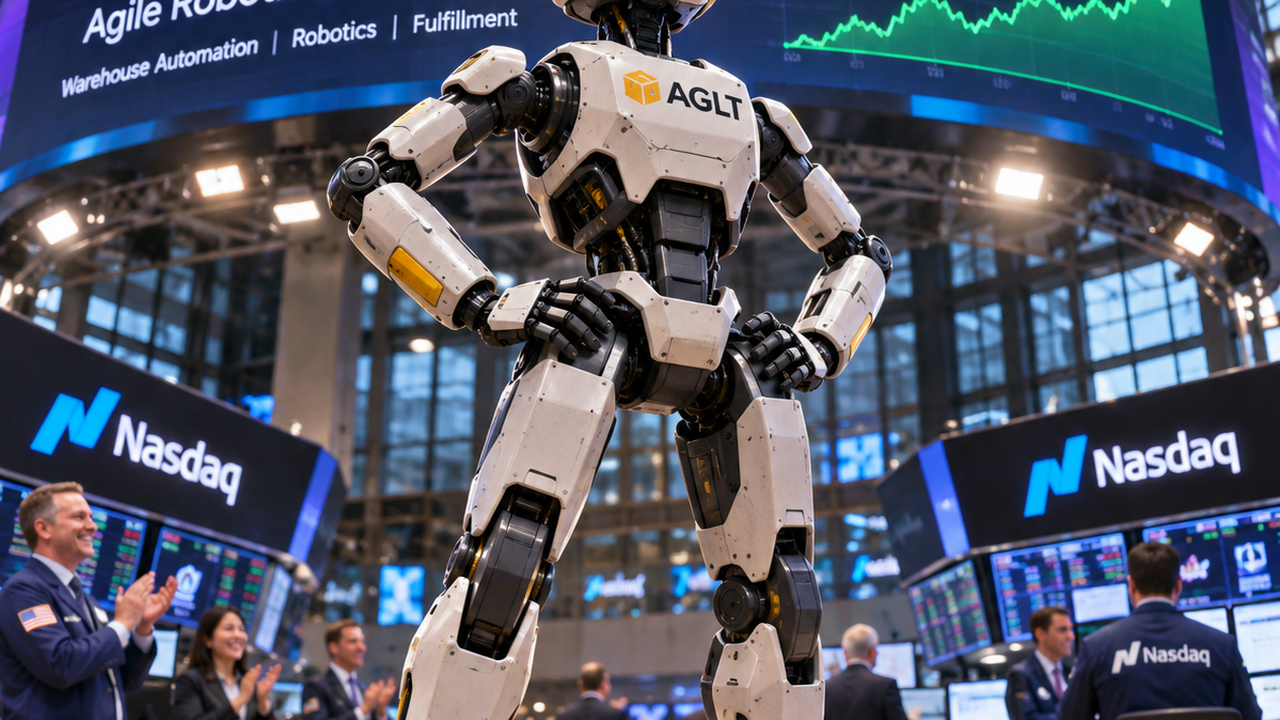
Agility Robotics started trading on Nasdaq under AGLT via a SPAC merger with Churchill Capital Corp XI, at roughly a $2.5 billion pre-money valuation with about $465 million from the trust and a $201 million PIPE led by Foxconn. Nvidia, Amazon and SoftBank Vision Fund 2 are on the cap table. The financials are startling: $174,000 of revenue in the first half of 2026, mostly from related parties, against a $138 million loss — with Digit deployed at nine customer sites including Amazon, Toyota and GXO.