Relevance 9/10Importance 6/10
Fugleramme pairs a USB mic and a Raspberry Pi 5 with BirdNET-Go, which classifies bird species from their calls in real time, then renders the detected birds as public-domain Victorian naturalist plates on a 13.3-inch Inky Impression e-ink panel. Over 800 hand-cut illustrations are mapped to species, and the layout even positions birds by body mass with larger species toward the center. The display only refreshes when the detected species actually change, and the e-ink panel is optional — it runs web-only too.
Relevance 9/10Importance 6/10
Capsule packages an entire app — HTML interface, schema, assets, and a local SQLite database — into one portable .capsule file that runs natively on macOS, Windows, and Linux. The intended workflow is to describe your app to Claude or ChatGPT, get a self-contained file back, and then share it over WhatsApp, AirDrop, or email like a PDF. Everything is offline-first with no accounts, no cloud, and no subscription.
Relevance 6/10Importance 9/10
JDK 27 hit general availability today with nine JEPs, including G1 becoming the default garbage collector everywhere, compact object headers turned on by default, and post-quantum hybrid key exchange added to TLS 1.3. Structured Concurrency lands its seventh preview, the Vector API its twelfth incubator round, and JFR gains in-process data redaction. Build 35 is the GA cut, shipped clean after a release candidate that surfaced no P1 bugs.
Relevance 6/10Importance 9/10
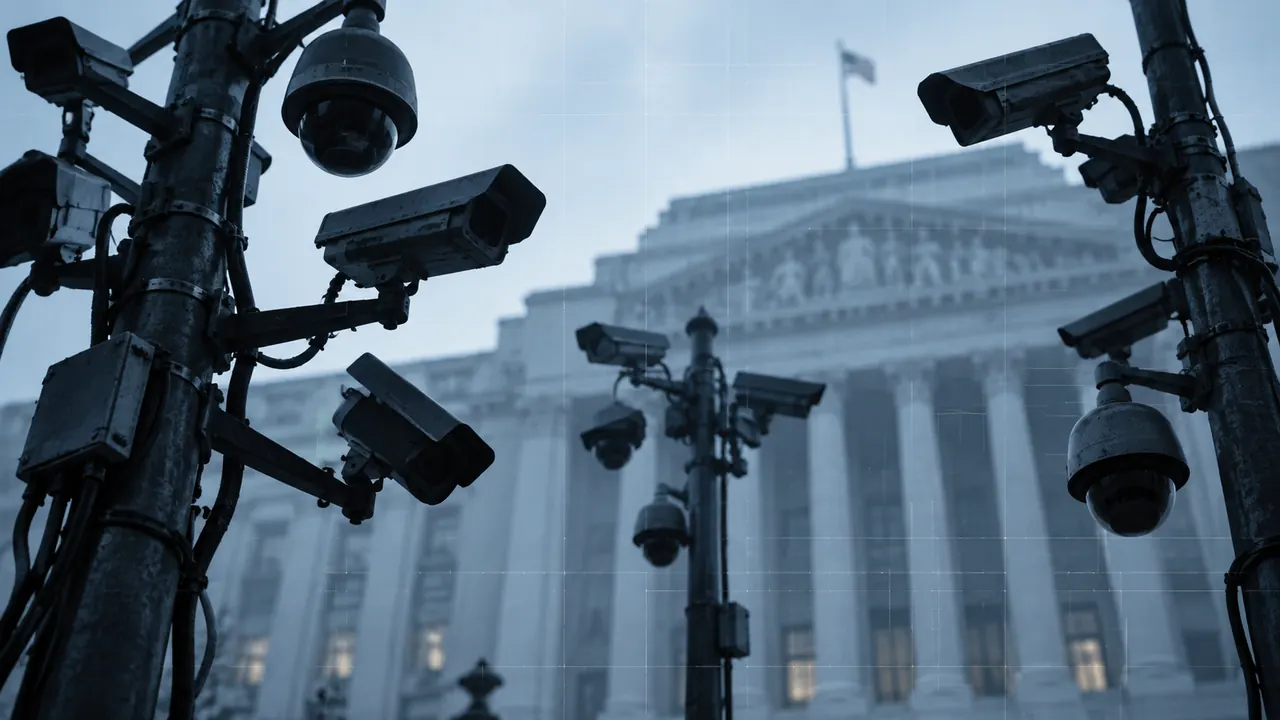
Bruce Schneier and Cindy Cohn argue that the post-9/11 surveillance apparatus has metastasized from counterterrorism into routine policing and private data brokerage, with no demonstrated effectiveness to justify it. They catalog license plate readers, facial recognition at ICE and TSA, cell location tracking, and documented abuse from NSA "LOVEINT" to police tracking abortion seekers. Their fix: Congress should require warrants for both collection and access, pass comprehensive privacy law, and put teeth behind the Fourth Amendment with private rights of action.
Relevance 7/10Importance 7/10
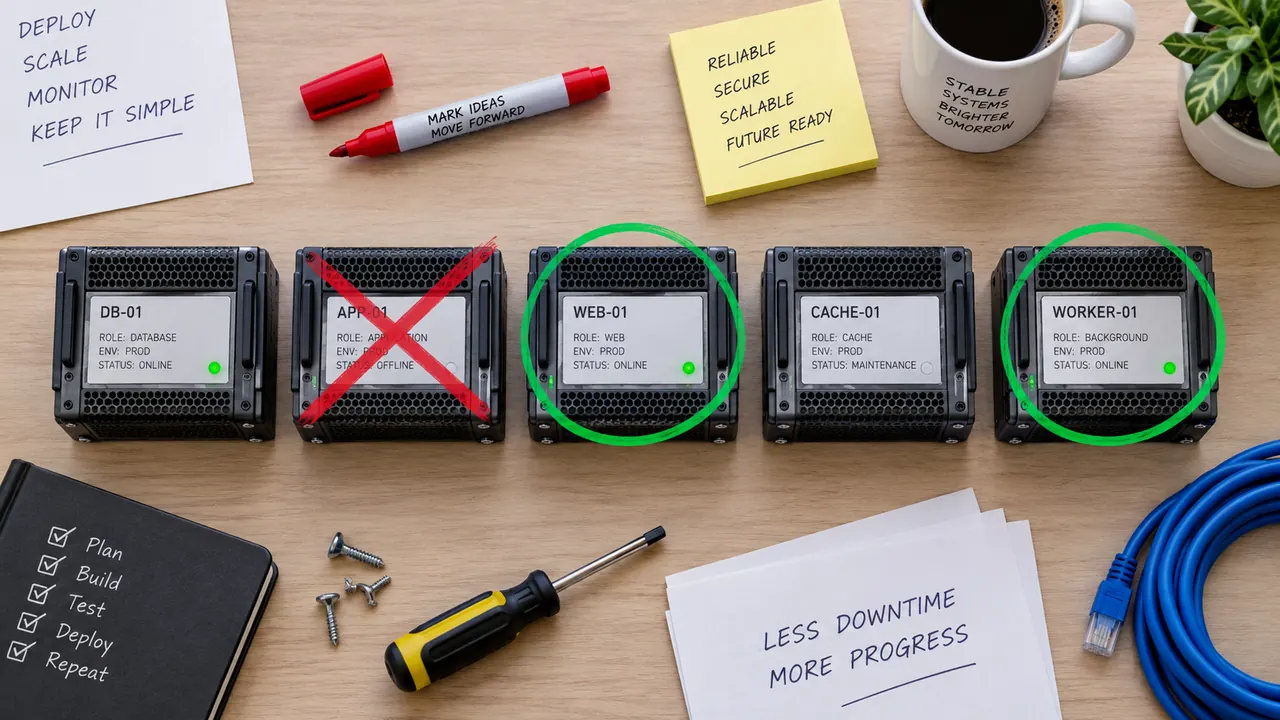
After the company behind MinIO abandoned the project in late 2025, Robin Moffatt's demos and build pipelines lost their go-to local S3 emulator, so he benchmarked seven replacements. SeaweedFS and S3Proxy came out as the ones he'd actually use — both Apache-licensed, both over a decade old, both trivially configurable. RustFS was smooth but alpha with a recent CVE, while Garage and Apache Ozone were too heavyweight for simple single-node work.
Relevance 7/10Importance 5/10
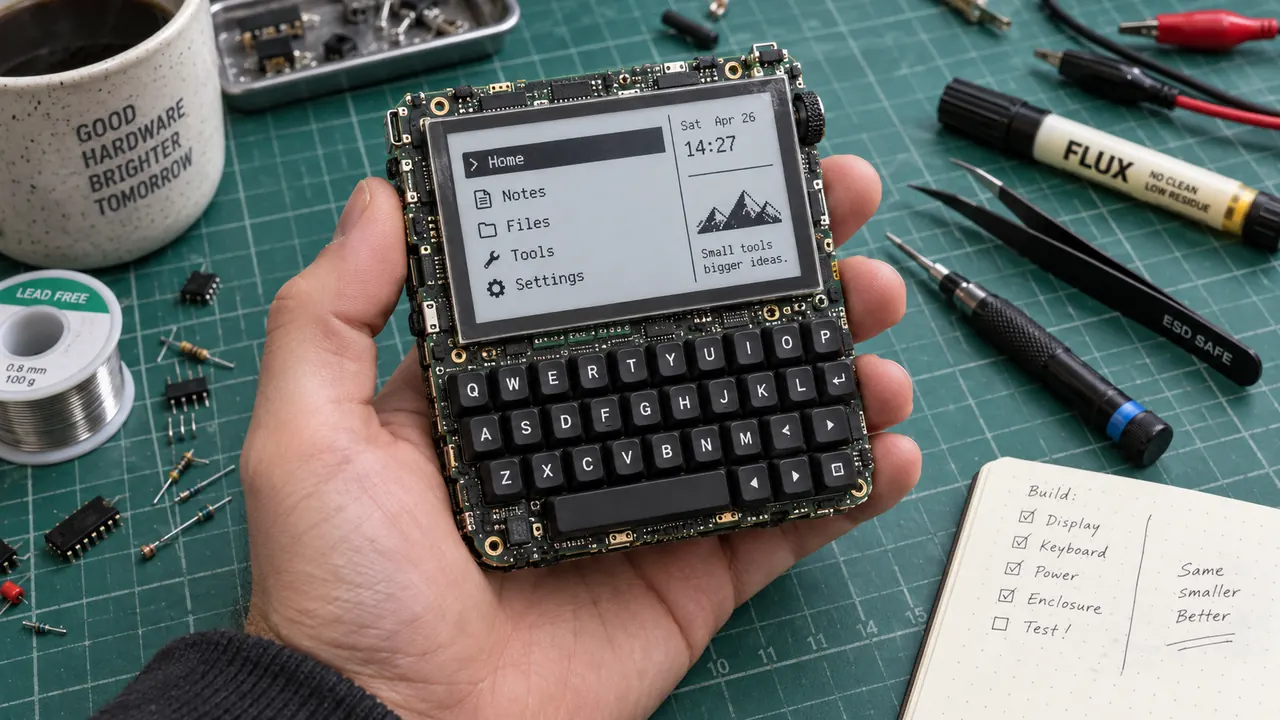
The author turned a twenty-dollar MF800 4G modem into a Beepy-style messaging gadget by flashing OpenStick Linux over ADB and EDL mode, then wiring it to a Clicks iPhone keyboard and an Adafruit SHARP memory display. Because the stock board lacked the right parts, they designed a custom adapter PCB with a TUSB320 USB controller, voltage converters, and level shifters — and physically trimmed the modem PCB to fit the keyboard case. They compiled mainline kernel 6.12.1 and added dithering to the SHARP DRM driver to make the display look decent.
Relevance 5/10Importance 8/10
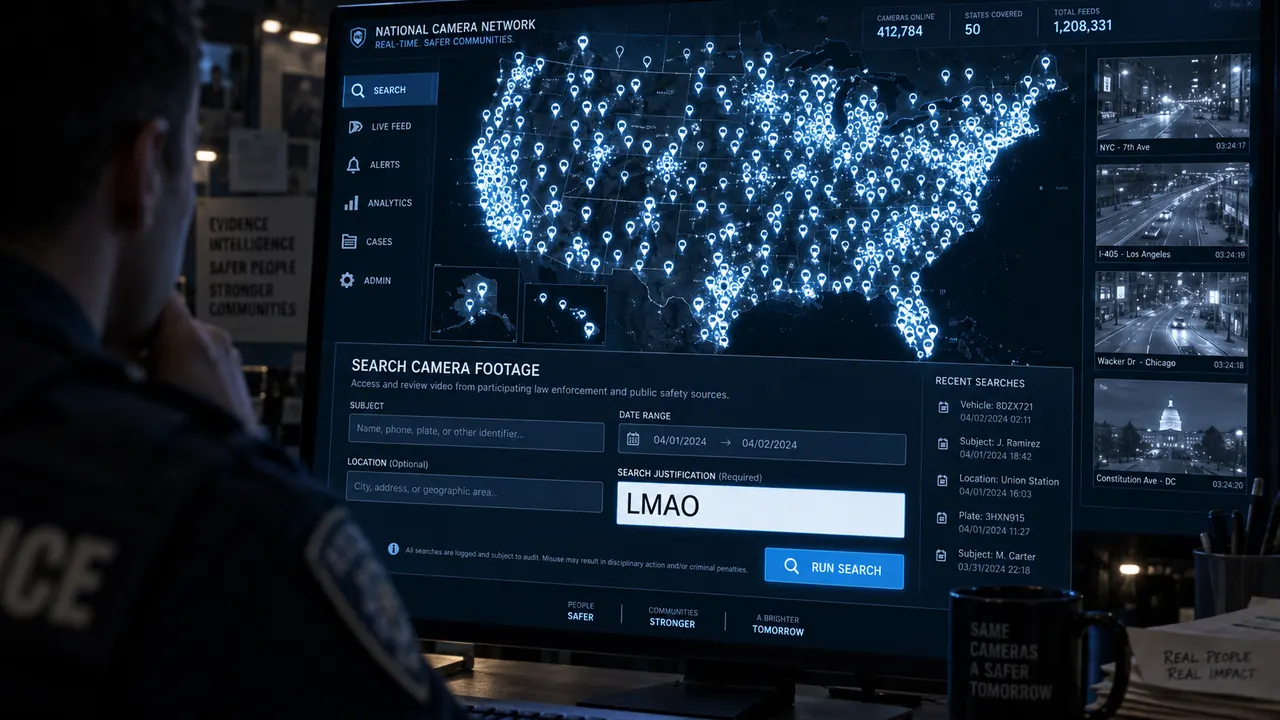
An officer with the Lake County, Indiana Sheriff's Department ran a license plate through Flock's nationwide network — more than 19,000 cameras across 1,558 cities and towns — and typed "LMAO" into the mandatory justification field. An EFF analysis found dozens of similar searches justified with "IDK," "hehe," and literal keyboard mashing like "asdfg." It's a direct illustration of how little friction stands between a bored cop and a continent-scale location database.
Relevance 4/10Importance 9/10
The US 10-year Treasury yield pushed above 5 percent today, its highest since July 2007, while Bloomberg's global government debt gauge climbed to 3.72 percent — a level unseen since mid-2008. Germany's 10-year is at post-2011 highs, Japan's is holding above 3 percent, and UK gilts hit a post-2008 peak. For anyone burning venture money, this is the cost-of-capital story that quietly determines which startups get a Series B.
Relevance 2/10Importance 6/10
Daniel Frank digs into the 1930 discovery of roughly a million people living in the New Guinea highlands, isolated from the outside world for ten thousand years. Malarial lowlands and impassable mountains kept them decentralized and unconnected — sweet potatoes traveled between groups without any knowledge of where they came from. It's the only first-contact event in history captured on film, thanks to prospector Mick Leahy, and it's a rare natural experiment in how fast technology and ideas can reshape a society.
Relevance 2/10Importance 4/10
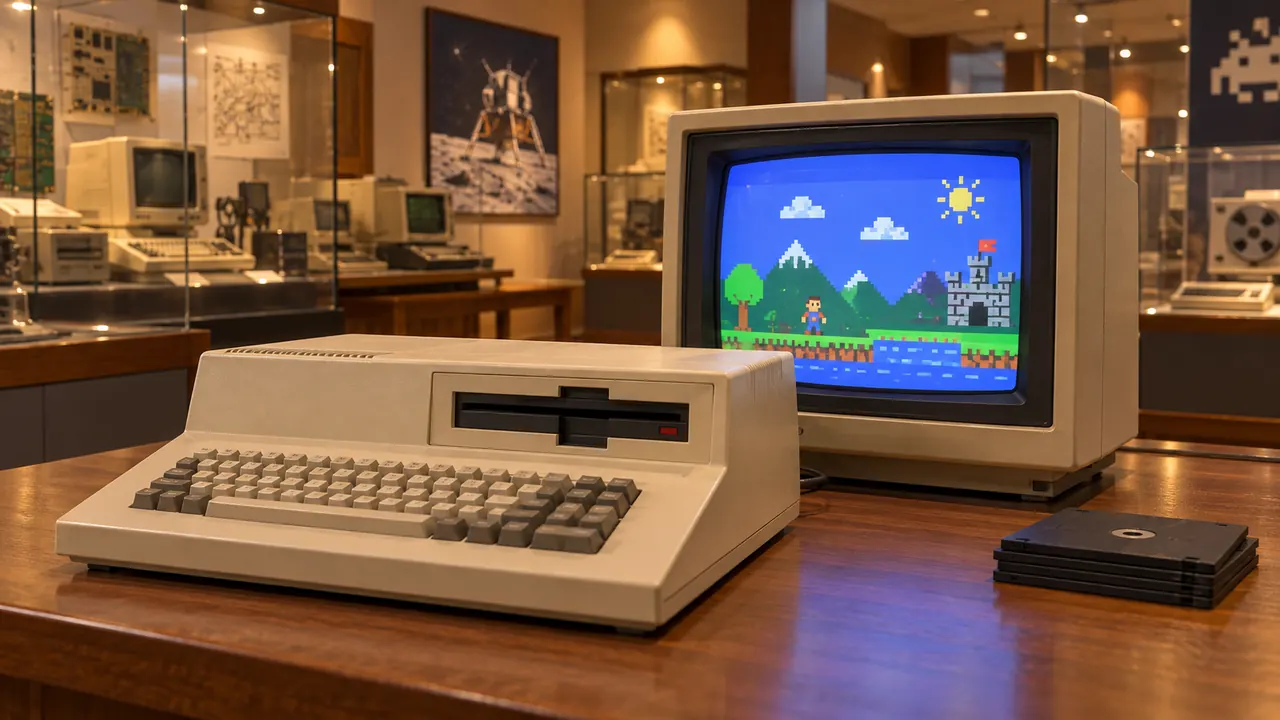
The SMC-70 shipped in September 1982 with a Sharp Z-80A at just over 4 megahertz, 64K of RAM, and 16-color analog RGB output. It was only the second Sony product to use the company's brand-new 3.5-inch micro floppy, and it ran a custom Sony BASIC tuned for Trinitron displays. The later 70G and 70GP variants found their real niche in broadcast, genlocking computer graphics onto live video and laserdisc.

 HN Briefing AM