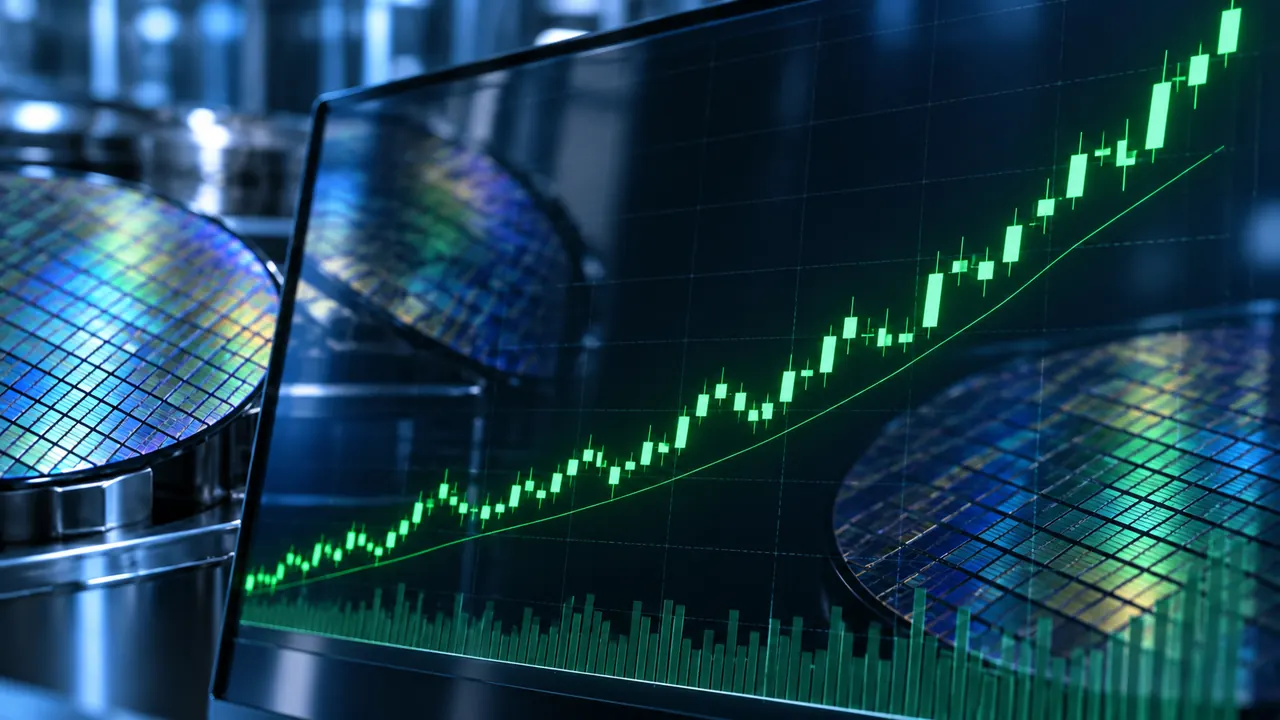
The Nasdaq Composite jumped 439.87 points, or 1.7%, to close at 26,418.30 on Friday, while the S&P 500 added 85.95 points, or 1.1%, to 7,637.76. Semiconductors did the heavy lifting — the SMH semi group rose close to 3% and the Technology Select Sector SPDR (XLK) gained 2.2%, the best of the eleven sectors. Nine of eleven S&P sectors finished green as Treasury yields stabilized post-Fed.
Micron reports fiscal Q4 on September 30, with consensus near $50.8 billion in revenue and roughly $31.35 in EPS. The company has previously disclosed approximately $100 billion in binding multi-year AI memory agreements, which has effectively sold out its HBM supply through 2026, with incremental HBM packaging capacity not arriving until the first half of calendar 2027. That supply-constrained setup is the single biggest scheduled catalyst on the AI calendar this month.
Anthropic confidentially filed with the SEC on June 1 and is targeting an October Nasdaq listing at a reported valuation near $2 trillion, with Goldman Sachs, JPMorgan and Morgan Stanley leading an offering expected to raise more than $60 billion. That would eclipse SpaceX's $1.77 trillion June offering as the largest IPO on record. The valuation is reportedly not formally fixed, so treat the number as a target, not a price.
Sam Altman called going public in 2026 "ill-advised," pushing any OpenAI listing to 2027 at the earliest with no firm date set. The comments landed alongside Anthropic CEO Dario Amodei's essay arguing AI labs "must slow the pace" of capability gains. The news repriced the AI IPO pipeline and knocked semis lower the week it hit before the group recovered.
At Huawei Connect in Shanghai, Huawei laid out an Ascend 960DT launch in Q1 2027 and a 960PR in Q3 2027, alongside a UnifiedBus interconnect for linking chips into larger systems. Nvidia slipped on the headline but recovered into Friday, trading around $219.13, up 2.45%. Jensen Huang separately said Nvidia will double the number of chips it sells next year.
AMD jumped 7% to $548.76 on Thursday, leading a third straight session of semiconductor gains, with Broadcom up 2.29% and Nvidia up 2.54%. The iShares Semiconductor ETF rose 3.39% on the session. Notably, the move looked driven by sector flows and AI-stack roadmap chatter rather than a hard company-specific catalyst — which cuts both ways.
Bank of America's Vivek Arya maintained a Buy and a $365 price target on Marvell, implying roughly 55% upside from a September 11 close near $236.10. The thesis rests on Marvell's expanding content per AI system — custom silicon plus optical interconnect — in a custom AI market BofA sizes at $300 billion by 2030. Marvell has already run roughly 180% in 2026, helped by an expanded Google partnership.
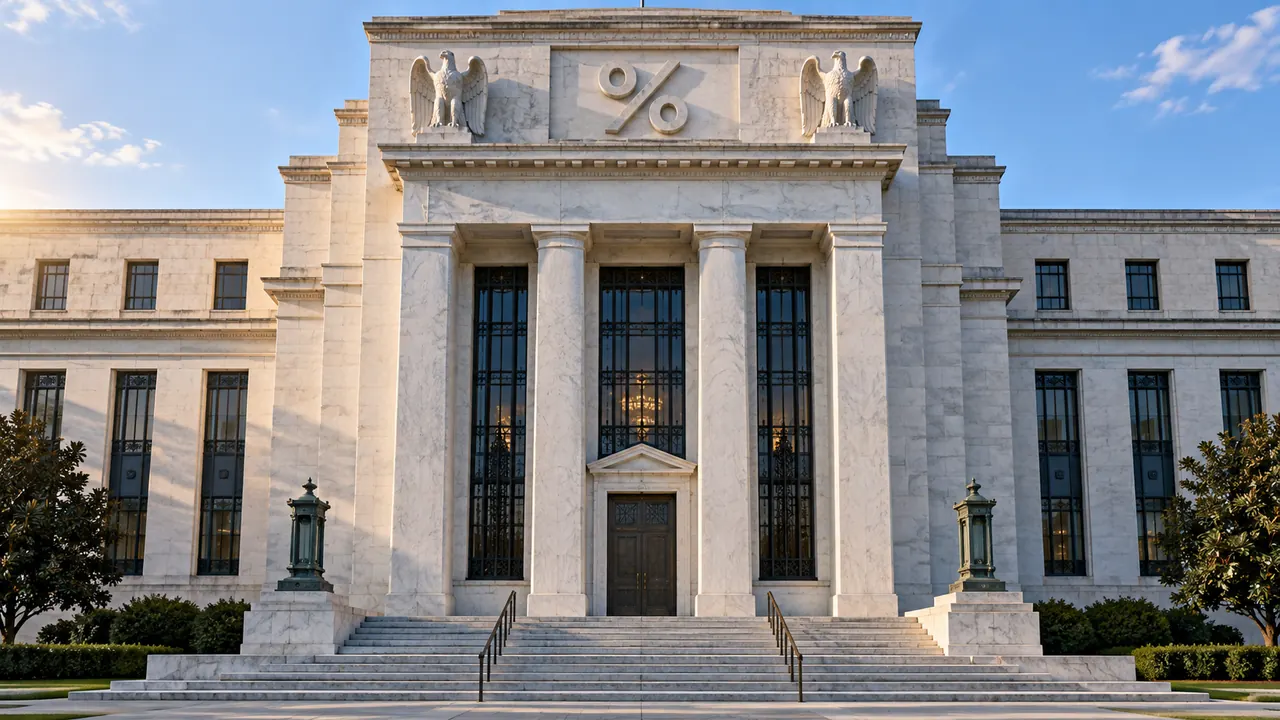
The FOMC raised its target range a quarter point to 3.75%–4.00% in a unanimous vote, with projections pointing to one more quarter-point increase this year. The initial reaction was risk-off — the Dow fell 1.21%, the S&P 500 slid 0.45% — but tech reversed hard the next session, with the technology sector up 2.25% and both Alphabet and Meta gaining more than 1%. Falling oil prices helped ease the inflation read-through.
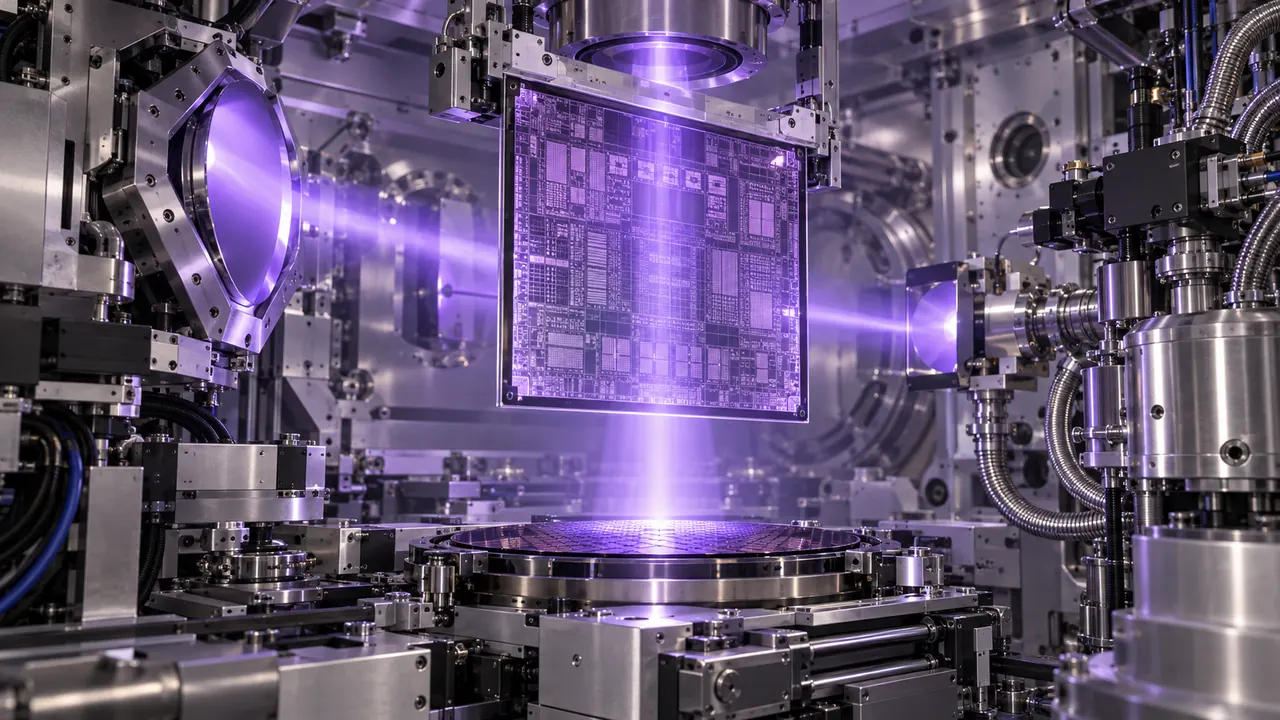
ASML, TSMC, Samsung and Intel are backing a shift to 12-inch photomasks so High-NA EUV tools can print larger data-center dies, a change ASML's CTO says could lift system productivity by roughly 40%. The timeline is long — pilot line around 2031, high-volume readiness around 2033 — with Samsung adopting High-NA for HVM by 2028 and TSMC from 2030. It's a structural datapoint for the AI supply chain, not a near-term earnings driver.
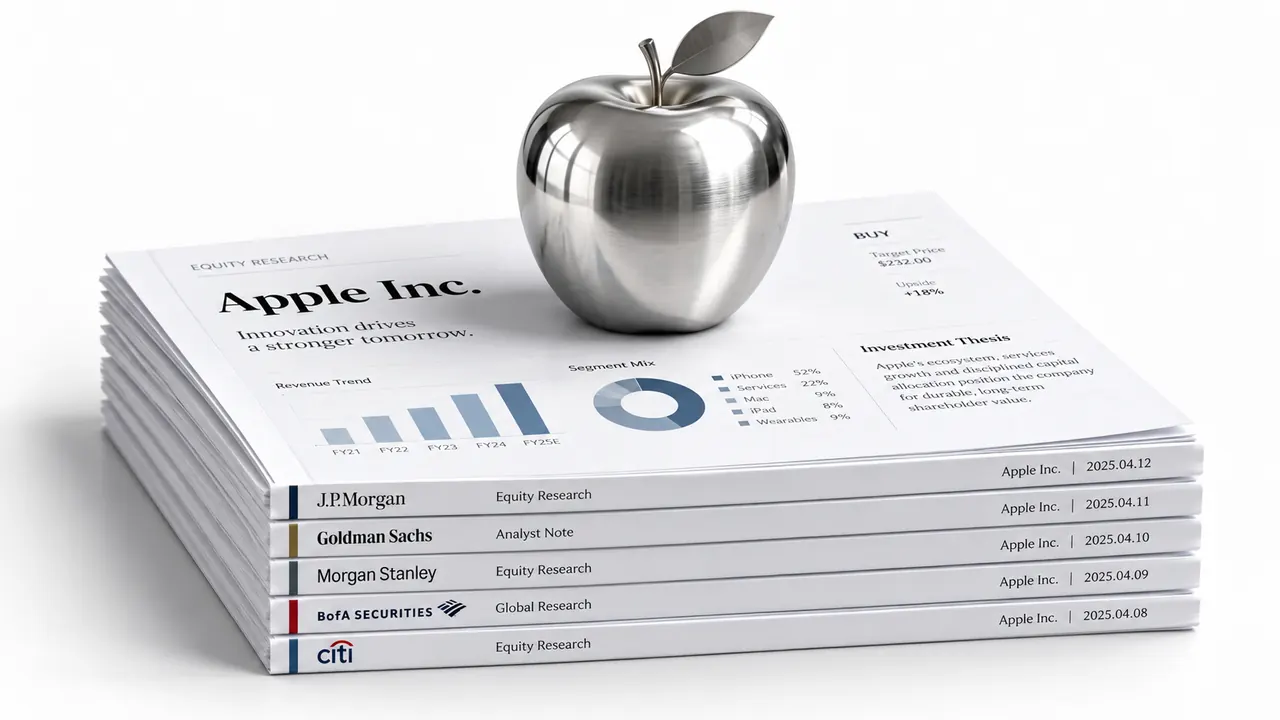
Apple featured in Benzinga's Friday analyst wrap with a call implying roughly 13% upside, one of ten notable price-target actions on the day. Elsewhere in the same batch, Wells Fargo's Steven Cahall downgraded Netflix to Underweight and cut the target from $80 to $57, and an analyst trimmed ON Semiconductor to a $75 target from $91 on a Hold. The spread shows sell-side conviction is narrowing toward AI-levered names and away from the rest of tech.

 AI Stocks