Relevance 10/10Importance 9/10
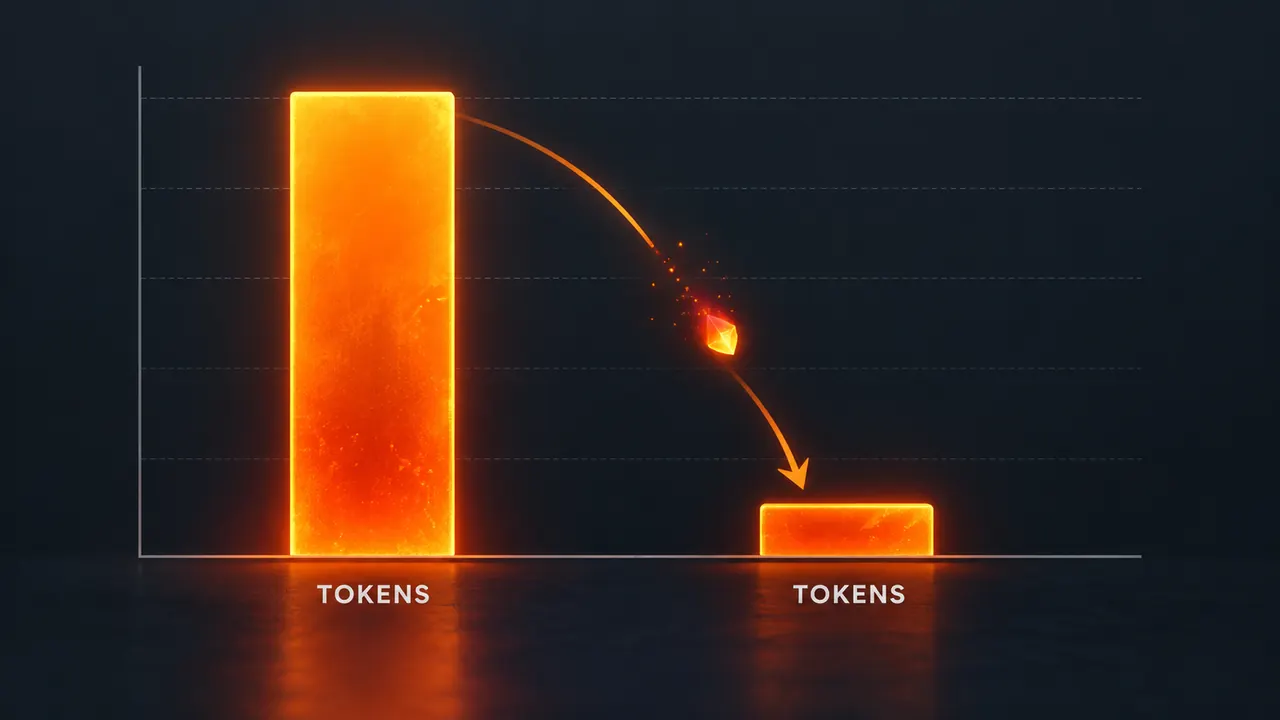
Fireworks AI released Ember-1, a model built on Kimi K3 that delivers equivalent quality while burning roughly 40 percent fewer tokens. It learns to skip unnecessary reasoning chains without sacrificing accuracy, setting new efficiency frontiers on benchmarks spanning medical diagnostics and software engineering. For anyone running multi-turn agentic workloads in production, this is a direct hit to the inference bill.
Relevance 9/10Importance 7/10
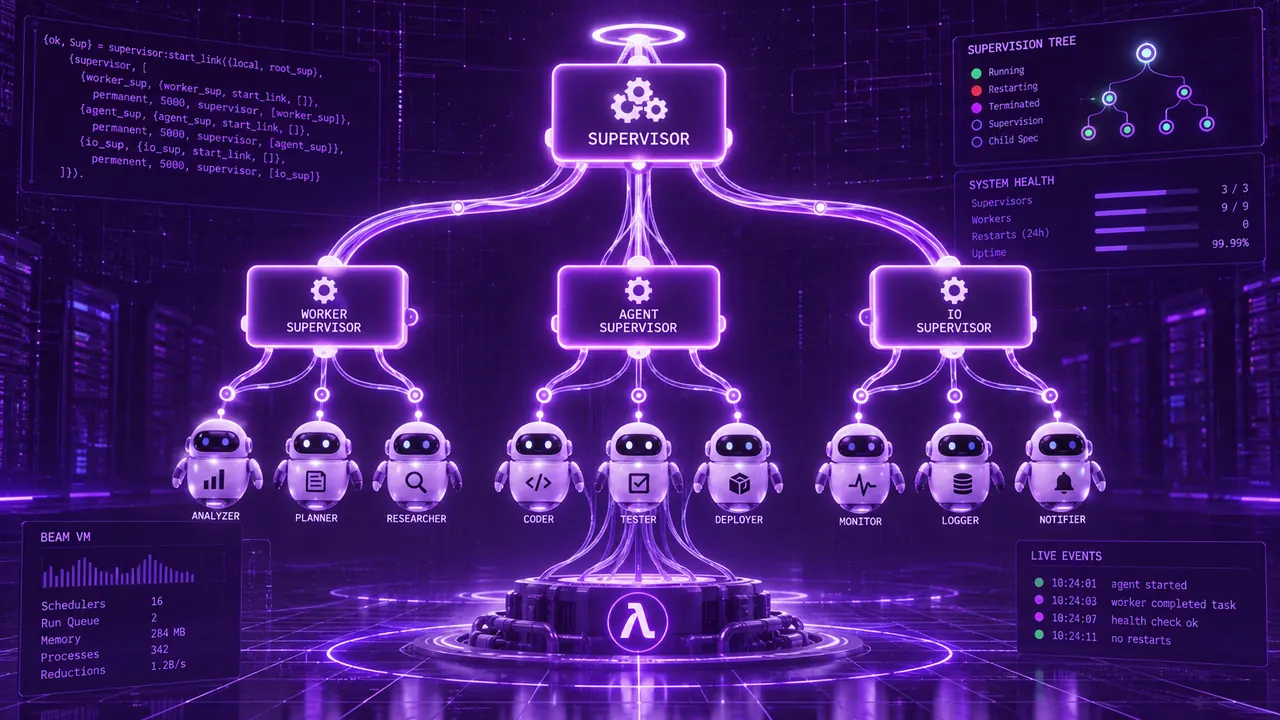
Imp brings DSPy's declarative, self-improving LLM programming model to Elixir and the BEAM, complete with signatures, modules, optimizers like GEPA and BootstrapFewShot, agent loops, and retrieval. Agents run as OTP-supervised processes with tool integration, MCP server support, and authorization controls. It's a real bet that Erlang's concurrency and fault-tolerance story is the right substrate for production agent fleets.
Relevance 8/10Importance 8/10
The author searched for an obscure basketball meme and got an AI Overview offering empathetic emotional support instead of links. The piece argues Google has drifted from "organize the world's information" toward simulating a digital companion. It's landing hard on HN because it crystallizes a broader anxiety about AI-mediated search replacing the index.
Relevance 5/10Importance 7/10
A thorough survey finds Rust's SIMD story has genuinely matured, with portable abstractions now covering most real use cases. std::simd is still nightly-only and churning, so the ecosystem has filled the gap with Fearless SIMD, Wide, Pulp, and Macerator, each trading off ergonomics versus multiversioning and platform coverage. Gaps remain around trig functions and the eternal tension between compiler optimization and precise instruction control.
Relevance 6/10Importance 5/10
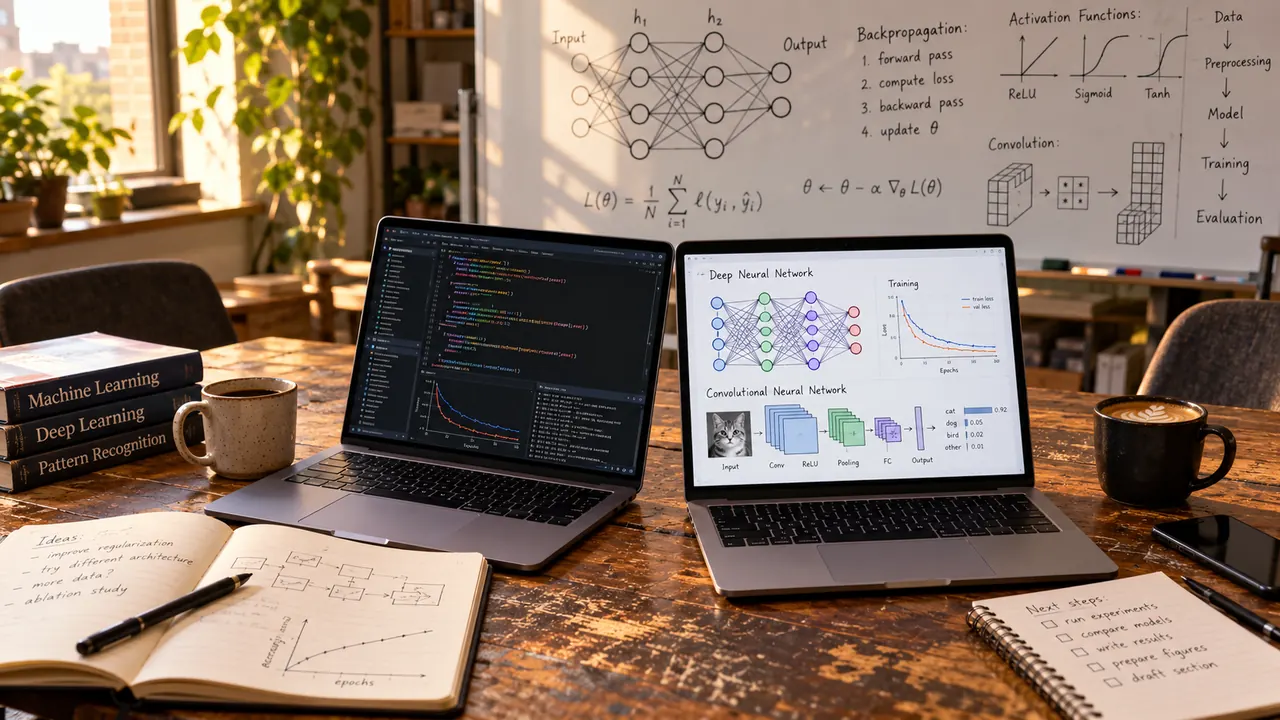
A Recurse Center alum recaps a summer of AI and ML study groups, building cooperative-game agents, and implementing deep learning from the ground up. They also shipped a DEFLATE decompressor in Rust and vibecoded browser games, map generators, and a constructed language. The throughline is that pairing with other people, not solo grinding, drove the growth.
Relevance 5/10Importance 4/10
Lofi Cities synthesizes ambient lofi in real time with the Web Audio API — no samples, no streaming, every composition generated on the fly. Animated pixel-art cityscapes loop seamlessly on a four-minute cycle. Everything runs client-side, so it keeps working offline once loaded.
Relevance 2/10Importance 8/10
Dr. Van Etten scooped water samples off a dock and, working from a cheap motel room with a microscope, found two new species of Paulinella — a single-celled organism whose scales overlapped in an unfamiliar pattern. Paulinella captured a cyanobacterium far more recently than the ancient event that produced plant chloroplasts, so it hasn't been heavily remodeled by evolution. That makes it a rare live window into how symbiogenesis actually integrates two organisms into one.
Relevance 3/10Importance 5/10
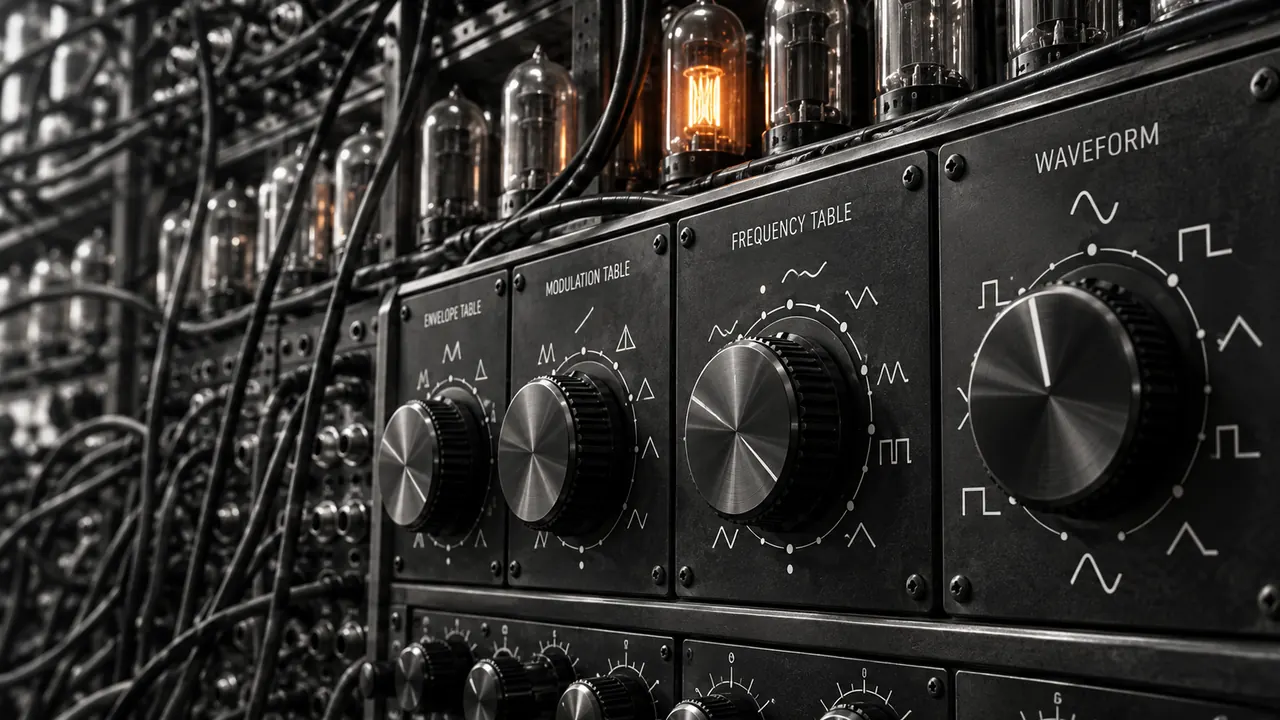
Alan Kay's answer is that ENIAC wasn't a stored-program machine, so a BIOS in any modern sense couldn't exist. Even after its 1948 conversion to stored-program operation, programs were configured via function-table dials rather than loaded, and I/O was punched cards straight into accumulators. Commenters point to EDSAC's 1949 "initial orders" as the actual ancestor of boot ROM.
Relevance 3/10Importance 5/10
Chowning worked out the FM synthesis algorithm at Stanford in 1967 and founded CCRMA in 1974. Yamaha licensed the technique and shipped it in the DX7, which became one of the best-selling synthesizers ever made and defined the sound of eighties pop. The oral history covers how an academic acoustics insight turned into a commercial juggernaut.
Relevance 1/10Importance 3/10
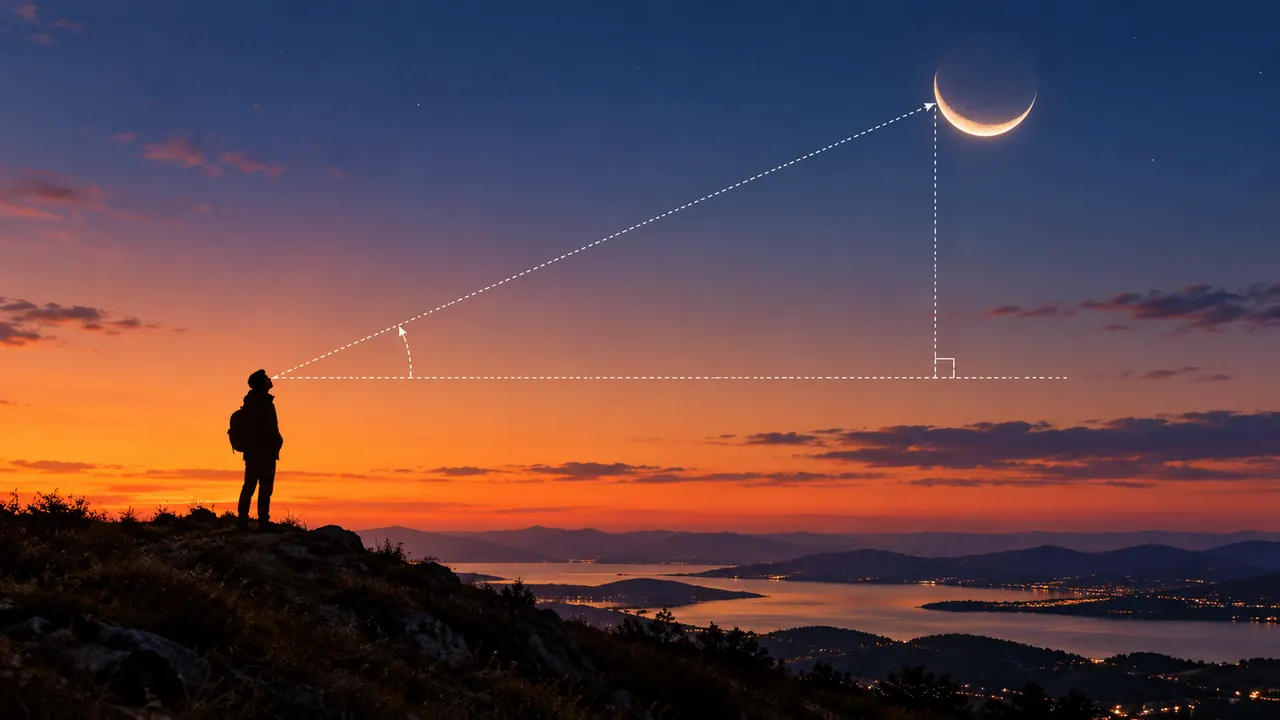
The moon's lit edge often appears to tilt upward even when the sun has already set below the horizon. The author's explanation is geometric perspective: we view the moon from below, so as it climbs higher we see progressively more of its dark limb along the bottom edge. The effect is most jarring near full moon, when the sun is behind you and the bright region still reads as pointing up.

 HN Briefing PM