A federal judge ruled the Trump administration must restore White House credentials for the three outlets, finding they're likely to prevail on the merits of their First Amendment claim. The Justice Department had defended the ban as within the president's discretion over who gets access to his workspace. The White House Correspondents' Association had been publicly pushing back since the credentials were pulled.
Republicans in competitive races — including Ashley Hinson, Mike Rogers and Jon Husted — are publicly calling for an end to the Iran conflict as fuel prices reshape toss-up Senate contests. It's the clearest intra-party fracture yet on a war the president has framed as near a negotiated finish. Pump pain, not principle, is doing most of the political work here.
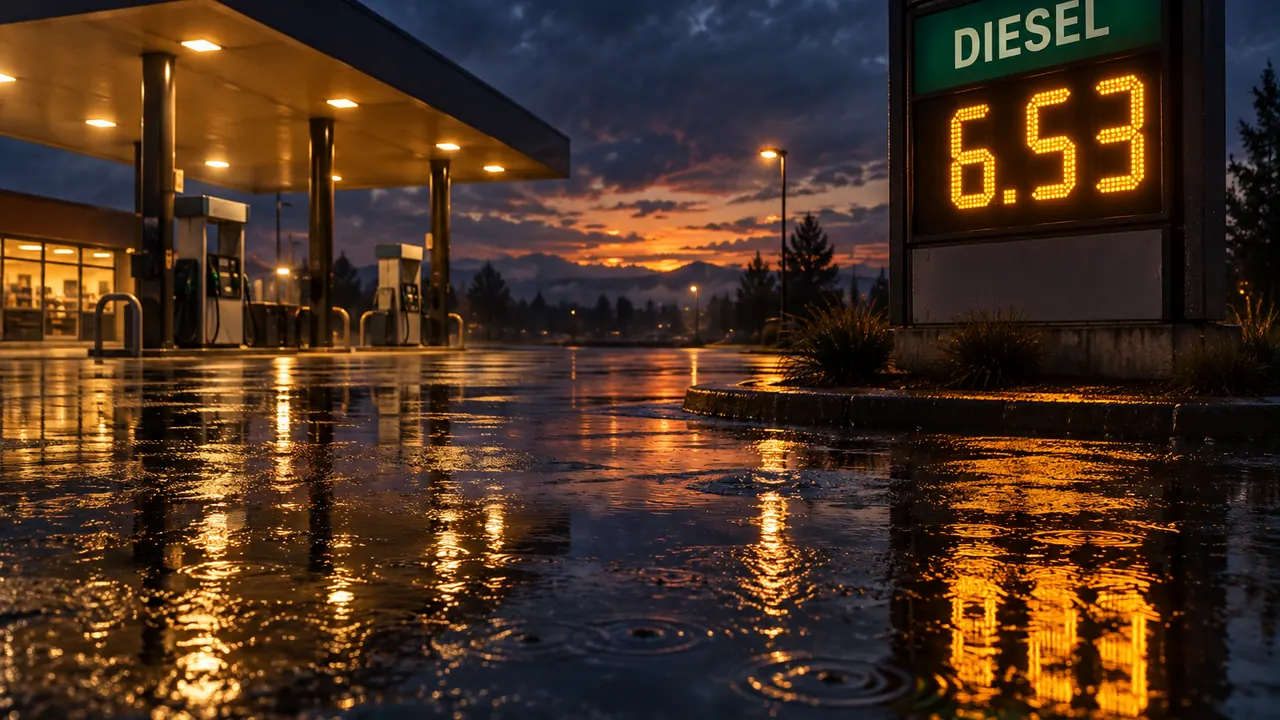
The administration is no longer considering a temporary diesel export ban after energy experts warned it could backfire on refiners and worsen regional shortages. The national diesel average hit $6.53 a gallon for the week of September 21, up from $3.75 a year ago, with regular gas around $4.48. The Strait of Hormuz disruption remains the engine behind the supply shock.
State and federal authorities joined local investigators after two University of Mississippi students were found dead in unrelated incidents. Lafayette County narcotics investigators reported finding the commercially available supplement kratom at both scenes. The investigation is ongoing and officials have not established a cause of death.
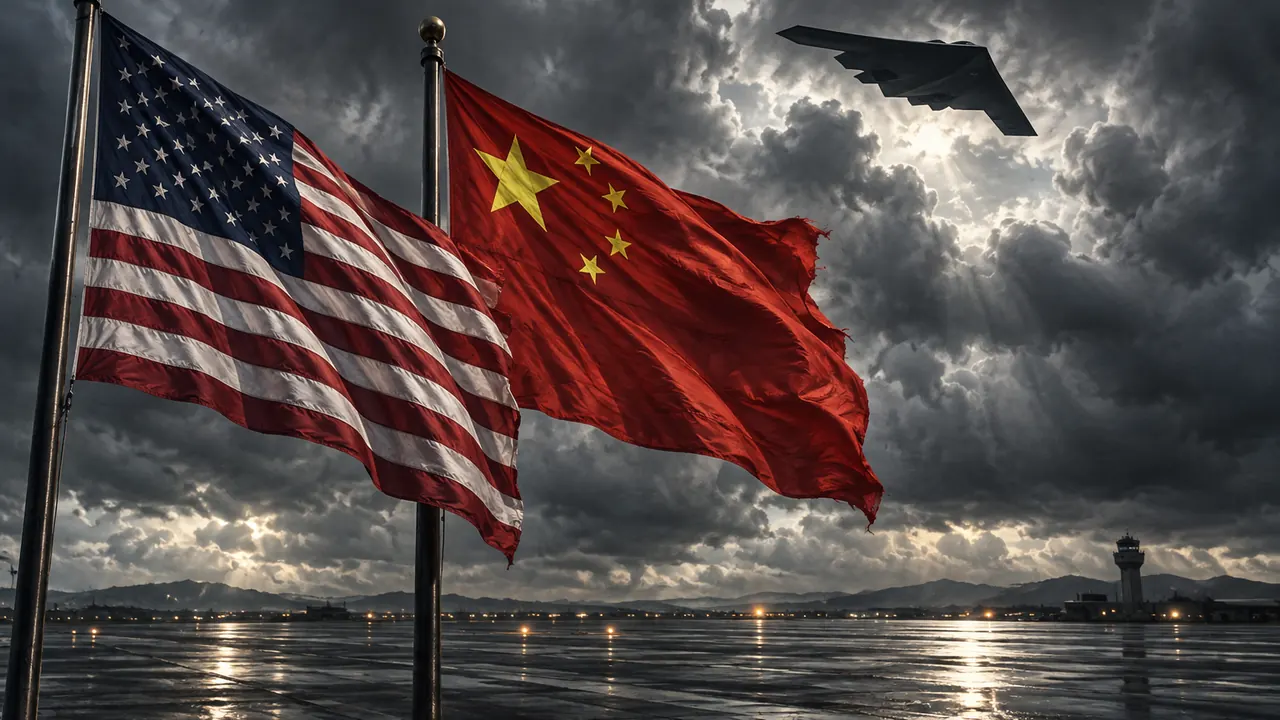
The president broke protocol to greet Xi and his wife personally on the tarmac at Joint Base Andrews, with an arrival ceremony featuring a B-2 flyover and four F-22s. The multi-day agenda covers rare earth export controls, Taiwan, human rights and Iran. The pressure point: Beijing's rare earth suspension and the broader tariff truce both expire November 10.
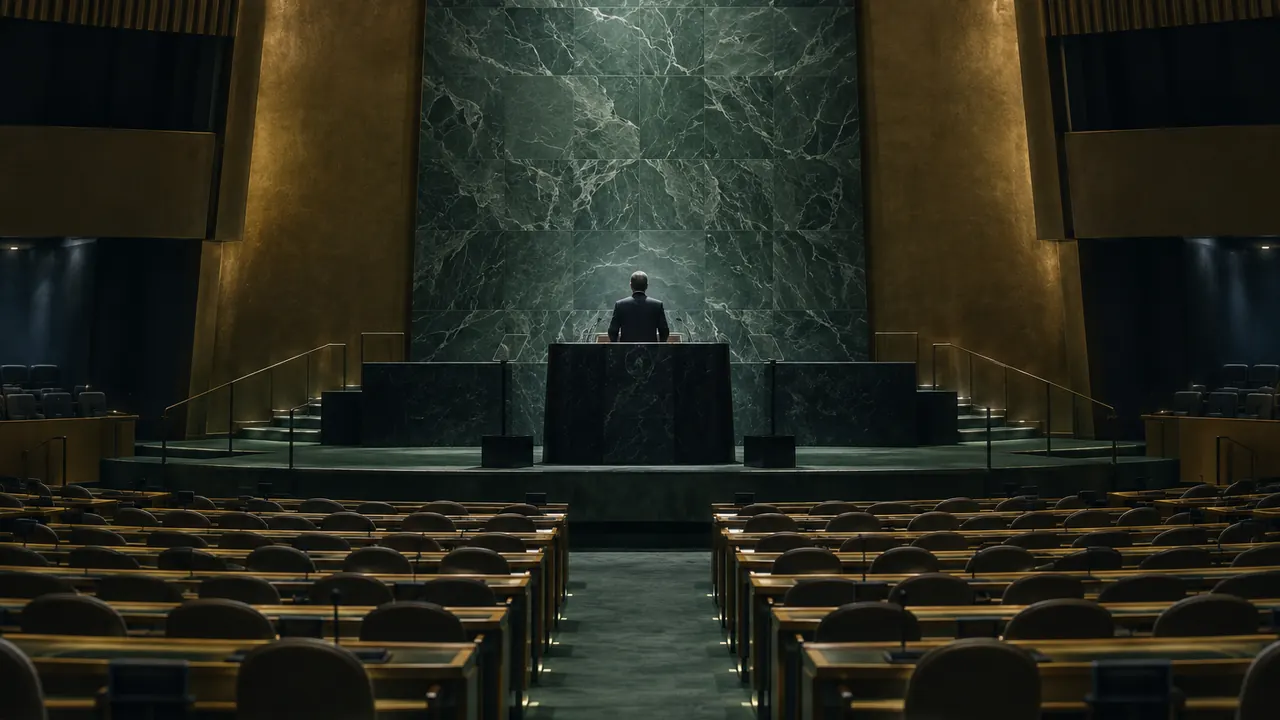
The first substantive US-Iran shuttle talks in months ran for hours, covering the Strait of Hormuz and Tehran's nuclear program. It follows Trump's UN General Assembly line asking whether a deal gets made "or do I annihilate the Islamic Republic." Tehran has floated conditions for reopening the Strait while President Pezeshkian publicly insists on an unrestricted right to enrich.
The Ukrainian president warned the General Assembly that Russia is fielding foreign nationals on the battlefield and urged other countries not to let themselves get pulled in. Secretary of State Marco Rubio separately said the war "will not end on the battlefield." Both framed the conflict as one with contagion risk well beyond Ukraine's borders.
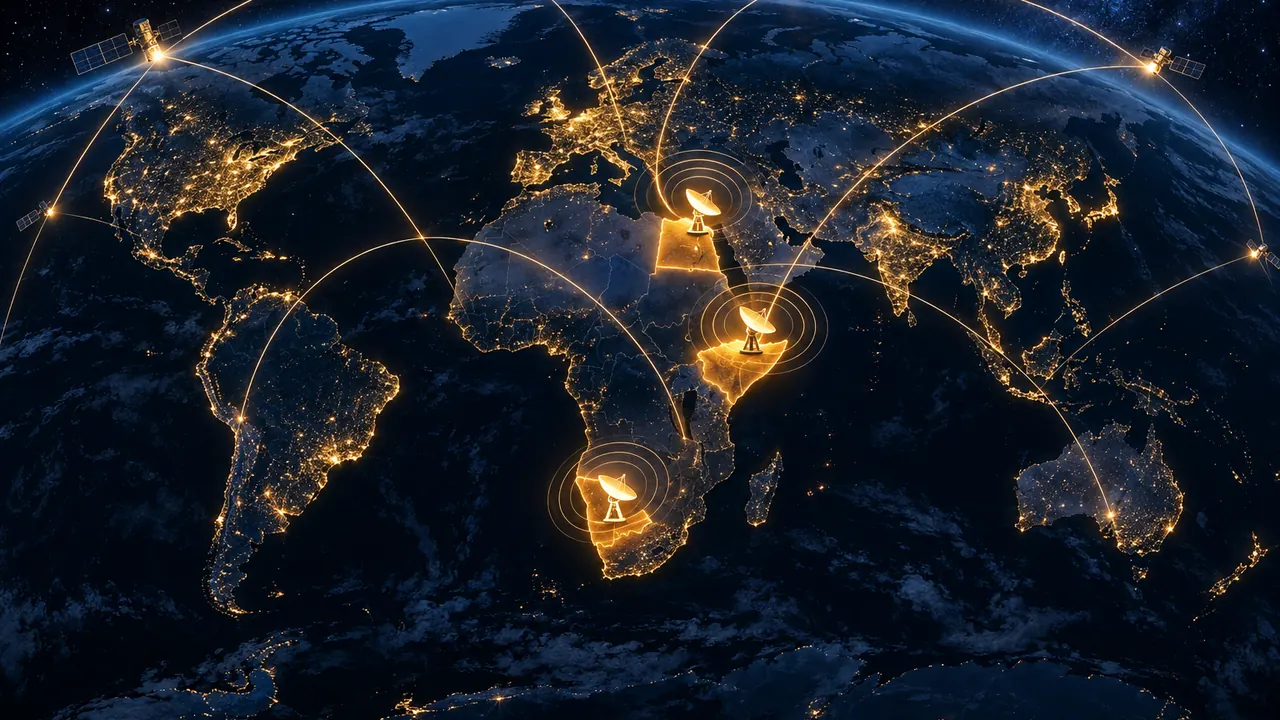
A new report documents Chinese-built or Chinese-operated satellite facilities in Ethiopia, Egypt and Namibia — dishes, tracking antennas and testing complexes serving dual civilian and military purposes. Paired with the Guowang and Qianfan constellations, which together plan more than 28,000 low-orbit satellites, Beijing is assembling both the sky and the ground under it. Qianfan alone already has trial deals with Brazil, Turkey, Malaysia and Kazakhstan.
Global investment into space companies hit a record earlier this year, driven by heavier late-stage rounds and investor appetite following SpaceX's roughly $86 billion public debut. Satellite and launch startups are riding the wake, with rideshare missions now routinely putting dozens of payloads up at a time. Space has quietly become a capital markets story, not just an engineering one.
The Ada County Sheriff's Office in Boise announced Wednesday that a man who died of cyanide poisoning inside an Idaho church in 1982 was Dr. Mathew Francis Betkouski, an organic chemist. Investigators say his documented history of discussing cyanide and poisons raises questions about a possible link to the still-unsolved 1982 Chicago Tylenol murders. Forty-four years of John Doe, cracked — and it opened a much bigger door.