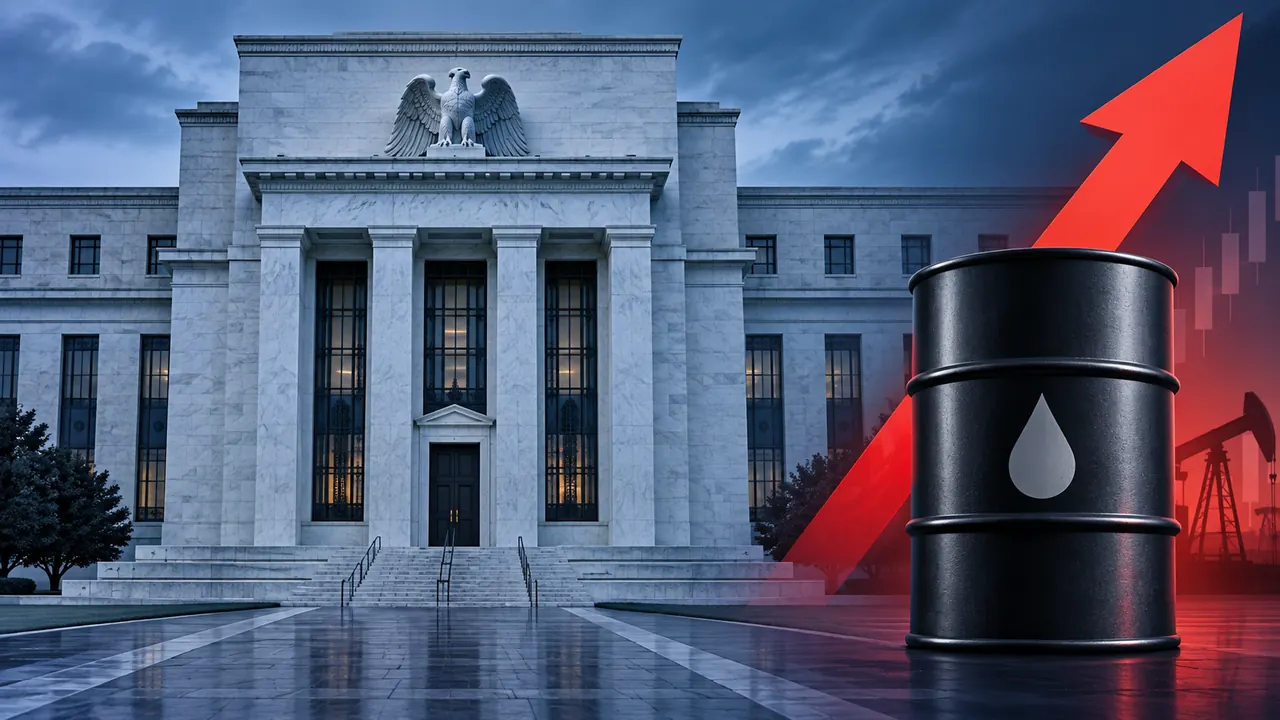
The Federal Reserve opened its two-day policy meeting Tuesday and announces its decision this afternoon, with futures markets pricing in roughly a 90 percent chance of a quarter-point hike. Headline inflation has slowed to 3.4 percent and core to 2.4 percent, but WTI crude topped $100 a barrel on September 14 and inflation has now run above target for 66 straight months. Critics argue raising rates won't fix an energy shock and just makes workers pay twice.
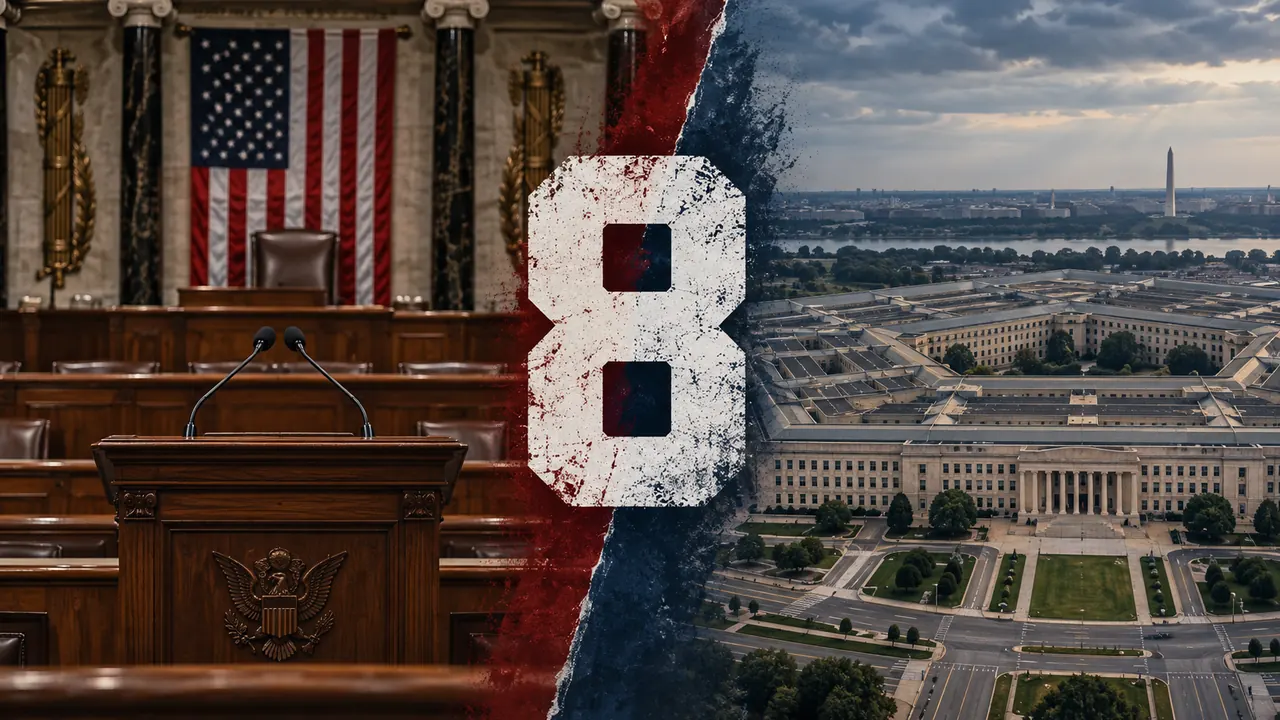
Kentucky Republican Thomas Massie introduced eight articles of impeachment Tuesday against War Secretary Pete Hegseth, accusing him of prosecuting the Iran war past 90 days without congressional authorization. The articles also cite Operation Rough Rider in Yemen, operations in Venezuela, weakened civilian-casualty protections, and retaliation against Sen. Mark Kelly. The resolution is privileged, meaning Massie can force a floor vote and put Republicans on the record.
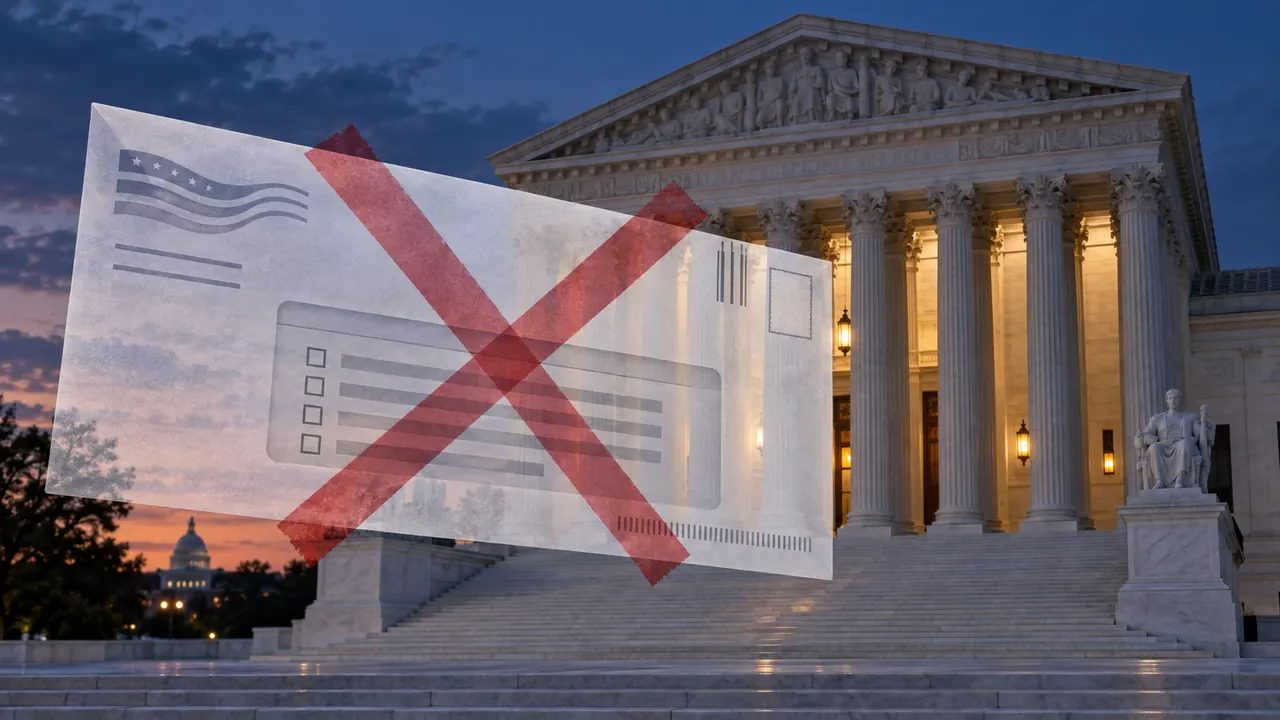
The justices denied the administration's emergency application to implement a Postal Service regulation restricting mail-ballot delivery, leaving a lower-court injunction in place through November. The court split roughly 7-2, with Thomas and Alito dissenting; Kavanaugh concurred, saying USPS may well have the authority but the rule landed too close to the election. Voters will face no new mail-voting hurdles this cycle.
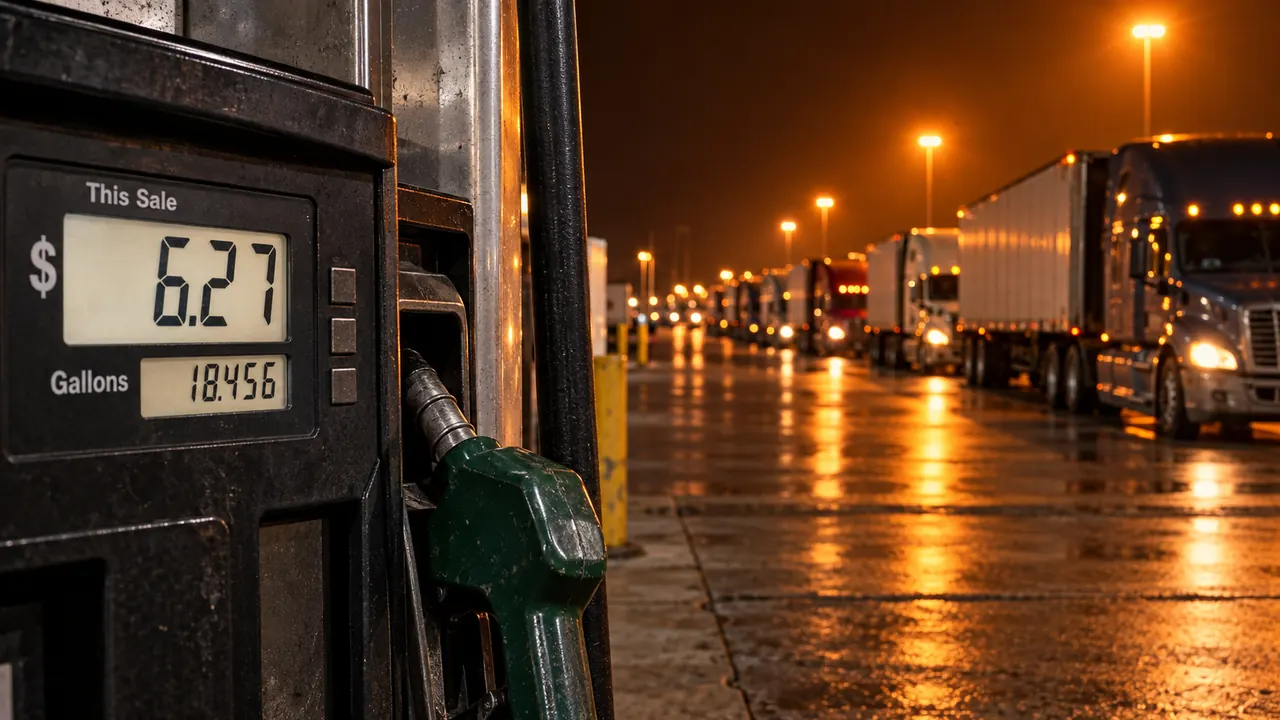
The Iran war's disruption of Gulf shipping has pushed national average diesel to an all-time high of $6.27 per gallon, with California at $8.21. Saudi Arabia's damaged East-West pipeline has stranded roughly 2.5 million barrels a day, and repairs are expected to take three to five weeks. Gasoline is up about 52 percent since the war began in late February.
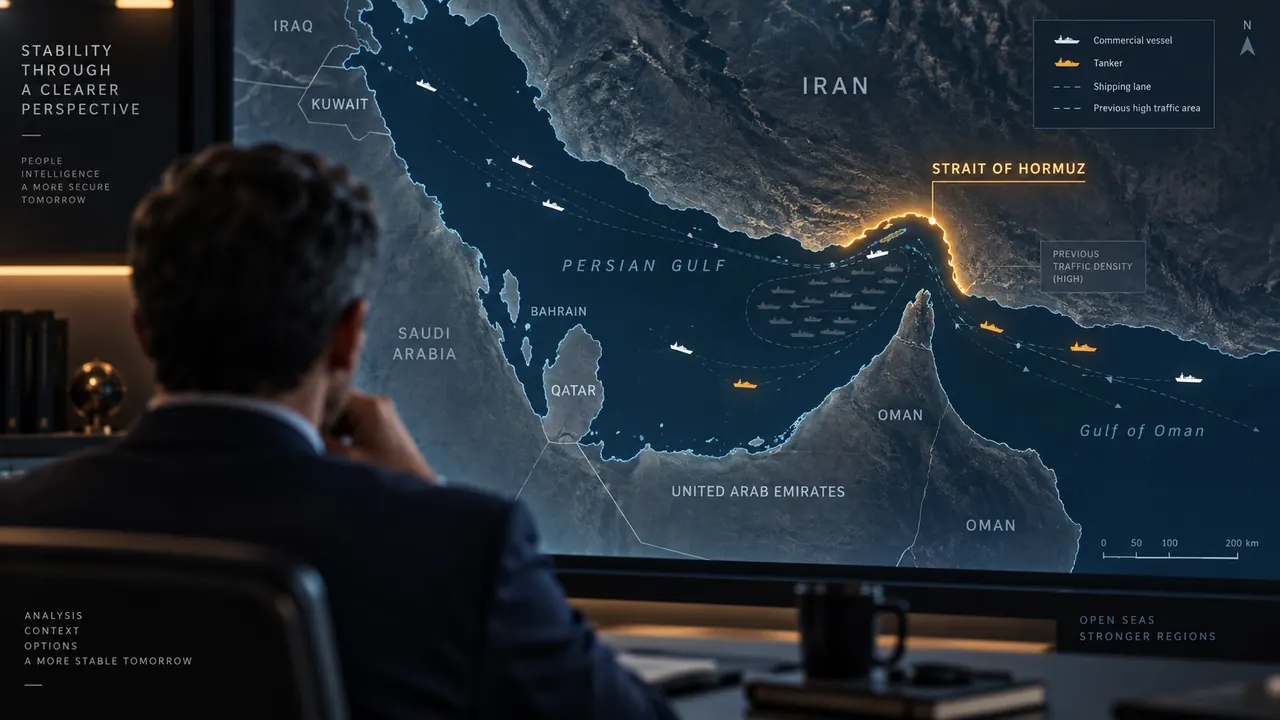
Vice President JD Vance said the conflict will shift in a couple of months toward preventing Tehran from rebuilding rather than sustained offensive operations. The Pentagon inspector general put the six-month cost at $38 billion with about $3 billion a month ongoing, and said some munition stockpiles could take five years to replenish. Shipping through the Strait of Hormuz has collapsed to four commercial vessels a day, down from roughly 125 before the war.
Saudi air defenses intercepted a Houthi drone approaching airspace south of Mecca on Tuesday, triggering civil defense alerts. The Houthis separately claimed dozens of missiles and drones fired at the Khamis Mushait military base in southern Saudi Arabia. Riyadh and its coalition partners declared the holy city's security a red line, and a planned conference with Iran and Gulf states over the Strait of Hormuz was postponed.
Damascus raised diesel prices 40 percent and gasoline 26 to 28 percent, triggering the largest anti-government demonstrations since Bashar al-Assad's ouster nearly two years ago. Protesters burned tires, blocked the main Damascus-Aleppo highway, and halted crude tanker convoys headed to central refineries. Crowds are demanding the firing of the head of the Syrian Oil Company along with the energy and economy ministers.
Troy Meink told the Air, Space and Cyber Conference in Maryland that the US has fielded on-orbit space control weapons capable of defending the Joint Force against hostile action — the first such acknowledgment ever. He cited more than a decade of Chinese and Russian counterspace development and called the capability essential for deterrence. Meink declined to say whether the systems have been tested, arguing specifics would defeat the purpose.
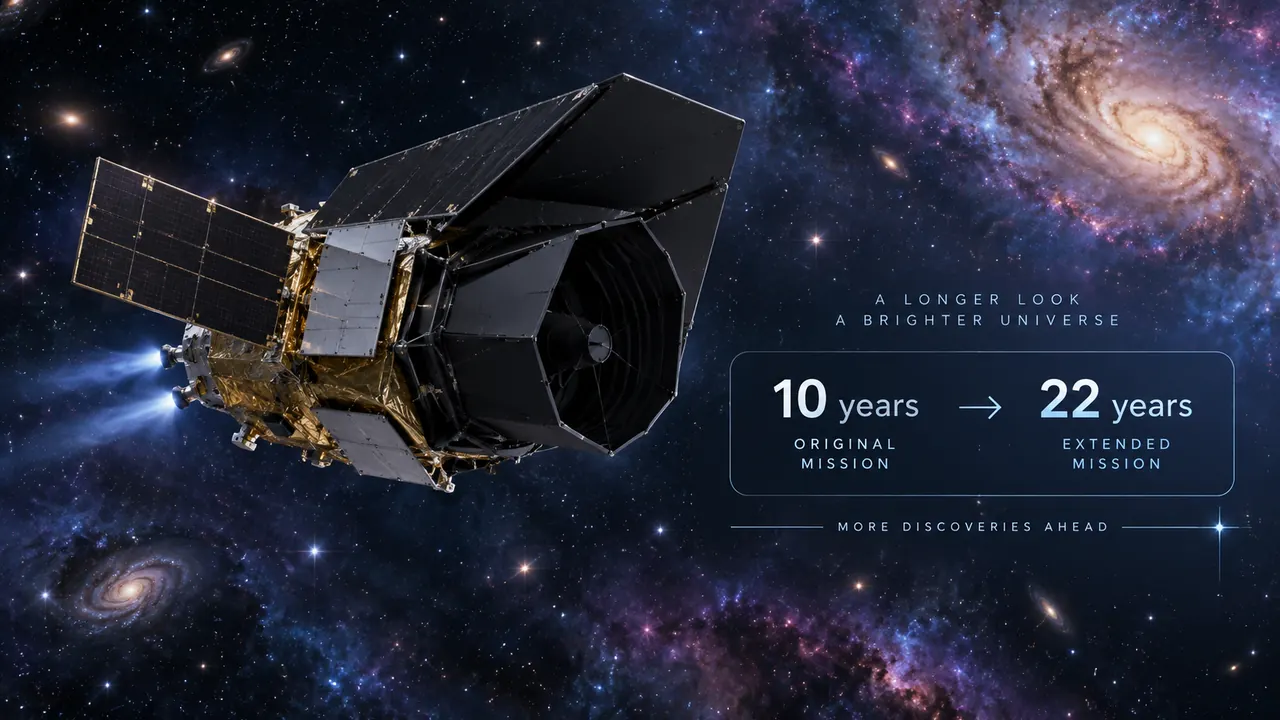
NASA's Nancy Grace Roman Space Telescope executed its first mid-course correction burn with 99 percent accuracy, using just 40 pounds of propellant against a 441-pound budget — about nine percent. The savings could stretch the observatory's life from ten years to roughly twenty-two. A second burn is scheduled later this month and is projected to bank even more fuel.
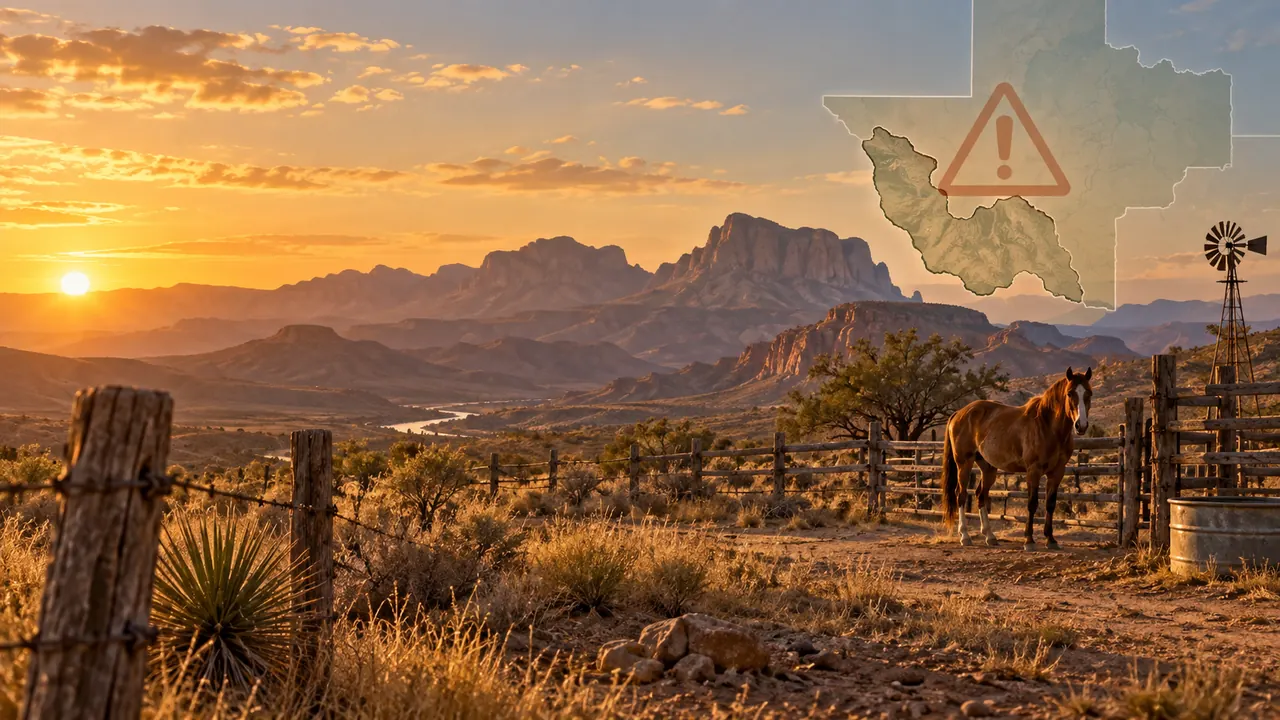
USDA confirmed New World screwworm larvae in a wound on a working ranch horse in Presidio County, in West Texas's Big Bend region near the Mexican border, detected September 9. It's the first equine case of the current outbreak, which has already hit Texas cattle, sheep, goats, and a dog since June. The parasite was eradicated from the US in the 1960s and pushed back to Panama, but has been marching north ever since.