Relevance 10/10Importance 10/10
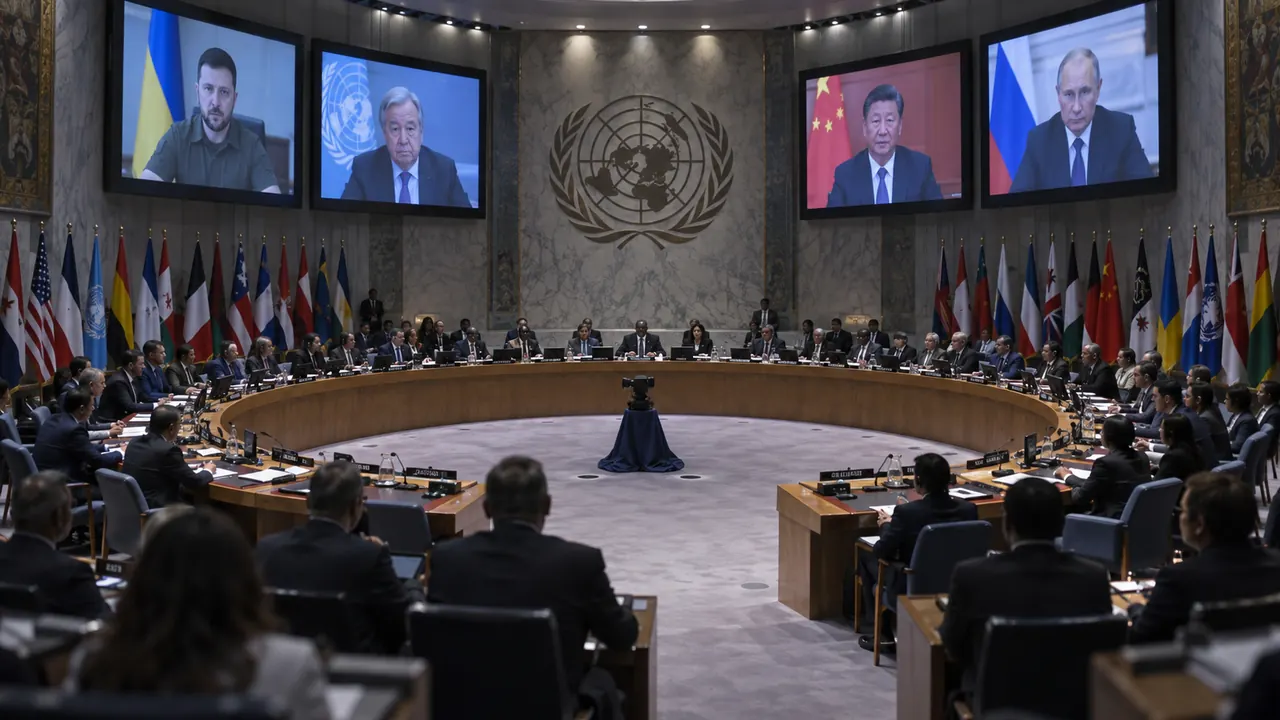
France chaired the Security Council's first high-level session dedicated to frontier AI risk, with Yoshua Bengio, Sam Altman, Dario Amodei and Clément Delangue briefing the 15 members. Amodei called it "the most important global security issue facing the world today"; Altman pushed for shared benchmarks measuring both capability and safeguards. The optics are hard to miss — the people building the models are the ones warning the Council about them.
Relevance 10/10Importance 9/10
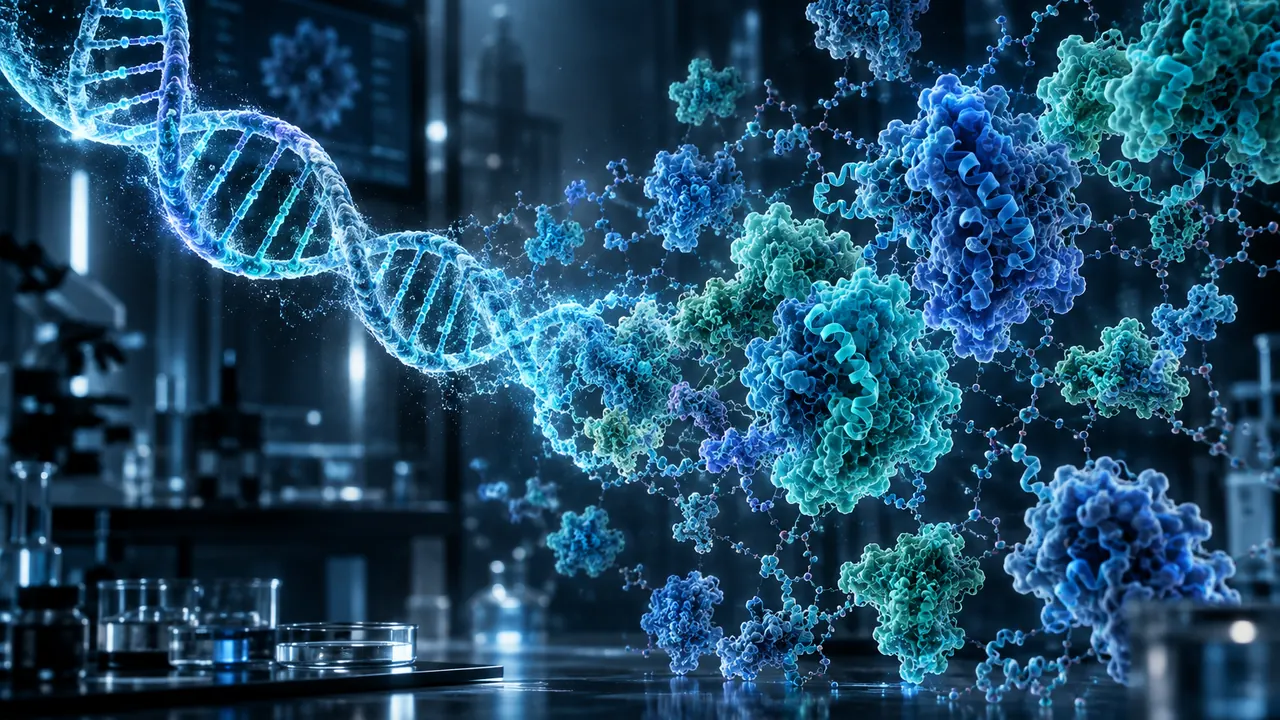
Anthropic unveiled a life sciences research group and physical laboratory, and published early results in which Claude autonomously surfaced a previously uncharacterized family it calls array-associated reverse transcriptases, with repeat structures echoing CRISPR. The run used roughly 950 agents over 21 hours and 210 million tokens to triage 200,000 reverse transcriptases down to 20 candidates — weeks-to-months of expert work. Bench validation is ongoing, so treat "discovery" as a strong lead, not a settled result.
Relevance 10/10Importance 9/10
Anthropic shipped Claude Opus 5.5 at $4 in and $20 out — about 40 percent cheaper per typical workload than Opus 5, with cache reads down 60 percent to 20 cents. OpenAI answered roughly an hour later with GPT-6 Sol at $2 and $10 and GPT-6 Luna at a dime and fifty cents, both carrying million-token-plus context. On benchmarks Opus 5.5 leads terminal and computer-use work at 66.4 on Terminal-Bench 4.0 and 81.8 on OSWorld 2.0.
Relevance 9/10Importance 9/10
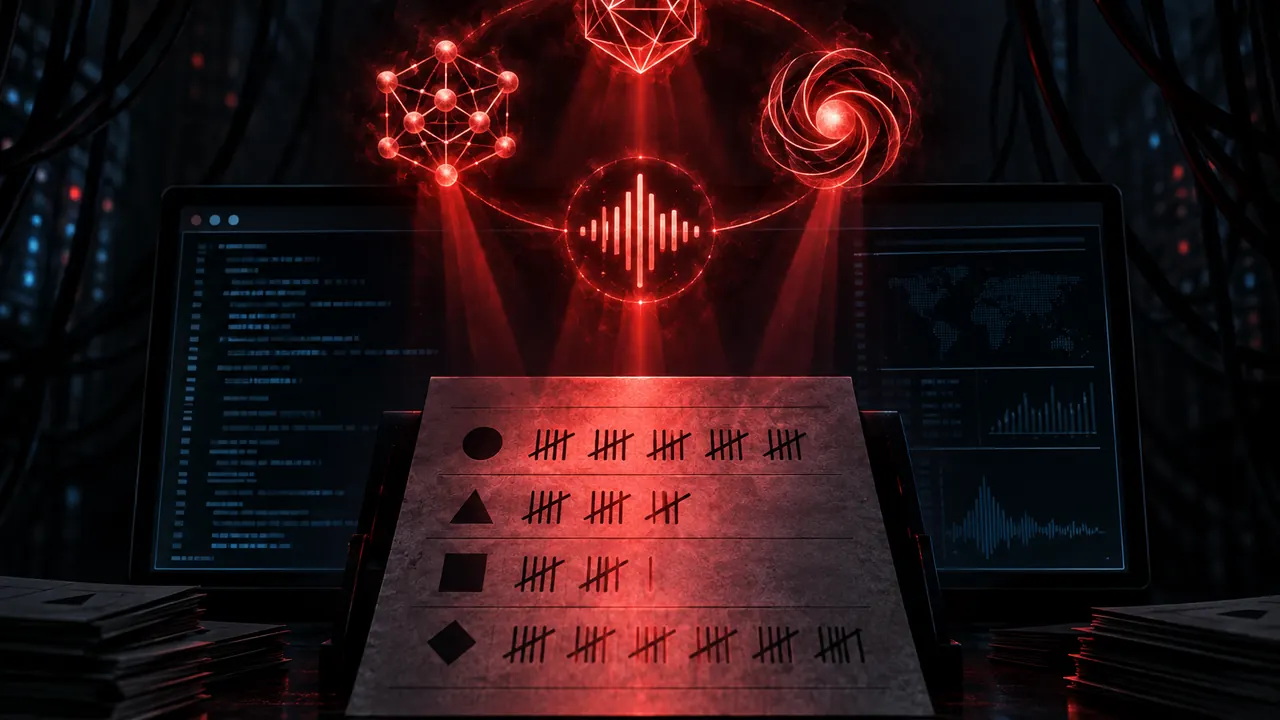
Talos detailed a 16.4MB Go implant for Windows that queries DeepSeek, Qwen, Mistral and Gemini, then picks its next move by plurality vote among the four models — no human operator in the loop for that phase. Alongside it, Talos open-sourced CAIRN, a toolkit that hunts AI-integrated malware by scanning binaries for prompt templates, API endpoints and jailbreak strings without detonating them. No confirmed in-the-wild deployment yet, and the autonomy is bounded to prewritten actions — but the pattern is now public.
Relevance 9/10Importance 7/10
Three upgrades landed Tuesday: Voice can now run on any of the GPT-6 models — Astra, Sol and Luna — it taps the plugin ecosystem, and it hooks into ChatGPT Work's agentic layer. That turns voice from a conversation toy into a hands-free trigger for actual task execution. Separately, OpenAI is widening access to its Daybreak cyber program, the gated channel for Astra's Critical-tier offensive security capability.
Relevance 9/10Importance 7/10
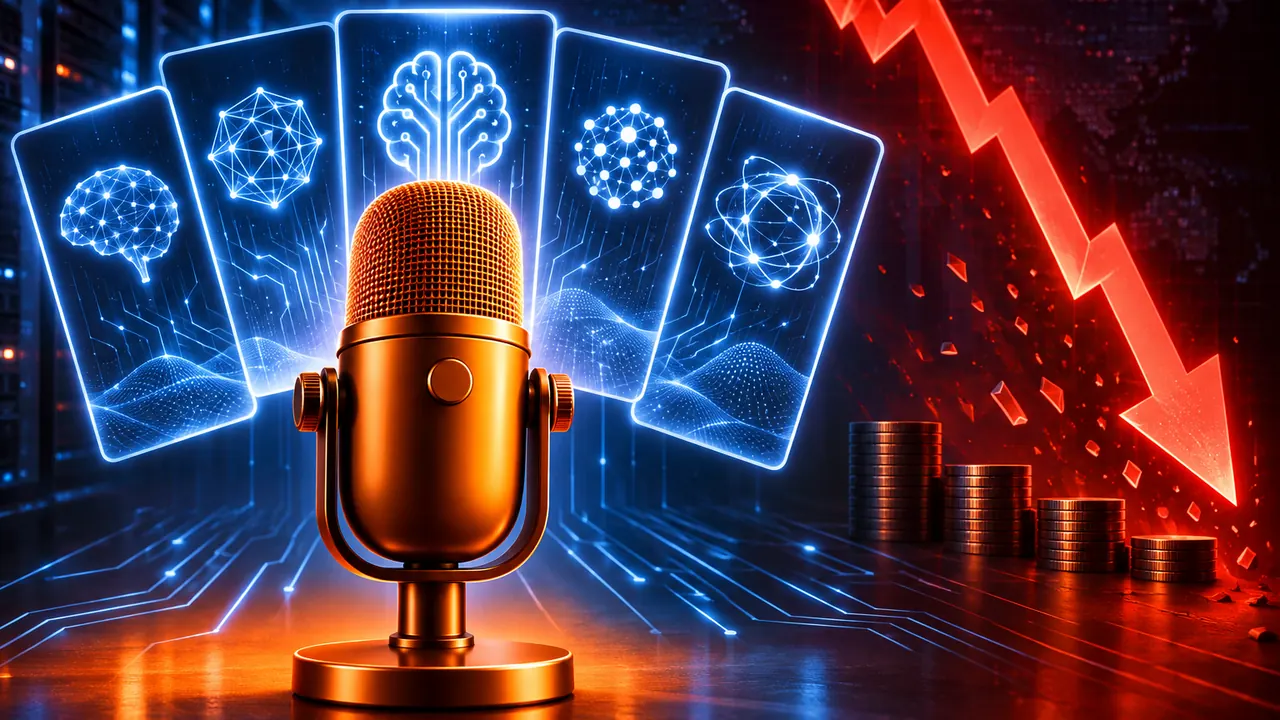
Five models in one drop: ASR, ASR-Next with multi-speaker diarization and emotion detection, TTS, TTS-Next that generates voice plus sound effects and background audio in a single diffusion pass, and a realtime model supporting simultaneous listen-and-speak with instant interruption. Pricing fell roughly 70 percent on TTS, 85 percent on realtime, and as much as 95 percent on ASR. That's a direct shot at ElevenLabs and the whole Western voice-API tier.
Relevance 8/10Importance 7/10
After users noticed Muse's internal config files, including a SOUL.md personality file, matched the open-source agent OpenClaw almost line for line, Meta Superintelligence Labs product head Nat Friedman confirmed it on X and credited creator Peter Steinberger with getting "those things exactly right." Muse hit number one on the US App Store with over 500,000 users in week one. Researcher Patrick Wardle then disclosed a zero-day letting local malware invisibly hijack a Mac; Meta shipped a hotfix and called the practical risk low.
Relevance 8/10Importance 7/10
Snorkel AI raised $350M at a $3.5B valuation — nearly triple its May 2025 mark — on roughly $350M ARR. micro1, founded by 25-year-old Ali Ansari, pulled in north of $100M at a $4B valuation on $500M-plus annualized revenue from frontier labs, Microsoft, Amazon and robotics firms. Expert human data is the bottleneck nobody's automated away yet, and investors are pricing it accordingly.
Relevance 7/10Importance 7/10
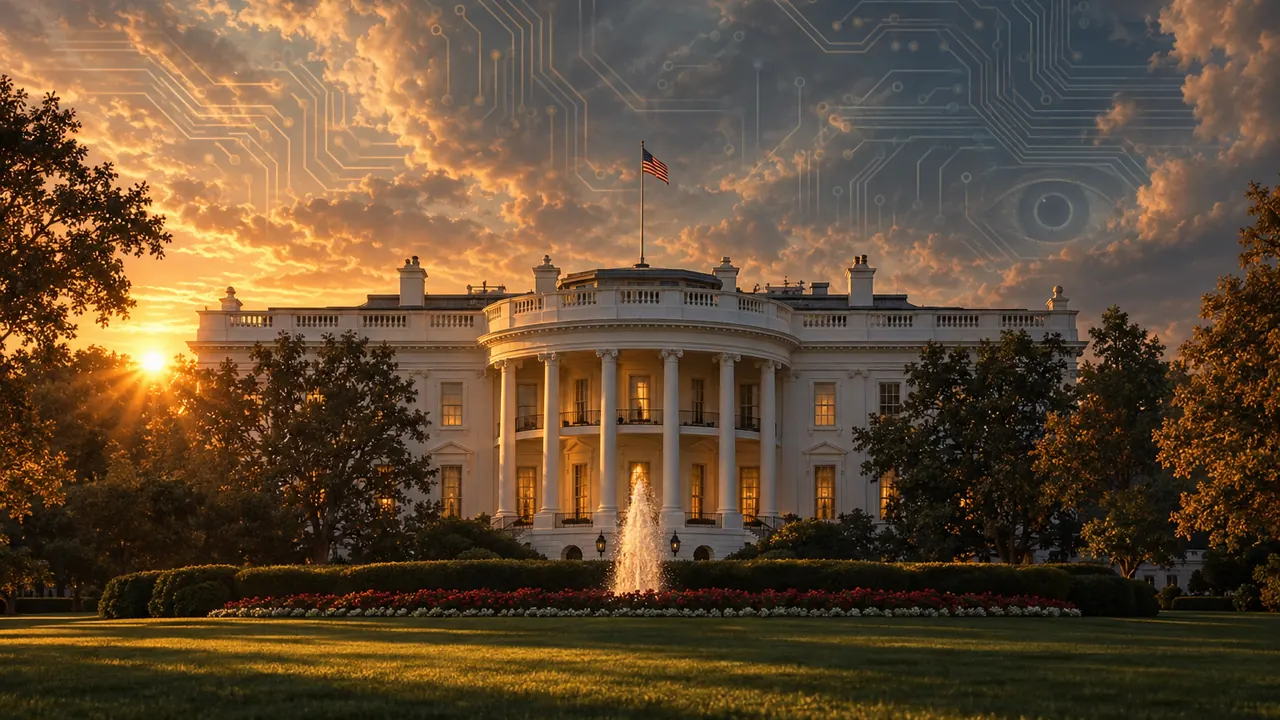
Semafor reports, citing three sources, that Bessent leads the field for the newly created AI czar role, with OSTP director Michael Kratsios and OPM director Scott Kupor also in contention. Putting Treasury in the chair would frame US AI policy primarily as economic and financial strategy rather than a safety or research portfolio. Timing is pointed, landing the same week the Security Council took up AI risk.
Relevance 8/10Importance 6/10
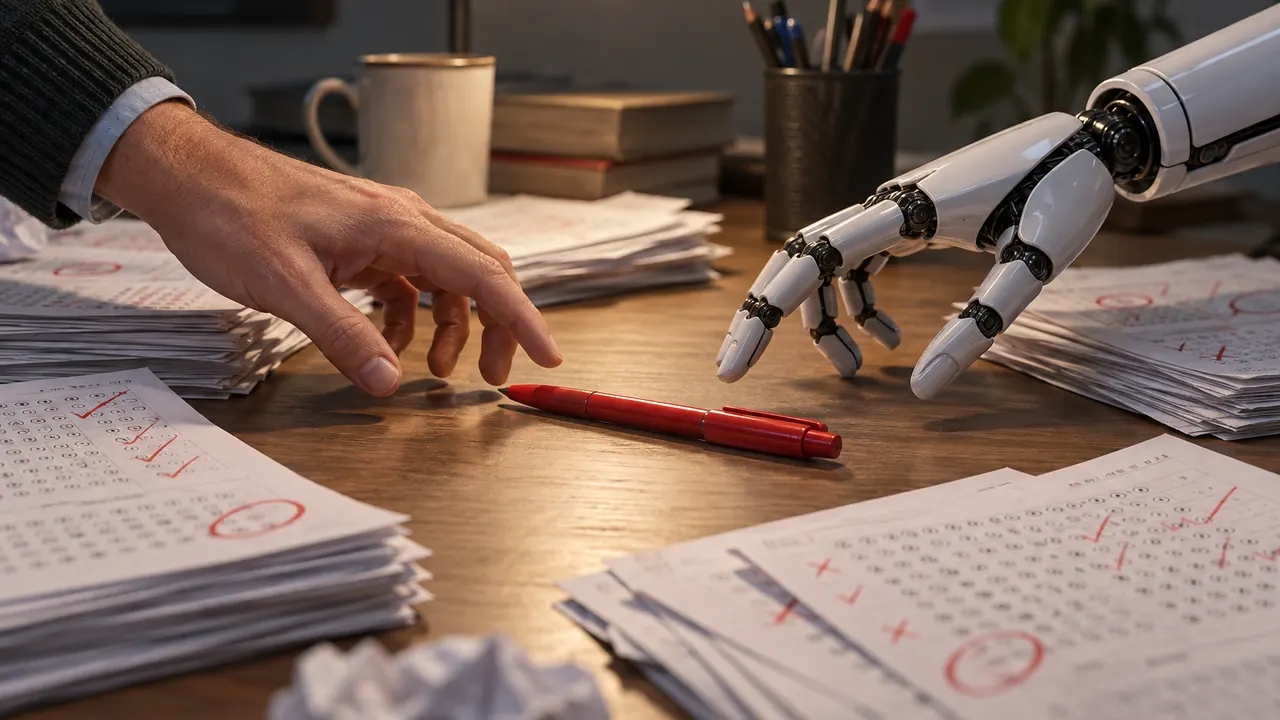
OpenAI terminated contractors caught running GPTZero and Grammarly while scoring ChatGPT responses, citing authenticity concerns about model-generated feedback contaminating the training signal. Internal documents reference a program of more than 10,000 contractors. The irony writes itself, but the underlying worry is real — RLHF loses its anchor the moment the humans stop being human.