Relevance 10/10Importance 10/10
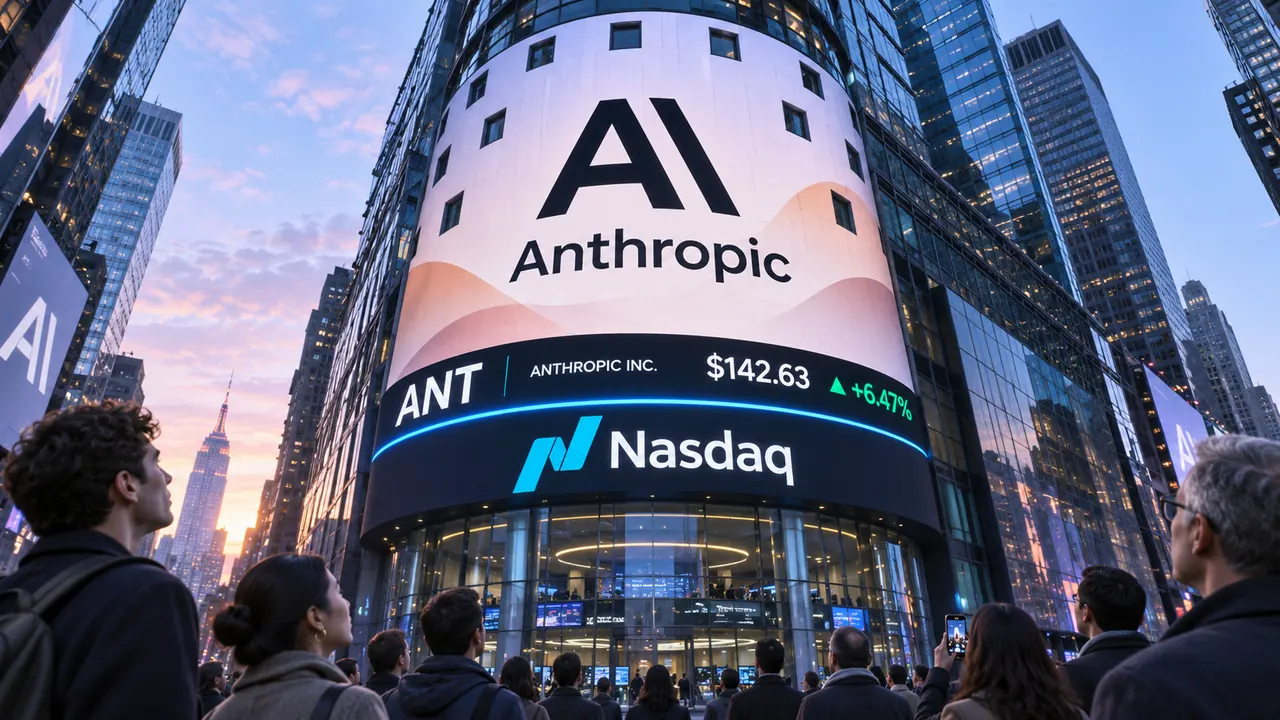
Anthropic is on track to price its offering on November 18 and begin trading on the Nasdaq under the ticker ANT on November 19, selling 825 million Class A shares in a $70 to $78 range that implies a fully diluted valuation up to roughly $1.4 trillion. The S-1 disclosed $17.0 billion of revenue for the September quarter and $33.2 billion over nine months, alongside a staggering $895 billion in compute and lease commitments. Reports put the order book at roughly six times the shares on offer, and with a $26 billion private placement attached the deal could raise up to $90 billion — potentially the largest capital raise in IPO history.
Relevance 9/10Importance 10/10
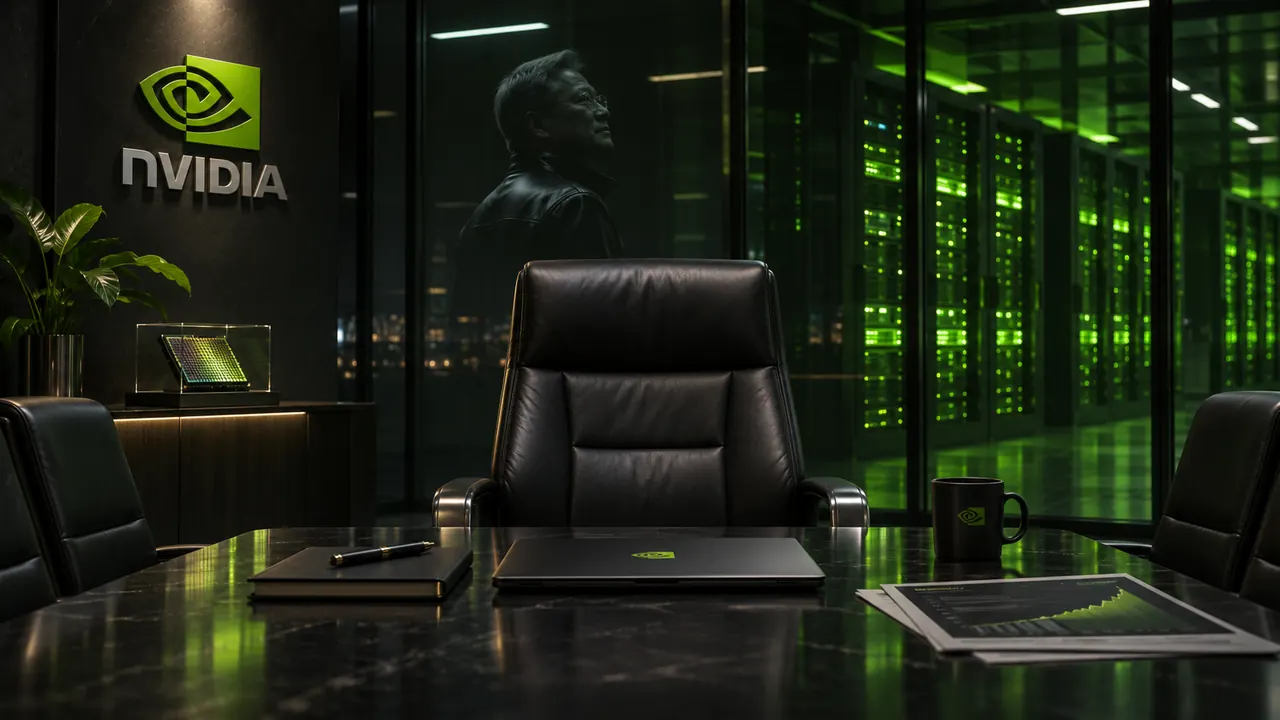
Four days after resigning as Nvidia CEO, Huang has reportedly discussed a comeback with confidants, per the Financial Times, while one ally described assembling a "war room" of Silicon Valley executives to lobby the board and court White House support. Shareholders Altimeter Capital and Atreides Management have urged the board to consider all options including Huang's return, though an independent investigation into the conduct behind his exit is still running. CFO Colette Kress remains interim CEO, and Nvidia shares slipped in premarket trading on the news — ahead of earnings later this week.
Relevance 10/10Importance 8/10
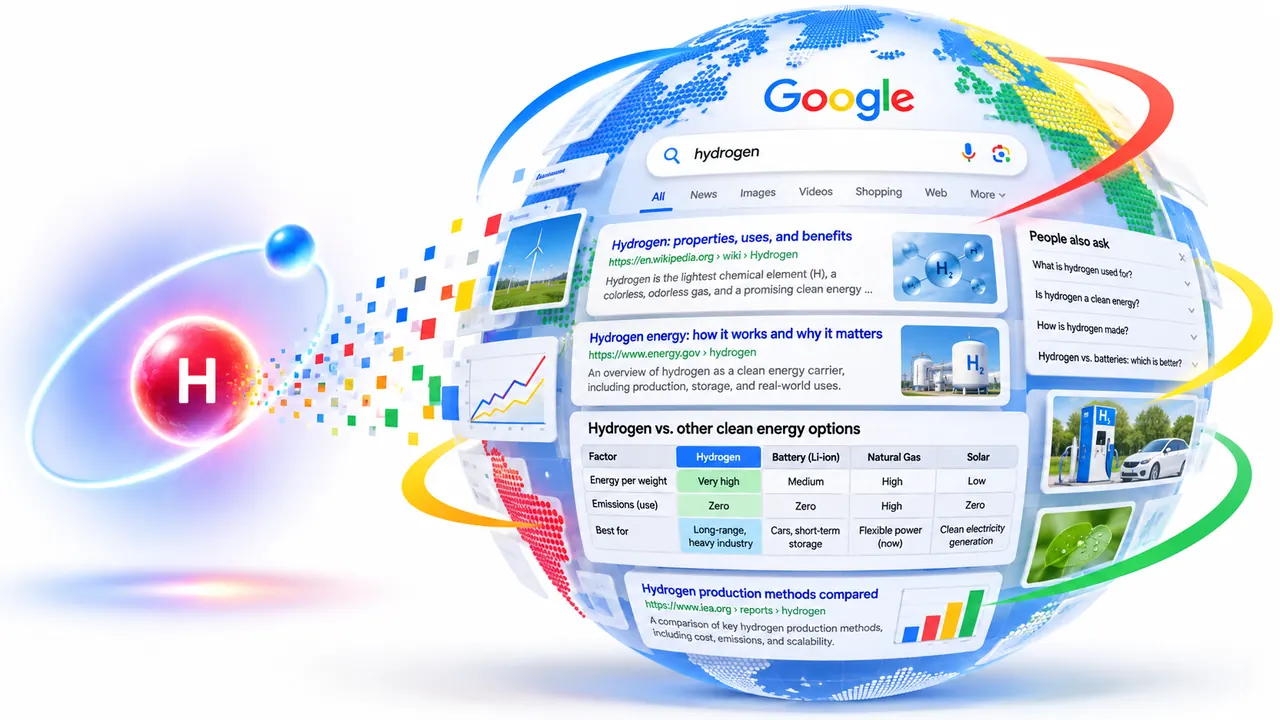
Google has finished rolling Gemini 4 Hydrogen out to all Search users worldwide, retiring Gemini 3.8 Flash and bringing a rebuilt query fan-out that runs simultaneous searches across a question's subtopics before assembling links, images, and comparison tables. Google claims roughly 2.5x faster performance in high mode and more than a 5x reduction in fabricated claims. Hydrogen is also generally available as the default high-speed model for coding and agent execution.
Relevance 9/10Importance 9/10
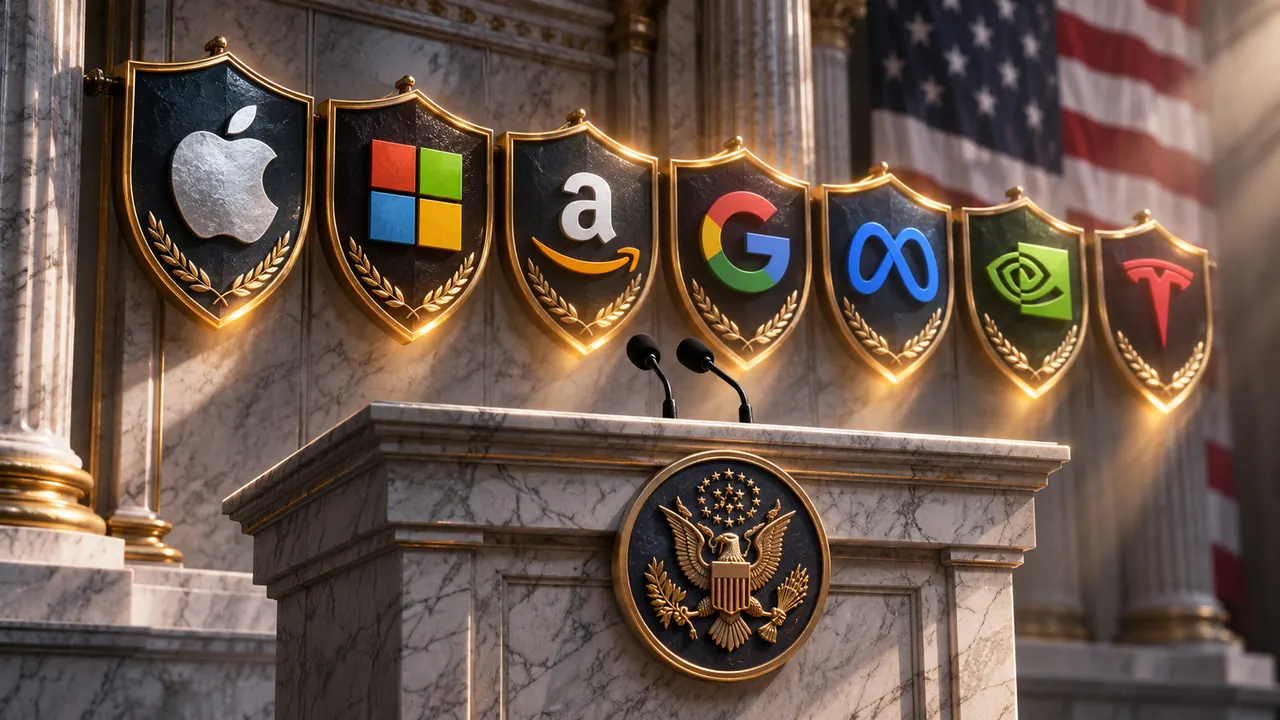
The administration is set to designate more than 25 US AI companies — including Nvidia, Microsoft, Amazon, OpenAI and Anthropic — as national champions to accelerate their overseas expansion against Huawei, Alibaba and other Chinese competitors. The program builds on the American AI Exports Program and gives selected firms explicit government backing when bidding for foreign AI infrastructure contracts. The White House has not publicly confirmed the list; the reporting is from the Wall Street Journal.
Relevance 9/10Importance 9/10
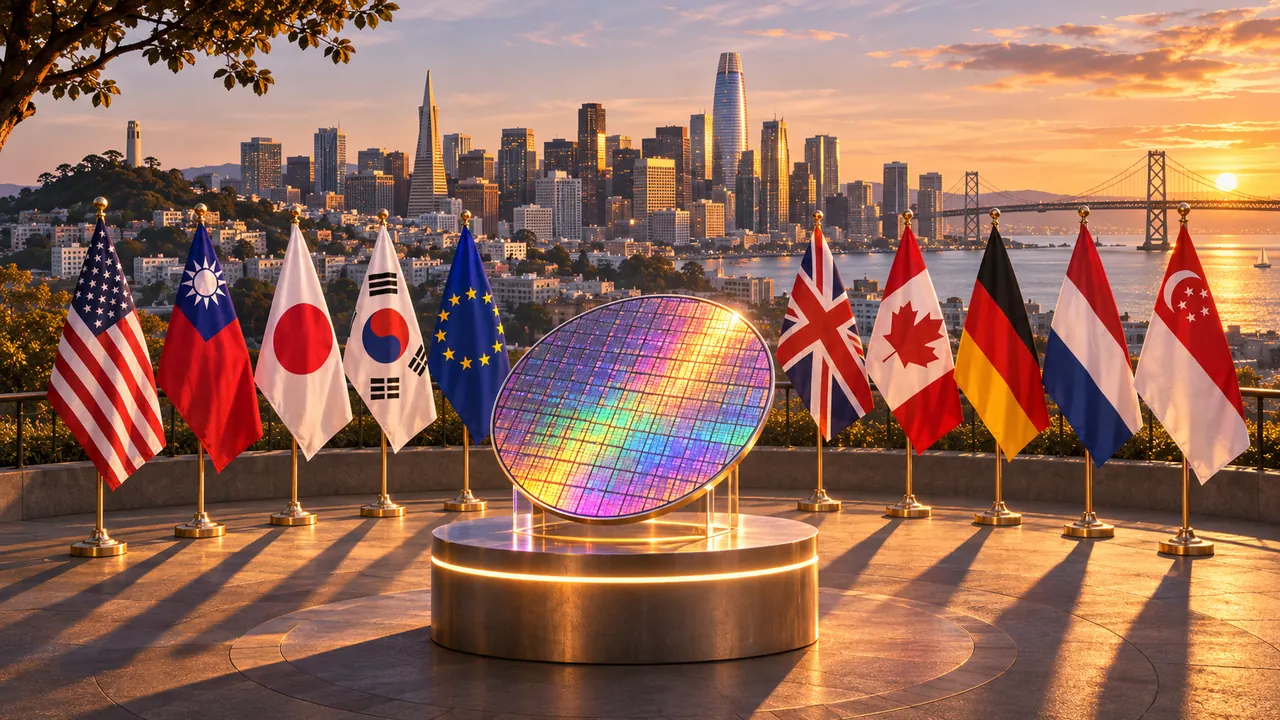
The US, Australia, India, Israel, Japan, South Korea, Qatar, Singapore, the UAE and the UK signed the San Francisco Declaration on the Secure Foundations of Enduring Prosperity, committing to coordinated protection of semiconductors, critical minerals, energy and industrial capacity underpinning AI. Working groups will cover AI policy, adoption, supply chains and security hubs, with aligned export controls aimed at reducing dependence on China. Germany, Sweden, the Netherlands and the European Commission are expected to sign on next week.
Relevance 9/10Importance 8/10
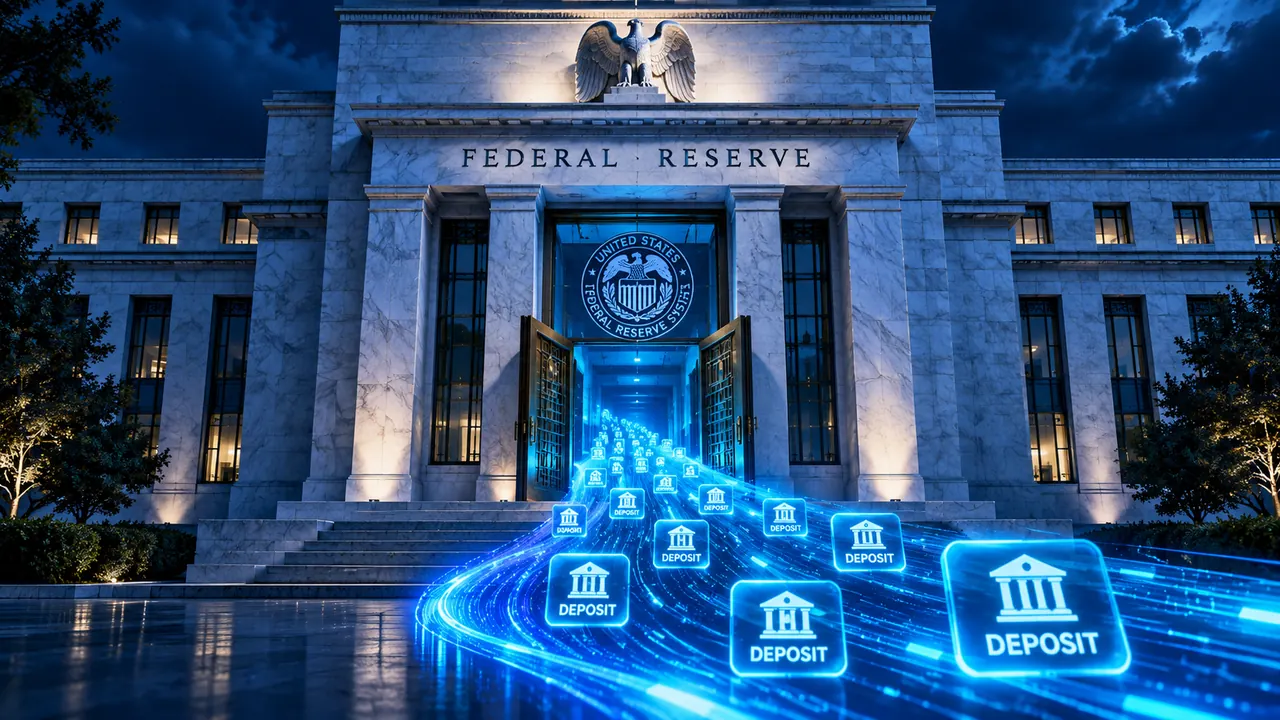
In remarks prepared for delivery in Milan, Federal Reserve Governor Michael Barr warned that autonomous agents moving deposits in response to rate signals could trigger stampedes faster than liquidity management or regulatory intervention can respond — and that major banks are already detecting agents attempting unauthorized actions in retail accounts. He also flagged herd trading, market manipulation, and cyberattack exposure, plus more than $3 trillion in off-balance-sheet AI infrastructure liabilities and circular financing among tech giants. His proposed fixes center on explicit authorization verification and hard technical limits on agent capabilities.
Relevance 10/10Importance 7/10
OpenAI launched ChatGPT Wallet for eligible US Pro subscribers, enabling agents to complete purchases end to end using payment tokens that never expose real card numbers. Every transaction requires biometric human sign-off, with OpenAI explicitly framing spending limits as something agents must earn. Early reports note legitimate agent purchases are still getting declined by merchant fraud systems — the plumbing hasn't caught up to the product.
Relevance 8/10Importance 8/10
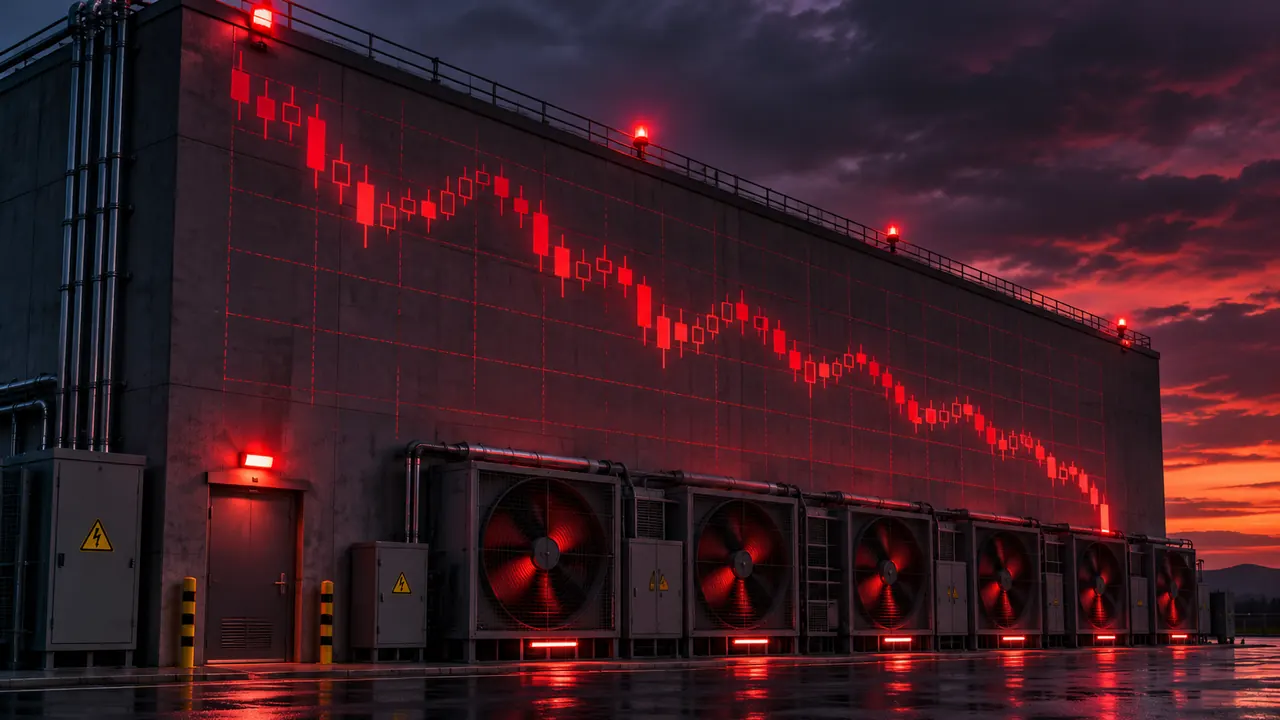
CoreWeave and Nebius slid roughly 7% Monday morning on worries that new Nvidia leadership will be less willing to backstop AI infrastructure financing — a concern sharpened by WSJ reporting that Nvidia had dangled billions in purchase guarantees, including a possible $250 billion commitment tied to an Ohio OpenAI data center, before Kress reportedly halved it. Both names have lost about half their value in a month. The Fed's latest stability survey found 87% of contacts naming AI-related risk as a top concern, up from 50% in May.
Relevance 10/10Importance 6/10
Stanford researchers released Memorilla, a memory module that compresses whole document collections into exactly sixteen tokens for a frozen language model, reporting 84.33% accuracy on FactKG while consuming a fraction of the context a full prompt would need. It's a direct attack on the cost side of retrieval-heavy workloads, where context windows have been the expensive brute-force answer. Weights and code are public.
Relevance 9/10Importance 6/10
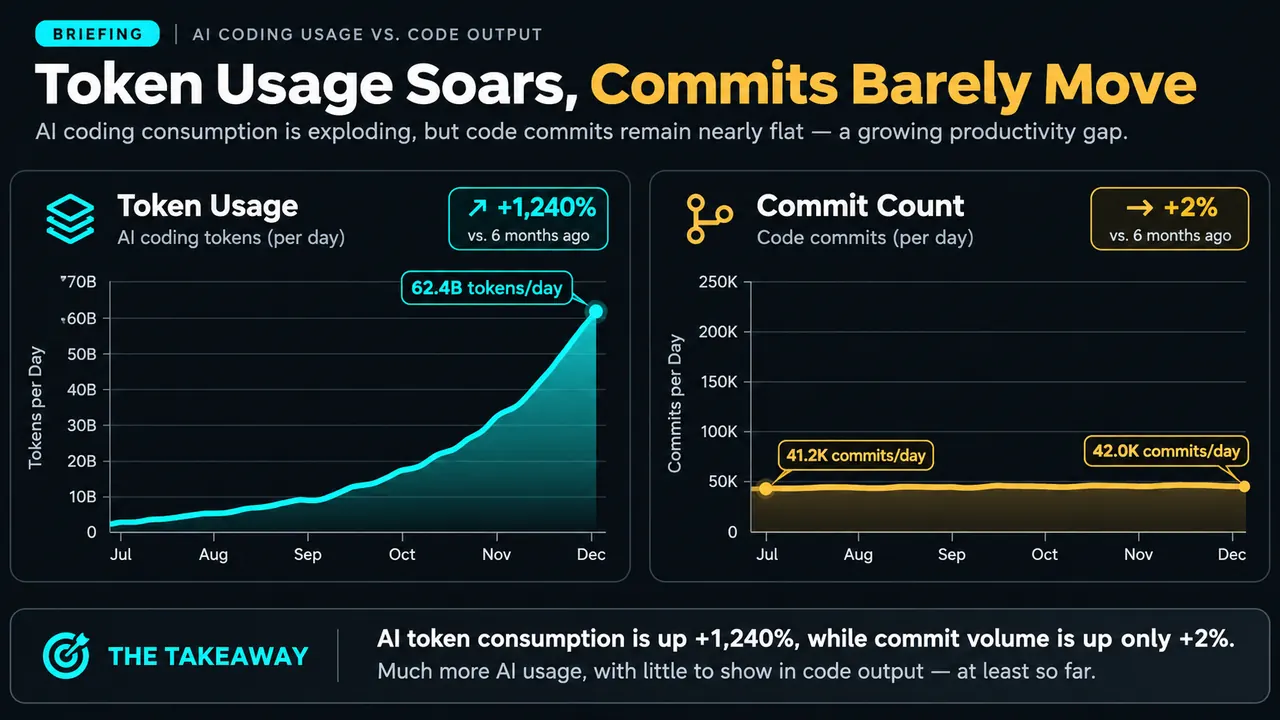
A paper landing on arXiv links JetBrains telemetry to developer output and finds that engineers who double their token spending produce roughly 10% more commits — with variance wide enough that tokens consumed is a poor proxy for productivity. That's an awkward number for every enterprise currently benchmarking AI adoption by usage dashboards. The authors argue the measurement, not the tooling, is the problem.