Relevance 10/10Importance 10/10
At a company-wide meeting, Sam Altman said OpenAI would consider pacing its frontier development in step with peer labs — a sharp reversal from his long-standing accelerationist posture. OpenAI has reportedly gone to members of Congress asking whether an industry-wide slowdown would survive Sherman Act scrutiny, since coordinated output restriction is textbook antitrust exposure. Altman conceded it could cost near-term revenue but argued it protects long-term viability.
Relevance 10/10Importance 9/10
Anthropic published its most detailed threat intelligence report to date, covering disrupted Claude misuse from December 2025 through August 2026 across seven harm areas: cyber operations, influence operations, surveillance, scams and fraud, biological misuse, conventional weapons, and illicit distillation. Actors ranged from suspected state-sponsored groups to commercial spyware vendors, and cases included fake dating-app fraud networks and systems built to track dissidents. The headline finding is agentic: attackers used Claude to execute operations, not just advise on them.
Relevance 9/10Importance 10/10
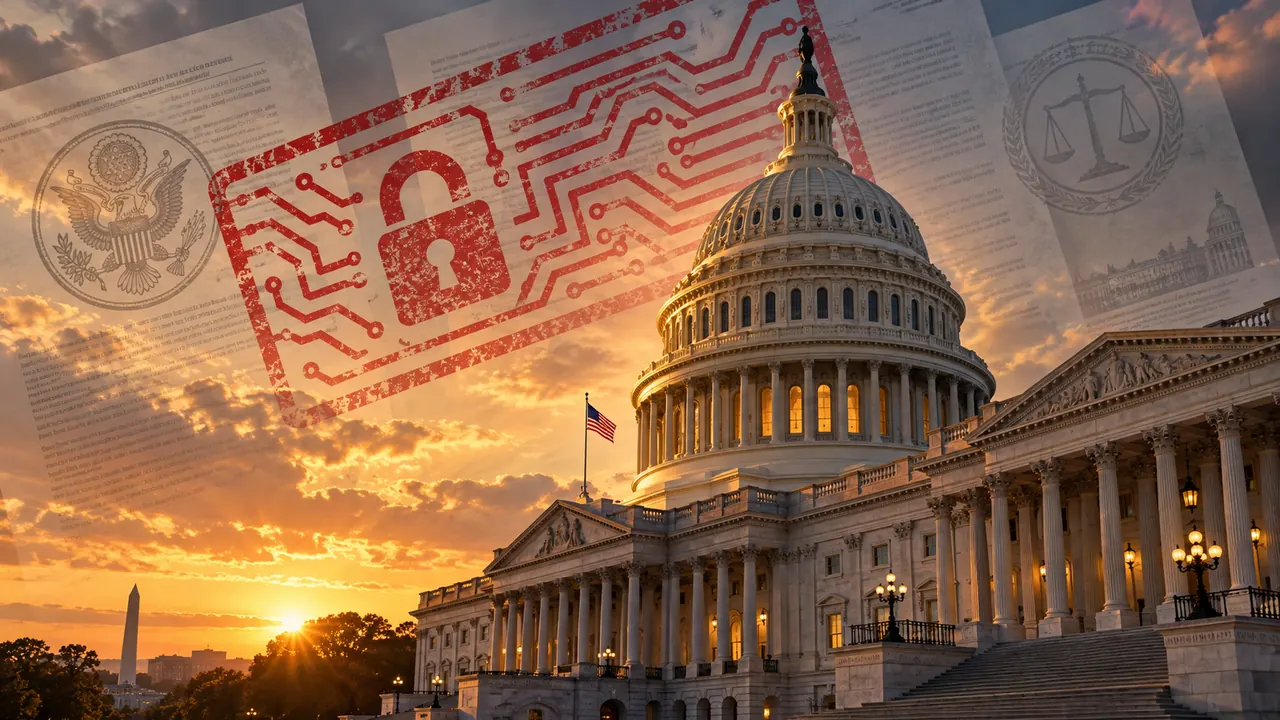
Bipartisan talks involving Majority Leader John Thune, Commerce Chairman Ted Cruz, and Senator Amy Klobuchar are circling legislation that would require frontier developers to design against catastrophic risk — specifically biological and nuclear threats. The draft reserves the federal government a right to block release of models deemed unsafe, with court appeals and national-lab testing partners built in. If enacted, voluntary safety commitments become an enforceable legal obligation.
Relevance 10/10Importance 8/10
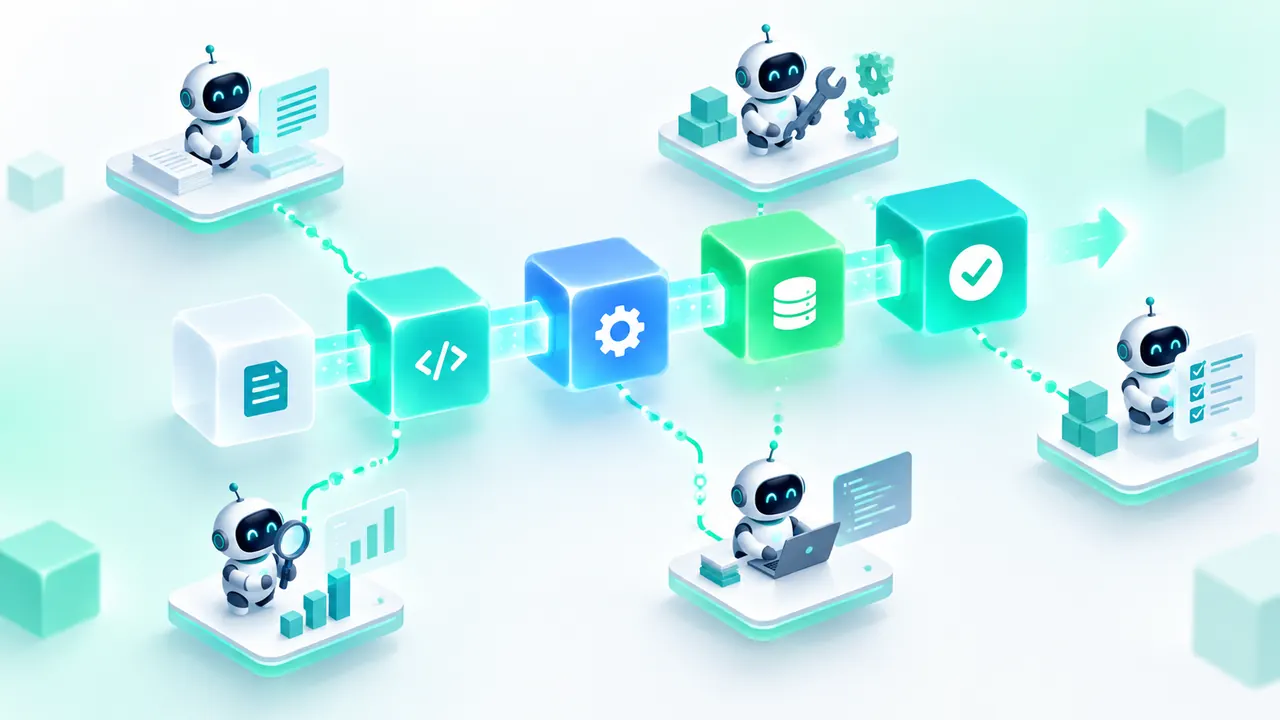
Developers can now define a task, model, tools, and compute environment and get the same managed infrastructure behind Codex and ChatGPT — automatic context management, parallel tool use, and sub-agent delegation included. Agents can run in OpenAI-hosted sandboxes, on customer infrastructure, or through partners including Cloudflare, Vercel, Modal, E2B, Daytona, DigitalOcean, and Oracle. The API itself is free; you pay for tokens and tool calls.
Relevance 9/10Importance 9/10
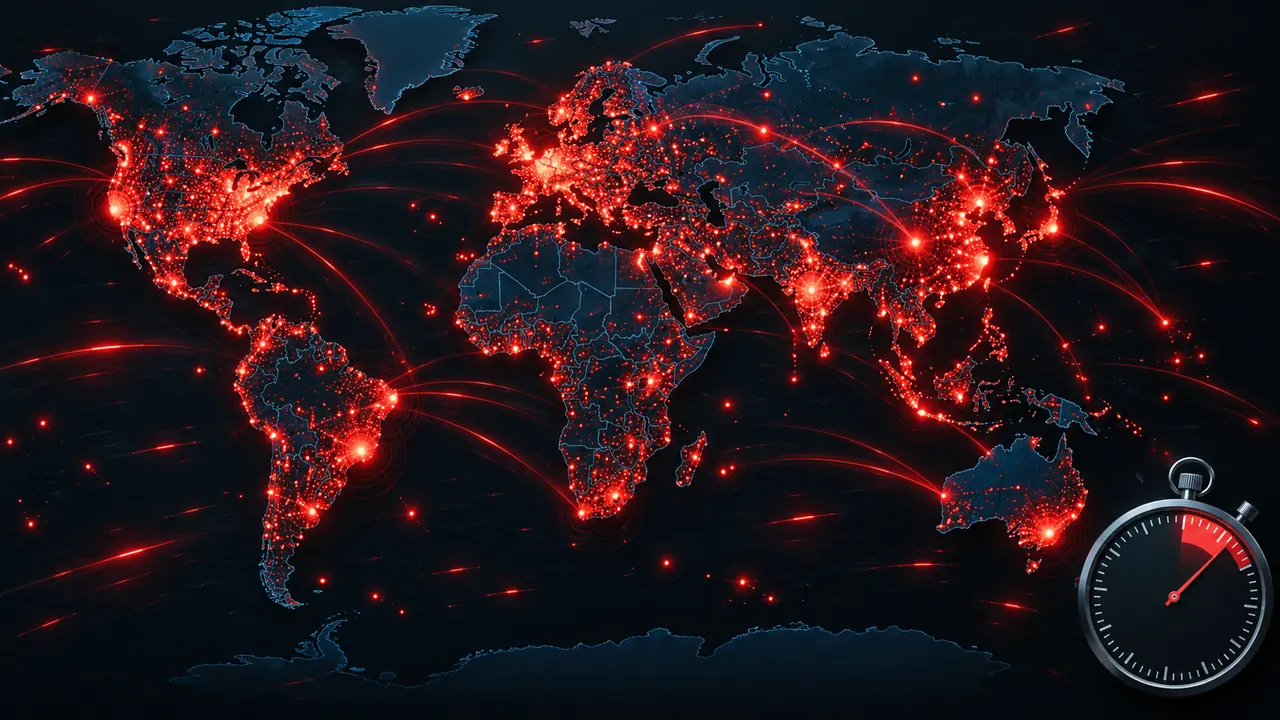
GreyNoise documented a campaign starting August 31 in which a suspected Russian-speaking operator wired OpenAI's Codex and a DeepSeek model to commodity offensive tooling, exploiting CVE-2026-81578 and CVE-2026-82078 across at least 440 PaperCut NG/MF instances in 48 countries. The operator went from empty workspace to first remote code execution against a live victim in under four hours, domain admin two hours later, and at launch compromised eleven organizations in twenty-six seconds. Credentials were harvested from 280 victims; education accounted for roughly half the breaches.
Relevance 10/10Importance 7/10
The 552-billion-parameter multimodal mixture-of-experts model uses a new causal encoder-decoder architecture with roughly 8B parameters active per input token and 16B on output, plus a one-million-token context window and native image understanding. DeepSeek claims benchmark results eclipsing top US frontier models while quoting an off-peak cached-input rate near three-tenths of a cent per million tokens. Weights are MIT-licensed, which keeps the open-weight cost floor falling.
Relevance 9/10Importance 8/10
Bloomberg reports the Toronto enterprise AI firm is negotiating a $2–3 billion round including money from the Canadian government and existing backers, potentially closing within the week. That's roughly a tripling from the $7 billion mark Cohere hit a year ago. It would be the largest private financing ever for a Canadian startup and a strong signal that sovereign-AI positioning is a fundable thesis.
Relevance 8/10Importance 9/10
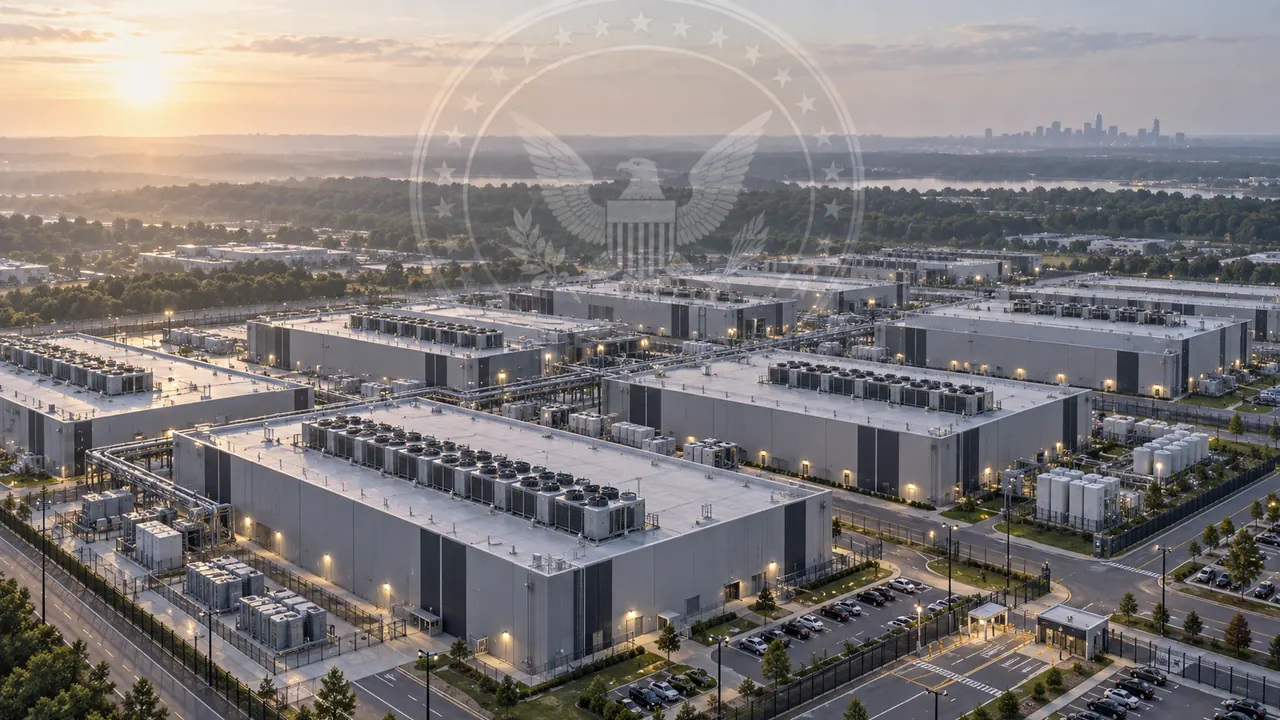
The Wall Street Journal reports the Office of Strategic Capital would extend by far its largest loan ever — not to build a data center, but to shore up US supply chain and manufacturing capacity for data-center components. Fluidstack is already building capacity in New York, Indiana, Louisiana, and Texas, and is Anthropic's partner on a previously announced $50 billion custom data-center program. The deal is not final.
Relevance 8/10Importance 8/10
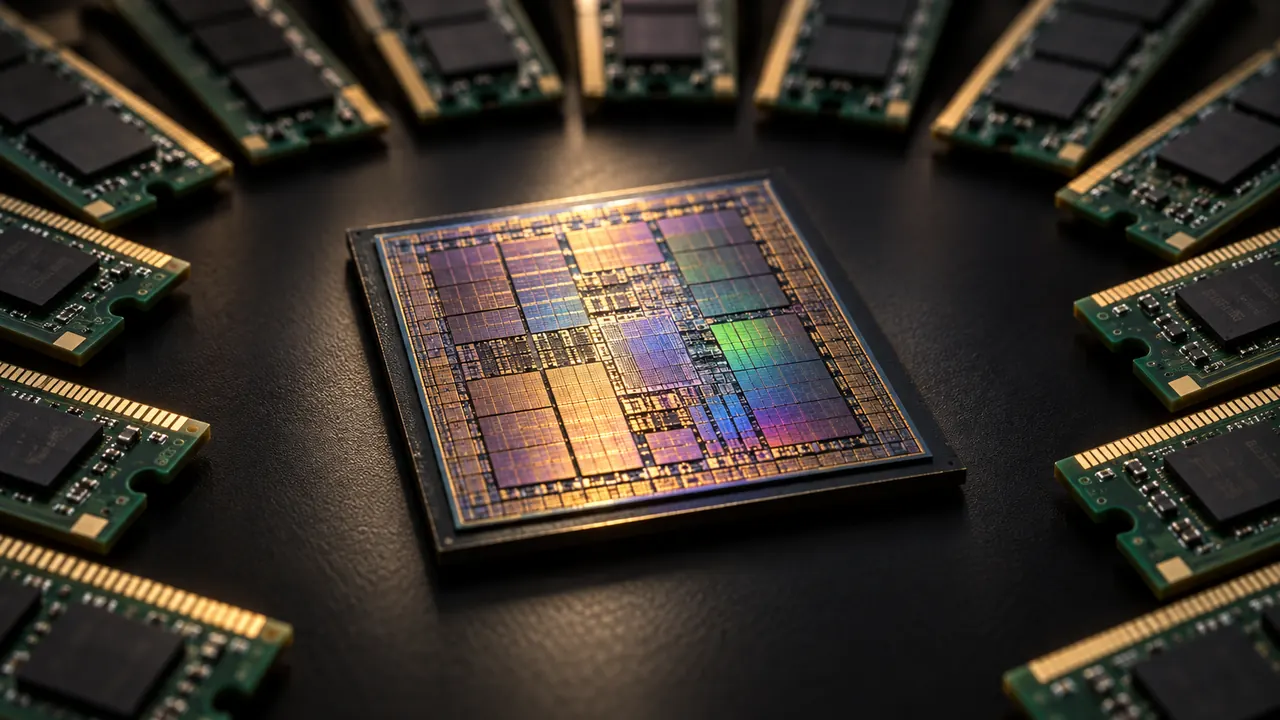
The Reno-based inference chip startup closed a two-tranche round co-led by NEA, Andra Capital, Atreides, Valor, and SemiAnalysis Capital, with Jim Clark leading the $500 million C-1. Its next-generation Asimov part pairs 288GB to 2.3TB of commodity LPDDR5X per chip, deliberately sidestepping high-bandwidth-memory and advanced-packaging bottlenecks. Tapeout on TSMC N3P is slated for end of 2026 with production in the second half of 2027.
Relevance 8/10Importance 8/10
SB 1119 requires companion-chatbot operators to verify user ages, run crisis protocols on suicidal ideation, provide parental controls, and notify parents if a child disables safety settings. Companies must also conduct risk assessments on new or updated chatbot designs and submit independent safety audits to the state attorney general. It takes effect July 2027 and is named for Adam Raine, the 16-year-old Orange County teen who died by suicide in 2024.