Relevance 10/10Importance 9/10
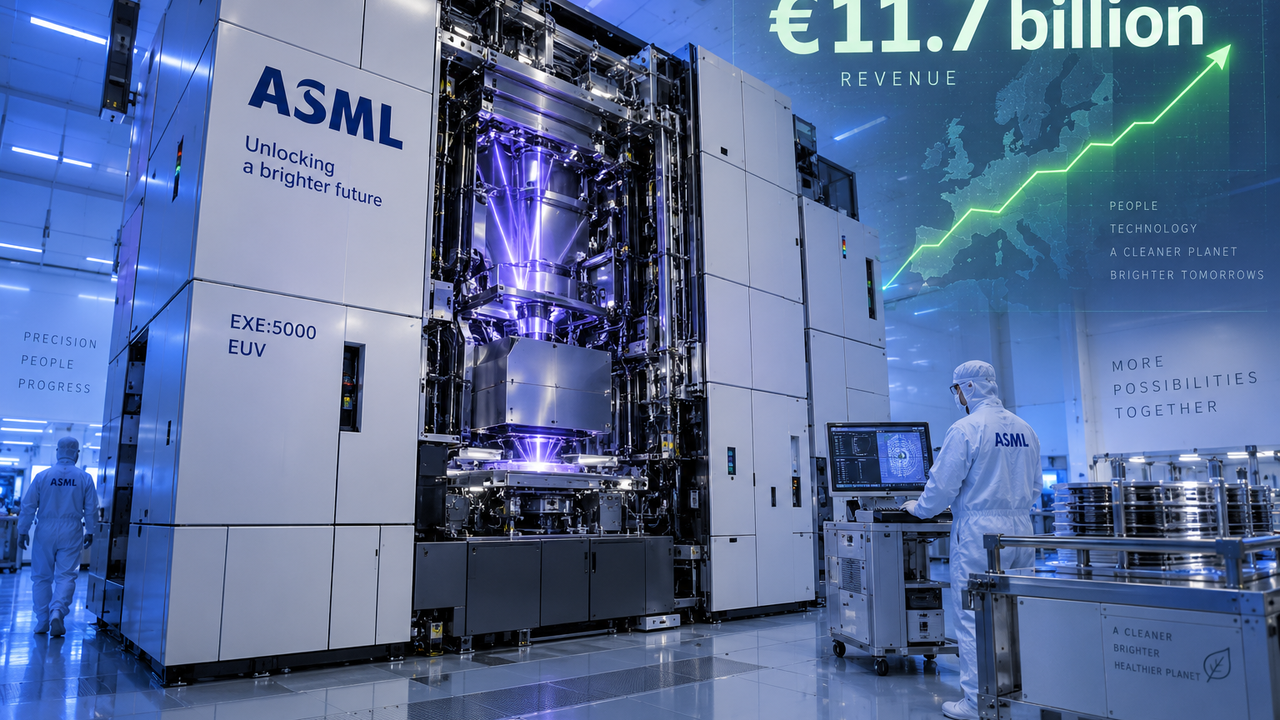
ASML posted record Q3 net sales of 11.7 billion euros and net income of 5.0 billion, shipping 121 litho systems including 40 EUV units — up from just 16 the prior quarter. Customers are now reportedly inquiring about orders stretching out to 2029 and 2030, and long-term customer prepayments jumped 5.7 billion euros to 9.3 billion. ASML now says planned 2027 and 2028 supply won't meet demand and is studying expansion beyond its already-announced 30 percent capacity increase.
Relevance 10/10Importance 8/10
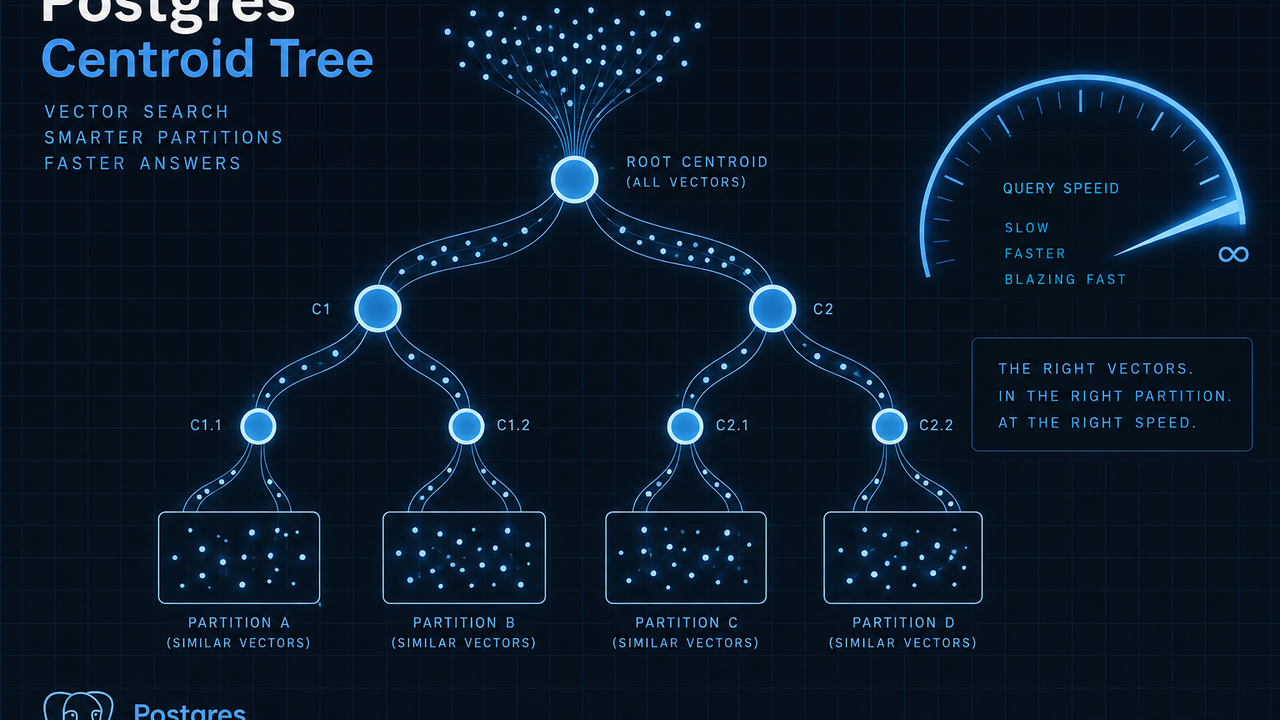
Timescale open-sourced a Postgres extension built around PRISM — Partitioned Routing Index for Similarity Matching — which they claim beats pgvector's IVFFlat and HNSW on speed at equivalent recall across 100-million-vector datasets, with substantially lower memory use. It combines a hierarchical centroid tree, RaBitQ quantization with error bounds, and SIMD-optimized distance math to cut both query latency and index build time. Crucially, it supports dynamic updates and works against existing pgvector columns, making it close to a drop-in swap.
Relevance 6/10Importance 8/10
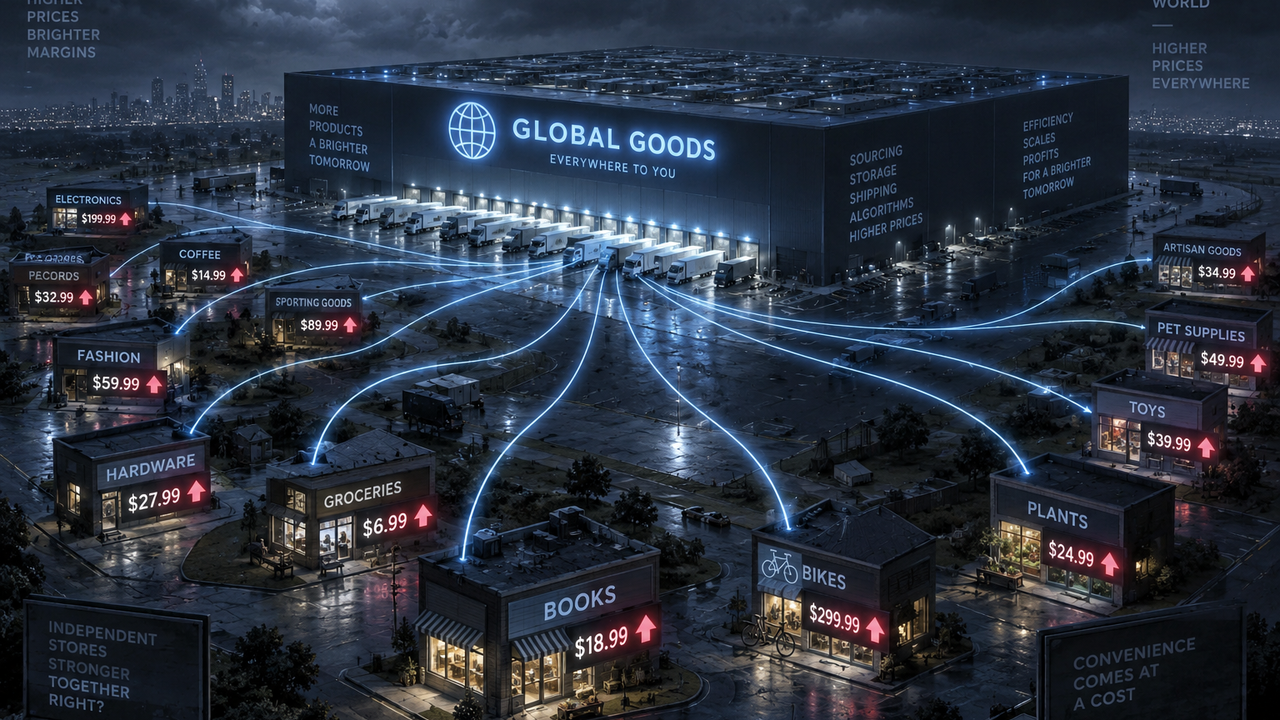
The piece argues Amazon marketplace fees can consume up to half of a seller's revenue, and because its Fair Pricing Policy penalizes sellers who go cheaper elsewhere, those inflated prices propagate to every other storefront. The upshot: shoppers pay Amazon prices even when they never open Amazon. It ties directly to the FTC's 2023 antitrust suit, which targets exactly this bundling of fulfillment, advertising, and price-parity enforcement.
Relevance 8/10Importance 5/10
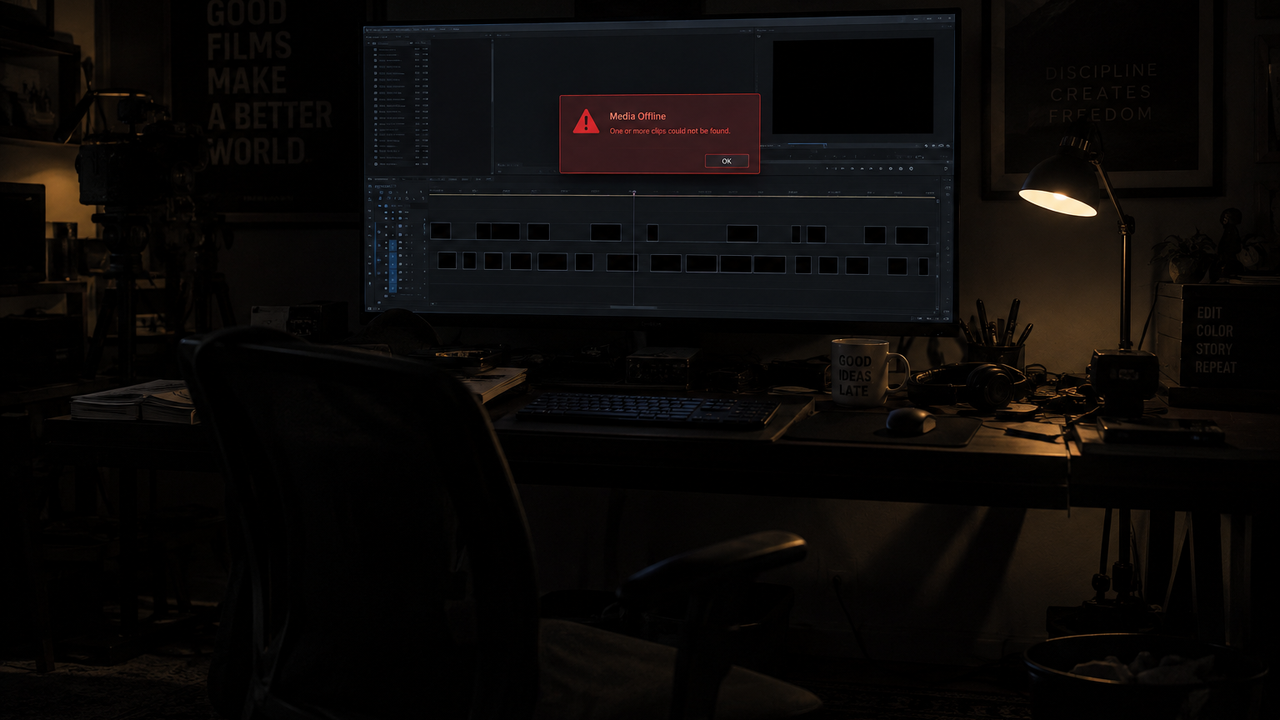
Swedish broadcaster TV4 pushed its reality series "The Challenge" from a November 22 premiere all the way to late spring 2027 after a backup system failure at the production house wiped large chunks of edited footage — several hundred days of cutting-room work. Early reports pinned it on a rogue AI agent, but program director Mia Lindqvist flatly denied it, saying no independent AI agent went in and deleted the material. Either way, the season gets re-edited from scratch.
Relevance 5/10Importance 3/10
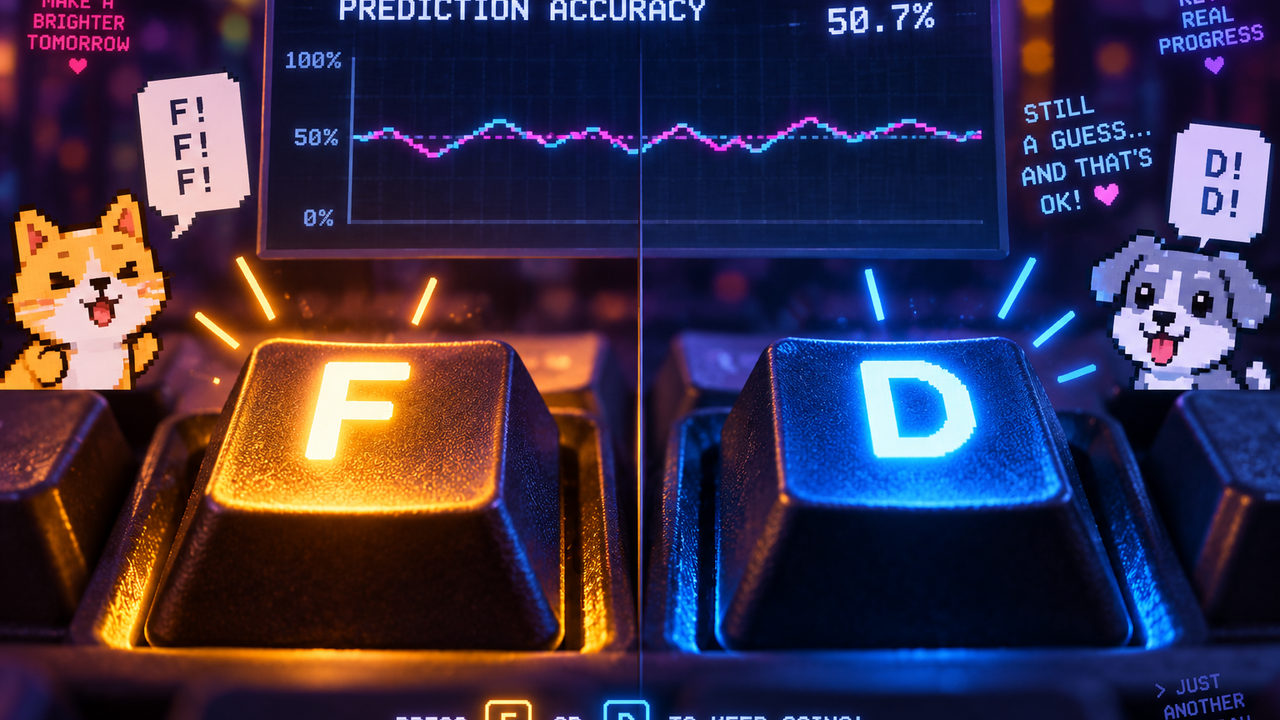
A tiny in-browser predictor that guesses whether you'll hit F or D next, using an n-gram model over your last five keystrokes and falling back to shorter patterns when longer ones are too sparse. It consistently beats chance because humans carry a strong alternation bias — as Scott Aaronson put it, most people don't really know how to type randomly. The delightful part: knowing how it works doesn't help you much.
Relevance 4/10Importance 3/10
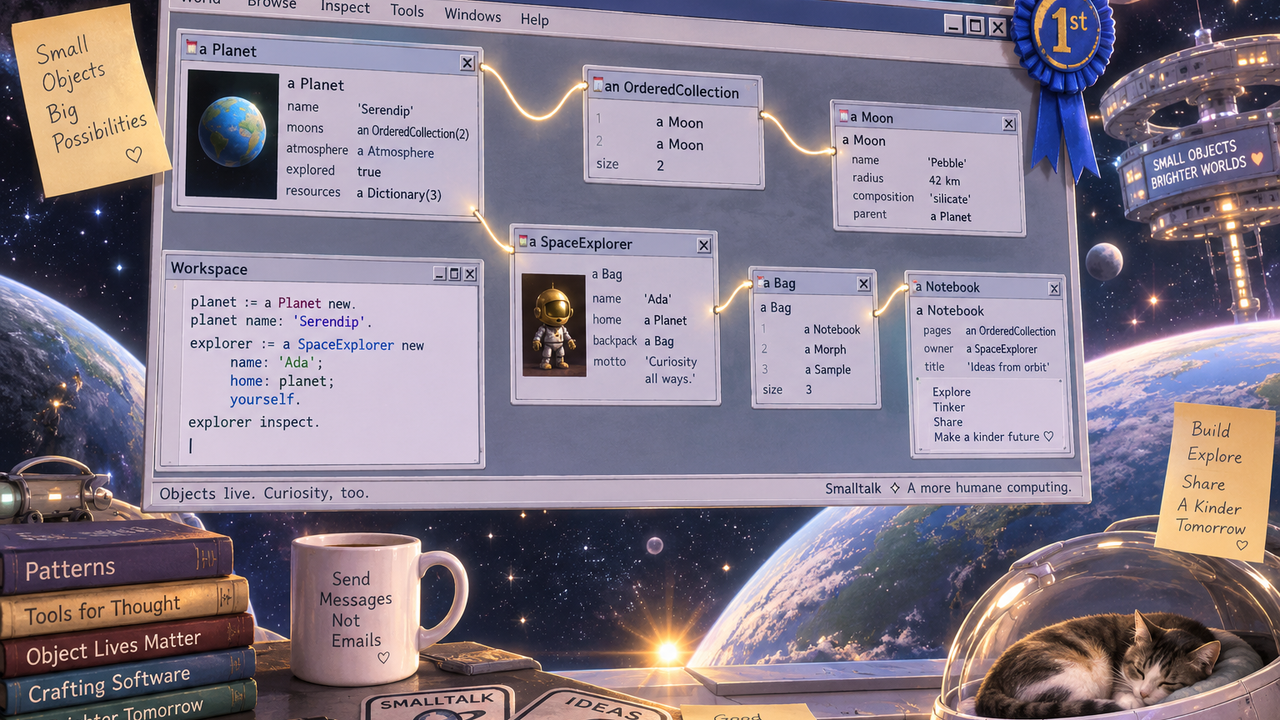
Pulsar is a new coding-centric IDE for Pharo, built on the premise that tools should help you understand, navigate, and change a live system while staying close to the code. The author explicitly argues that in an era of generative AI agents, those comprehension affordances matter more, not less. It took first prize at ESUG 2026 and is in pre-alpha, actively hunting for feedback.
Relevance 2/10Importance 4/10
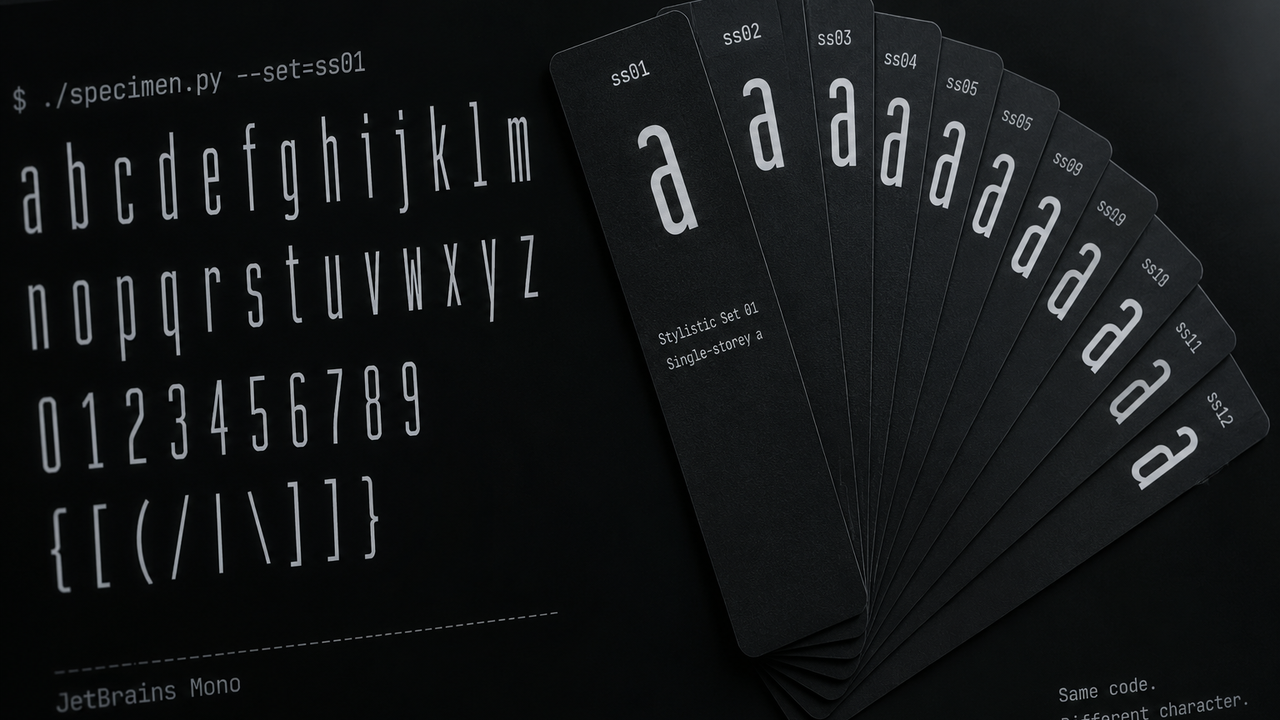
Iosevka is a coding typeface family covering monospace and quasi-proportional variants, with 146 configurable characters across 19 stylistic sets — effectively a build-your-own-font pipeline. It's deliberately narrow, so you fit more columns on screen, and it leans on serious OpenType work including language-specific ligations. Coverage spans 248 languages, and it sat at the top of HN this morning with over 400 points.
Relevance 3/10Importance 3/10
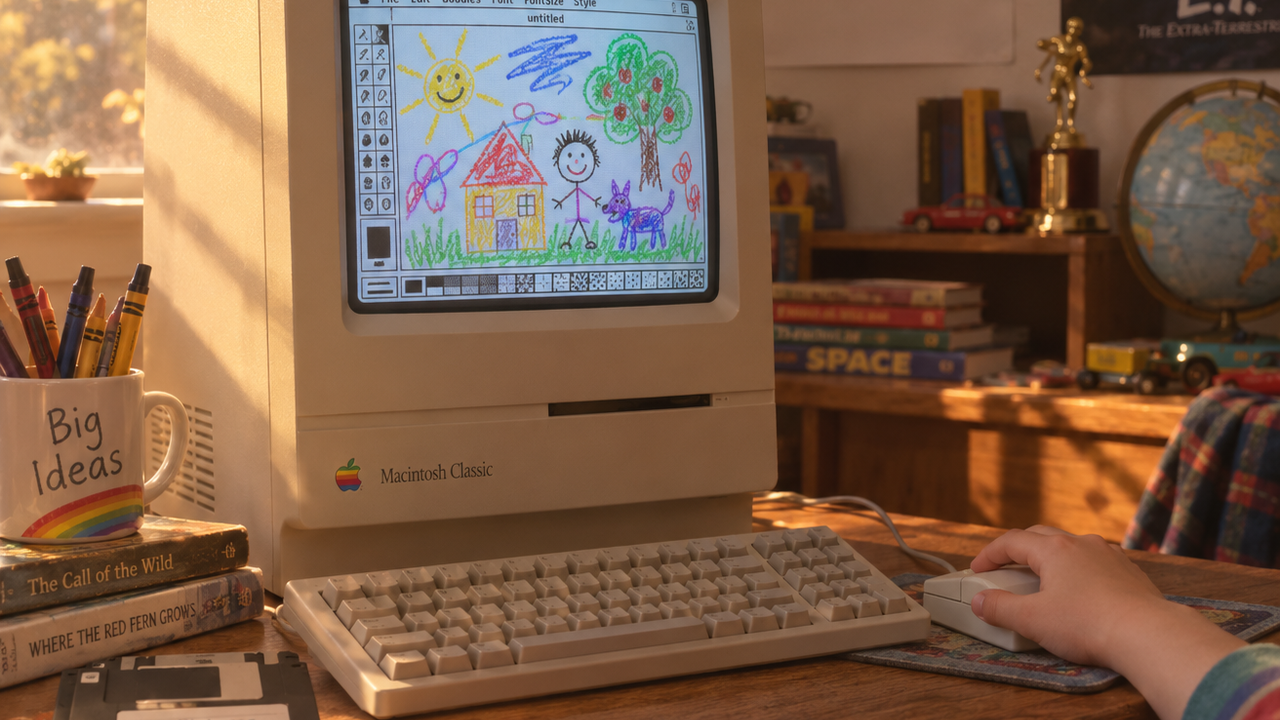
Craig Hickman built Kid Pix in 1988 after watching his three-year-old son Ben flail against MacPaint, so he wrote a paint program simple enough for a kid to actually use. A friend talked him out of giving it away free; he shipped it in November 1989 bundled with an ad for a 25-dollar "Kid Pix Professional" upgrade. Broderbund published it commercially in 1991, and it became a formative piece of software for a whole generation.
Relevance 1/10Importance 3/10
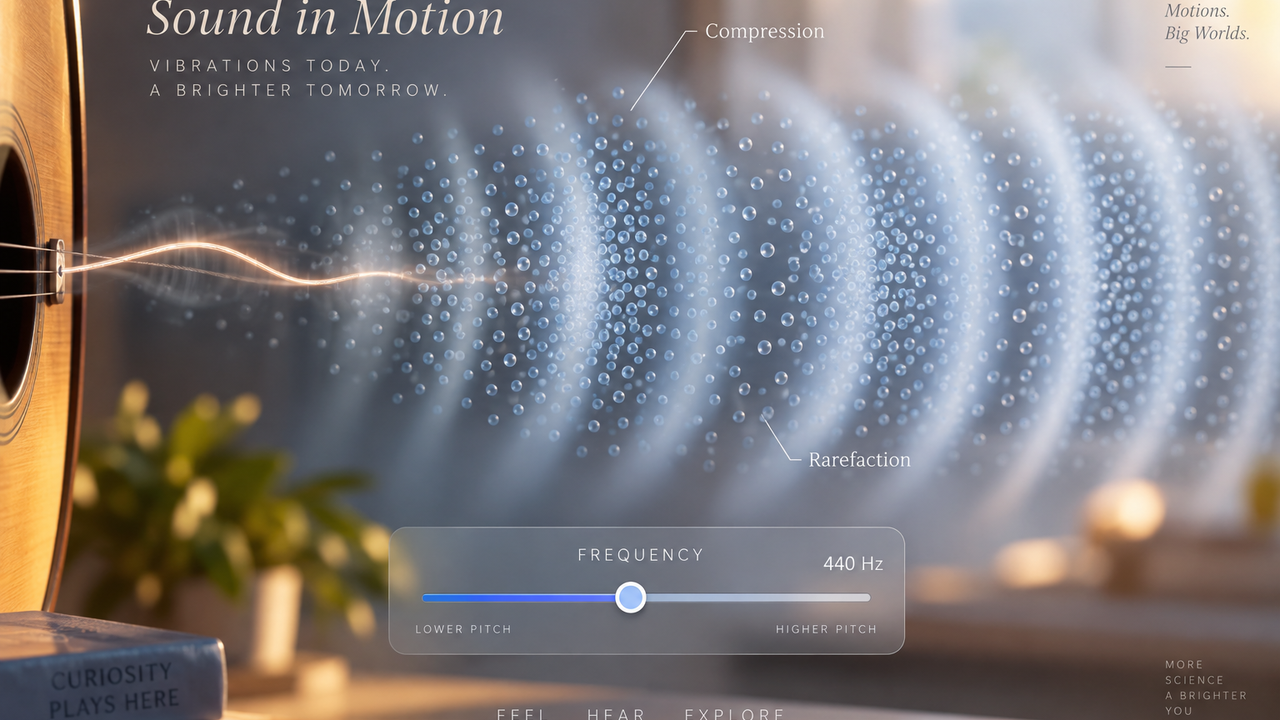
A resurfaced Ciechanowski interactive explainer that walks from air-molecule pressure all the way to wave propagation and acoustic phenomena, with draggable demos for frequency and amplitude you can both see and hear. It decomposes complex waveforms into sine components via Fourier analysis, covers how vibrating strings make harmonics, and simulates Doppler shift and interference. It's the gold standard for what a web explainer can be.
Relevance 2/10Importance 2/10
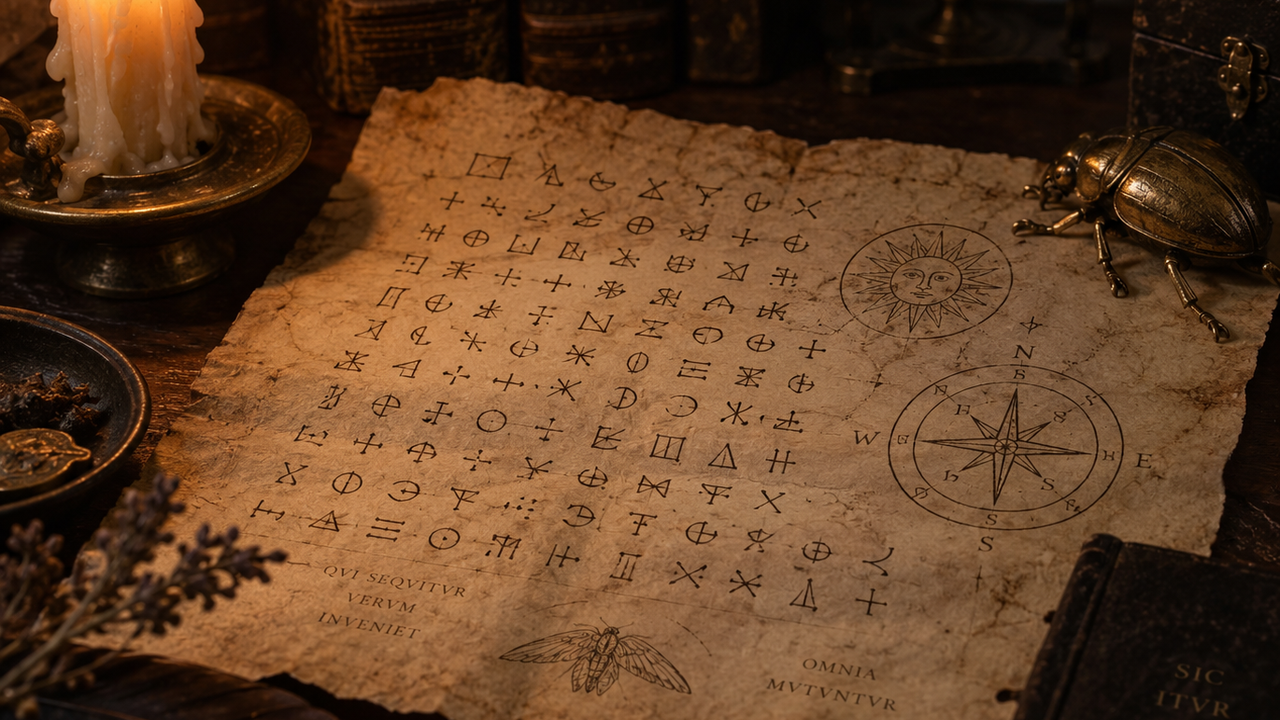
A reflection on how Poe's 1843 tale "The Gold-Bug" smuggled real cryptography into popular fiction via a coded parchment and a substitution cipher cracked by letter-frequency analysis. Poe treated codebreaking as logic, not magic — a framing that stuck. The kicker: Claude Shannon, who founded information theory, told an interviewer he'd read The Gold-Bug as a kid.

 HN Briefing AM