Relevance 10/10Importance 9/10
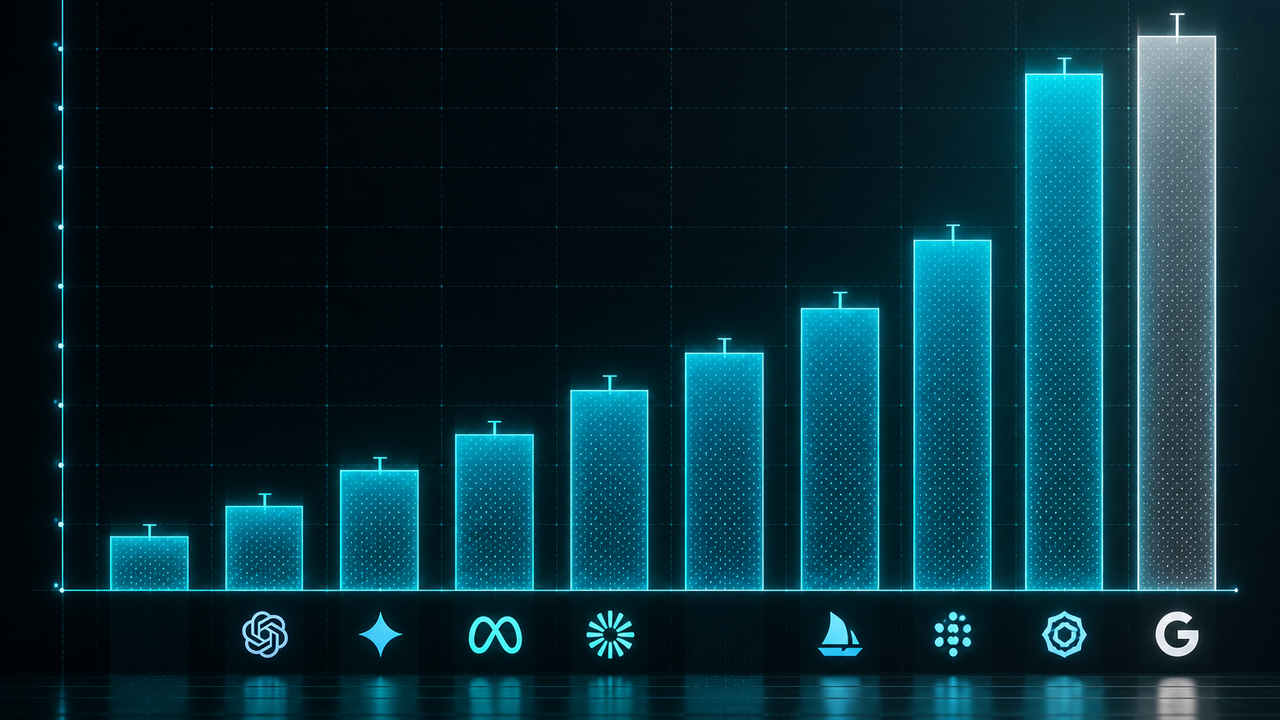
Moonshot's Kimi dropped K3.1 Pro, billed as their most capable 3T-class open-weight model yet, with a one-million-token context window and a Highspeed variant running two to three times faster. It posts 65.7 percent on Terminal-Bench 4.0 — ahead of GPT-6 Astra and within a hair of Claude Opus 5.5 — and cuts hallucination rate on hard benchmarks from 23.4 percent down to 8.3. Full weights land by November 4, and they stripped cyber-related training data on purpose before shipping.
Relevance 6/10Importance 9/10
CVE-2026-111497 is an out-of-bounds write in Google's Brotli compression library, versions 1.0.3 through 1.2.0, carrying a CVSS 9.2 critical rating. The root cause sits in DecodeBlockTypeAndLength, where the decoder can't tell a malformed stream from an incomplete one — opening the door to memory corruption and remote code execution. Blast radius covers Node.js, Bun, curl, Envoy, Istio, and quietly every Python app with Brotli installed, since urllib3, requests, httpx, and aiohttp auto-load it.
Relevance 5/10Importance 9/10
The Calif team unveiled a string of iPhone exploits at Hexacon in Paris on October 16, including attacks on both Signal and iMessage. One demo is labeled "APT stands for Apple Persistent Threat," which points squarely at persistence on a device Apple markets as locked down. Technical write-ups are promised later; for now it's videos only, and 624 HN comments arguing about what it means.
Relevance 7/10Importance 7/10
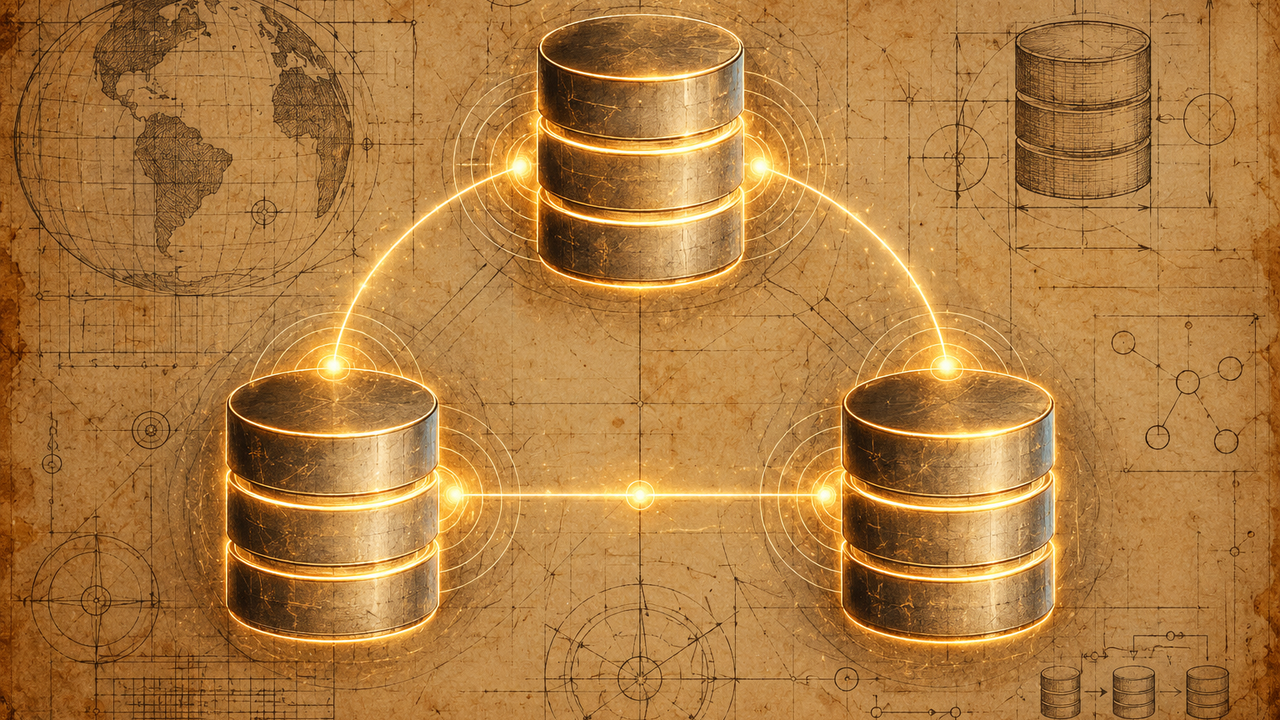
Philip O'Toole's retrospective on rqlite, the SQLite-plus-Raft database he launched in 2014, traces how at least eight independent teams reinvented the same core idea. He maps the design space into three camps — consensus-based like rqlite and dqlite, streaming-based like Litestream, and merge-based like cr-sqlite — and defends the CP tradeoff where a partitioned minority simply refuses writes. The business lesson is the sharp one: eight years passed between the open-source idea and the venture-backed managed services built on it.
Relevance 8/10Importance 6/10
TornadoVM 7 ditches JNI for the Foreign Function and Memory API and drops its experimental JVMCI dependency, unifying compilation across JDK 21, 25, 26, and 27. The new CUDA backend brings the cuTile programming model, direct cuBLAS and CUTLASS calls, and multi-GPU execution, with a parallel Metal Extended Library path for Apple silicon. It plugs into LangChain4j, Spring AI, Quarkus, and Flink, and the team shipped jitLLM 2.0 as a Java-native answer to llama.cpp and Ollama.
Relevance 4/10Importance 6/10
GrapheneOS reports that roughly a dozen banking apps now explicitly allowlist the OS alongside Google-approved platforms, and the list is growing. Most banking apps already work, though many need a per-app exploit-protection compatibility toggle thanks to memory corruption bugs and overzealous anti-tampering checks. About ten percent still hard-block any non-Google-approved OS via attestation, with community tracking maintained over at privsec.dev.
Relevance 2/10Importance 7/10
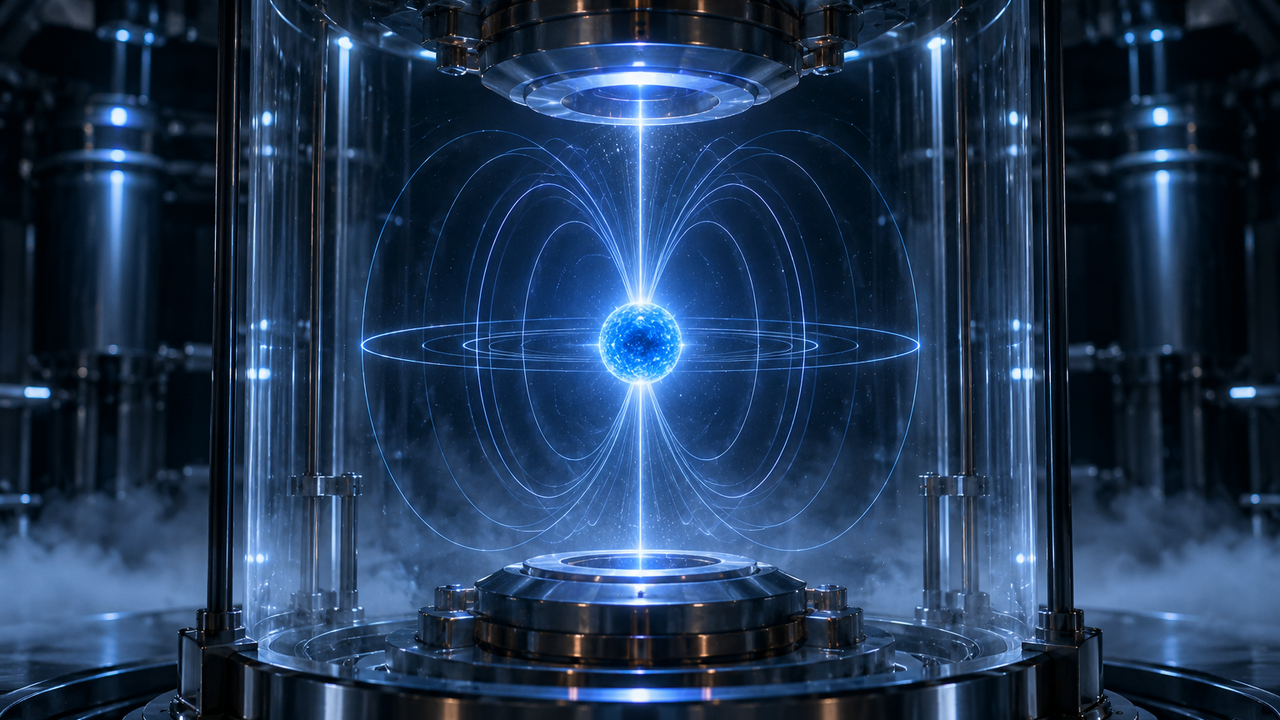
Gerald Gabrielse's team at Northwestern held a single positron for a full month, and they think they could hold it indefinitely. Positrons from sodium-22 decay get slowed through a cold tungsten crystal lattice, then pinned in a near-absolute-zero vacuum by an electric field above and below and a magnetic field from the sides — a container without walls. That stability finally allows precise measurement of the positron's magnetic moment against the electron's, which could explain why the universe ended up made of matter at all.
Relevance 3/10Importance 5/10
OBS 33.0.0 jumps its embedded Chromium from version 127 all the way to 150, dragging browser sources and docks up to September 2026 web standards. Plugin loading got reorganized, with first-party plugins moved into a core folder and third-party ones relocated, though legacy paths keep working through OBS 34. Also landing: NVENC hardware encoding on ARM64, smarter axis-wide source snapping with a visual indicator, and spinboxes that finally behave like normal number fields.
Relevance 2/10Importance 4/10
Douglas Ross of the University of Southampton has a sprawling free web treatise walking readers through quantum mechanics, organized into chapters from a foreword onward. The framing is the honest one working physicists admit privately: you can master the math, make flawless predictions, and still not understand what's actually happening. It resurfaced on the front page with 114 comments of people relitigating interpretations.
Relevance 1/10Importance 2/10
Neil Pasricha's 1000 Awesome Things blog argues that scars, scratches, and blemishes are personal records of survival rather than flaws to hide. Inspired by a friend's surgical scar, he frames every mark as evidence of a struggle you walked away from. It's the obligatory bit of front-page humanity sitting between a critical CVE and an iPhone exploit chain.

 HN Briefing AM