Relevance 10/10Importance 9/10
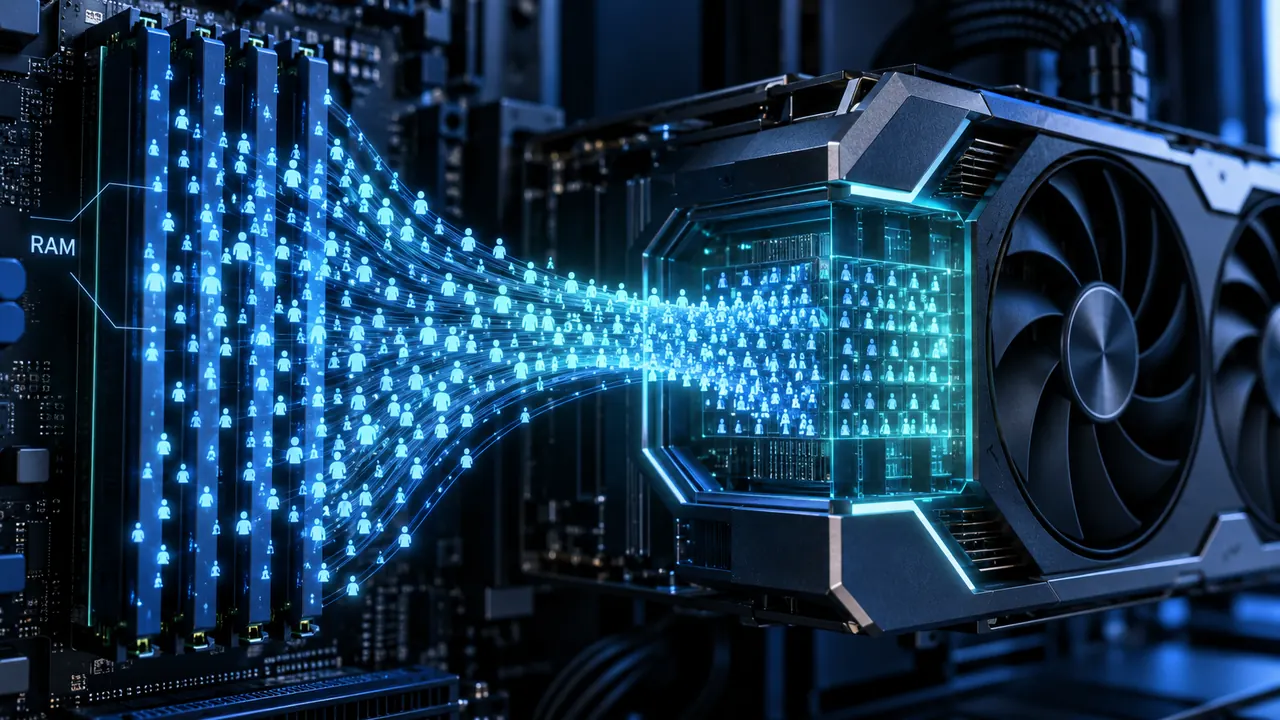
Strata is an open-source inference engine that runs a 125-billion-parameter MoE model on a gaming PC by keeping hot experts on the GPU, the full 24,576-expert set in RAM, and lookup tables on disk — plus speculative decoding for a 1.6 to 1.8x speedup. The devs claim up to 94 tokens per second on a 12 GB RTX 5070 and 2,650 tokens per second prefill on 32K prompts. Floor is 12 GB VRAM, 32 GB RAM, and about 80 GB of storage, all running fully local.
Relevance 10/10Importance 8/10
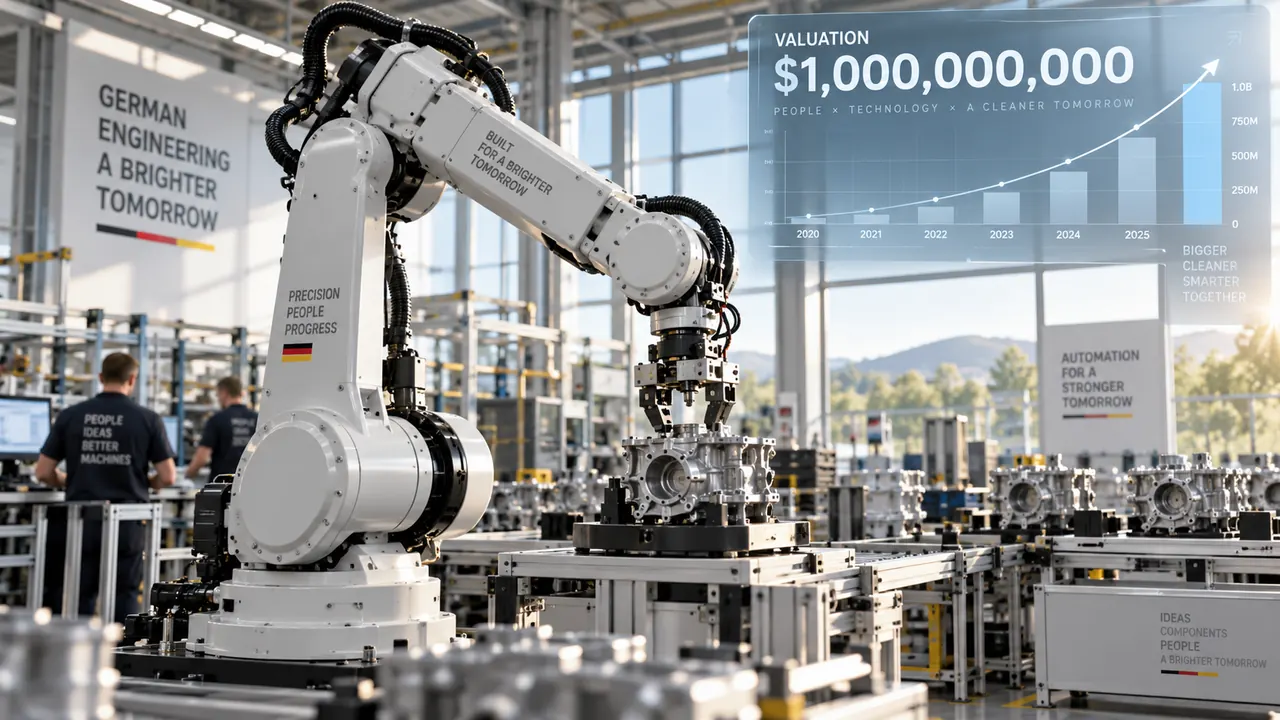
Munich-based RobCo crossed a $1 billion valuation via a $40 million secondary share sale that was mostly employees cashing out, doubling the roughly $500 million mark it hit in January. Existing backers Sequoia, Lightspeed, Greenfield, Kindred, Lingotto and Promus joined new investors Cherry Ventures and European Tech Collective. It sells modular industrial robots as Robotics-as-a-Service with no upfront cost, in a sector that pulled $33.4 billion in H1 2026 alone.
Relevance 9/10Importance 7/10
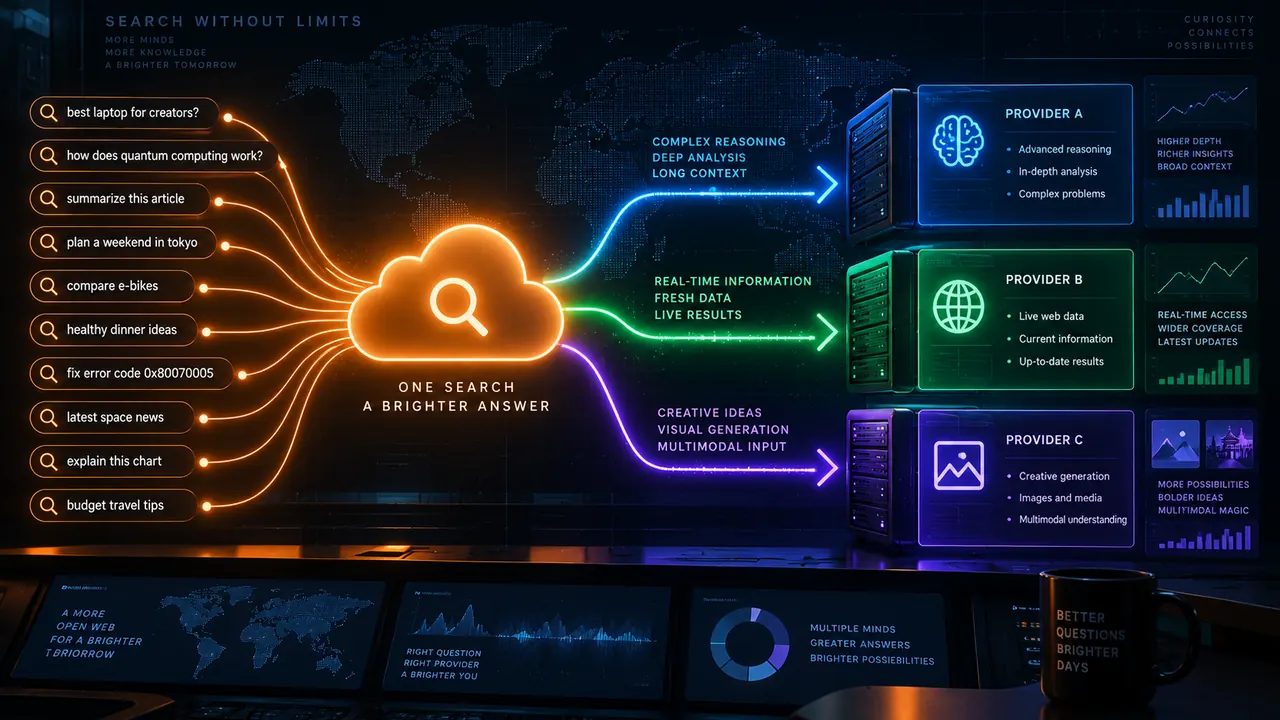
Cloudflare shipped a beta Web Search API through AI Gateway so agents can ground responses in live internet data instead of stale training weights. It fronts three providers — Ceramic.ai, Exa, and Linkup — at each provider's standard rates with no Cloudflare markup, using gateway credits or your own key. All three signed zero-data-retention commitments, and it's callable via REST or a Workers AI binding.
Relevance 9/10Importance 6/10
Anthropic is running an AI-interviewer study asking Claude users about meaningful AI experiences, how AI should reshape institutions, and what they want from AI companies. The new wrinkle versus its 81,000-participant December 2025 study is that participants can opt to publish their interview so anyone can read it. The company flags the re-identification risk honestly; the window runs September 29 to October 6, 2026, about fifteen minutes per interview.
Relevance 7/10Importance 8/10
The two giants signed cross-licenses spanning 5G, compute, AI, and networking patent portfolios, and Qualcomm will outright buy certain Huawei patents in compute, AI, and networking. Huawei leaned on its polar-code and fundamental R&D credentials; Qualcomm pointed to its 5G SEP licensing program. Both reaffirmed FRAND principles — a notable thaw between two companies that have spent years circling each other.
Relevance 5/10Importance 9/10
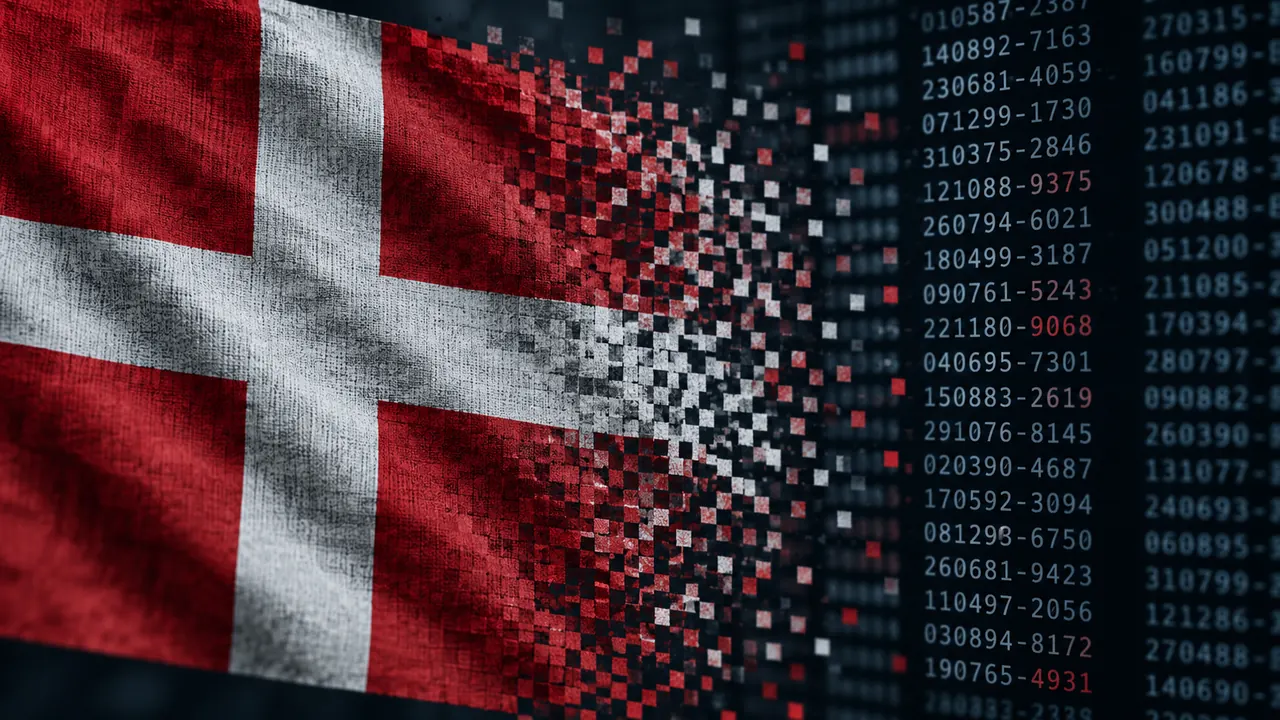
Attackers abused a legitimate Danish company's authorized access to the Central Person Register to pull names, addresses, and CPR numbers on roughly 8.8 million registered citizens. People enrolled in name-and-address protection were spared. CPR revoked the company's access, notified Datatilsynet, and police have opened a criminal investigation.
Relevance 4/10Importance 7/10
GrapheneOS says it cannot complete a Pixel 11 port because ARM memory tagging is missing in software, firmware, and almost certainly hardware — a feature Google shipped back in the Pixel 8. MTE underpins GrapheneOS across the kernel and base OS processes, blunting the memory-corruption bugs behind most remote exploits. The project now treats MTE as a hard minimum, recommends against buying the Pixel 11, and is eyeing upcoming Motorola devices instead.
Relevance 3/10Importance 5/10
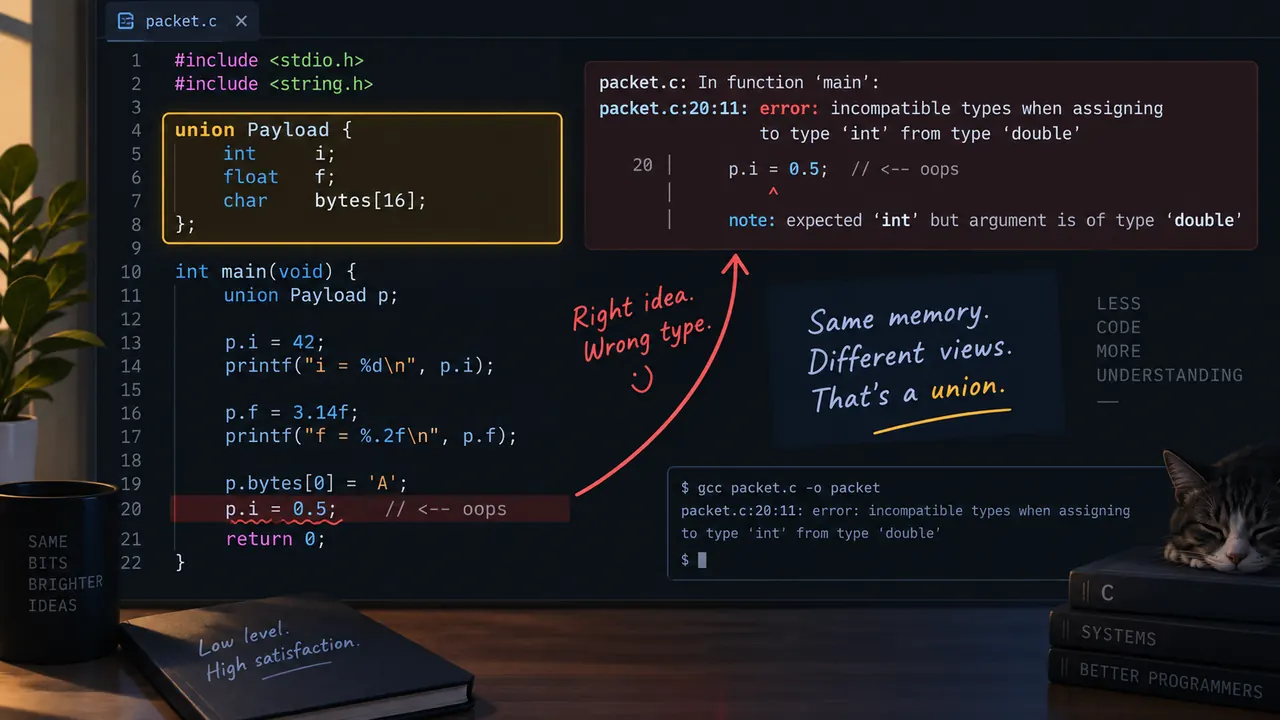
Daniel Hooper walks from macro code-gen and void pointers up to a union trick that bolts compile-time type information onto generic C containers via a zero-cost payload member. The ternary expression that reads one-question-mark item colon list-arrow-payload forces the compiler to reject mismatched types, while typeof casts the return value back correctly. It generalizes to arrays, trees, and maps with no runtime overhead.
Relevance 2/10Importance 4/10
The Haskell blog argues the real distinction isn't traversal direction — both go left to right — but associativity of the combining function. In strict languages foldl is the constant-space tail-recursive one; in lazy Haskell plain foldl builds a linear thunk chain, so you want foldl prime, while foldr stays naturally lazy and handles infinite lists. The practical rule: pick based on your function's strictness, and skip plain foldl and foldr prime on lists entirely.
Relevance 1/10Importance 8/10
Karl Deisseroth, Peter Hegemann, and Georg Nagel share the 2026 prize for discoveries concerning light-gated ion channels and optogenetics. Hegemann and Nagel found channelrhodopsin in a single-celled alga; Deisseroth put its gene into rat neurons and fired a nerve signal with blue light in 2005. They split 12 million Swedish kronor, about 1.2 million dollars, three ways.

 HN Briefing AM