Relevance 10/10Importance 10/10
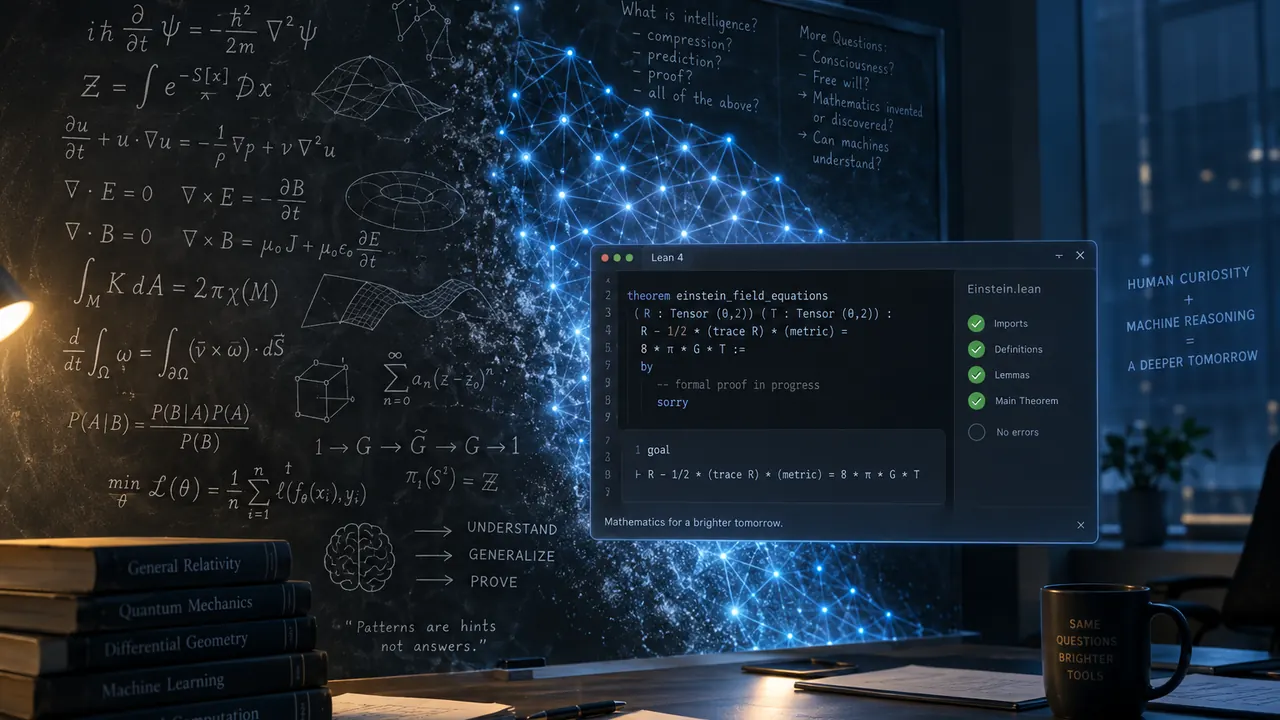
OpenAI published a batch of new results on open mathematical problems produced by an internal frontier model, along with Lean formalizations and reasoning summaries on GitHub. They consulted the independent Advisory Group on Mathematics and AI at the Institute for Advanced Study to set norms for how AI-derived results get shared, revised, and cited. Each result averaged roughly three hours of ChatGPT Pro-equivalent thinking compute — and at 1,091 points it's the runaway top story on HN this morning.
Relevance 9/10Importance 8/10
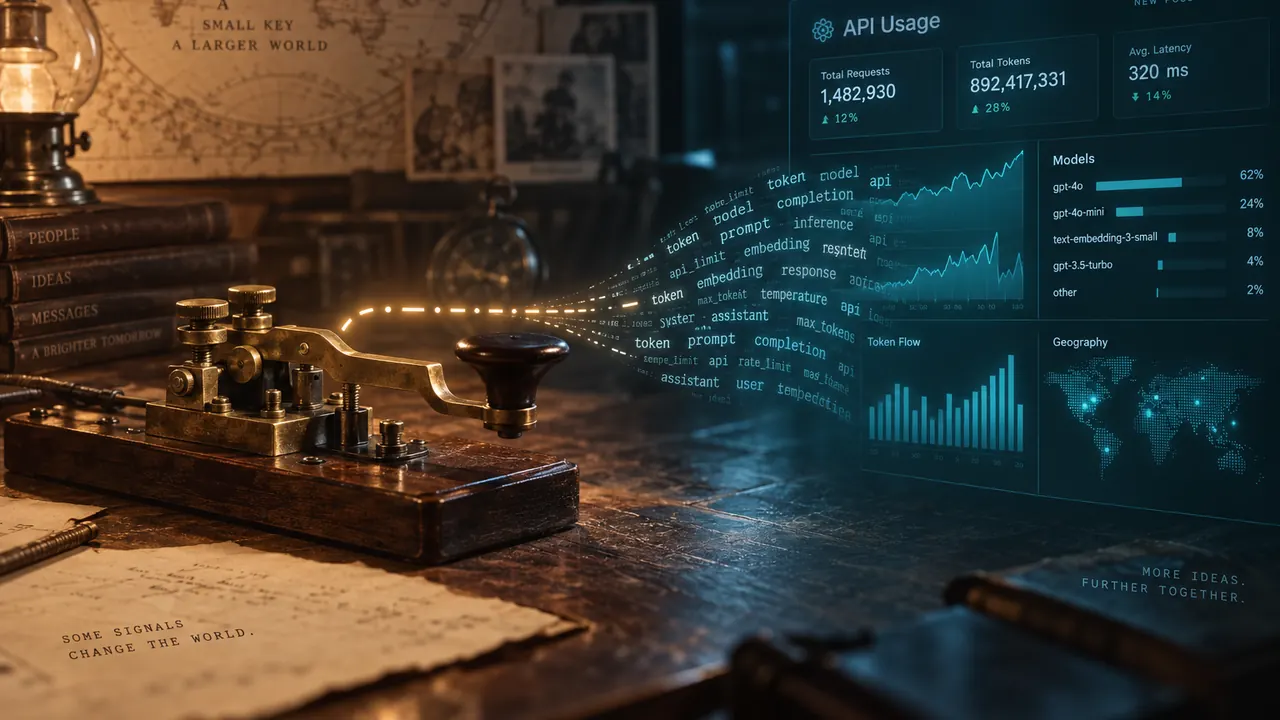
Researchers told LLMs to write summaries in "cablese" — the article-dropping telegraph style born when wires cost ten dollars a word — and cut billed output tokens by 40 to 49 percent with no training or infra changes. Downstream models read the compressed records at 0.99 to 1.10 accuracy versus plaintext, even models never trained on the style. The catch: compress *after* content is settled, because composing directly in cablese costs quality.
Relevance 9/10Importance 7/10
A fully formalized Lean 4 proof of the optimal packing of eleven squares in a square, landing at a side length of about 3.877 defined by the root of an eighth-degree polynomial. The project compiled 7,920 Lean modules with zero admissions, using a hybrid of traditional Mathlib proofs and native numerical certificates. It's a concrete data point on AI-plus-proof-assistant workflows closing out decades-old combinatorial geometry conjectures.
Relevance 8/10Importance 7/10
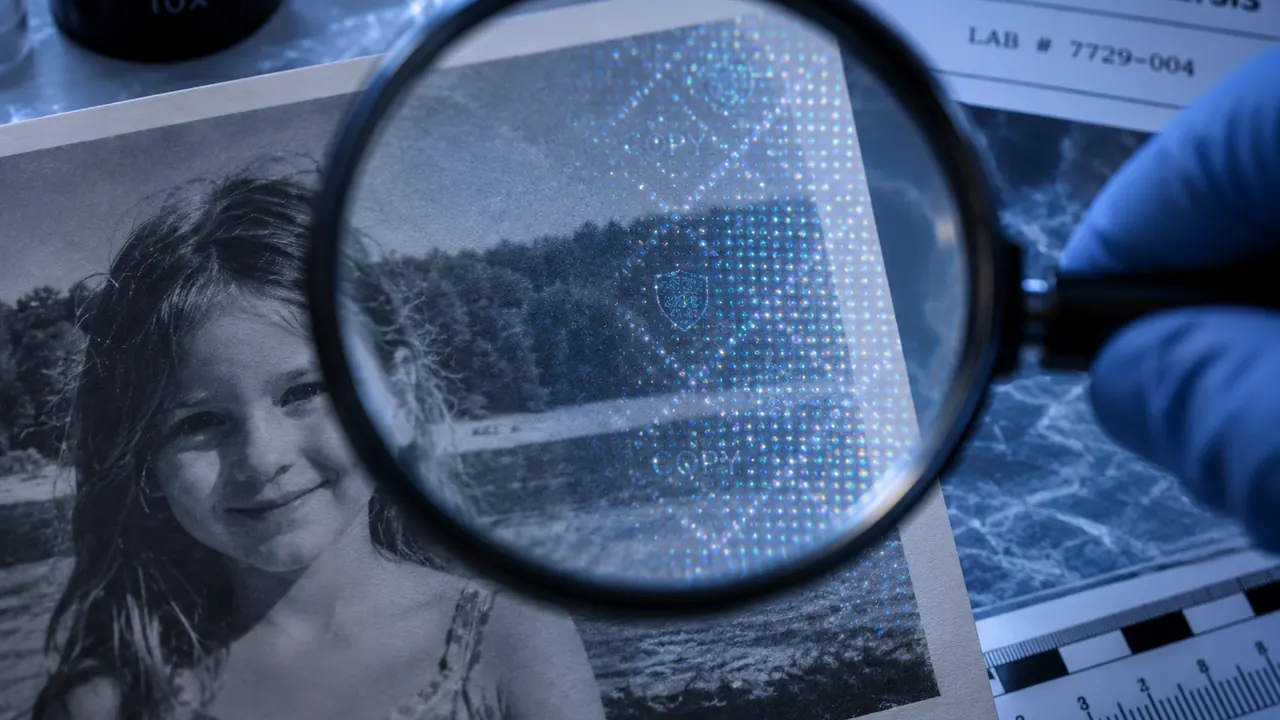
Google's verification portal for spotting content made with its own AI tools — upload an image, audio, video, or text and it scans for the imperceptible SynthID watermark, highlighting the regions most likely marked. Coverage spans Gemini, Imagen, Lyria, and Veo output, with over ten billion pieces of content watermarked to date. The text side works via a logits processor that encodes the watermark using a pseudorandom g-function, and access remains gated rather than fully public.
Relevance 8/10Importance 6/10
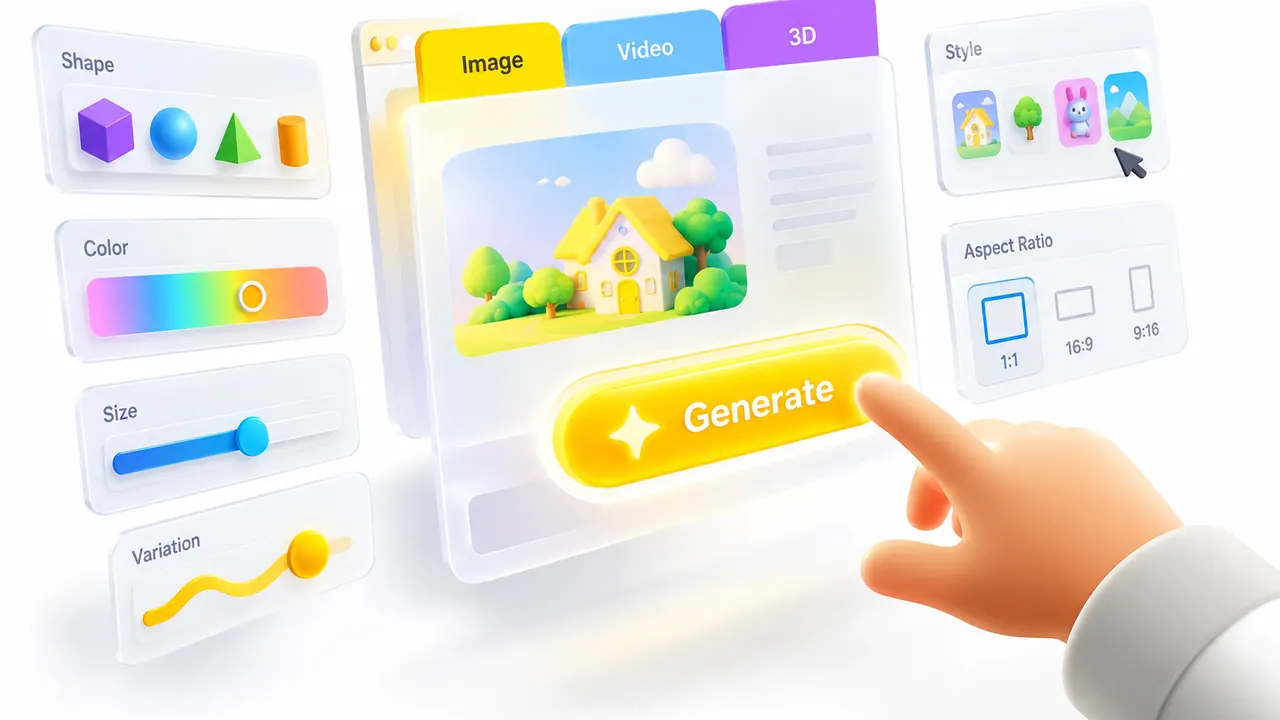
A new Google Labs surface for hands-on experimentation with the company's AI capabilities directly in the browser, organized into tabbed feature categories with video demos. It's positioned as exploration-first rather than documentation-first — try the thing, don't read about it. The landing page is light on model specifics, which is itself telling about how Google is packaging access these days.
Relevance 5/10Importance 9/10
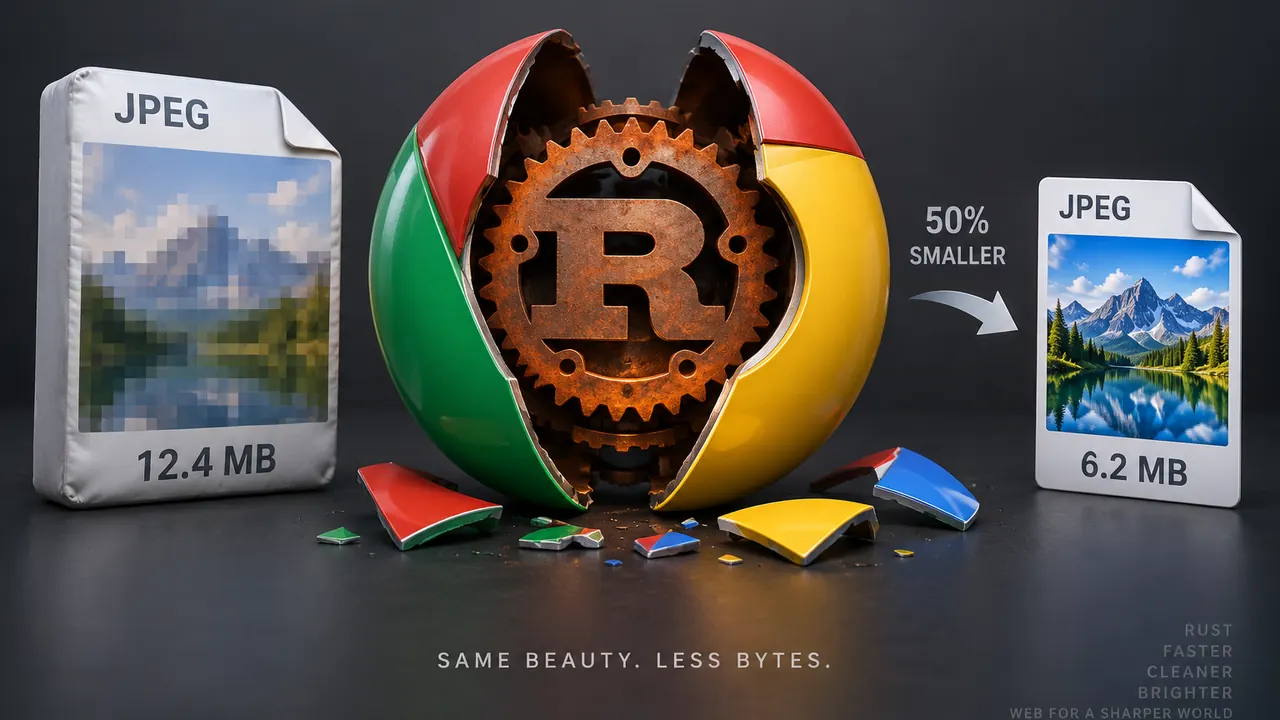
Chrome 155 will ship JPEG XL decoding, reversing years of refusal, driven by Interop Project demand where it was a top 2026 proposal. The implementation uses jxl-rs, a pure Rust decoder, plus a custom SIMD abstraction layer called jxl_simd inspired by C++ Highway — and Rust's target_feature_11 was stabilized to make it work safely. Extensive fuzzing and AI code review turned up zero memory safety bugs; the format delivers 30 to 50 percent better compression than JPEG with HDR and lossless JPEG transcoding.
Relevance 3/10Importance 10/10
The 2026 chemistry Nobel goes to Henri Kagan of Université Paris-Sud and 95-year-old Kenso Soai of Tokyo University of Science for discovering non-linear effects and autocatalysis in asymmetric organic synthesis. Kagan's 1986 work showed you could push chiral excess far past what was thought possible; Soai designed the first reaction producing only one mirror image. Together they cracked a century-old puzzle about how homochirality arises spontaneously — work that underpins modern pharmaceutical manufacturing.
Relevance 5/10Importance 5/10
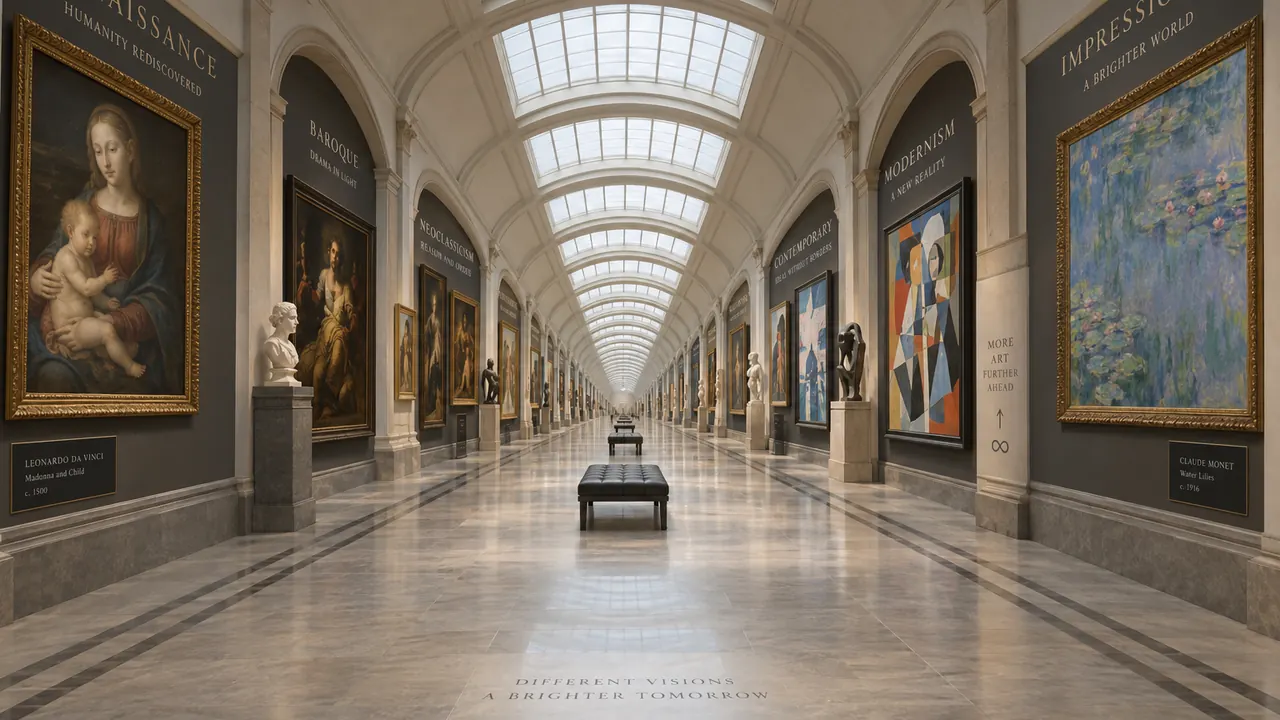
An open-source Next.js museum where you scroll, pinch, and drag through 40-plus art movements and hundreds of artists, all structured from Wikipedia data with birth years, painting counts, and portraits. Tagline: every artist, every work, under one roof — built by justdataplease.com with source on GitHub. A tidy demonstration of turning a public dataset into a genuinely navigable spatial interface.
Relevance 4/10Importance 4/10
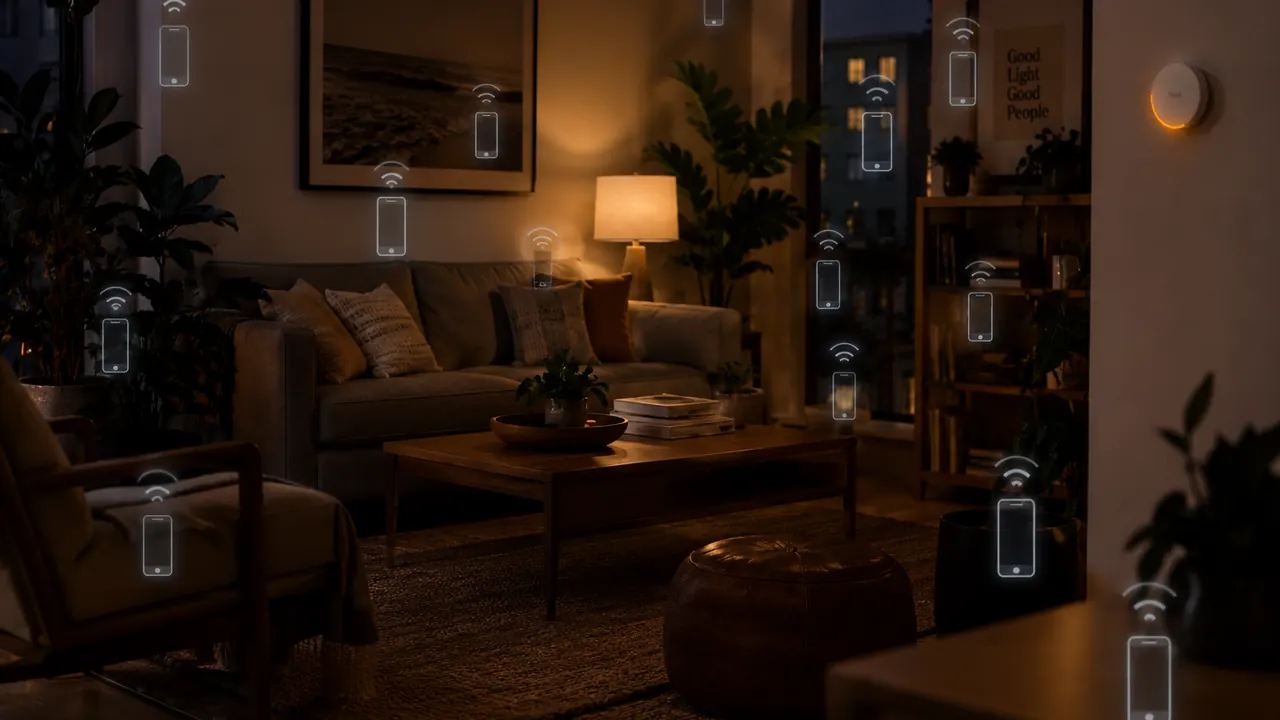
Minut's Crowd Detect counts nearby iPhones and iPads to estimate how many people are in a short-term rental, firing an alert when the count passes a host-set threshold. No cameras, no recordings, no stored personal data — and it integrates with Guesty, Hostaway, and Mews. Useful anti-party tooling, though "we're passively counting your phone" is going to sit differently with different guests.
Relevance 2/10Importance 3/10
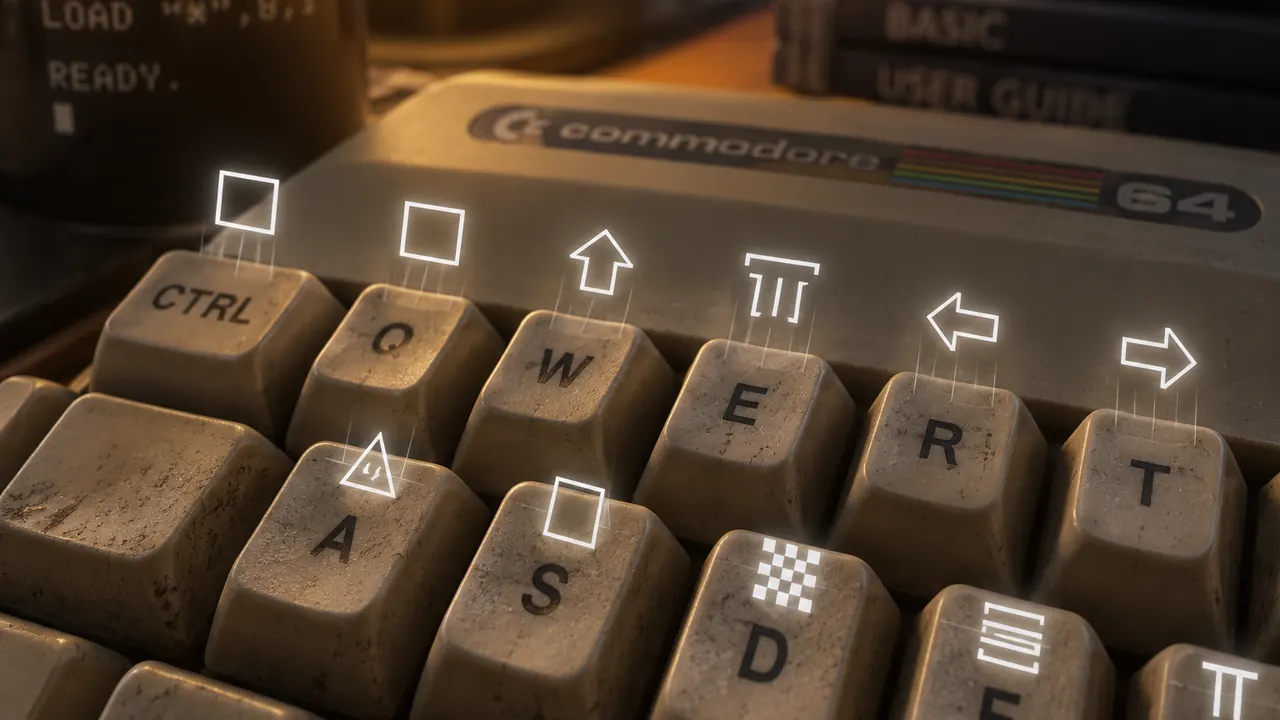
A typeface reconstructing the lettering on original C64 keycaps, including all 63 PETSCII graphic symbols, with key identities pulled from the Ultimate Commodore 64 Reference and proportions inferred from keyboard photography. The author is explicit that these are interpretive reconstructions, not photo traces. Ships as TTF, OTF, and WOFF2, with Hungarian accented characters and F1 through F12 labels thrown in.

 HN Briefing AM