Relevance 10/10Importance 9/10
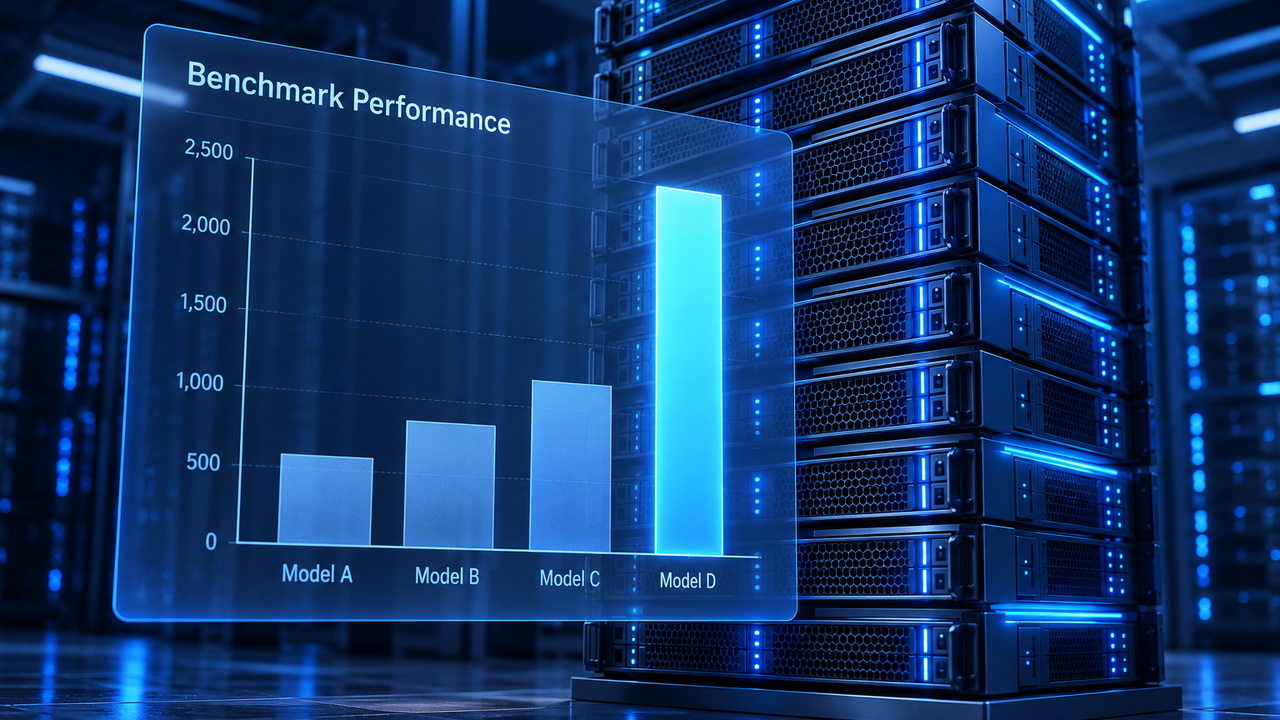
DeepSeek dropped a point-release of its Flash model: 763B parameters, a 1M-token context window, vision support, and an MIT license. The headline gains are agentic and coding benchmarks — Terminal-Bench 4.0 jumps from 31.2 to 42.3 and ProgramBench from 20.3 to 29.1 — while output length and execution time both shrink. It leans on KV cache compression and ships with vLLM and SGLang serving support plus a Rust/Python production recipe.
Relevance 10/10Importance 8/10
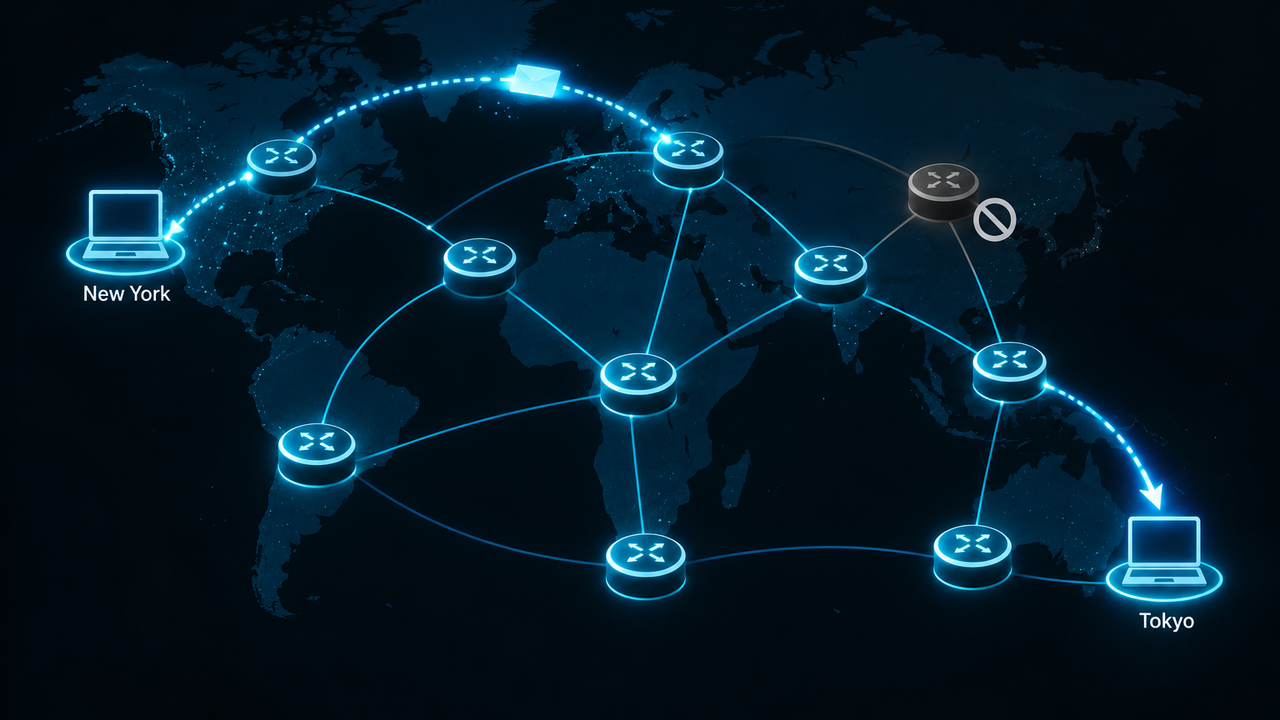
Paper Instruments launched an open model tuned specifically for professional knowledge work — finance, law, consulting, ops — including building actual Excel workbooks, PowerPoint decks, and Word docs. They claim Fable-class results at roughly 60x lower cost, with API pricing at fifteen cents per million input tokens and about thirteen cents per task versus two to eight dollars for the competition. Weights are listed as "coming soon," which is the part HN is watching.
Relevance 10/10Importance 7/10
The same DeepSeek release showed up on OpenRouter the same morning, meaning you can hit it through the Chat Completions API without standing up your own 763B-parameter inference stack. It exposes reasoning mode, streaming, and tool calling alongside the usual temperature, top_p, and logit bias knobs. One caveat on the page: it's not currently available through EU in-region routing.
Relevance 9/10Importance 6/10
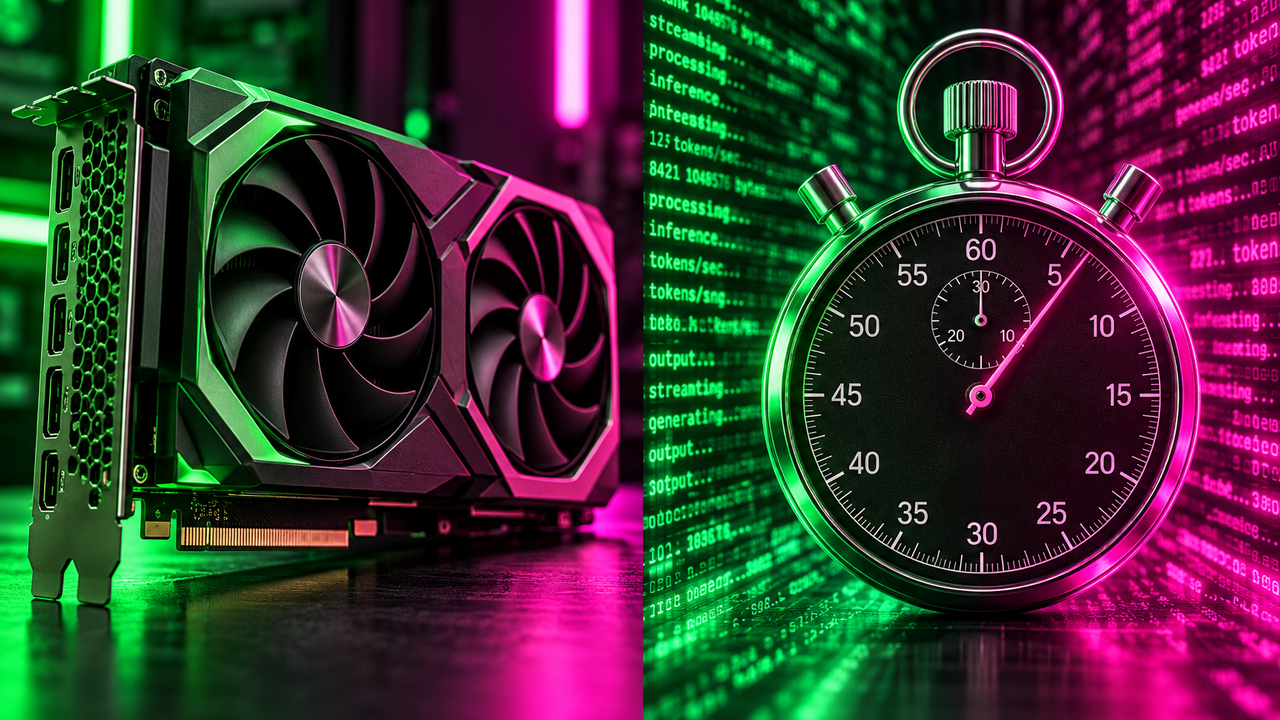
A free, open-source web app that simulates local inference speed so you can experience tokens-per-second and time-to-first-token before dropping money on a GPU. It covers 30-plus hardware configs — RTX and DGX, Ryzen AI and Radeon, Apple silicon, Intel Arc, CPU-only, plus cloud H100s and A100s — against 15-plus models from 8B to 120B at various quantizations. Numbers come from community benchmarks, with some extrapolated from comparable setups.
Relevance 6/10Importance 8/10
Tesla's Roadster page went live and immediately became the day's biggest thread at over 1,500 points. Two configurations: a "Thrust" model with roughly 200 liters of compressed air for cold-gas-thruster acceleration, and a "Rocket" model with about 400 liters that commenters read as enabling actual flight. Both are invite-only with 2028 delivery, and the thread is heavy on skepticism about street legality, high-pressure COPV tanks in a 1,700-kilogram consumer car, and a roadster that's been promised for over a decade.
Relevance 4/10Importance 9/10
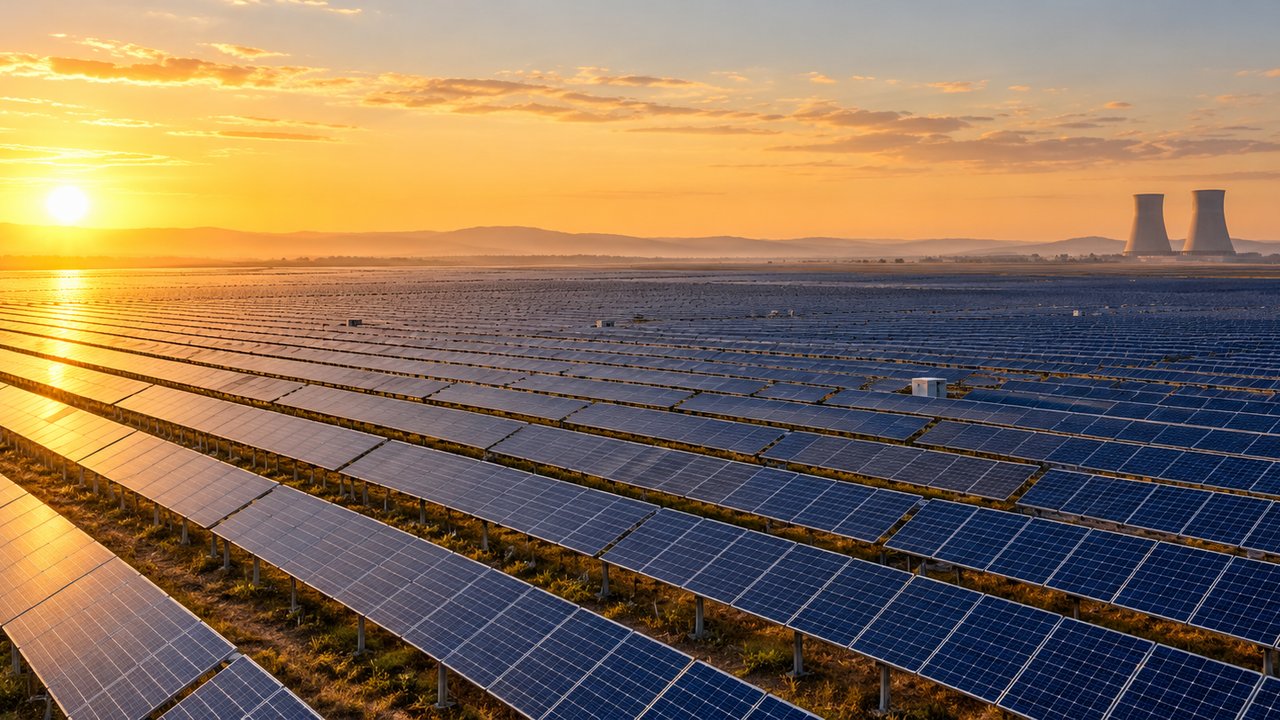
Per the World Nuclear Industry Status Report 2026, solar generation out-produced nuclear worldwide for the first time back in April 2025, with wind having crossed that line a month earlier. Solar added 510 GW in 2025 to reach 2,383 GW total; nuclear added 1.5 GW and sits at 399.5 GW, essentially flat for 25 years. Nuclear's share of global electricity fell to 8.8%, a 45-year low, and none of the 16 reactors grid-connected between 2023 and 2025 finished on schedule — they averaged nearly 11 years of construction.
Relevance 3/10Importance 4/10
Thomas ten Cate's devlog on building a custom atmospheric scattering system for his sea-exploration game in Godot, using ray marching with HDR and filmic tone mapping. The clever bit: a Monte Carlo ray tracer written in Rust precomputes multiple-scattering lookup tables for cloud lighting, and normal-vector trickery fools Godot's indirect lighting into painting sky color onto cloud undersides. He also reordered outscattering before inscattering to kill artifacts, and hacks the horizon downward because his planet is 75 times smaller than Earth.
Relevance 2/10Importance 3/10
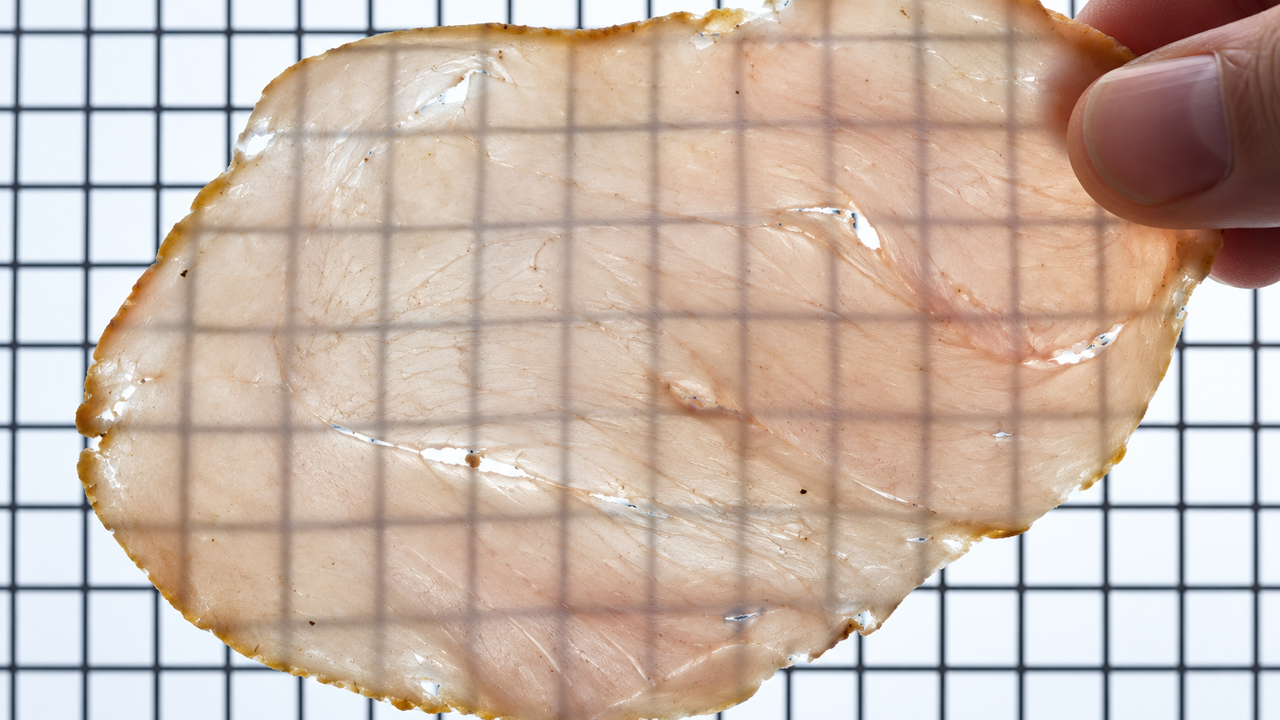
A kitchen-table replication of the tartrazine tissue-clearing protocol, using the same yellow dye that coats Doritos to make chicken breast see-through. The physics is refractive index matching: tartrazine shifts water's index toward the roughly 1.45 of surrounding proteins via electronic polarization, cutting light scattering without absorbing too much. Two-millimeter slices soaked 12 hours in 0.19-molar dye went partially transparent with a gummy-bear texture; higher concentrations crystallized and failed.
Relevance 1/10Importance 2/10
A New Yorker magazine feature from the October 19th issue that front-paged on HN this morning at a modest 13 points. The piece is behind the magazine's paywall and blocked to automated fetching, so the full text wasn't retrievable for this briefing — and the thread had no comments to go on either. Flagging that as a gap rather than guessing at the contents.
Relevance 1/10Importance 2/10
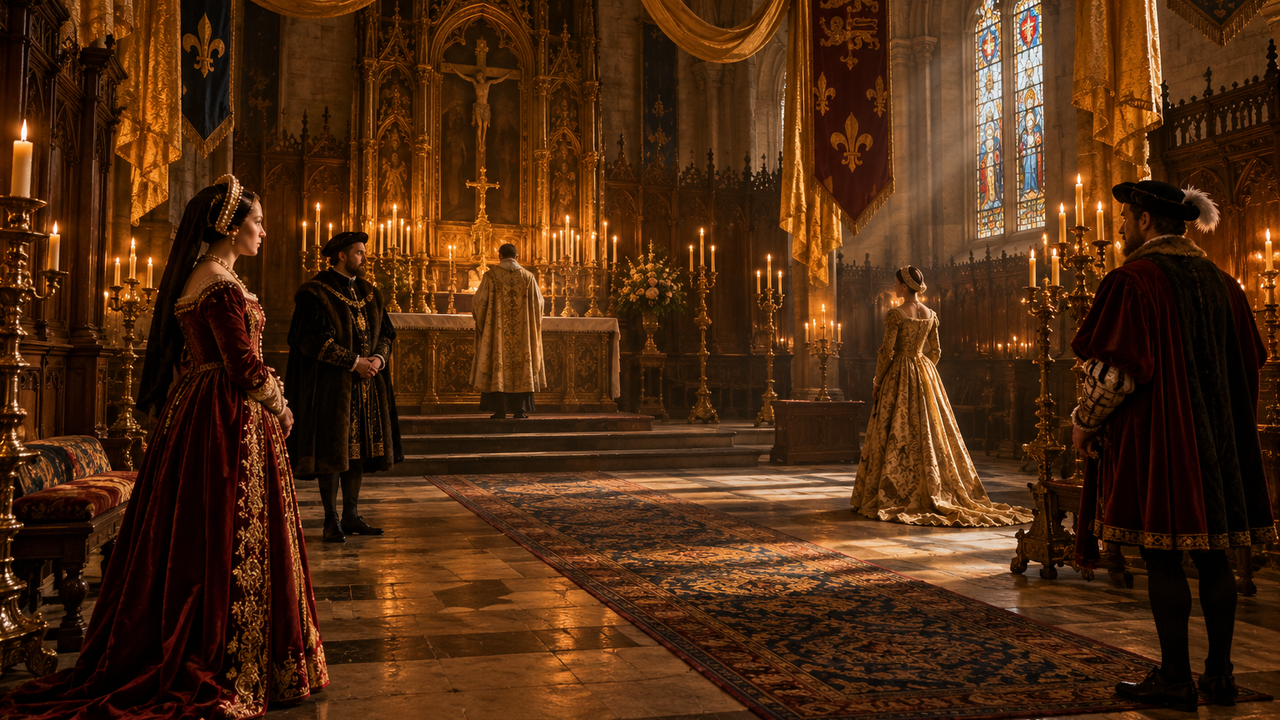
History Today on the birth of Prince Edward at Hampton Court on October 12th, 1537 — Henry VIII's long-awaited male heir — and the lavish 400-guest christening three days later. The complication was a plague outbreak that spring, with one contemporary noting the weather was "so hot and contagious and the plague so sore in the city." Henry responded with what amounts to Tudor-era quarantine policy: capping the servants guests could bring and isolating the infant with only approved nurses and family.

 HN Briefing AM