Relevance 10/10Importance 9/10
DeepSeek dropped a point-release of its Flash model — 763B parameters, multimodal image-text-to-text, a one-million-token context window, and MIT licensed. The jumps are in agentic work: Terminal-Bench 4.0 goes from 31.2 to 42.3, HLE without tools from 36.8 to 42.6, and DeepSWE v1.1 up to 77.0. It also runs faster and talks less, with quantized builds already landing for llama.cpp, Ollama, and LM Studio.
Relevance 9/10Importance 6/10
Microsoft and Carnegie Mellon launched PRAISE — the Preceptorship for AI-accelerated Software Engineering — putting junior Microsoft engineers through CMU online coursework plus on-the-job mentorship. The motivating observation is blunt: AI tooling supercharges senior engineers but junior engineers struggle to wield it. Current courses cover Machine Learning in Production and AI-Augmented Software Engineering, with DevOps and secure deployment on deck.
Relevance 6/10Importance 6/10
Pele is a zero-dependency JavaScript library from kepano, built for Obsidian, that turns Mermaid syntax into themeable SVG. It claims six times smaller and up to five hundred times faster than Mermaid.js — rendering in 0.05 to 0.3 milliseconds versus 6 to 82 — across 30-plus diagram types. Theming runs through CSS variables so colors and fonts change without a re-render, and it never executes arbitrary code.
Relevance 4/10Importance 8/10
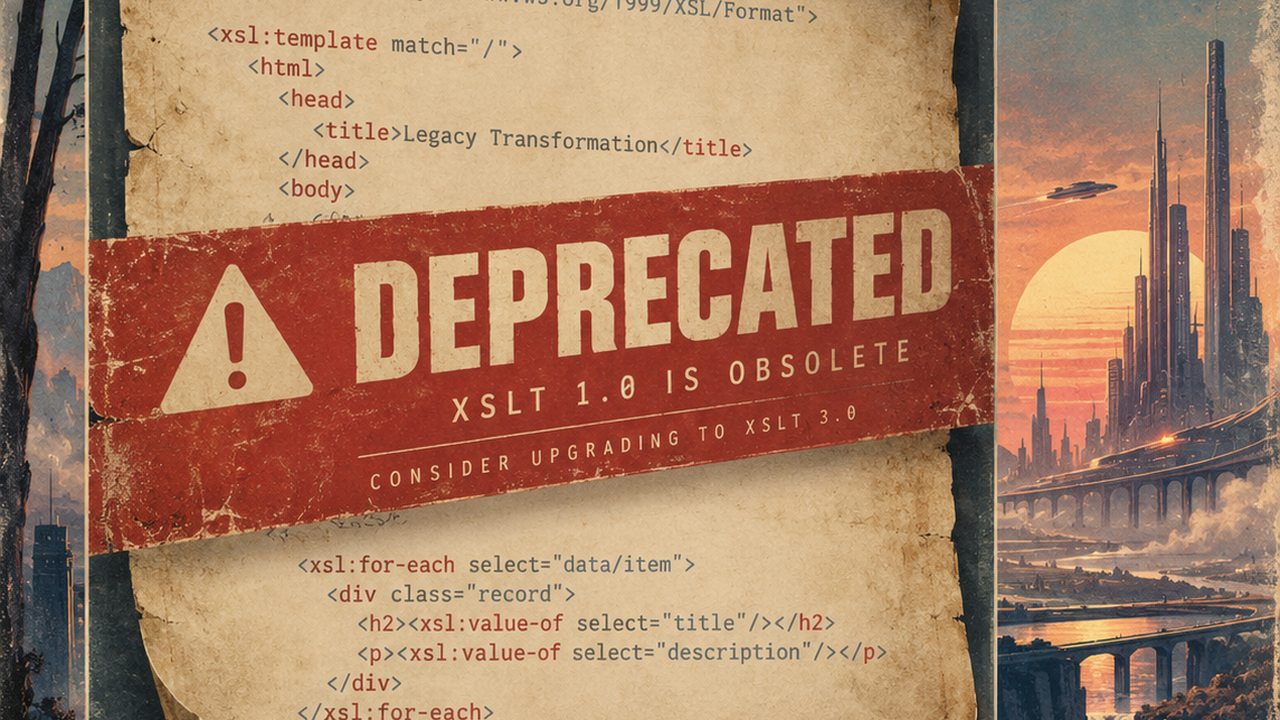
Chromium is pulling browser-native XSLT, including the XSLTProcessor API and the xml-stylesheet processing instruction — Chrome 158 on November 17, 2026, with Edge disabling it by default in mid-December. The visible casualties are styled RSS and Atom feeds, sitemap.xml viewers, legacy docs systems, and old admin panels that call XSLTProcessor directly. An XSLTEnabled enterprise policy buys time, but that escape hatch closes with Chrome 176 in August 2027.
Relevance 4/10Importance 7/10
Estonia publishes IVXV, the source for the i-voting system it uses in legally binding national elections, as a public archive supervised by the State Electoral Office. The repo splits into vote collection and proxying, Smart-ID and Web eID authentication, key management, processing and storage, an auditor, and an X-Road integration service. It's Python-heavy with Debian packaging, and the whole point is that election software gets reviewed in daylight.
Relevance 2/10Importance 8/10
Stanford researchers reported in Science Advances on October 14 that a bleached coral pressed against a healthy clone starts recovering in three days and fully recovers within seven weeks. After a day or two the tissues literally fuse, opening a nutrient highway that ships symbiotic algae across. The catch is strict: it needs direct physical contact — millimeters apart does nothing — and a shared genetic background, since mismatched pairs turn hostile.
Relevance 5/10Importance 4/10
Antfu built a font that renders furigana — the phonetic reading guides above kanji — with no markup, no JavaScript, and no plugin. It's compiled from Adobe's Source Han Sans or Serif JP, baking thousands of dictionary words into OpenType ligature glyphs so 今日 becomes one glyph with きょう drawn above it. Inspired by Mengshen-pinyin-font and Fira Code, it ships as a bookmarklet or userscript, with the honest caveat that a font can't see sentence context, so readings are sometimes wrong.
Relevance 4/10Importance 4/10
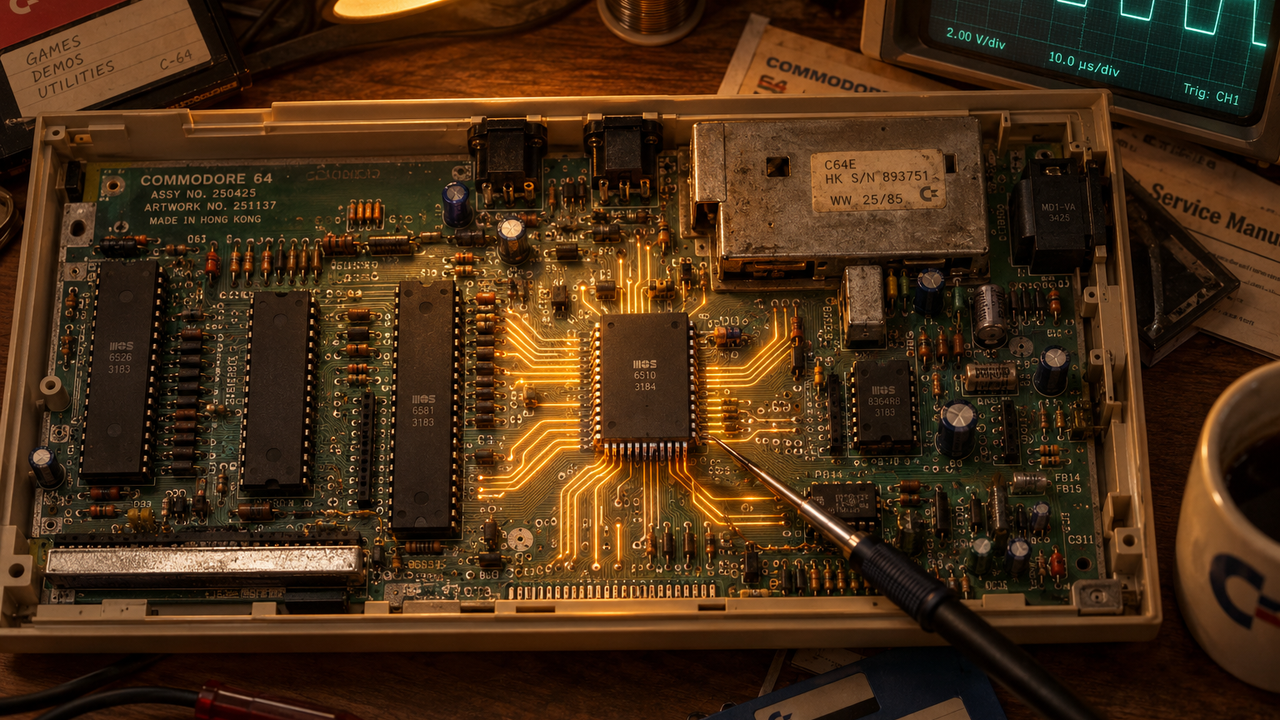
Antirez built a pin-level Commodore 64 motherboard simulator — 216 components across 249 electrical nets — where you can lift chip legs, short pins, or yank whole chips and watch the result on a simulated monitor and oscilloscope. Core chips use Andre Weissflog's cycle-accurate library; the rest are modeled by pin behavior, with floating-bus decay and phantom-power effects. As the README puts it, when the screen fills with garbage, that garbage was computed from the circuit, not chosen by someone who knew what to expect.
Relevance 2/10Importance 5/10
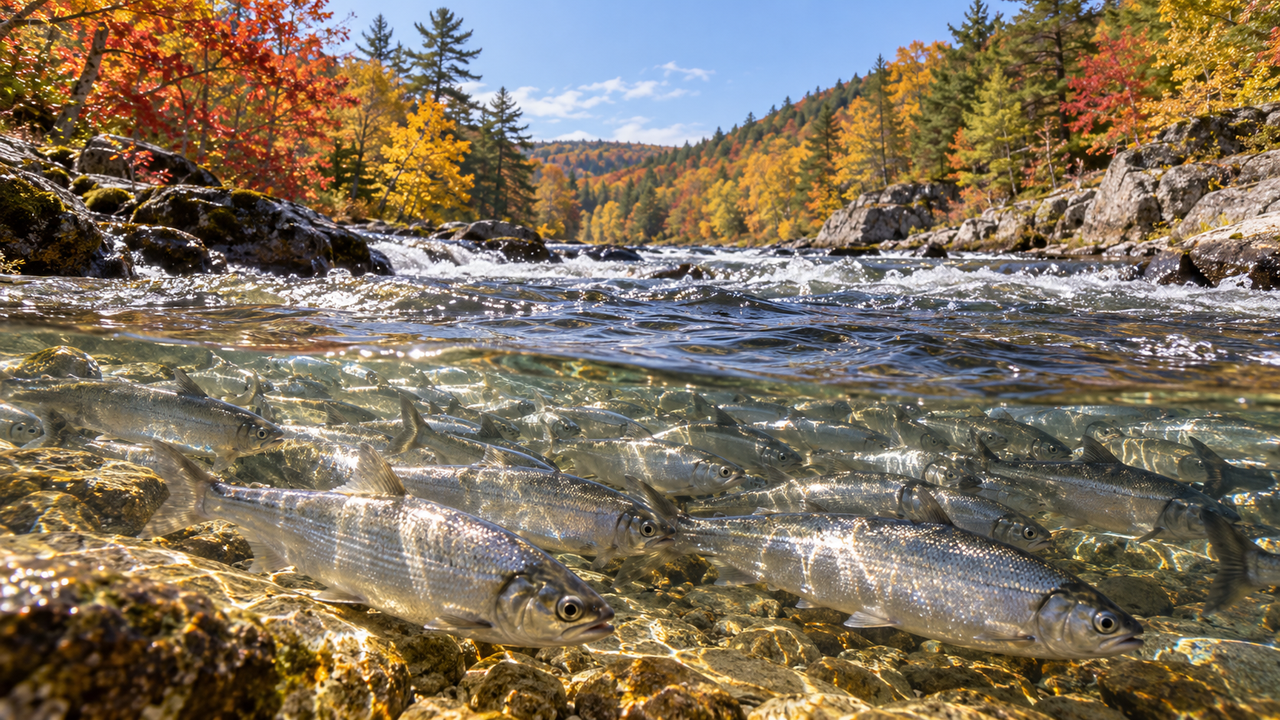
More than 2,300 American dams have come out since 1912, most of them in the last 25 years — a fish biologist at UNH calls it a dam-removal renaissance where barriers are disappearing faster than they're being built for the first time in history. The Penobscot saw roughly six million river herring return in 2025, twelve years after two dams came down. Plenty left to do: at least 35,000 dams still block northeastern fish runs, including 9,000 in New York alone.
Relevance 2/10Importance 4/10
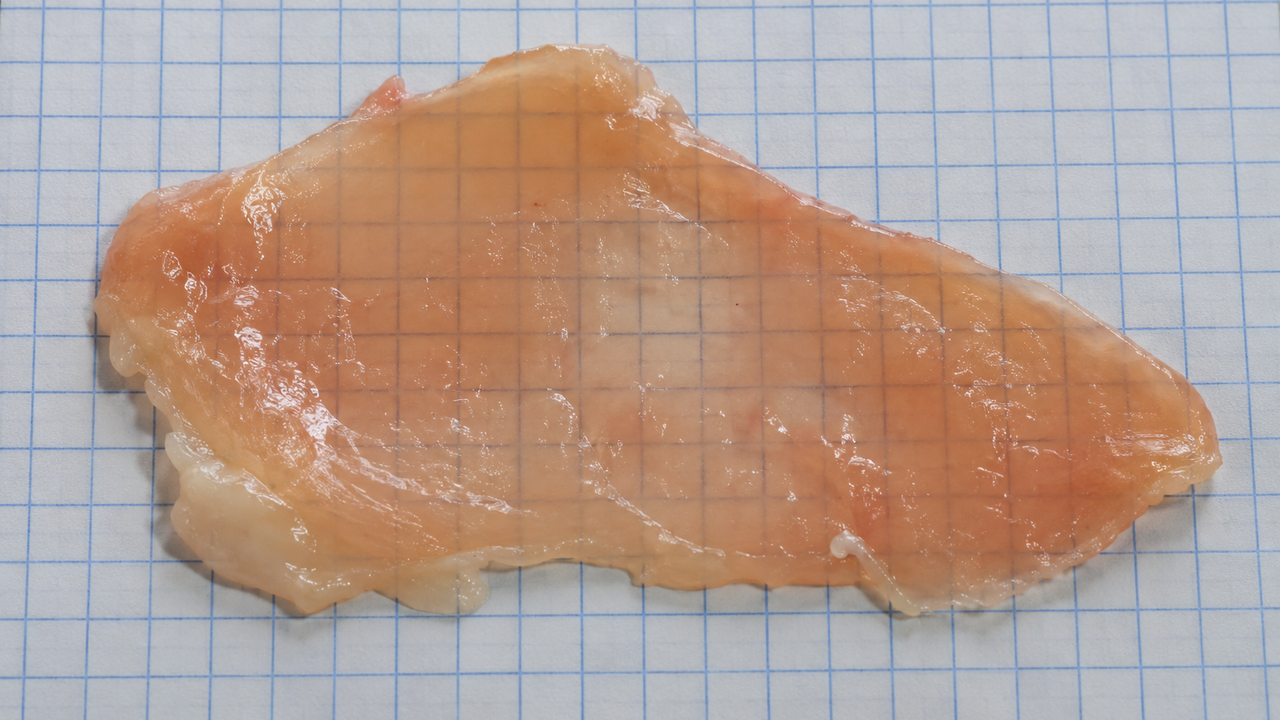
Someone soaked thin raw chicken slices in tartrazine — the yellow dye in Doritos — for six to twelve hours and got a translucent, gummy-bear-looking sample you could read grid lines through. The trick is optics, not chemistry theater: tissue is opaque because water sits at refractive index 1.33 while proteins and lipids sit near 1.45, and tartrazine nudges the water up to match, killing the scattering. The home version was weaker than the published paper, which used triple the concentration plus heat and agitation.

 HN Briefing PM