Relevance 10/10Importance 10/10
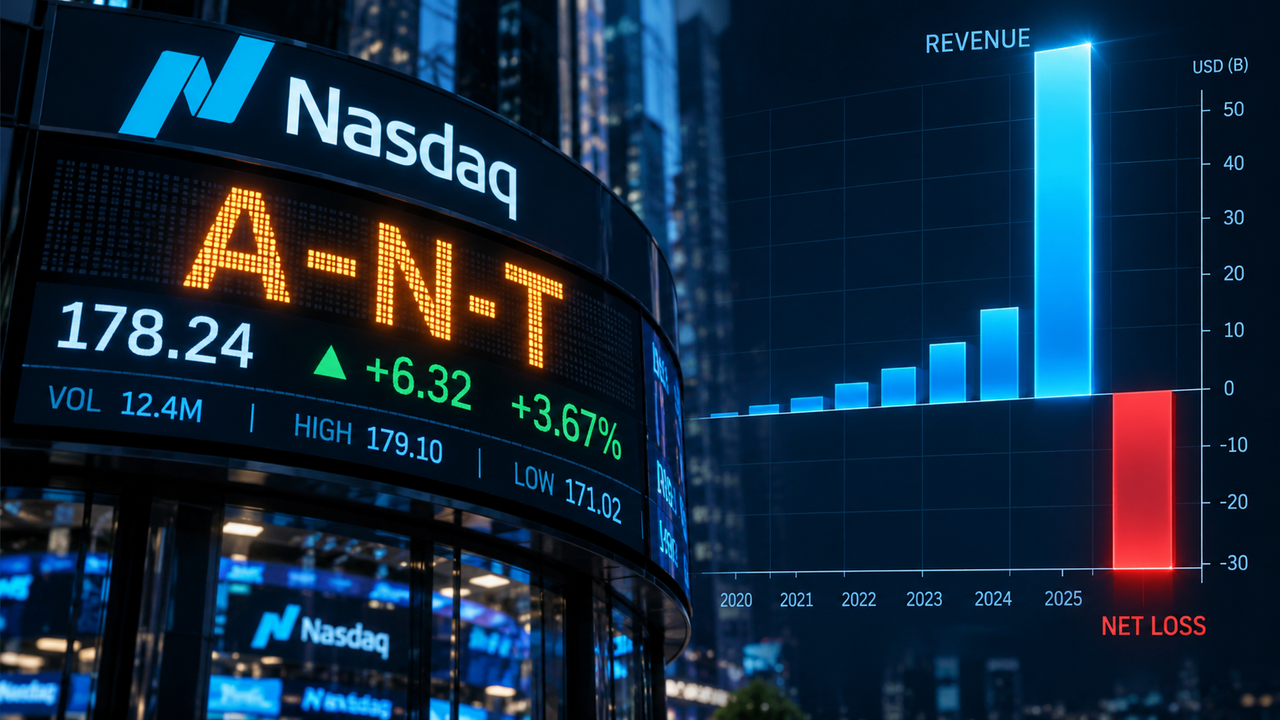
Anthropic filed its Form S-1 today to list Class A shares on the Nasdaq under the ticker ANT. The filing discloses $16.3 billion in first-half 2026 revenue — up roughly 1,300 percent year over year — against an $80.7 billion net loss, with $131.7 billion in cash and short-term investments on hand. Seven co-founders retain 50.1 percent of the voting power through a single Class F share, and the prospectus explicitly rules out advertising as a revenue line.
Relevance 10/10Importance 9/10
OpenAI shipped GPT-6.1 Terra today, the first Terra-class model since GPT-5.6, pitched on visual reasoning and precise computer use at speed. It prices at $1 per million input tokens and $5 per million output — half the rate of GPT-6.1 Sol — and on OpenAI's Agents' Last Exam it scored 15 points above GPT-5.6 Terra while finishing tasks more than three times faster than GPT-6 Astra. It's rolling out to Plus, Pro, Enterprise and Edu tiers in ChatGPT and Codex, plus the API and Amazon Bedrock.
Relevance 9/10Importance 6/10
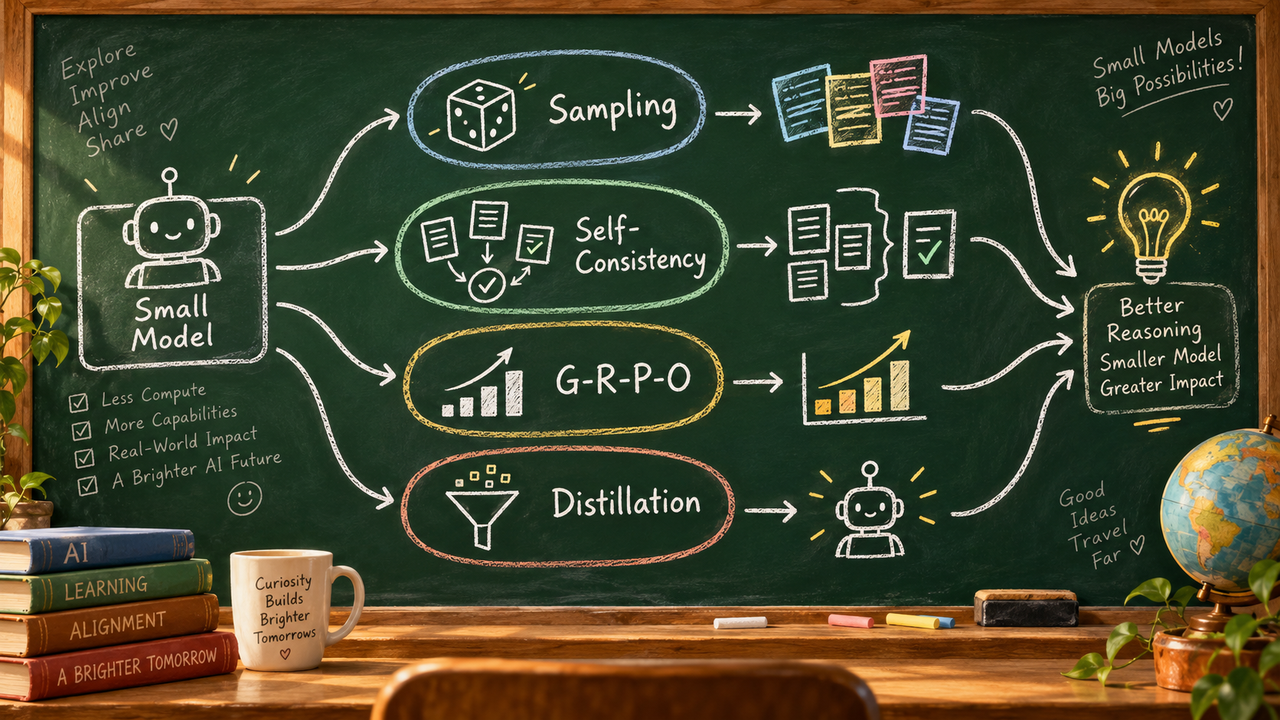
Sebastian Raschka released a free eight-video, eleven-plus-hour course on building reasoning models from scratch in Python and PyTorch. It walks through math-answer verifiers and evals, inference-time scaling with self-consistency and self-refinement, reinforcement learning via GRPO with verifiable rewards, and distillation from a larger teacher. It starts from a pretrained Qwen3 0.6B so you spend your time on the reasoning layer, not pretraining.
Relevance 6/10Importance 5/10
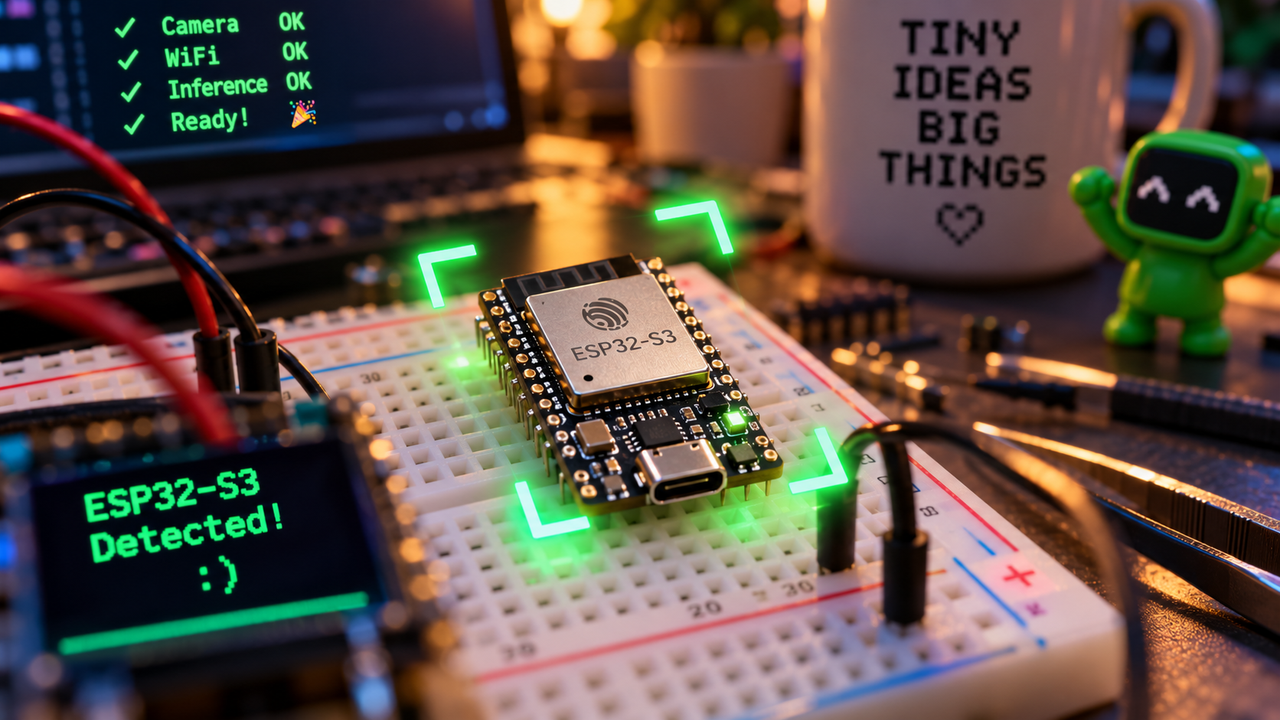
A developer hand-wrote a SIMD implementation of the FAST corner detector for the ESP32-S3, working around a chip that has no misaligned-read instruction and only signed eight-bit comparisons. The fixes are delightfully low-level: slice extraction from concatenated registers for offset pixels, and an XOR with 0x80 to remap unsigned pixel values into signed range without saturating. Throughput roughly doubled from 5.1 to 11.2 megapixels per second — about 6 milliseconds per QVGA frame, which is real-time 30fps vision on a two-dollar part.
Relevance 5/10Importance 6/10
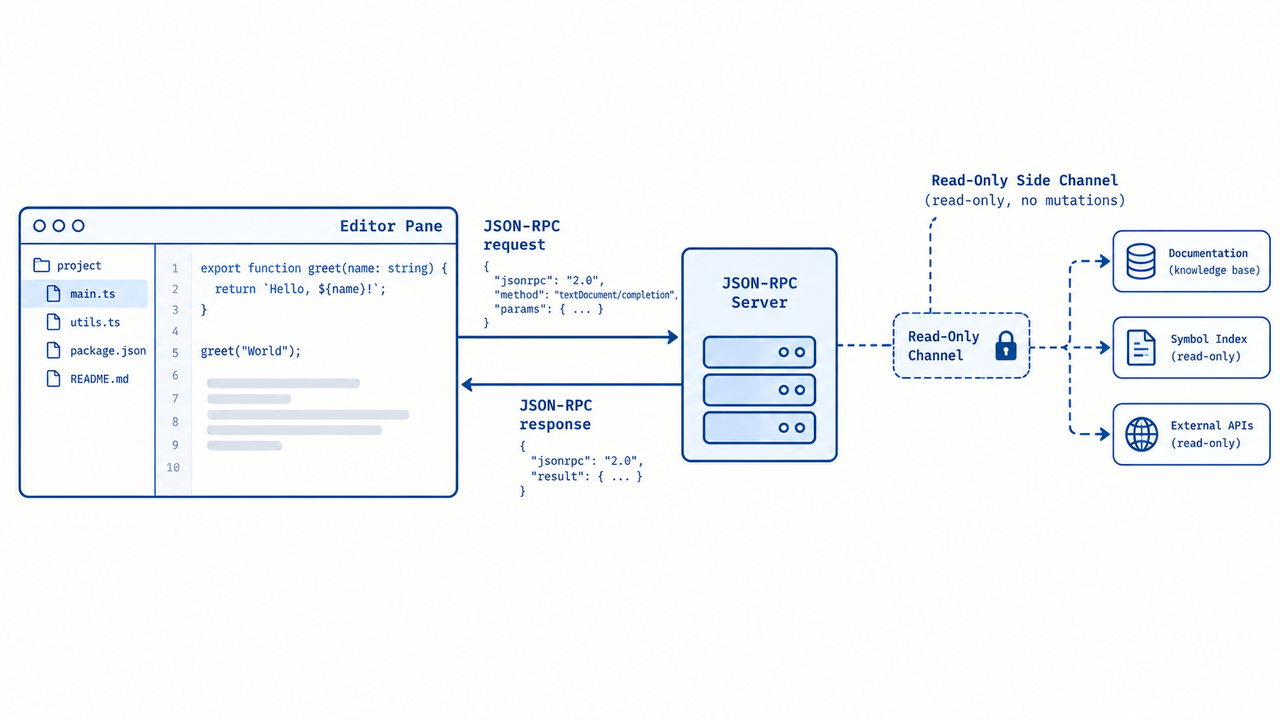
Microsoft is proposing the Type Server Protocol, a JSON-RPC spec for querying Python type analysis data out of a type server like Pylance. It borrows LSP conventions for positions, ranges and URIs, and adds snapshots, import resolution, search paths, and computed-versus-declared-versus-expected type queries, with optional read-only side channels so concurrent queries don't block the main connection. It's at version 0.4.1 and still actively evolving.
Relevance 7/10Importance 3/10
A CLI debugging tool built on the Claude API that refuses, on principle, to give you the answer. It asks Socratic questions instead, challenging your assumptions and pushing you to read your own evidence, with three escalating intensity levels named Socrates, Nietzsche and Zarathustra. It'll analyze real files you point it at, tracks session history, and is aimed at people who think AI autofix is eroding their debugging muscles.
Relevance 3/10Importance 7/10
The EPA plans to decommission its two-decade-old web archive by December 31, 2026, taking tens of thousands of regulatory, enforcement and contamination documents offline. At risk are Camp Lejeune contamination records used by affected veterans, the 2015 Clean Power Plan, power plant pollution standards, and paper trails going back to the 1990s. EDGI and other transparency groups warn the proposed "snapshot collections" replacement won't capture everything, and that what's lost is unrecoverable.
Relevance 5/10Importance 4/10
Murat argues von Neumann's real superpower wasn't raw intellect but a repeatable method: find the minimal set of objects and axioms behind a messy problem, formalize it, move on. That one move produced the Hilbert space formulation of quantum mechanics, cardinal utility and game theory, computer architecture, and self-reproducing automata. The twist is the ending — facing nuclear risk in his last essay, von Neumann dropped formalism entirely and fell back on "patience, flexibility, intelligence."
Relevance 4/10Importance 5/10
Geoff Graham, who has worked on CSS-Tricks for twelve years, now owns the site outright as an independent property after DigitalOcean's four-year stewardship ended. The revival plan is classic indie web: self-hosted ads, a membership program with Discord, a beginner HTML and CSS course, merch, a revived newsletter, and reopened guest submissions at one to two posts a week. Graham frames himself as publisher rather than lead writer, with an explicit focus on entry-level frontend talent.
Relevance 2/10Importance 3/10
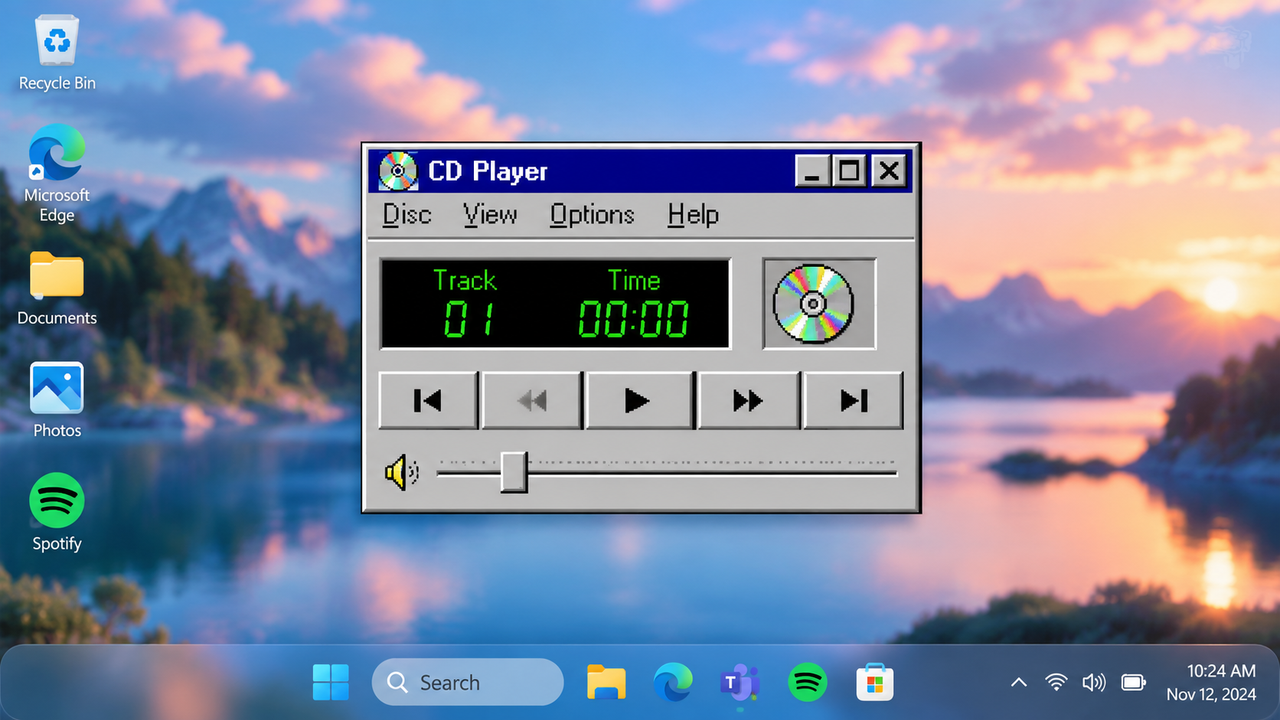
The winner is CDPLAYER.EXE from November 16, 1992, out of a pre-release build of Windows NT 3.1 — running natively on Windows 11 with no emulation or patches. It survives because it links against crtdll.dll, which Windows still ships in SysWOW64; earlier 1991 builds die on incompatible PE formats and mid-1992 builds on wrong calling conventions. FREECELL.EXE from February 1993 is the runner-up, and a 1985 REVERSI.EXE works if you allow otvdm to do the 16-bit lifting.

 HN Briefing PM