Relevance 10/10Importance 9/10
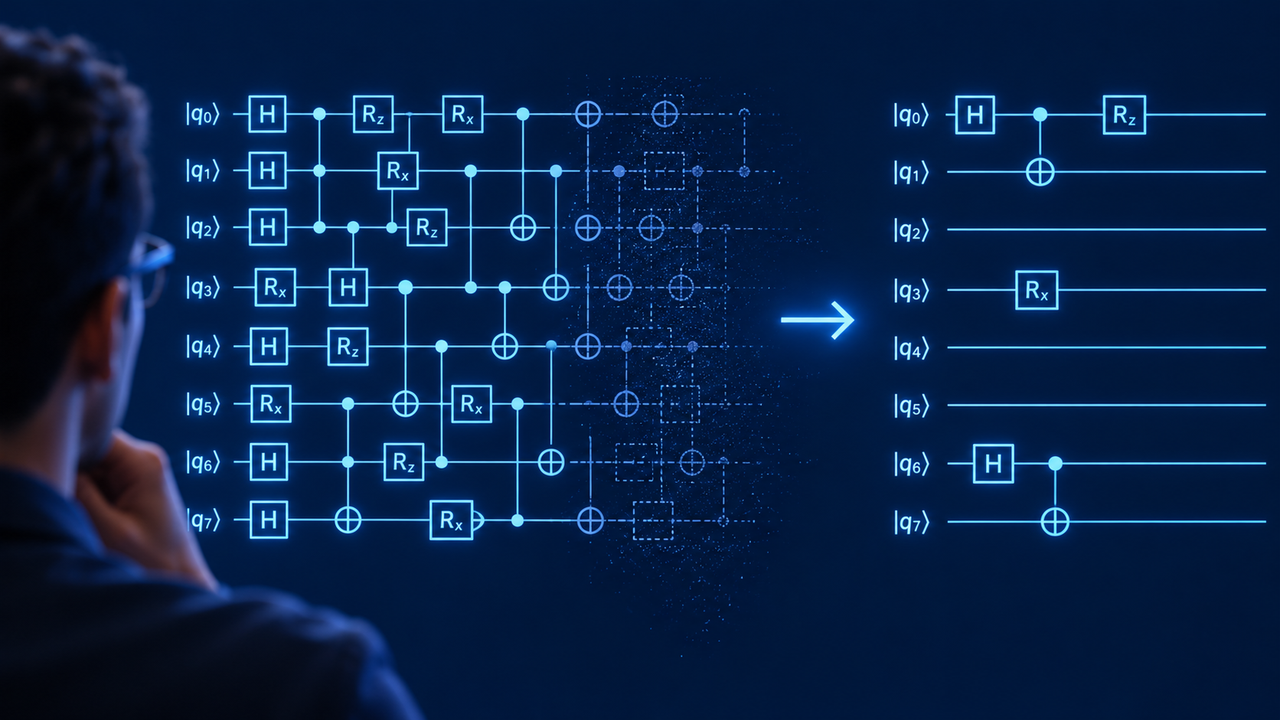
Anthropic handed Claude plain-language descriptions of eight quantum circuit design tasks plus an automated evaluator, then let it run largely autonomously for extended stretches. It produced novel circuit architectures beating the best published results — a 17-fold gate reduction for elliptic-curve point addition and a 12-fold speedup in a quantum decoder. It's a concrete data point for AI doing genuine research-grade optimization, not just code completion.
Relevance 9/10Importance 9/10
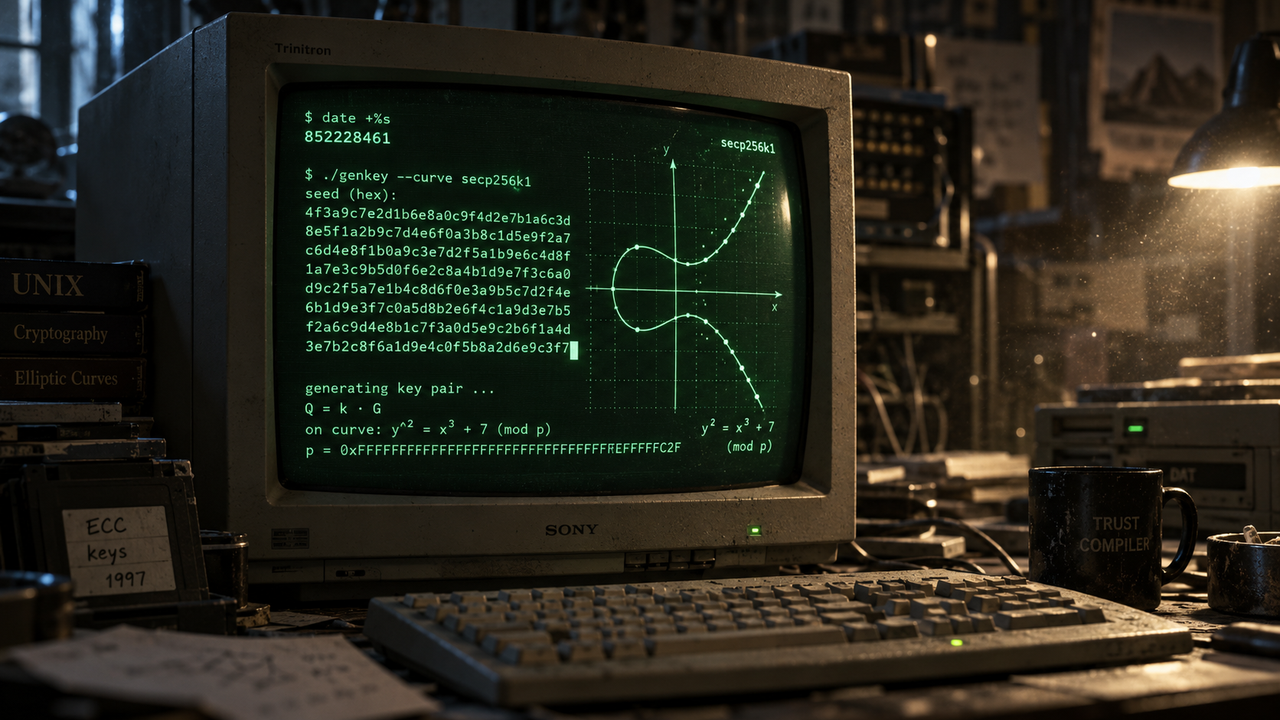
A decades-old cryptography mystery — where the NIST elliptic curve seeds came from — appears solved. The seeds were generated by the C library's lrand48 PRNG seeded with Unix timestamps between May 1997 and April 1998; Claude spotted statistical patterns and lattice reduction recovered the original timestamps. The upshot: no evidence of an intentional backdoor, just a weak RNG and a stopwatch.
Relevance 9/10Importance 8/10
Facing a flood of agent-generated code, the Claude Code team rebuilt review around seven automated layers — pre-PR verification, required CI, AI review, security review, risk-based human approval, merge queue, and fast rollback. Merged PRs more than doubled between June and September while revert rates dropped 40%. Humans now spend their attention on architecture and direction instead of line-by-line reading.
Relevance 9/10Importance 7/10
Black Forest Labs dropped a 5.6B-parameter open-weights model handling text-to-image, image editing, and multi-reference generation under the FLUX Kommunity License — free commercial use under $5M revenue. Internal evals show it gaining 91 Elo on text-to-image and 70 on editing versus FLUX.2 Klein while using 38% fewer parameters. The distilled variant renders a 1MP image in under nine seconds on an RTX 4070.
Relevance 8/10Importance 6/10
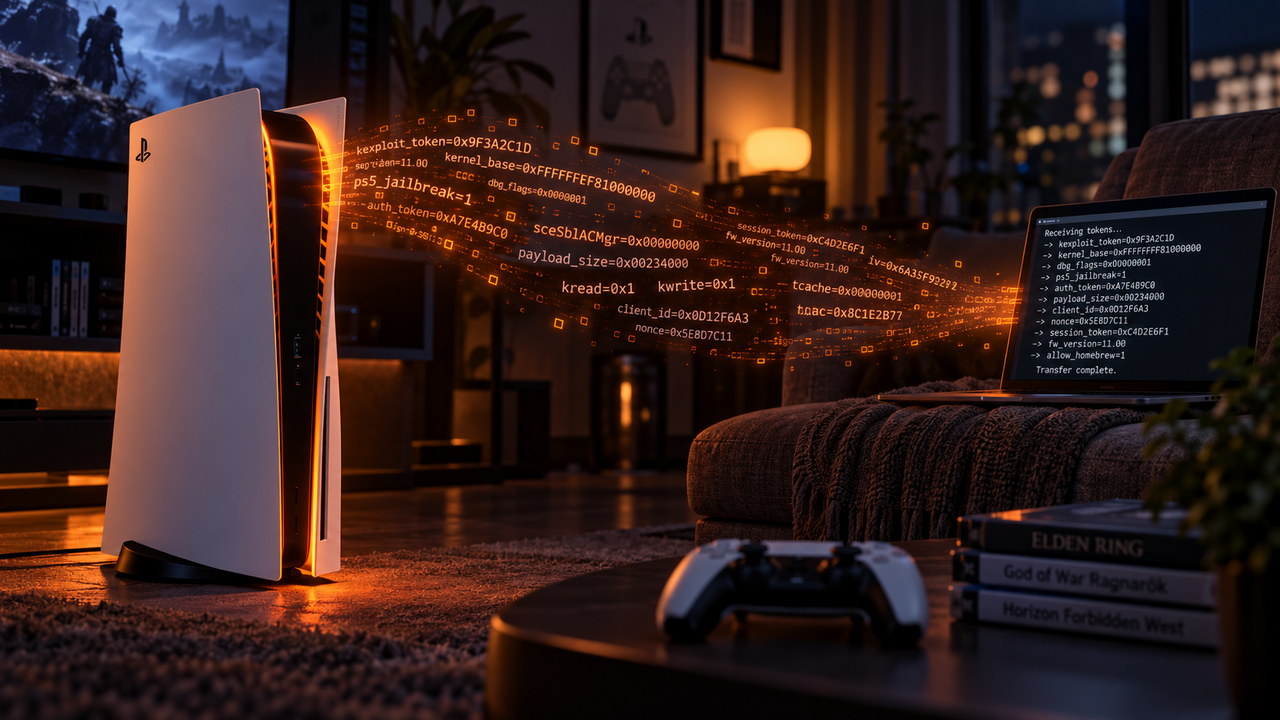
PS5LM turns a jailbroken PlayStation 5 into a private LLM server by running llama.cpp on the console's RDNA 2 GPU, exposing OpenAI- and Anthropic-compatible APIs to everything on your LAN. A Qwen 3.5 9B variant hits roughly 55 tokens a second; the 27B lands near 20. Recent builds added decision-model support for classification and scoring without text generation.
Relevance 8/10Importance 6/10
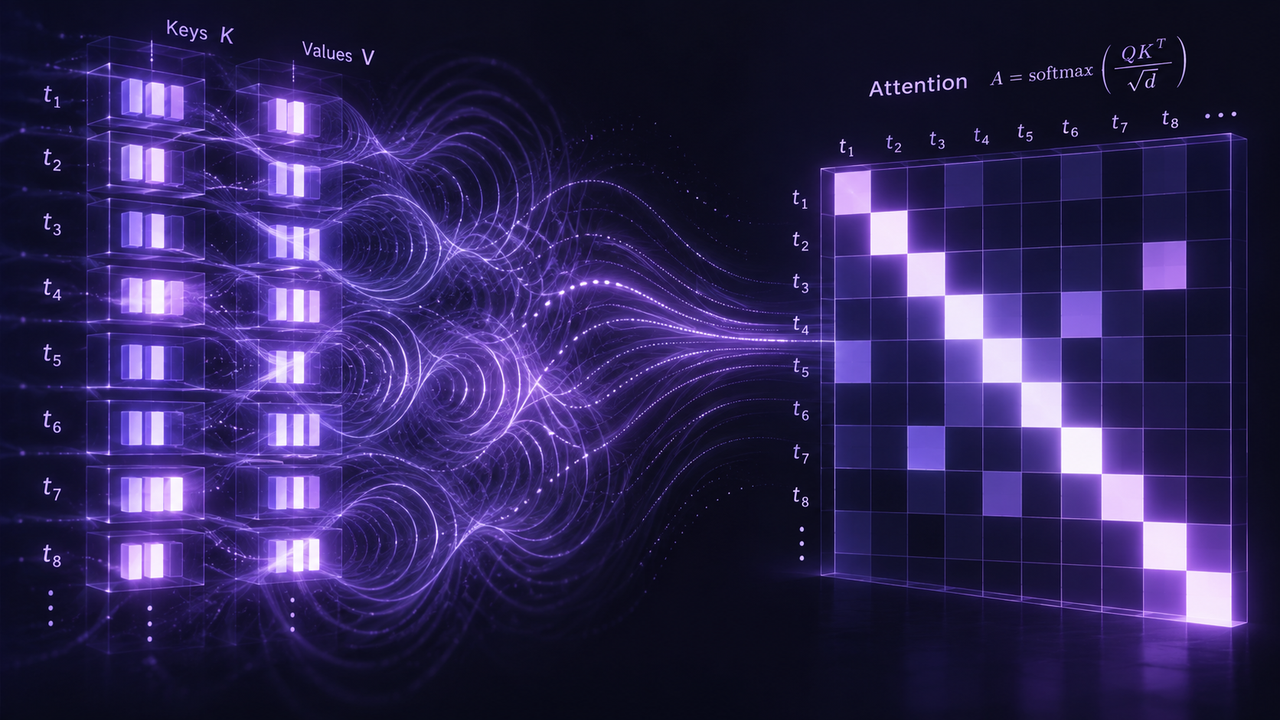
Alex Wang reframes the transformer as the endpoint of a series of increasingly capable associative memory stores, each one reducing interference between stored key-value pairs. The walk starts at simple outer-product memories with capacity around d_k, moves through optimal linear stores and nonlinear MLPs, and arrives at self-attention as a non-parametric store. Softmax's exponential scaling is what buys million-scale capacity.
Relevance 6/10Importance 8/10
Tesla finally unveiled the long-delayed second-gen Roadster on October 15, complete with SpaceX thrusters and a demoed 0-60 in 0.81 seconds. Three configurations: a two-seat Performance trim, a two-seat Thrust augment claiming sub-0.9 seconds, and an invitation-only single-seat Rocket augment claiming sub-0.59. The prototype packs a 200 kWh pack, 350 kW DC charging, and 620 miles of range, with production slated for 2028 and no final pricing announced.
Relevance 6/10Importance 7/10
Waymo is entering Canada, starting manual driving in Toronto immediately for HD mapping and validation. First public riders aren't expected until 2028, with Element Fleet Management handling fleet operations and hundreds of local jobs in maintenance, validation driving, and support. It's the company's first international market and a real test of autonomy in a genuine winter city.
Relevance 5/10Importance 6/10
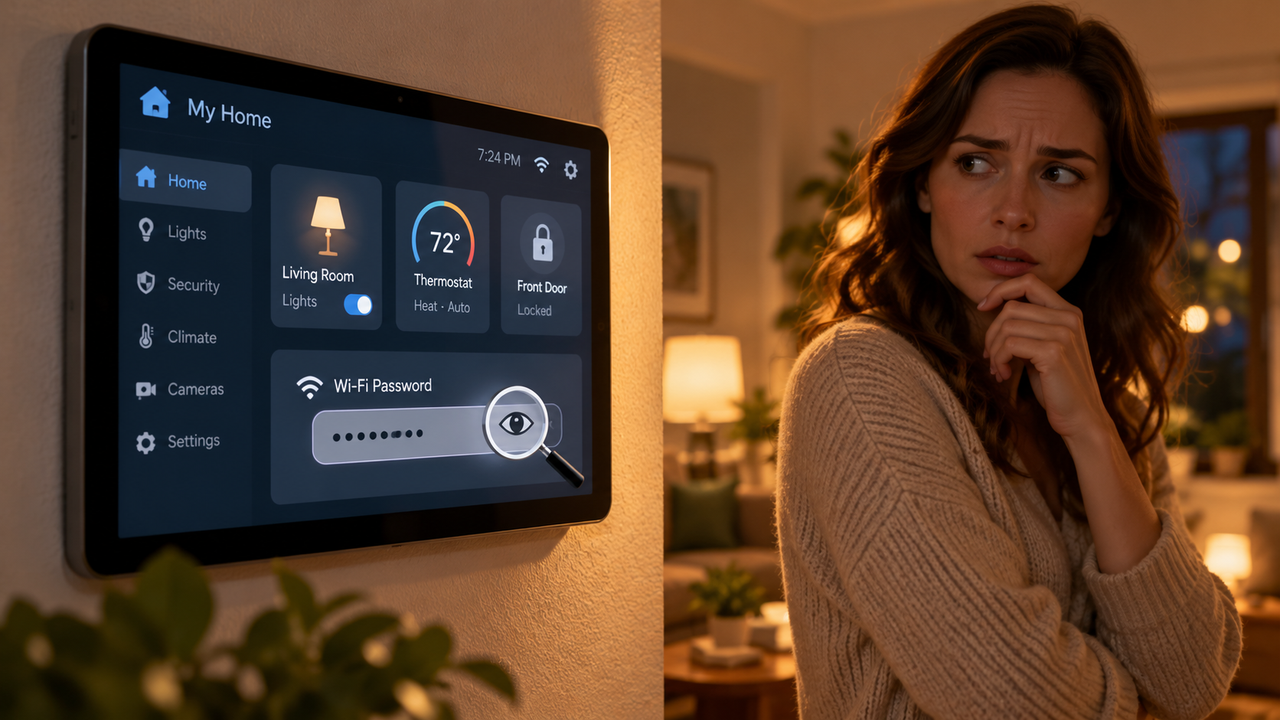
A Home Assistant user discovered the Supervisor silently checks configured passwords against the Have I Been Pwned database and filed a pointed issue calling it an invasion of privacy. Maintainer Frenck explained it uses k-anonymity with hashed prefixes and can be turned off via `ha security options --pwned=false`, but the thread got heated enough to be locked. He later pinned a more conciliatory follow-up acknowledging the documentation gap.
Relevance 2/10Importance 5/10
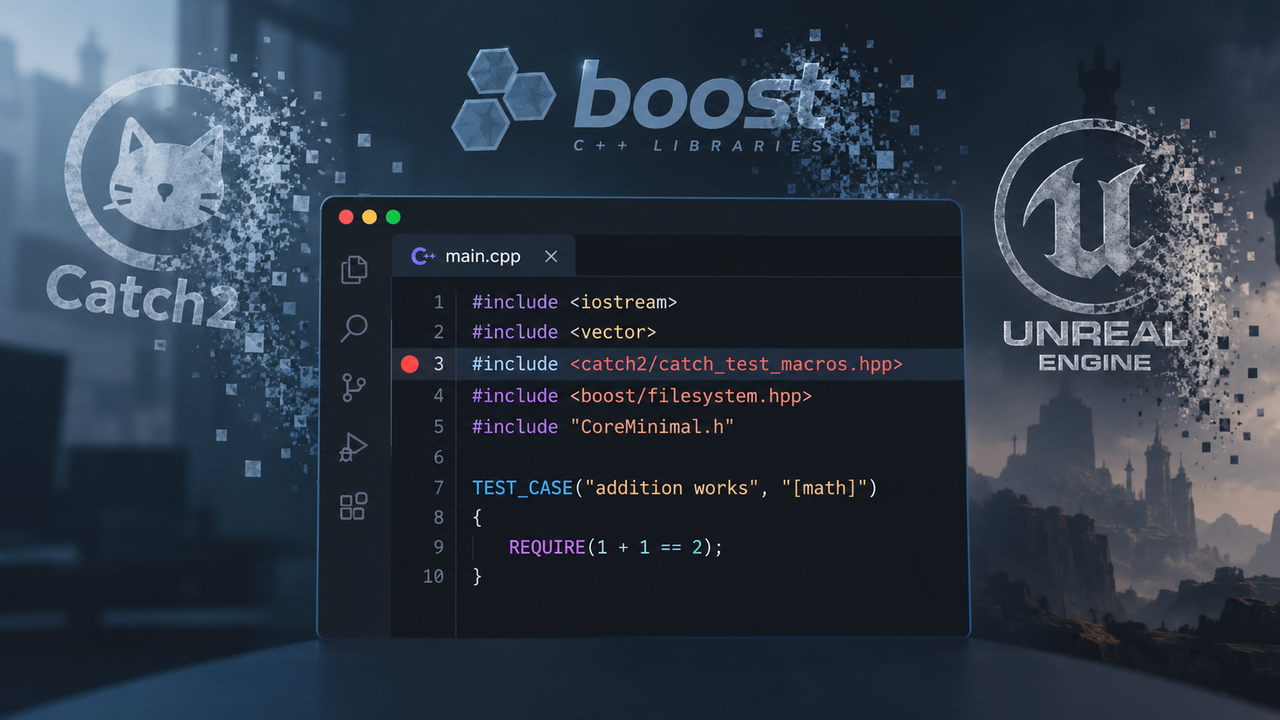
C++26 adds a `` header with three standardized functions: `std::breakpoint()`, `std::is_debugger_present()`, and `std::breakpoint_if_debugging()`. Until now every serious project rolled its own — Boost.Test, Catch2, Dear ImGui, and Unreal all shipped separate versions. Standardizing kills a pile of platform-specific preprocessor spaghetti.

 HN Briefing PM