Relevance 10/10Importance 10/10
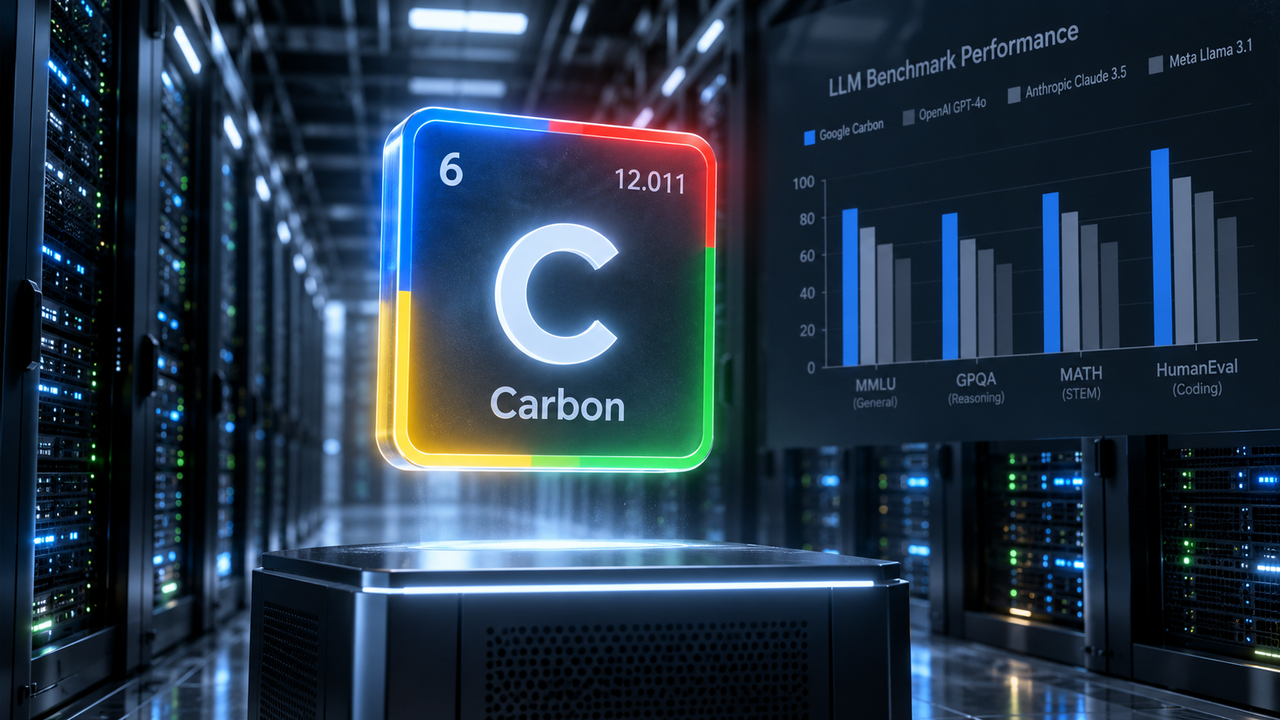
Google dropped Gemini 4 Carbon, pitched by Koray Kavukcuoglu as their strongest frontier model yet with state-of-the-art cybersecurity and long-horizon agentic capability. Commenters note it improves on the recently shipped Argon at the same price point, which makes it an easy upgrade for anyone already on the stack. The loudest thread on HN isn't about capability at all — it's exasperation with Google's element-name nomenclature, since nobody can tell whether Carbon outranks Argon without a periodic table handy.
Relevance 9/10Importance 8/10
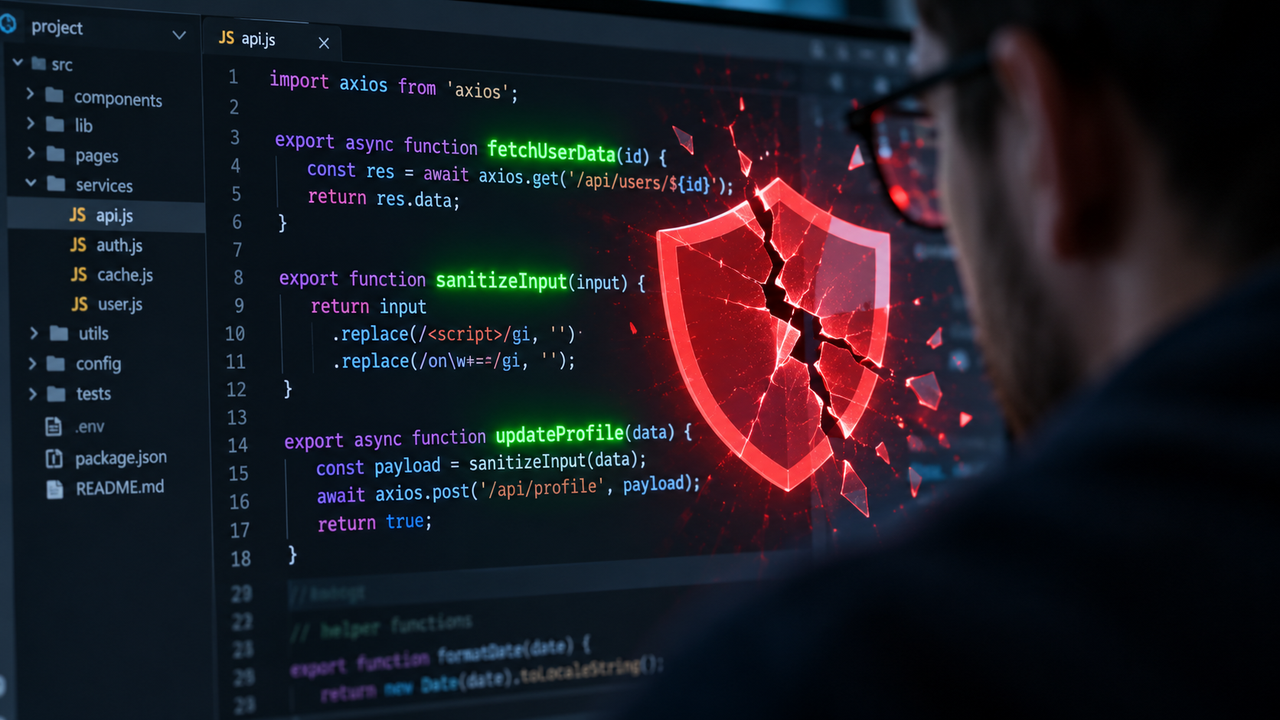
A researcher crawling for browser-fingerprinting scripts found one from servicepipe.tech stuffed with function names like computeRicinLethalDosageForWaterSupply plus hidden system prompts trying to jailbreak any model that read it. None of it does anything — the script's real job is ordinary bot detection, and the bioweapon naming exists purely to trip AI safety filters so automated analysis tools refuse to look at it. It's the first clean example of anti-LLM obfuscation in the wild: turning model guardrails into a code-protection scheme.
Relevance 9/10Importance 8/10
SurgeHQ built a benchmark of 50 environments across eight tax practice areas, handing agents 1,789 real files and asking them to complete returns, compliance work, and advisory tasks. Claude Sonnet 5.5 topped the board at a 10.8% pass rate, with Fable 5.1 at 9.6% and Opus 5.5 at 9.2% — brutal numbers against a 95% rubric threshold. The sharpest finding is where they fail: models miss the consequential things a real professional flags unprompted, like a filing deadline the client never mentioned.
Relevance 8/10Importance 8/10
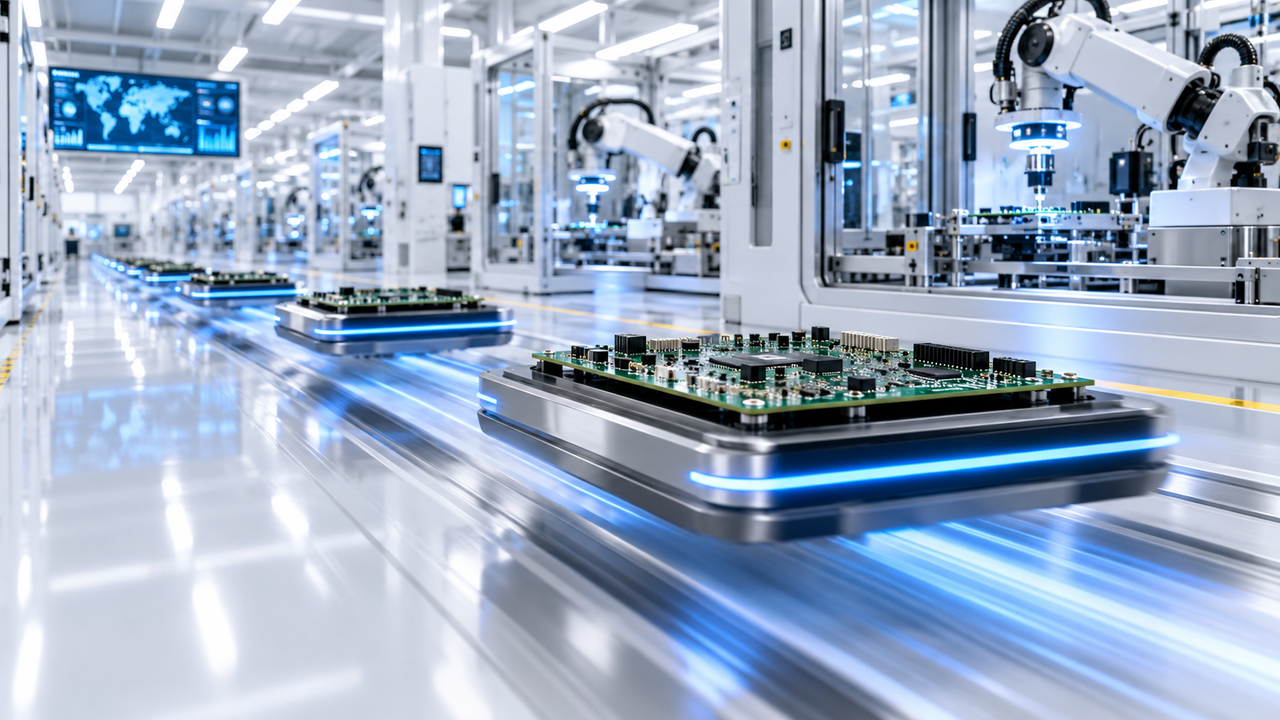
CircuitHub unveiled The Grid, a Massachusetts factory where levitating movers ferry circuit boards between printing, assembly, and inspection stations with zero changeovers between designs. AI scheduling lets every board pick its own route through the plant, and the thing has quietly been running five years — 2.2 million boards shipped, tens of millions of dollars of electronics a year. Against Shenzhen quick-turn shops it delivers assembled boards in four days versus nine, at $630 versus $465.
Relevance 5/10Importance 9/10
Roughly 41,000 DHS employees had personal information exposed, undercover ICE agents among them, after a group calling itself "the Department of Peace" got in through a compromised Okta SSO login. They published the data with a searchable front end, and commenters report it was vetted and cleaned up before release. Another identity-provider compromise cascading into a full-org breach — the SSO single-point-of-failure problem, at federal scale.
Relevance 8/10Importance 3/10
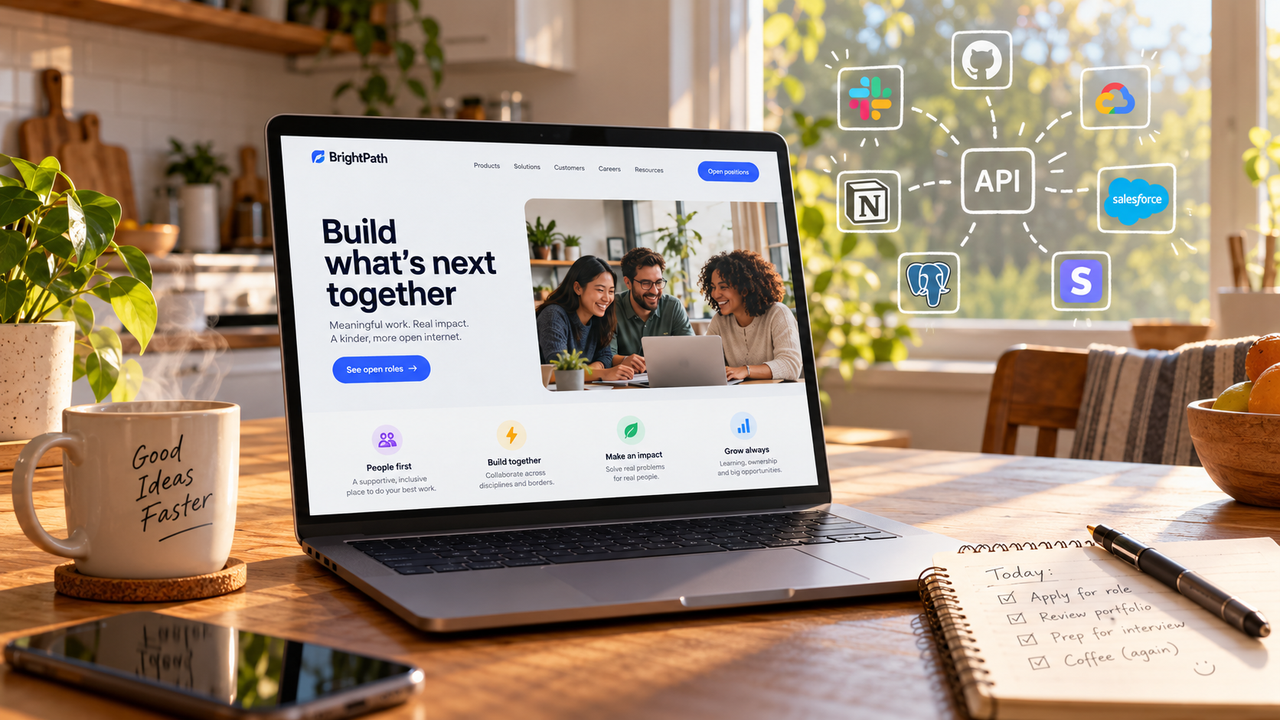
Nango, a YC W23 company, builds the plumbing for product integrations — auth, data sync, webhooks, and unified APIs across more than a thousand services. They're fully remote, open source, and describe themselves as a veteran crew of dev-tool lovers serving developers in the open. Open roles span engineering, forward-deployed engineering, marketing, and DevRel.
Relevance 4/10Importance 8/10
Apple's new MacBook Pro ships a tandem-OLED PROLED XDR panel hitting 2000 nits peak with a 10,000,000-to-1 contrast ratio — and, finally, touch input directly on the screen for scrolling, pinching, and drawing. New M5 Pro and M5 Max silicon drive up to 24 hours of battery in a chassis half a pound lighter than the outgoing model. Dynamic Island and a six-speaker array round it out, and 702 HN comments say the touchscreen reversal struck a nerve.
Relevance 4/10Importance 5/10
Mikhail Lavrov published a free, Creative Commons-licensed intro textbook on graph theory, readable online or downloadable as a PDF. The pitch is practical rather than austere: use graphs to solve puzzles, prove theorems, and everything in between. Aimed squarely at newcomers, and 513 points suggests HN found the pedagogy genuinely good.
Relevance 3/10Importance 5/10
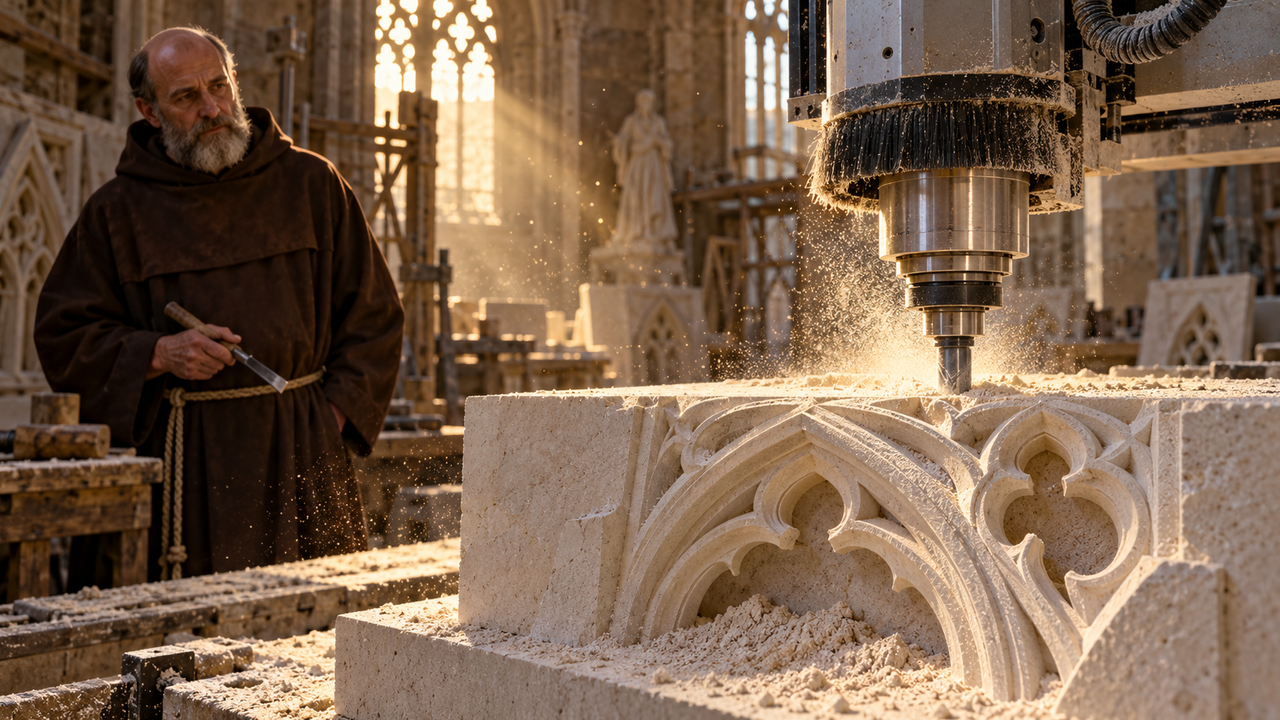
A monastery is using CNC machining to rough out decorative stone for a Gothic cathedral project, then hand-finishing the detail work — collapsing production time dramatically. The comment thread wrestles with whether automating the labor hollows out the devotional meaning, with some arguing CNC is the only reason the beauty is affordable at all. Others point out masons have chased efficiency forever, from Roman casting to eighteenth-century pointing machines.
Relevance 1/10Importance 3/10
Benjamin Kunkel revisits Cormac McCarthy's legacy in the November Harper's, reassessing how the prose style came to define the man and the reputation. It's a literary criticism piece, paywalled and sitting at six points with two comments. On the HN front page today it's the outlier — zero tech content, which is exactly why someone posted it.

 HN Briefing PM