Relevance 10/10Importance 9/10
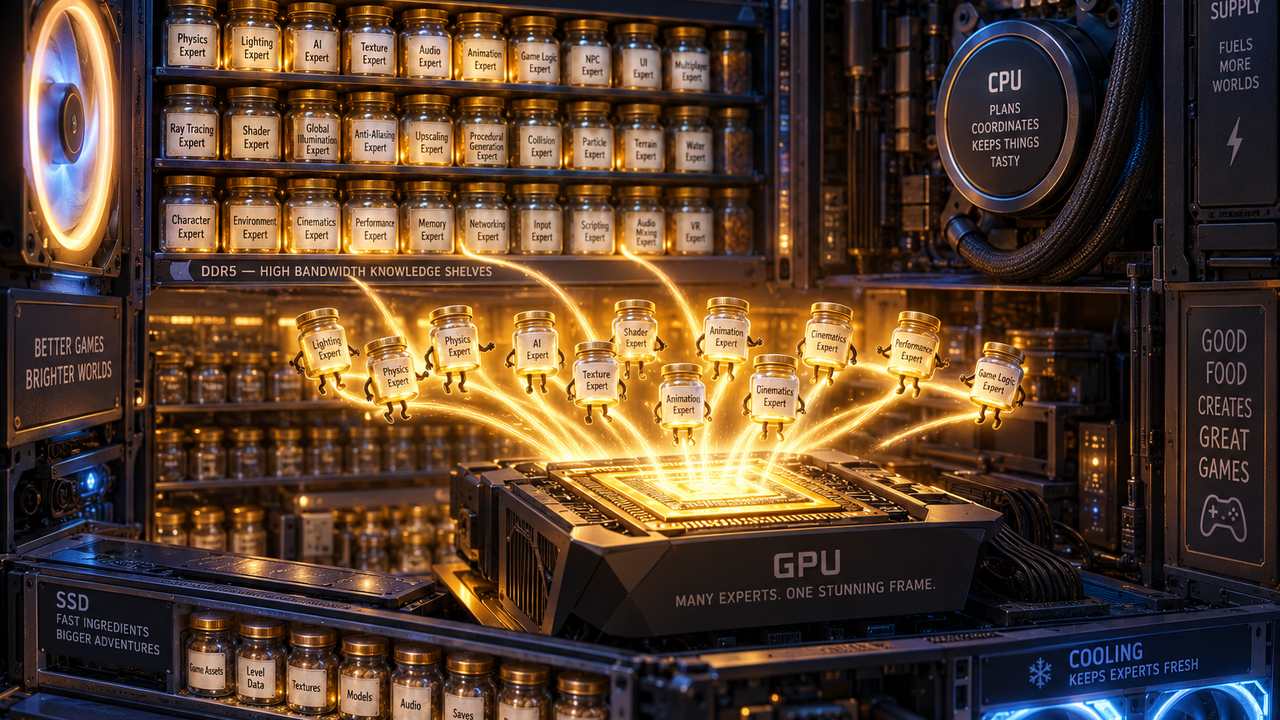
Strata is an open-source inference engine that runs a 125-billion-parameter mixture-of-experts model on a gaming PC by exploiting the fact that the model is really 24,576 tiny experts, only about ten of which fire per token. Hot experts live in 12-24GB of VRAM, the full set sits in system RAM, the CPU picks up the slack, and an SSD holds the routing table. With speculative decoding and 8,192-token batched prefill, an RTX 5070 at IQ3_S quantization hits 53 tokens/second generation and 1,620 tokens/second on prompt processing, behind an OpenAI- and Anthropic-compatible API.
Relevance 9/10Importance 9/10
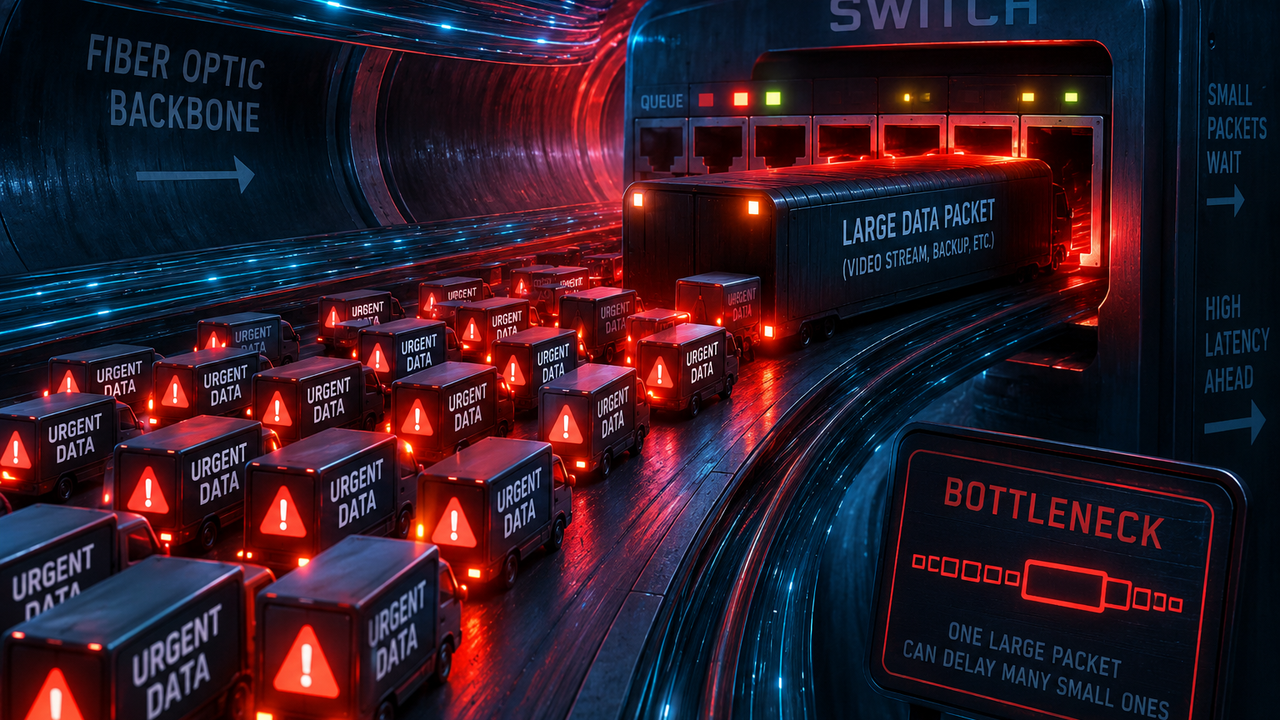
Stanford's John Ousterhout argues TCP is structurally wrong for AI clusters, where traffic has shifted from big throughput-bound transfers to swarms of small latency-sensitive messages from inference and agentic workloads. TCP flattens messages into an undifferentiated byte stream, so short requests get stuck behind long ones — head-of-line blocking that pushed tail latency past a millisecond in benchmarks where Homa stayed under 100 microseconds. Homa uses receiver-driven congestion control and shortest-remaining-time scheduling, claims roughly 13x better P99 latency on short messages, and ships as a Linux kernel module Ousterhout is trying to upstream.
Relevance 8/10Importance 8/10
A botched redaction in public filings exposed the real consumption figures for Agate LLC, Google's data center in Lincoln, Nebraska: 52.65 megawatts at peak electrical demand and 13.299 megagallons of water over the past year across cooling towers, evaporative systems, and site operations. That's about 20 Olympic pools of water annually — less than half what Lincoln's municipal system used on a single day in late September. The leak matters less for the numbers themselves than for the precedent, since these figures are normally shielded as trade secrets across the whole AI buildout.
Relevance 7/10Importance 6/10
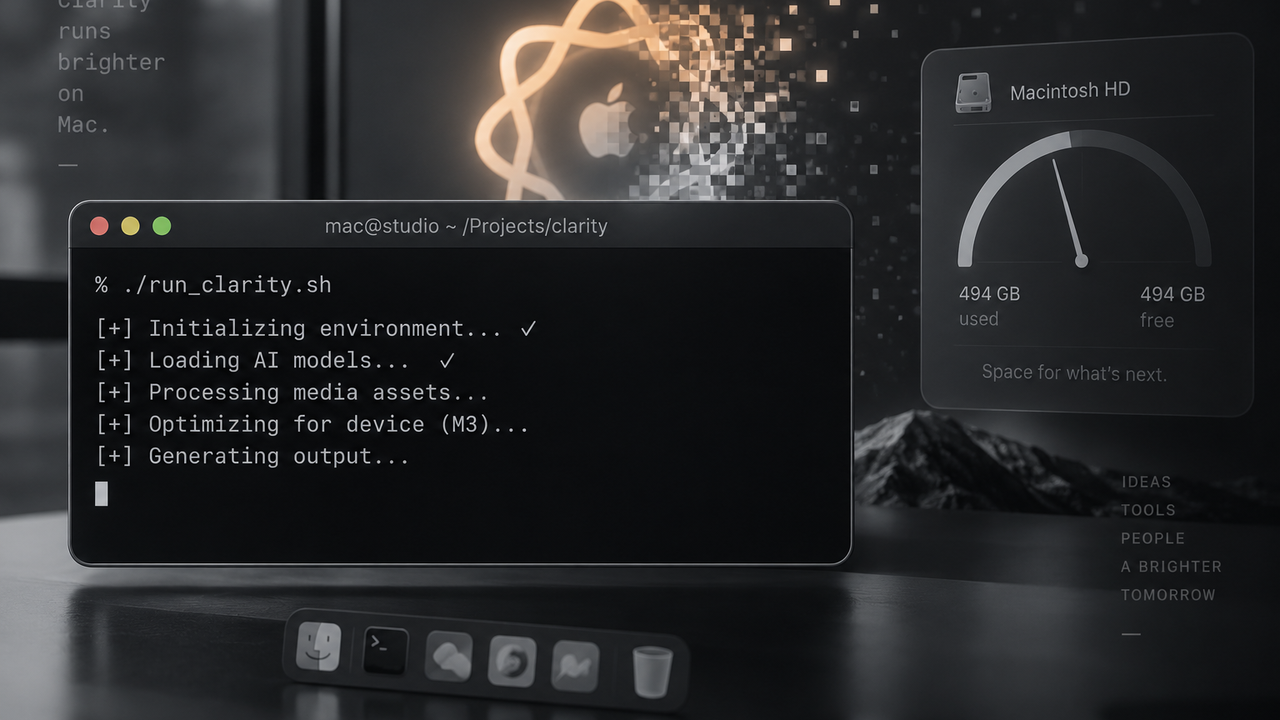
RemoveMacAI is a reversible command-line tool that disables Apple Intelligence on macOS 27 and deletes the on-device models it quietly downloads. It kills Siri, Writing Tools, Genmoji, Image Playground, the ChatGPT extension, Mail and Messages summaries, inline predictions, Photos Clean Up, and Xcode predictive completion, then purges the foundation and specialized model weights. Cleverly, it installs a configuration profile that redirects model downloads to a closed local port so macOS can't silently re-fetch them — all with System Integrity Protection left on.
Relevance 8/10Importance 4/10
A browser-based, walkable simulation of an O'Neill cylinder space habitat — the classic rotating cylinder design that generates artificial gravity through spin — built conversationally with Claude and deployed on Cloudflare Workers. The pitch is physical accuracy rather than set dressing, letting you experience the geometry and rotational effects from inside at human scale. It's a neat data point on how far vibe-coded 3D simulation has come as a weekend project.
Relevance 5/10Importance 5/10
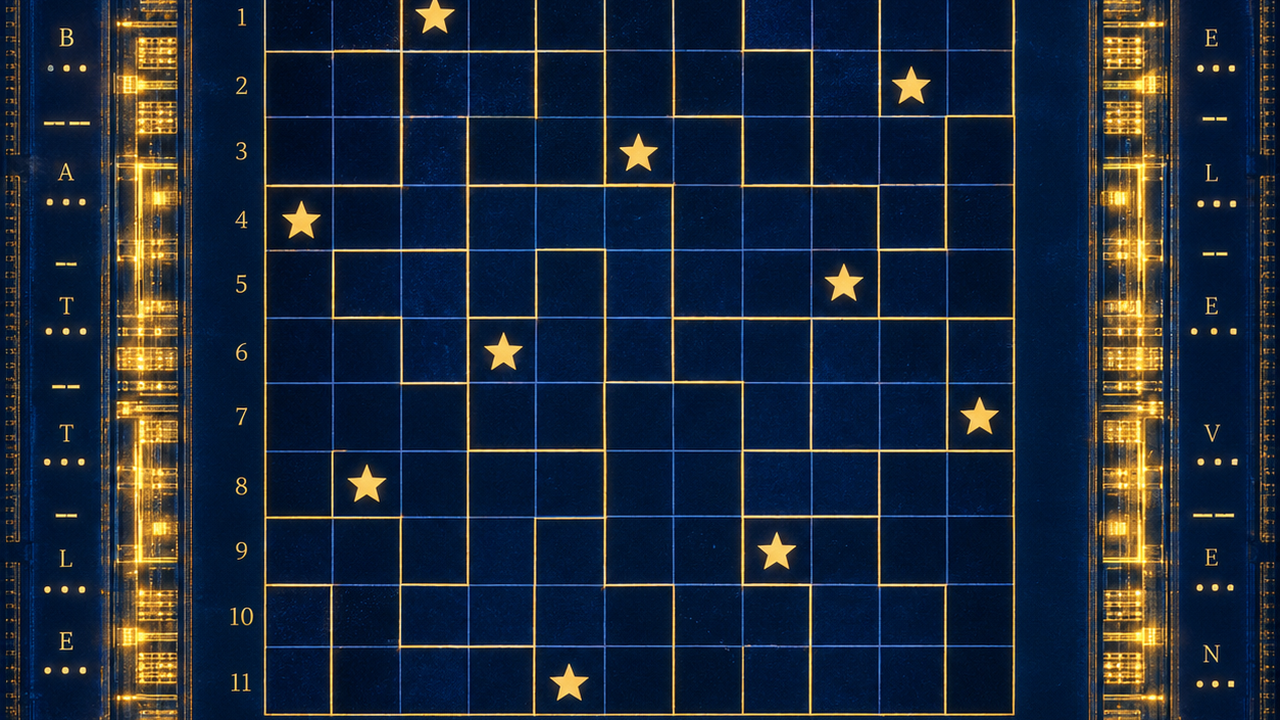
Jane Street's puzzle asked solvers to reverse-engineer a chip from raw GDS layout alone — no netlist, no signal names — and drew roughly 400 submissions from more than 30 countries. The chip turned out to be a hardware validator for an 11-by-11 Star Battle puzzle, checking two stars per row, column, and colored region with no diagonal touching, printing "TWO STARS" on success. Solvers used KLayout and Yosys, custom C++ GDS parsers, SAT solvers, and in the showoff tier, FPGA synthesis, a Minecraft command-block port, and zero-knowledge proofs — plus six hidden easter eggs including Morse code reading "PER ARENAM AD ASTRA."
Relevance 5/10Importance 4/10
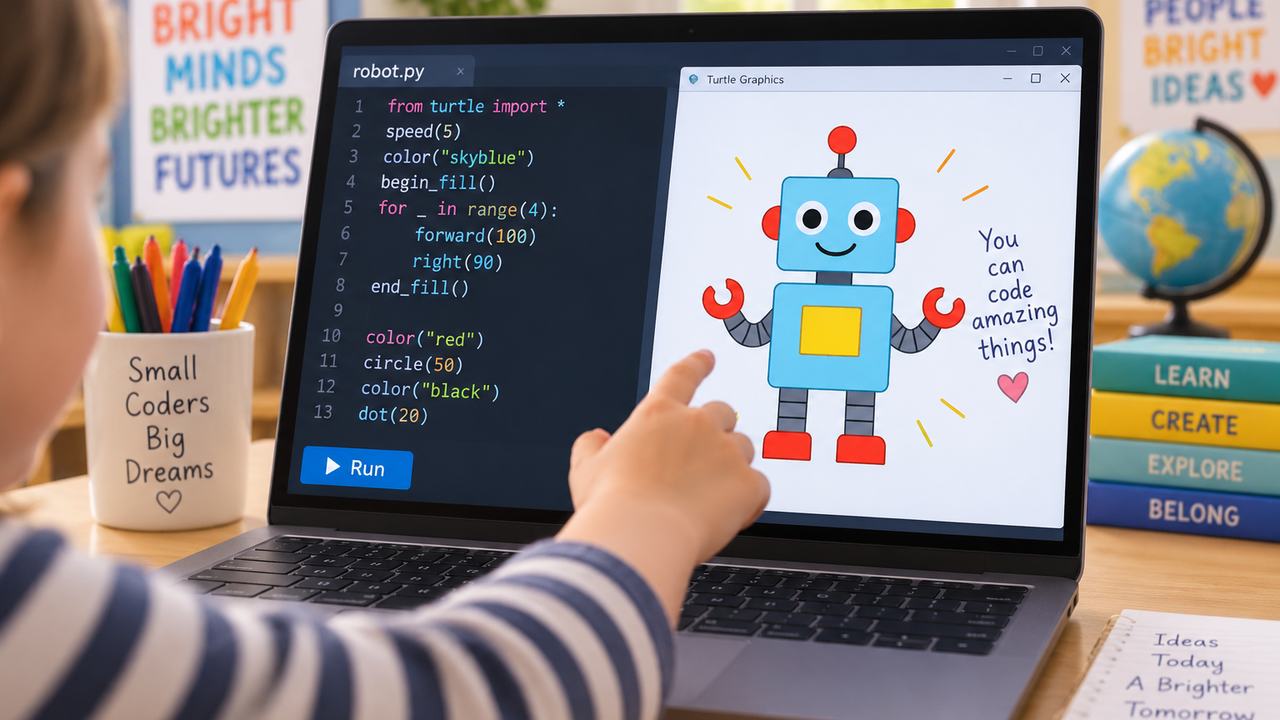
A browser-based Python course built on Pyodide where every lesson's output is a picture rendered beside the code block, so beginners see immediate visual consequences of what they typed. The creator built it after watching his daughter struggle with conventional Python tutorials; the first module covers function calls, variables, loops, and click handlers across a robot drawing, a circle pattern, and a paint app. Thirteen modules total with the first six free and no signup or setup, guided labs behind a one-time fee, and a C++ version in the works.
Relevance 3/10Importance 3/10
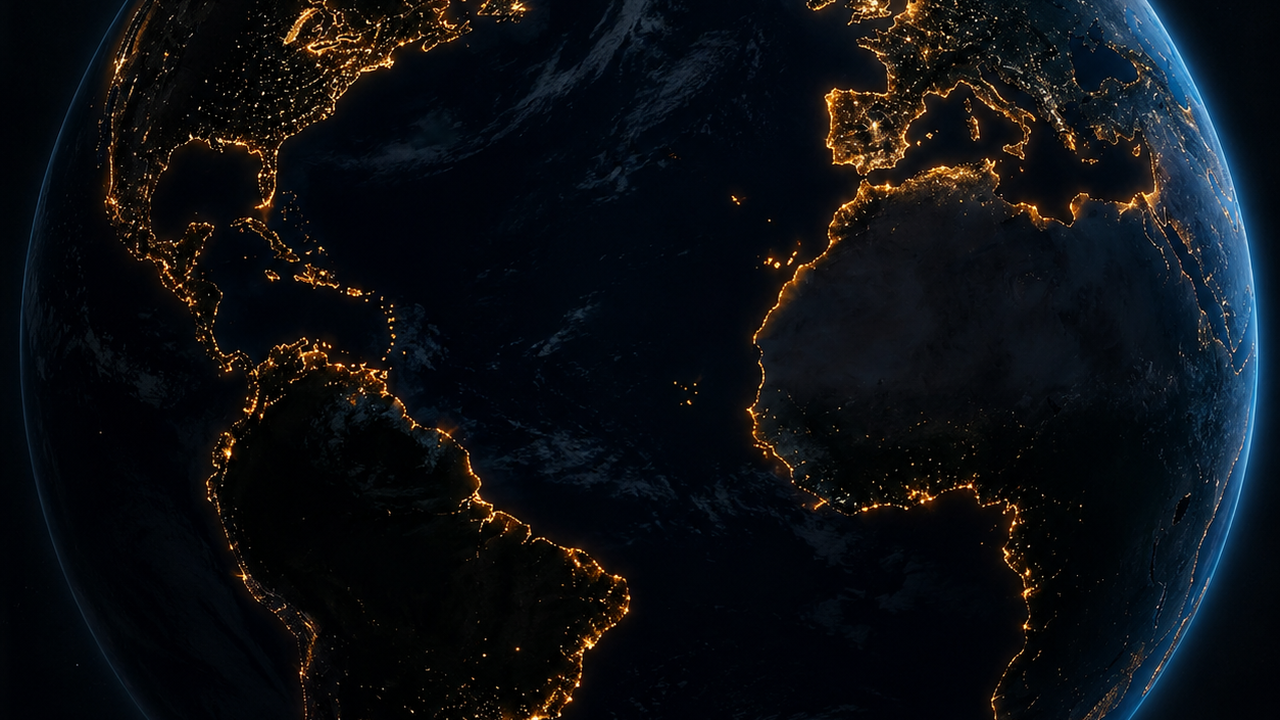
An interactive Svelte-powered night globe plotting every charted navigational light on Earth, each one flashing or sweeping at the exact rhythm printed on its nautical chart. You can spin the globe, zoom in, hover for light names, and jump to presets for Scotland, Brittany, New England, Japan, Norway, and Cape Town. It's the kind of obsessive data-visualization side project HN exists to reward.
Relevance 2/10Importance 3/10
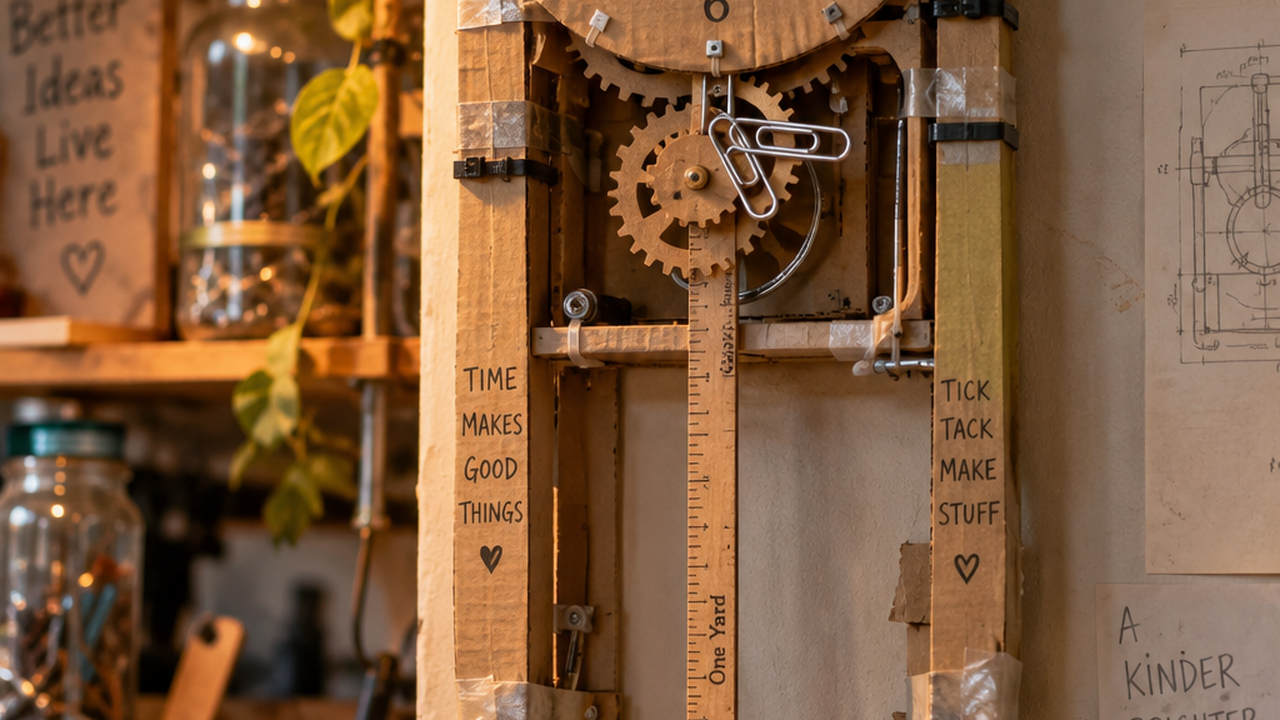
Artist Niklas Roy built a working pendulum clock out of cardboard, zip ties, tape, a yardstick, and a paperclip escapement during a residency in Glashütte, Germany — the historic capital of German precision watchmaking. It runs about 30 minutes, shows seconds and minutes, strikes a gong on the hour, and measured a "second" averaging 1.004 seconds, accurate to within 0.4 percent. Roy also declared a satirical universal time standard, GTC, defined by observing this clock instead of the sun, making it tautologically the perfect reference even when it's stopped.
Relevance 1/10Importance 3/10
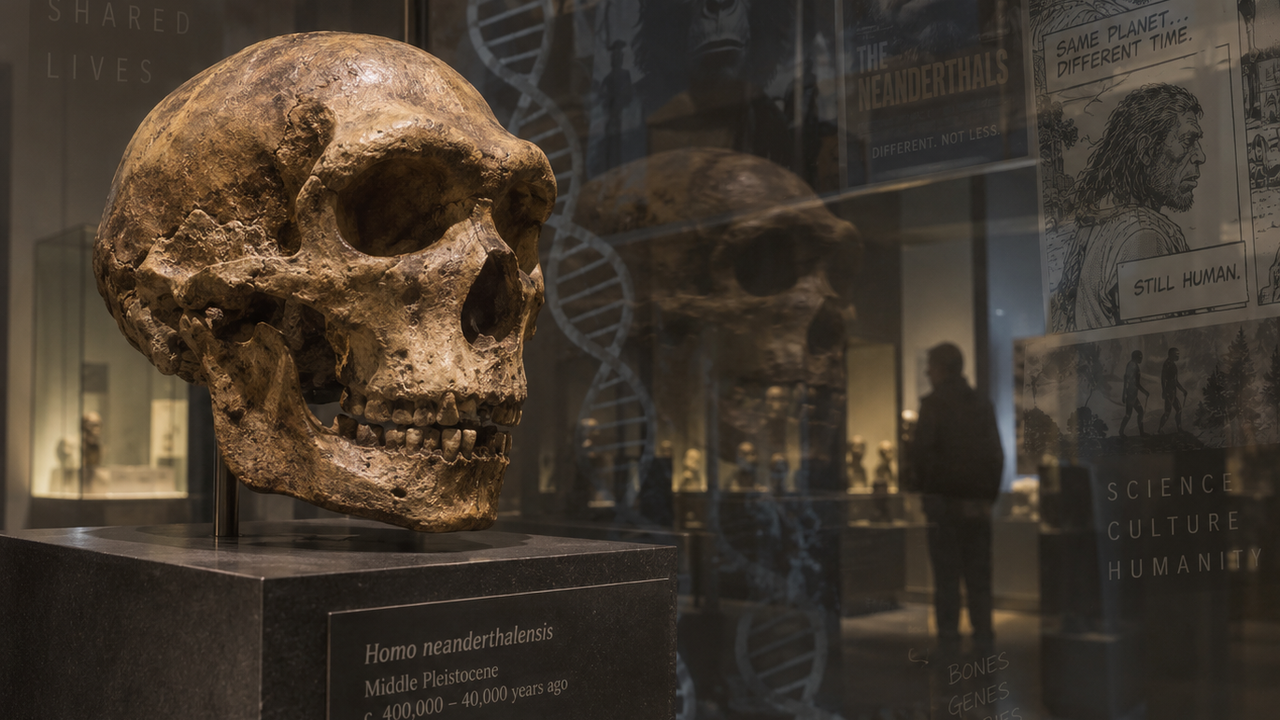
Historian Peter Sahlins traces the full cultural and scientific history of Neanderthals, from nineteenth-century craniology through modern ancient-DNA analysis, alongside their appearances in novels, films, cartoons, ads, and video games. His thesis is that the obsession has turned Neanderthals into a distorting mirror for our claims about human uniqueness and our anxieties about human difference. Reviewers including Ian Tattersall and Jeffrey Schwartz call it the definitive history of the idea.

 HN Briefing PM