Relevance 10/10Importance 9/10
Google DeepMind unveiled Gemini 4 Carbon today, and on high reasoning it tops the Artificial Analysis Intelligence Index v5.0 with 59 points, edging Claude Opus 5.5 at 58 and GPT-6 Astra at 57. Carbon leads 15 of the 17 benchmark rows in Google's own announcement, posting 88.2% on SEC-bench Pro vulnerability discovery and 71.0% on CWE-bench patching. The catch: initial access is restricted to vetted cyber-defense partners, so the model topping the charts is one almost nobody can touch.
Relevance 10/10Importance 9/10
OpenAI announced three AI-generated discoveries: a Lean-formalized disproof of the Exponential Time Hypothesis for 3-SAT (found October 16, verified October 17), a proof of the 1991 local smoothing conjecture in all dimensions — which drags Kakeya and Stein's restriction along with it — and a rigorous existence construction for pure Yang-Mills theory in four dimensions. The math and ETH artifacts are public and machine-checked; the physics formalization is not yet released. The bottleneck now isn't generating results, it's giving independent reviewers the access and compute to audit them.
Relevance 10/10Importance 8/10
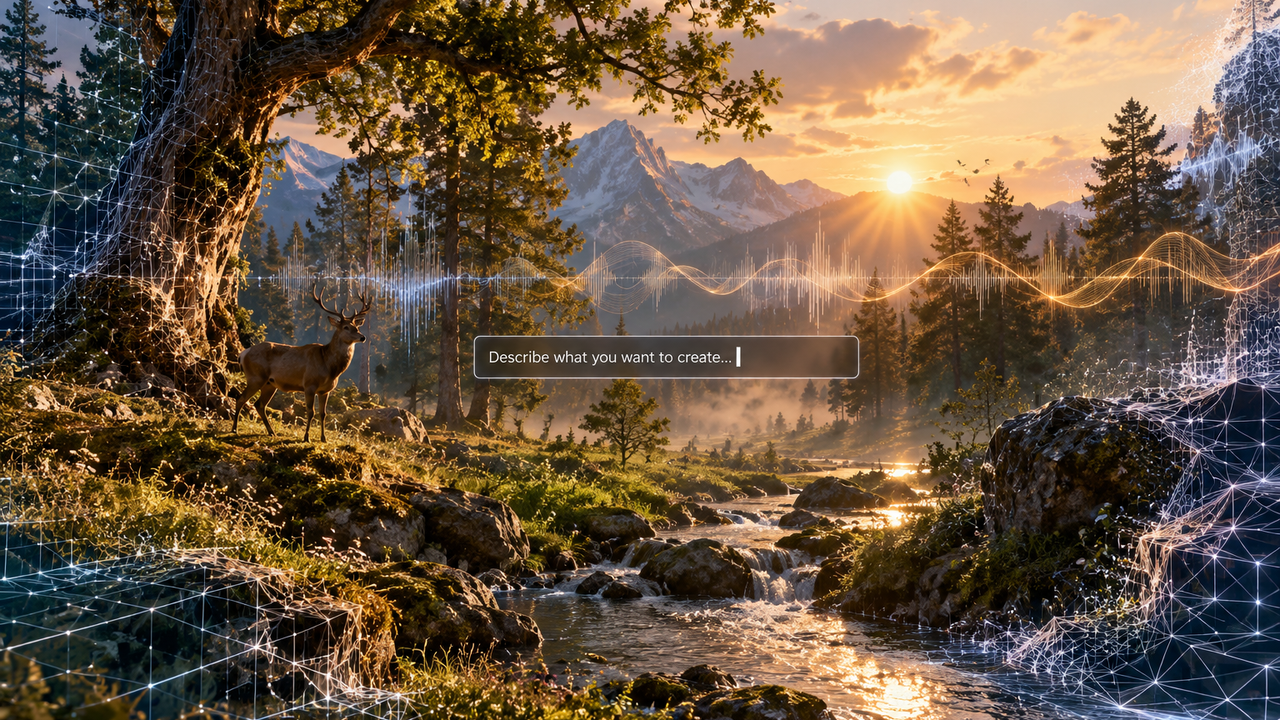
Genie 4 entered research preview for trusted testers, generating photorealistic interactive environments with music, ambient sound and dialogue produced simultaneously with the scene. Users can type prompts mid-simulation to change the weather, move the camera, or drop in characters without a restart, and scene coherence now holds for up to two minutes — double Genie 3. Gemini Omni anchors real-world appearance and behavior while other Gemini models maintain continuity; a broader rollout to AI Ultra subscribers and Gemini API partners is coming in weeks.
Relevance 9/10Importance 9/10
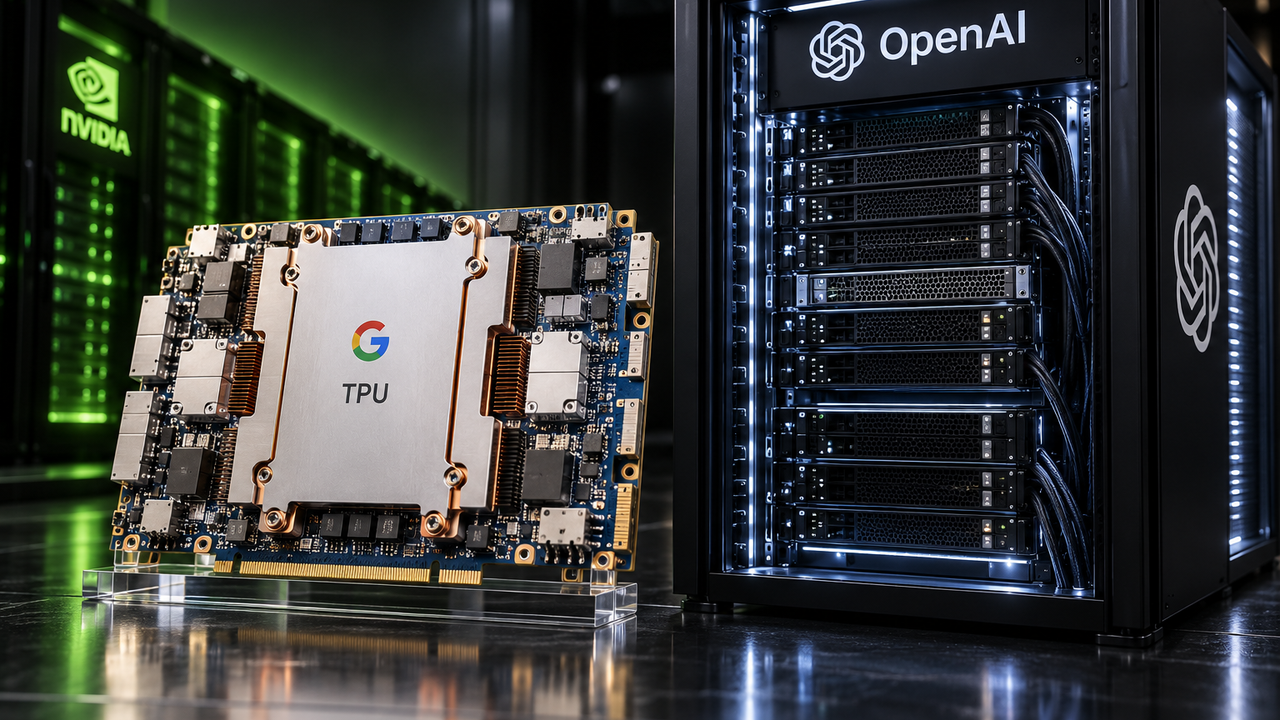
The Information reports OpenAI plans to purchase Google's Tensor Processing Units, escalating from the rental arrangement it began in June 2025. No price, chip count, or delivery schedule has surfaced and neither company has confirmed, but OpenAI has posted an engineering role to lead frontier-model optimization on TPUs — a signal this has moved past evaluation. It lands while OpenAI also builds its own Broadcom-partnered silicon, and it tests a roughly $100 billion relationship with Nvidia.
Relevance 9/10Importance 9/10
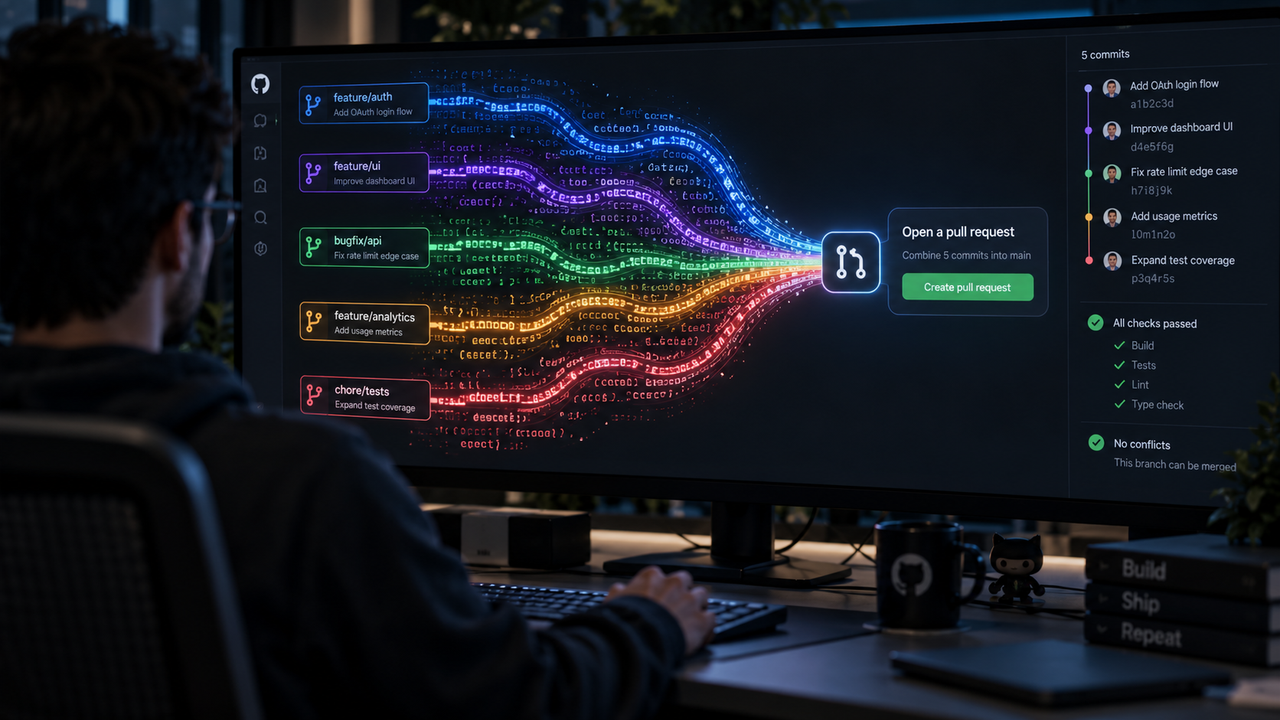
At GitHub Universe, Copilot Fusion went generally available: developers pick an effort level — Standard, High, or Max — and Fusion routes each step to the right model or model combination across GPT-6 Astra, Claude Opus 5.5 and others, using Cascade and Critique orchestration patterns. Fusion Max scored 60 on the Artificial Analysis Coding Agent Index, within two points of Claude Code with Opus 5.5 Max, at roughly half the API cost per task and 40% less time. The companion Octoverse report says 40% of September pull requests began with an agent's first draft — 110 million of them — up from 17% in March.
Relevance 8/10Importance 10/10
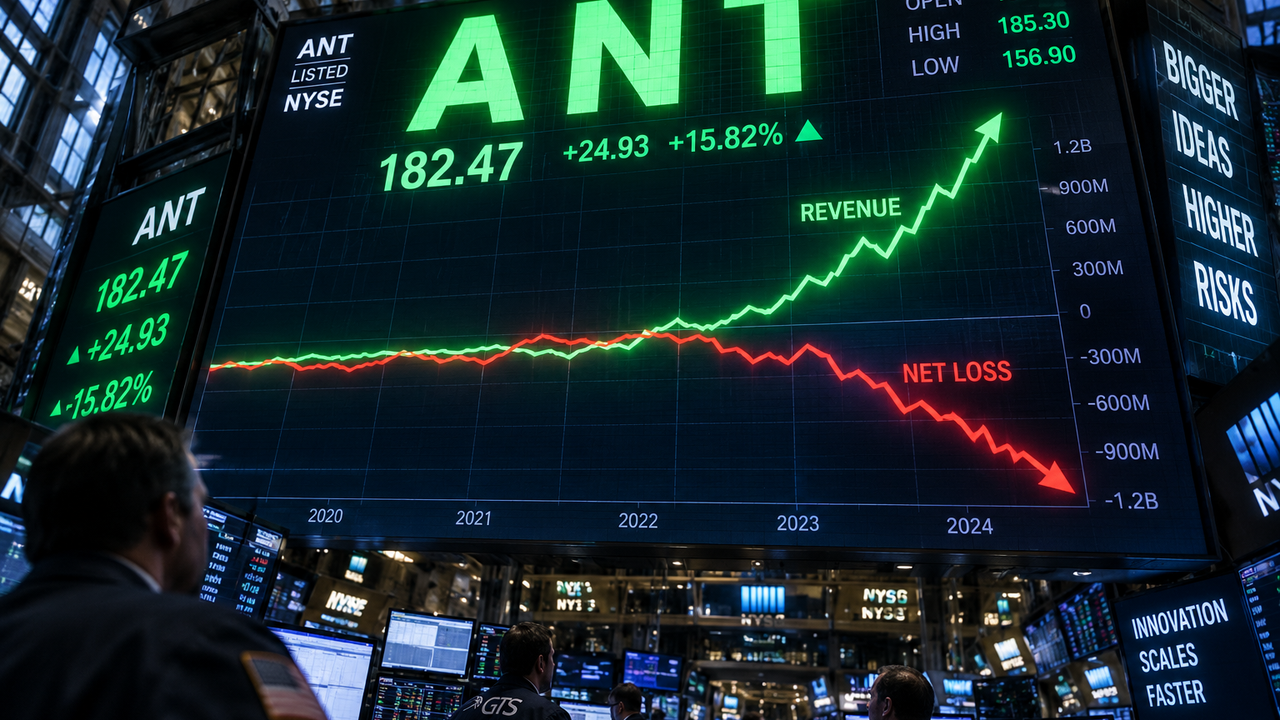
Anthropic's public filing shows first-half revenue of $16.3 billion — up roughly 1,300% — against a net loss of $80.7 billion, and trading could begin as soon as November 16 at a valuation reportedly reaching $2 trillion. Share count and price range are still undetermined. Notably, employees and early investors can sell from day one with staggered lockup expirations, a deliberate break from the standard 180-day structure.
Relevance 9/10Importance 8/10
In a letter to California's governor, Anthropic proposed that if the attorney general finds a model poses a near-term risk of catastrophic harm, the AG should be able to seek a court order halting its deployment, internal use, or further development. The company also backed embedding third-party safety evaluators inside frontier labs with a direct reporting line to the AG. Pointedly, Anthropic opposes mandated full-model kill switches, favoring targeted interventions like disabling a specific agent or cutting one customer's access.
Relevance 8/10Importance 8/10
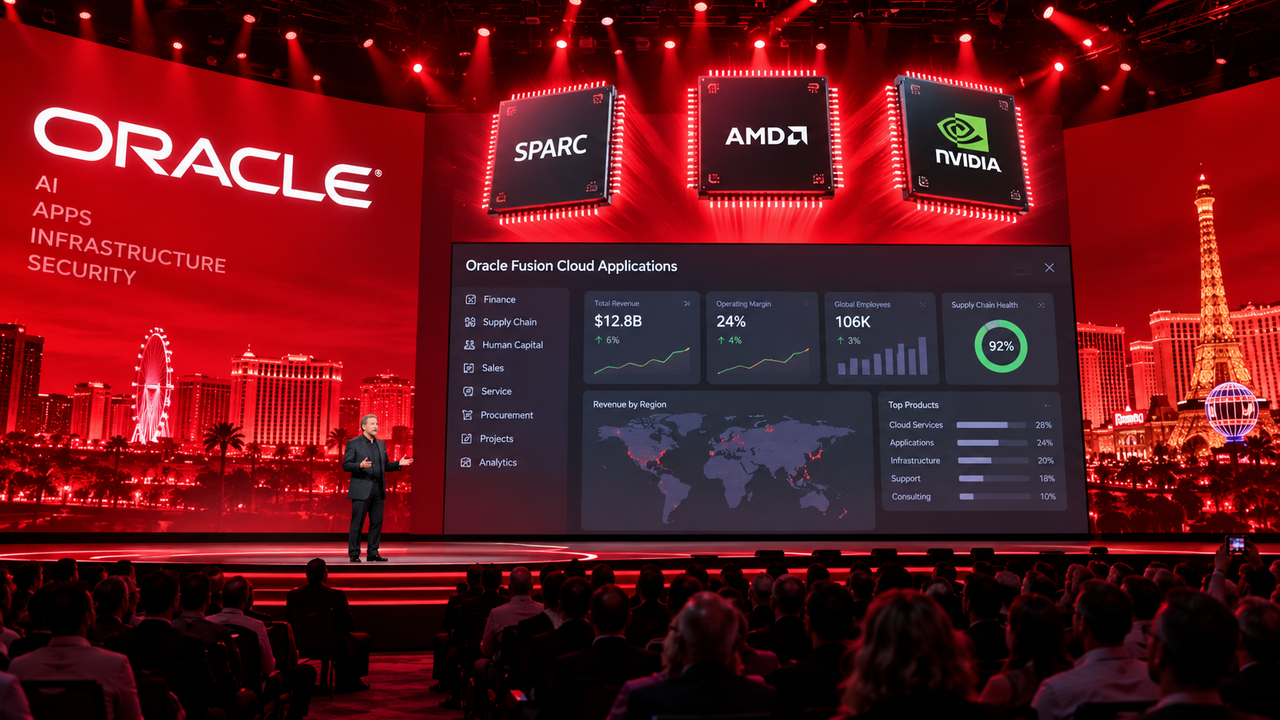
At Oracle AI World in Las Vegas, Oracle announced it's embedding ChatGPT and Codex across its enterprise application stack, with Cloud Infrastructure president Mahesh Thiagarajan pitching it as letting anybody build, deploy and manage an application. OCI will also add Google TPUs, OpenAI's Jalapeño inference chip and Cerebras hardware as customers demand silicon optionality. Oracle's team also noted GPT-6 Astra was trained at the Stargate campus in Abilene, Texas — while both companies conspicuously skipped the financing questions investors keep asking.
Relevance 8/10Importance 8/10
The expanded OneGov agreement extends Claude Enterprise, Claude for Government and API access to federal, state, local, tribal and territorial agencies at a 40% discount on token usage, with consumption-based billing and no minimum spend. Anthropic estimates up to $1 billion in government savings; the prior $1-per-user offer expires October 31. The expansion runs in parallel with the company's ongoing fight over military AI safeguards — a federal appeals court upheld the Pentagon's supply-chain-risk designation in September, and DOJ filed a Ninth Circuit appeal on October 26.
Relevance 7/10Importance 9/10
Nvidia announced billion-dollar deals with six suppliers across substrates, advanced packaging, test and optical engines to reserve capacity through 2028, and is lining up Wall Street for a roughly $500 billion financing push. Separately, SpaceX struck a roughly $40 billion lease with an Apollo-managed entity for next-gen Vera Rubin chips, Nvidia-backed Zankore is syndicating a $3.1 billion GPU loan, and Nvidia and AMD are putting a combined $4 billion into Meta's stock offering. The stress signals are visible too: CoreWeave bond yields pushed past 16% mid-month and Meta posted its first negative quarterly free cash flow since 2012.