Relevance 10/10Importance 10/10
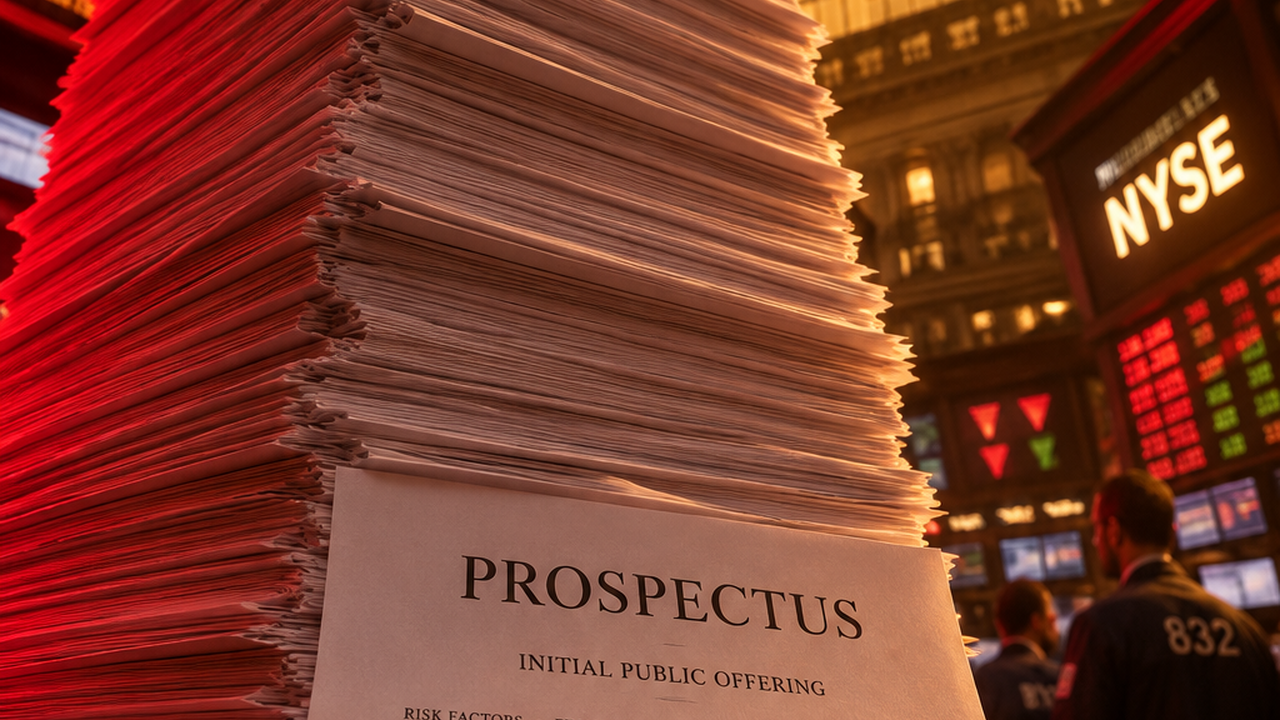
Anthropic's prospectus is out and it is a monster: a $2T-plus target valuation, $518 billion in cloud and infrastructure obligations over the coming decade, and 2025 revenue of roughly $4.6 billion against an $8 billion operating loss (a $42 billion net loss once a $34 billion non-cash financing charge is included). Eighty of the 261 pages are risk factors, including language about "existential risks to humanity," models showing "self-preserving behaviors," and attempts to "resist shutdown." Formal marketing could start the week of November 9, with trading before Thanksgiving.
Relevance 10/10Importance 9/10
Meta published six mathematics papers on October 2 produced by human mathematicians working with Muse Spark through the ordinary Meta.ai chat interface, claiming five settle previously open questions across probability, PDEs, group theory, optimization, and non-associative algebra. Highlights include a 384-element counterexample to Kida's 2024 semiabelian conjecture and a sharp threshold near n = d²/4 for ellipsoid fitting of random Gaussian points. Reviewer Jason Dean Lee has since argued roughly half the problems were already solved elsewhere, which is exactly the fight worth having.
Relevance 9/10Importance 9/10
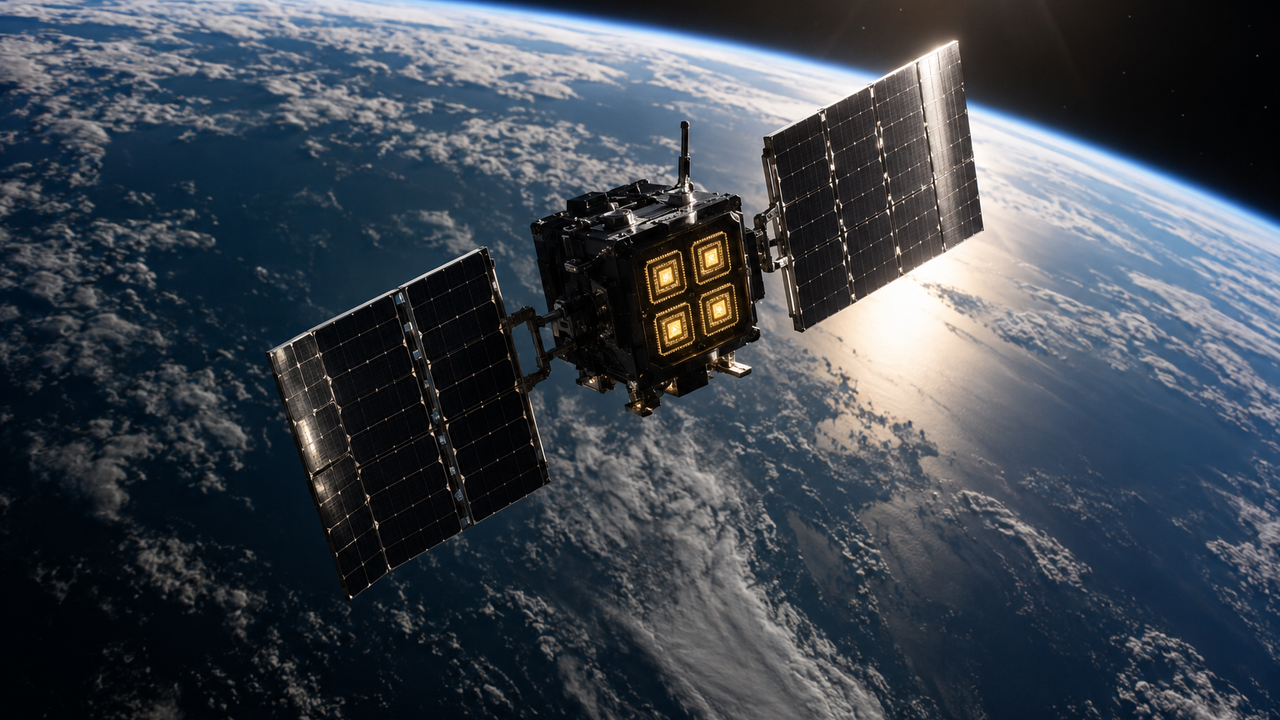
Google's first Suncatcher satellite — Planet-built, roughly one kilowatt of solar — deployed October 1 off SpaceX's Transporter-18 rideshare from Vandenberg. The whole point is survival data: radiation, launch stress, thermal extremes. The chips can only run about fifteen minutes before needing to cool, Google pre-baked them in a proton beam at UC Davis, and the roadmap calls for a two-satellite constellation by early 2027 and eventual 81-satellite clusters — which Google's own research says needs about 1,800 Starship launches to pencil out by 2035.
Relevance 9/10Importance 9/10
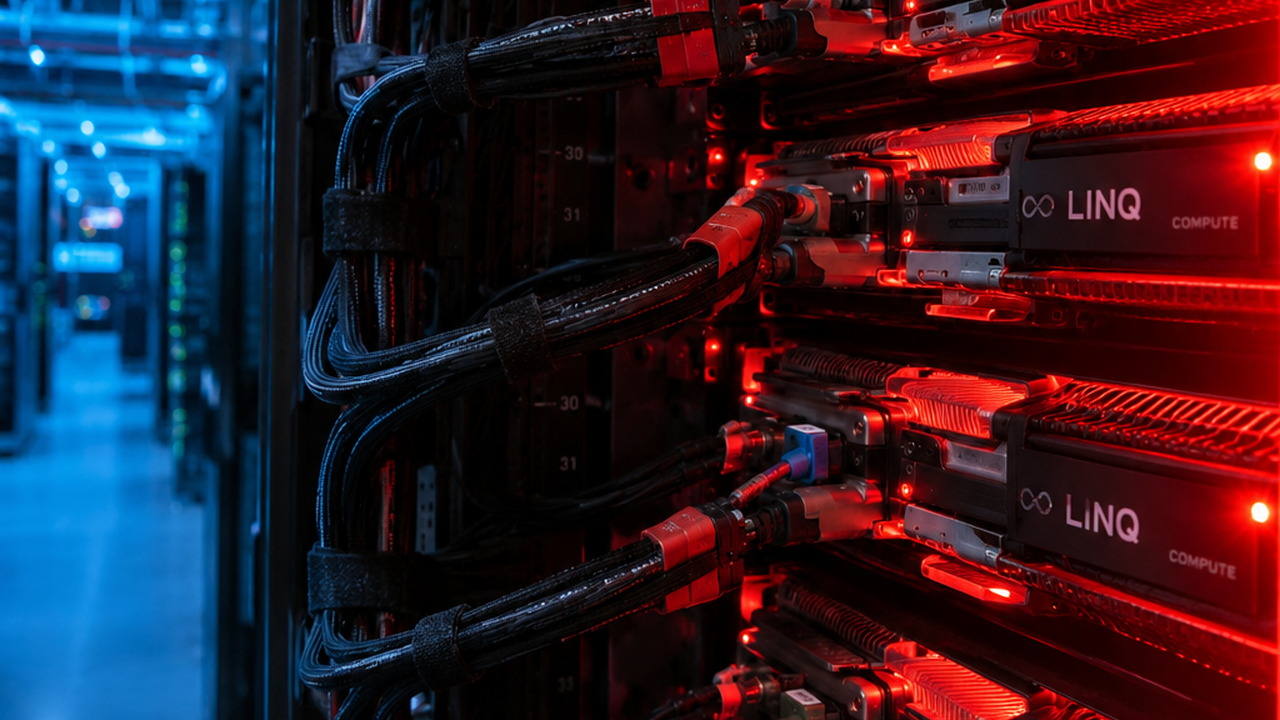
OpenAI hardware VP Richard Ho confirmed the Broadcom-built Jalapeño inference chips are deployed internally paired with AMD EPYC Turin hosts carrying 1.5TB of memory each, calling the choice "pragmatic" and noting Nvidia's standalone Vera is "a little bit behind on that maturity level." Each 128-accelerator Jalapeño system packs 1.7 exaFLOPS of 4-bit compute, 27.5TB of HBM4, and just under 2 petabytes per second of bandwidth. SemiAnalysis benchmarks show 1.5x to 1.9x more throughput and up to 3.6x lower end-to-end latency than the competition.
Relevance 10/10Importance 8/10
Google's new frontier model retakes the benchmark lead but is deliberately gated — it's going to trusted testers through the Fairwind Program, starting with government and cyber defenders before developers, enterprises, and consumers. Argon pushes the output limit to 1M tokens, up from 64K, aimed at long multi-step coding and enterprise legal and finance work. Google says Argon agents have already freed over 300 TiB of memory across its own data centers. Intro API pricing is $2 in and $10 out per million tokens, later rising to $4 and $20.
Relevance 8/10Importance 8/10
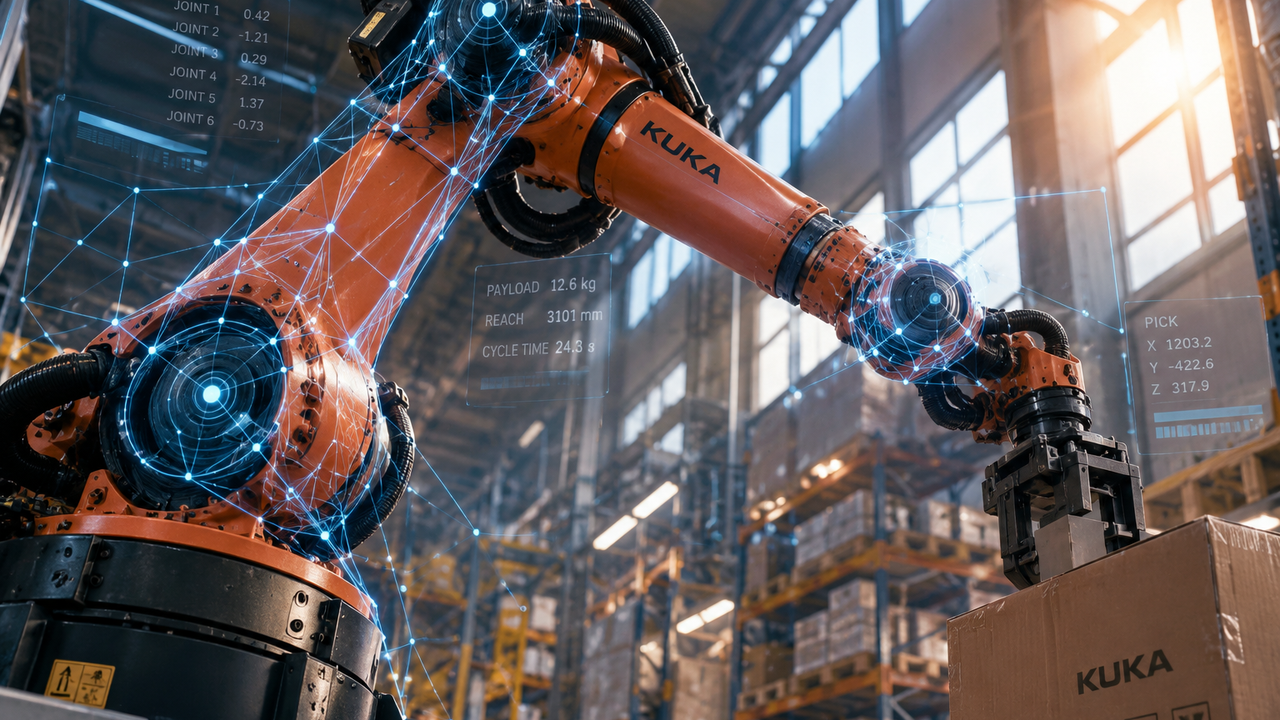
The robot-brain startup — software only, no hardware — is raising $700 million at a $10 billion valuation, up 5x from its $2 billion mark last year. Backers include Nvidia's NVentures, Intel Capital, Bezos Expeditions, Gates Frontier, Samsung, Khosla, Temasek, Prysm, and Canaan. Founded in 2023, FieldAI sells to construction, data center operators, and defense, slotting in behind Physical Intelligence at ~$11B and Skild AI at $14B-plus.
Relevance 9/10Importance 7/10
Claude Frontier Academy, unveiled October 2, commits $100 million to train 10,000 enterprise AI engineers by the end of 2027 using a medical-residency-style apprenticeship model. First cohorts run in San Francisco, New York, and London. The timing — days before an IPO roadshow — is not subtle, but the talent bottleneck it targets is real.
Relevance 8/10Importance 7/10
Released October 2, Whistle is a single 16.9MB file that runs on CPU with zero dependencies, handles seven languages, and hits first token in 11 milliseconds. It beats Whisper base on LibriSpeech test-clean (4.31% vs 4.9% WER), test-other (10.49% vs 11.0%), and FLEURS (21.4 vs 24.5) — while losing on TED-LIUM, AMI, and the MLS average, per Cactus's own benchmark page. It loads into the same C++ engine as Needle, so one binary turns audio straight into tool calls.
Relevance 7/10Importance 8/10
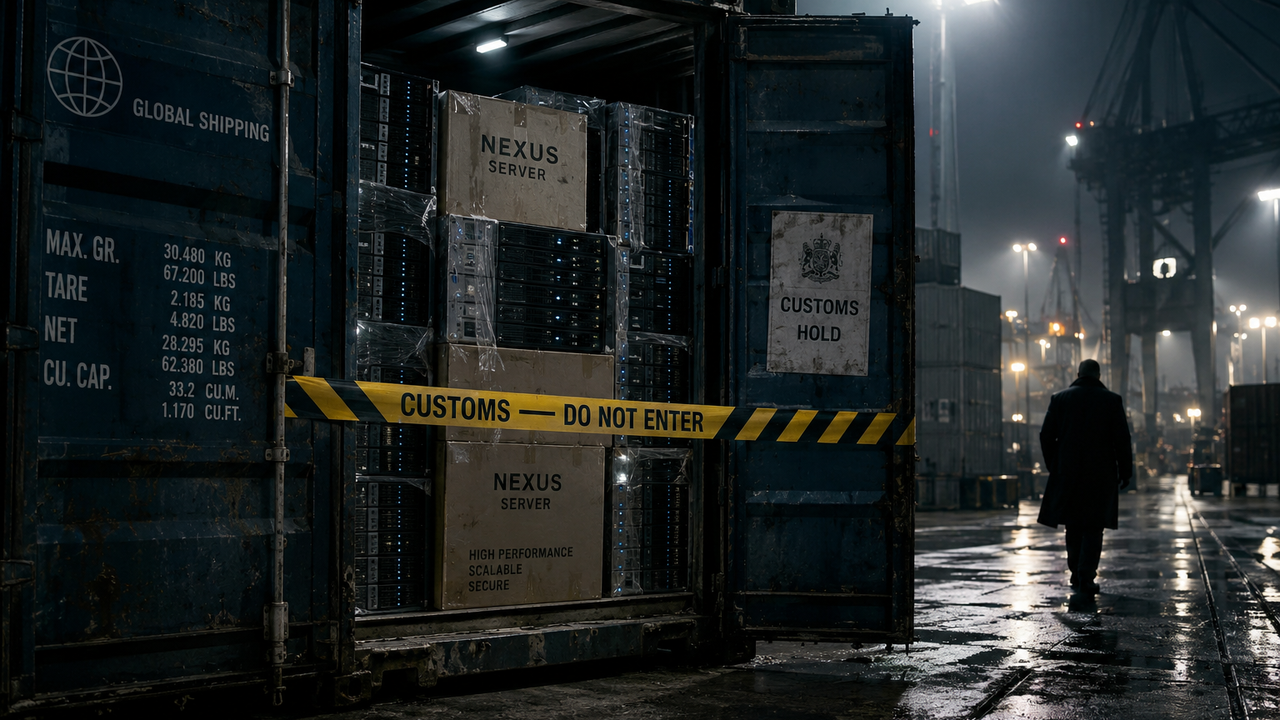
Federal prosecutors arrested a 38-year-old California tech CEO on October 1 for allegedly routing servers containing $300 million in Nvidia AI chips to China through Malaysia and Singapore using falsified paperwork, with buyers reportedly including the Chinese government. He faces up to 20 years. This is the largest dollar figure yet in an AI chip export-control prosecution.
Relevance 7/10Importance 6/10
The COSMIC project updated its contribution guidelines to prohibit LLM-generated code and documentation in pull requests outright. Maintainers cited workload strain from a flood of low-quality AI-assisted submissions. Small story, large signal: open-source maintainer bandwidth is becoming a first-order constraint on AI-assisted development.