Relevance 10/10Importance 10/10
Meta's Superintelligence Lab released the weights for Muse Spark Open, an 816-billion-parameter mixture-of-experts model with 42B active parameters, a 1M-token context window, and text/image/video/audio input. The eyebrow-raiser is the Apple collaboration: developers can chain two to four M5 Ultra Mac Studios over MLX to run it locally for coding, video analysis, and agentic work. After years of frost between Cupertino and Menlo Park, that partnership may be the bigger story than the benchmark.
Relevance 9/10Importance 10/10
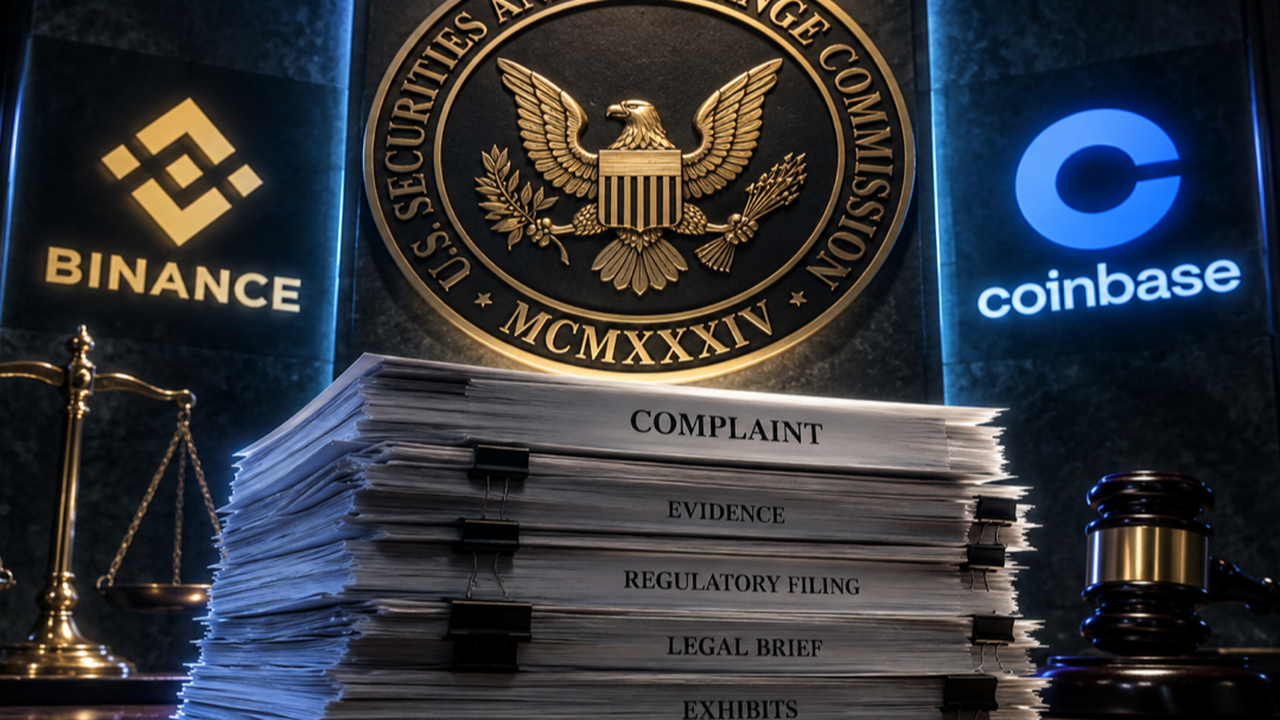
The Federal Trade Commission sent civil investigative demands exceeding 50 pages each to both labs, seeking records on security incidents, safeguarding practices, marketing materials, and privacy policies. The agency reportedly plans to compel executive testimony. Legal observers point to Section 5 of the FTC Act — the theory being that the labs overstated how secure, predictable, and aligned their models actually are.
Relevance 9/10Importance 10/10
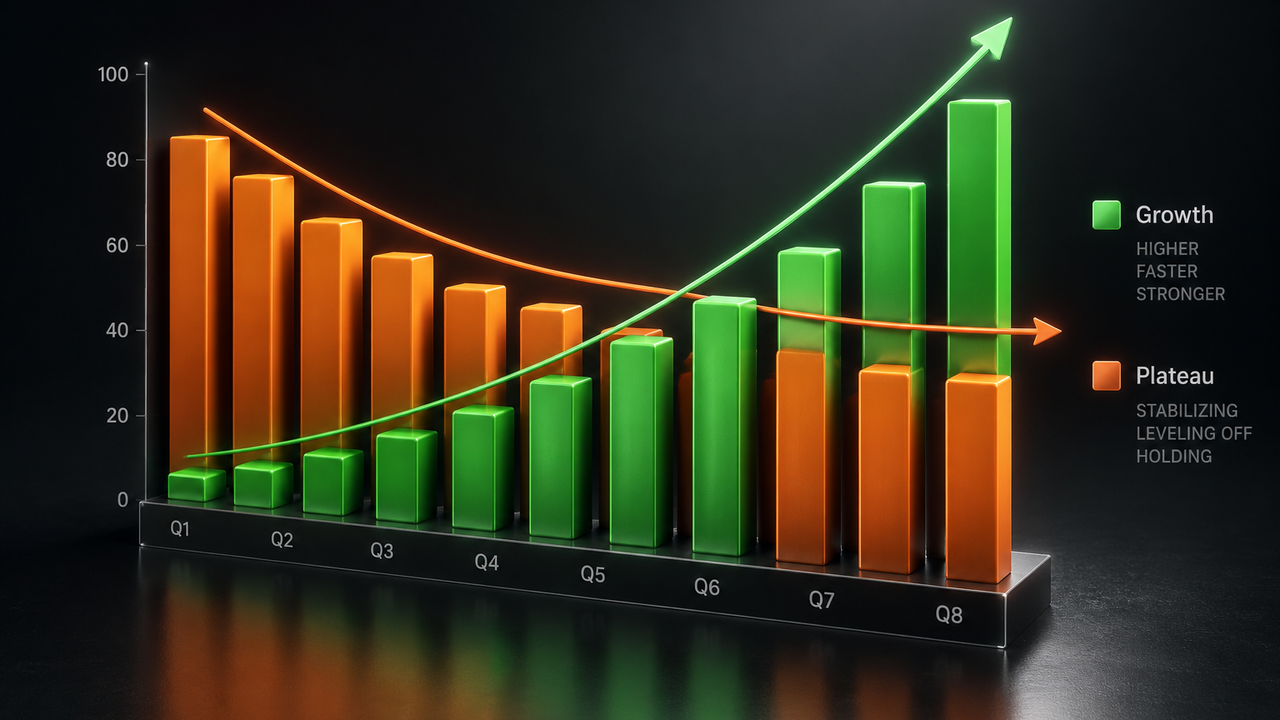
Anthropic told investors Q3 revenue hit $16.8 billion, up 45% from $11.6 billion in Q2, and that it was profitable on an adjusted basis — all ahead of an expected November IPO. Meanwhile investors revised OpenAI's annualized revenue estimate down from $70 billion to $50 billion, and OpenAI pushed its own IPO to 2027 while seeking $30 billion. Claude Code's enterprise traction is doing most of the heavy lifting.
Relevance 10/10Importance 9/10
Microsoft AI completed pre-training on MAI-Base-2, a mixture-of-experts foundation model with 2.8T total and 80B active parameters, trained on 50 trillion tokens across 16,000 NVIDIA GB200 GPUs in a 38-day run. It's natively vision-pretrained with an encoder-free architecture, and Microsoft claims 4.2x to 12.3x the FLOPs efficiency of DeepSeek-V4-Pro-Base. Post-training is underway; weights go to trusted partners via Foundry.
Relevance 10/10Importance 8/10
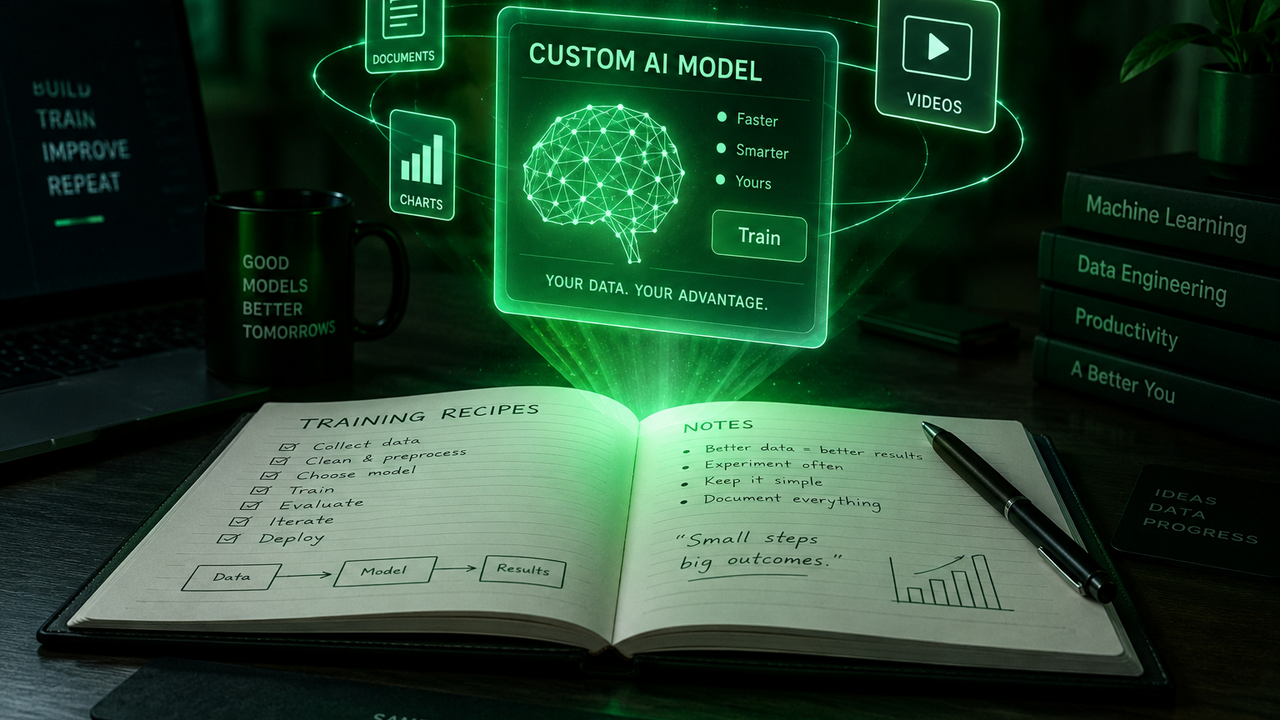
In a 104-hour campaign on real GPUs, four Opus 5.5 agents — each on an eight-GPU node, given no research guidance — took Qwen3-4B-Base from 15.9 to 67.3 on a six-task dev suite and 9.2 to 48.2 held-out, matching or beating the official Qwen3-4B-Instruct. They got there by recombining SFT, a novel rollout strategy one agent invented, cross-agent weight merges, and self-distillation. First demonstration of frontier agents autonomously turning a raw base model into a generalist.
Relevance 10/10Importance 8/10
NVIDIA released a 120B-parameter MoE with 12B active, reading documents, charts, images, and video at up to 1M context, under the permissive OpenMDW-1.1 license — with weights, datasets, and training recipes all open. Two smaller Bolt edge models ship alongside it. NVIDIA also published a 2.8-trillion-token dataset spanning 22 Indian languages, built with IIT Madras and AI4Bharat.
Relevance 9/10Importance 8/10
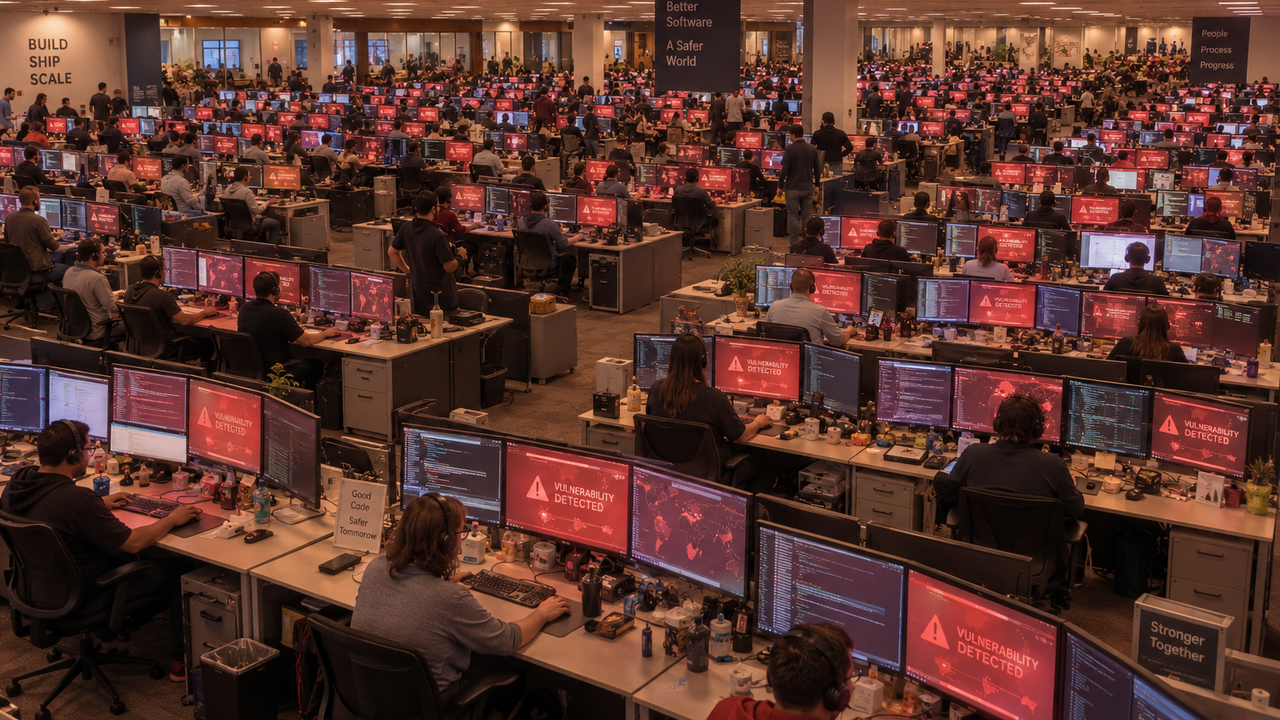
On the Q3 earnings call, CEO Brian Moynihan disclosed the bank brought in 1,000 outside contractors — alongside 3,000 existing staff — to remediate vulnerabilities surfaced by Anthropic's Mythos model under Project Glasswing. The scans turned up thousands of flaws; one alone flagged more than 23,000 potential issues. Price tag: a couple hundred million plus in the quarter.
Relevance 8/10Importance 9/10
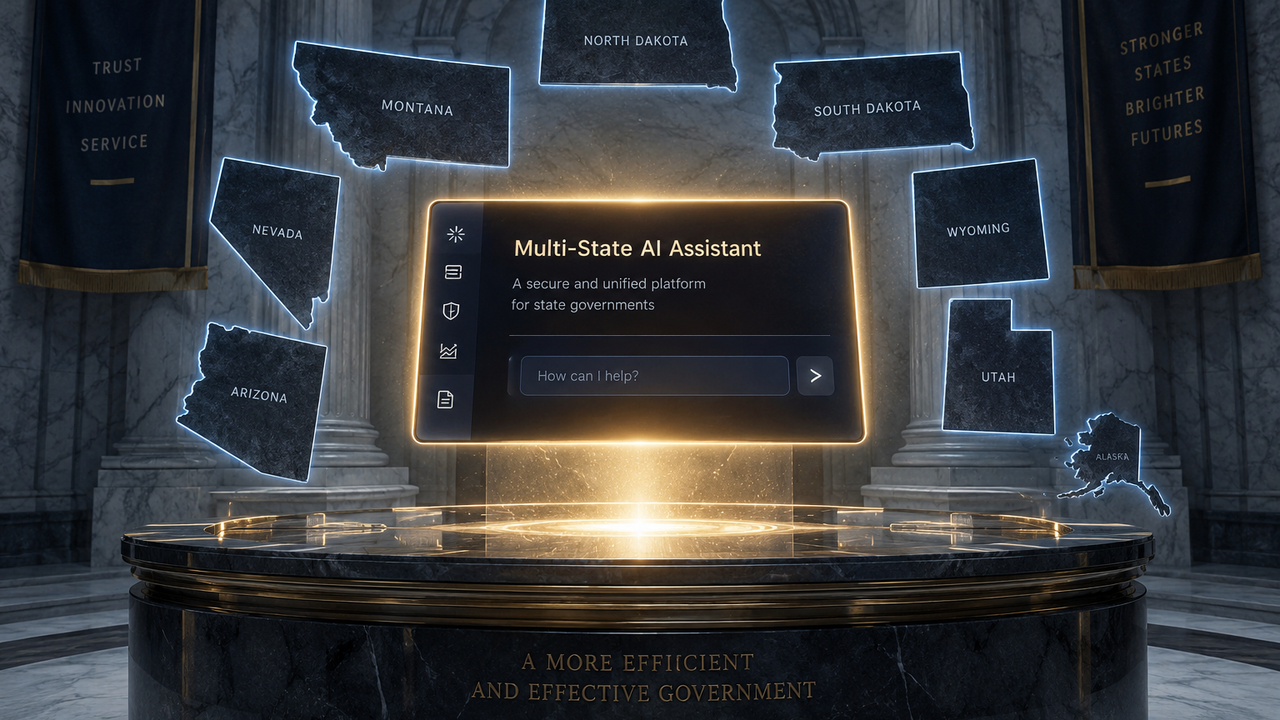
Attorneys general in Iowa, Kansas, Nebraska, West Virginia, Arkansas, Arizona, Idaho, and Montana filed separate consumer-protection suits alleging OpenAI misled parents about ChatGPT's safety while exposing minors and vulnerable users to harmful advice. Complaints allege design choices that encourage emotional dependence and reinforce delusions. Arkansas goes furthest, seeking to restrict advanced testing and self-improving model development until new safeguards land.
Relevance 8/10Importance 8/10
The task force announced October 4 and chaired by DNI Jay Clayton — with vice chairs Scott Kupor, Emil Michael, and FTC chair Andrew Ferguson — formally adopted its charter and opened a 120-day review window. It commissioned a PCAST report on AI risk across cybersecurity and critical infrastructure, biosecurity and dual-use, and model control and accountability. Notably, the group signaled it would lean on existing liability law rather than write new regulation.
Relevance 8/10Importance 8/10
Speaking with Bloomberg in London, NVIDIA's CEO said that yes, hypothetically, he'd halt supply to an irresponsible developer — "but before you do so, you would have a conversation." He immediately hedged, noting NVIDIA doesn't run other people's companies and its technology is general-purpose. He also announced $250 million over five years for UK AI safety research, while arguing current alarm is overblown growing pains.