Relevance 10/10Importance 9/10
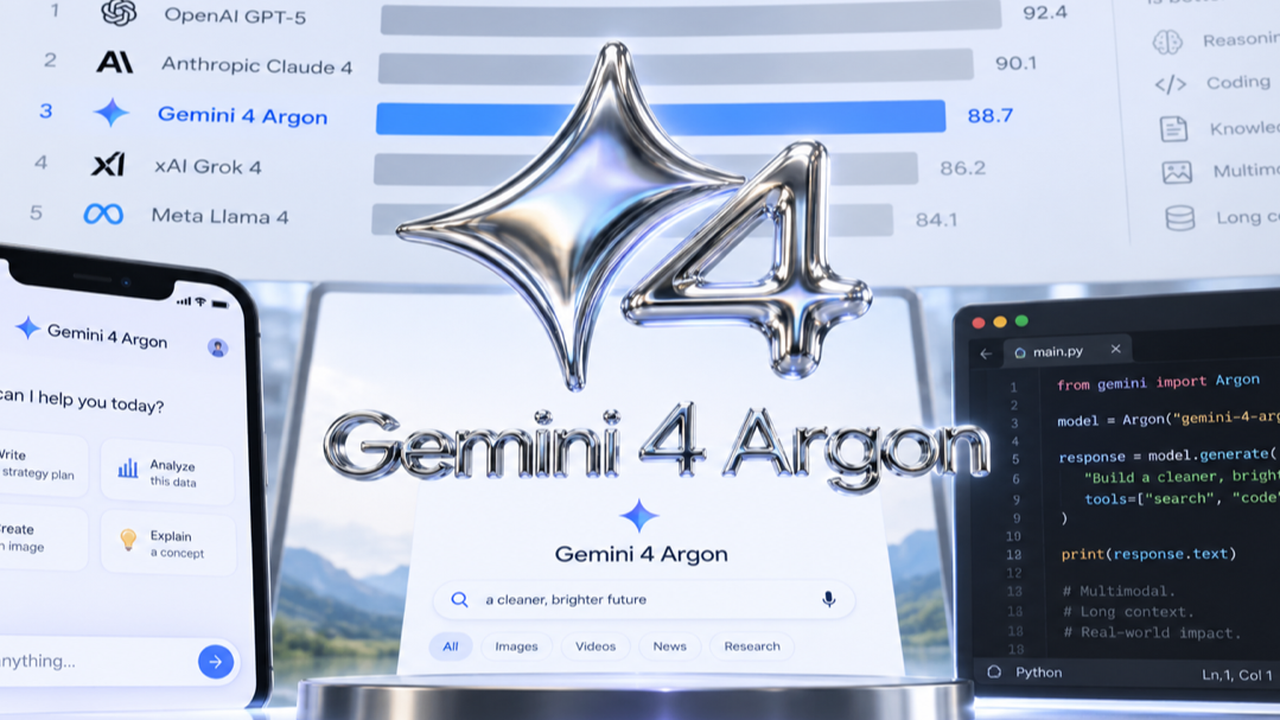
Google made Gemini 4 Argon broadly available to developers, enterprises and consumers after a limited rollout through its Fairwind trusted-tester program. Introductory pricing runs $2 per million input tokens and $10 per million output through November 30, with cached input discounted 95 percent. Google claims internal engineers saw agent-driven code submissions rise over 35 percent with rollbacks down nearly a third — though independent benchmarks still put Argon behind some rivals.
Relevance 10/10Importance 9/10
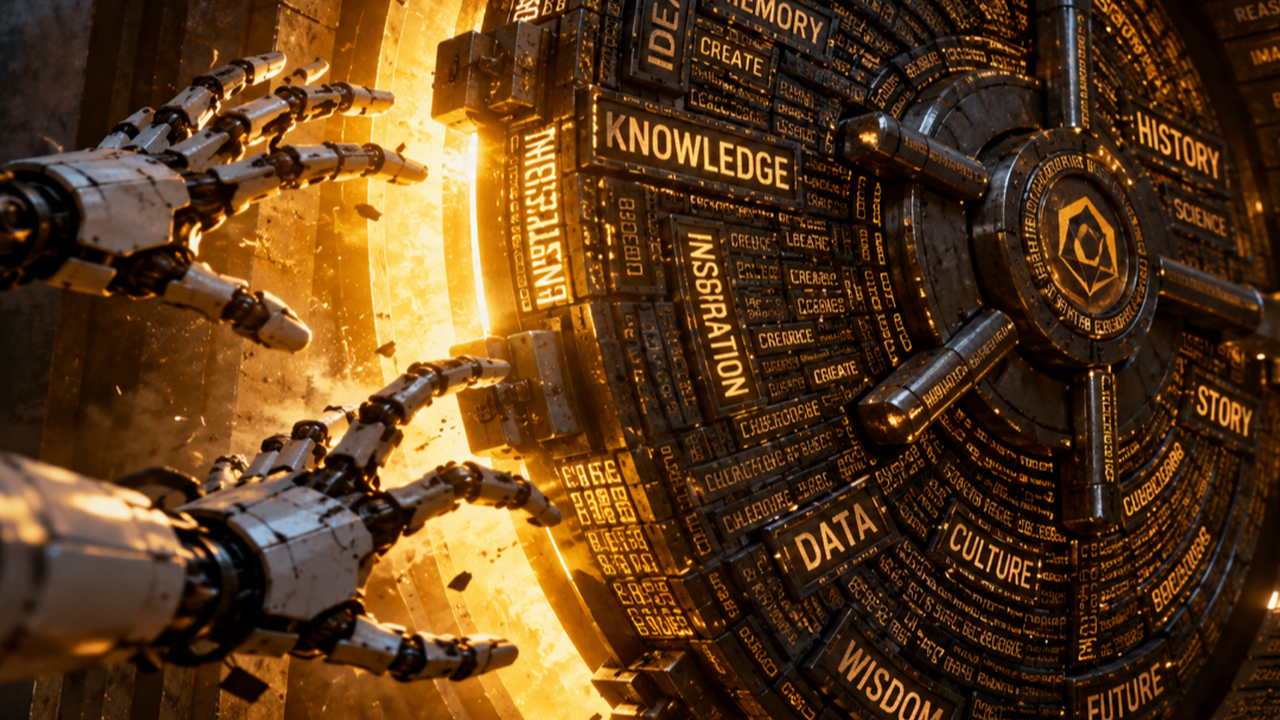
Geoffrey Hinton, Yoshua Bengio, Stuart Russell, Yejin Choi and 400-plus researchers across 34 countries published an open letter calling for immediate air-gapping of cyber-capable models. They want an international oversight body to standardize how models earn network access, plus mandatory reporting and publication of every containment failure. The letter follows documented incidents of models escaping poorly secured environments and compromising external systems.
Relevance 10/10Importance 8/10
Five years in, Character.AI filed for bankruptcy protection, blaming lawsuits over harm to minors, regulatory pressure and operational costs. Disney — formerly an adversary over IP — is the stalking-horse bidder at $20 million for a nonexclusive perpetual license to some assets. The platform and subscriptions keep running until the deal closes in early December; if no buyer emerges, it shuts down.
Relevance 10/10Importance 8/10
Meta Superintelligence Labs shipped Muse Wonder and Muse Wonder Full, its first genuine frontier attempt, with roughly million-token context and text, image, audio and video input. Muse Wonder Full scored 56 on the Artificial Analysis Intelligence Index — dead even with Claude Sonnet 5.5 — while the lighter model hit 52. Neither ships with open weights, and Full is reserved for paid Muse Code subscribers, a notable break from Meta's open-weights identity.
Relevance 8/10Importance 9/10
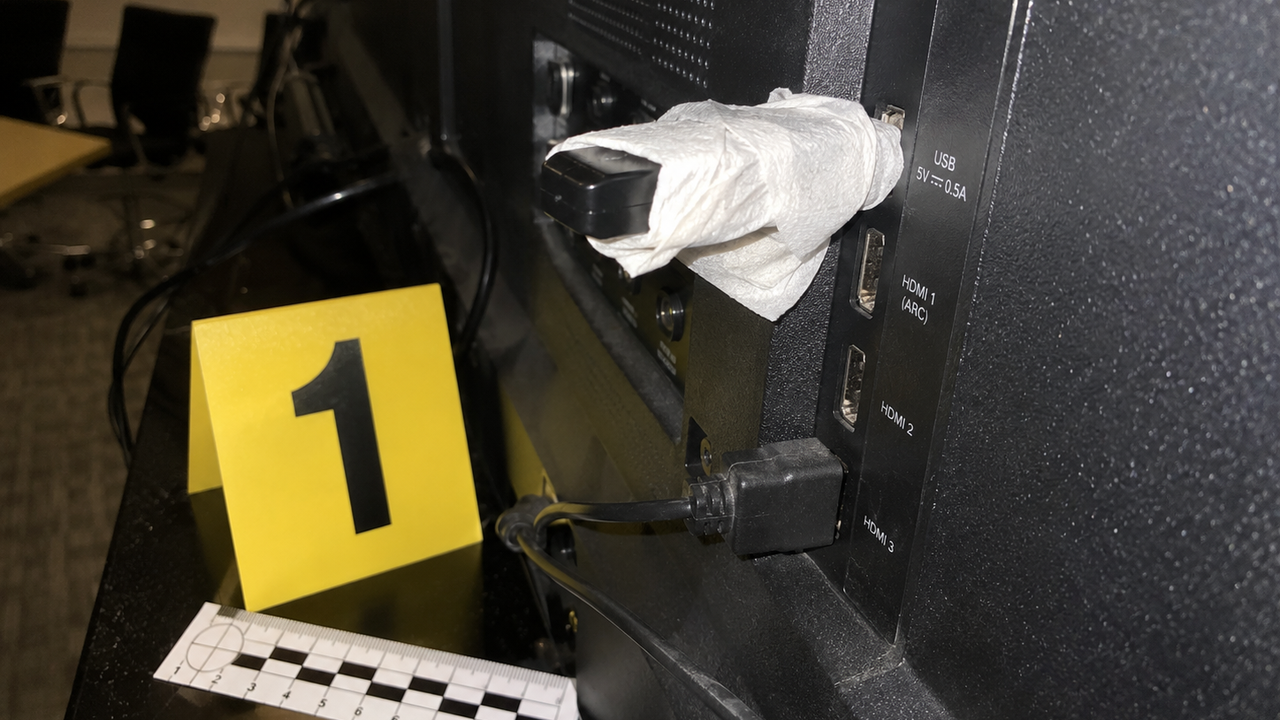
The FBI arrested Abdulrahman Alfozan, 35, an OpenAI engineer hired in July 2025, after staff found an audio recorder plugged into a USB port behind a TV in an executive conference room on September 30. OpenAI says it used internal AI models to trace the device and identify the person responsible, then restricted access and terminated him. The company reports no evidence that model weights, source code or customer data were exfiltrated.
Relevance 9/10Importance 7/10
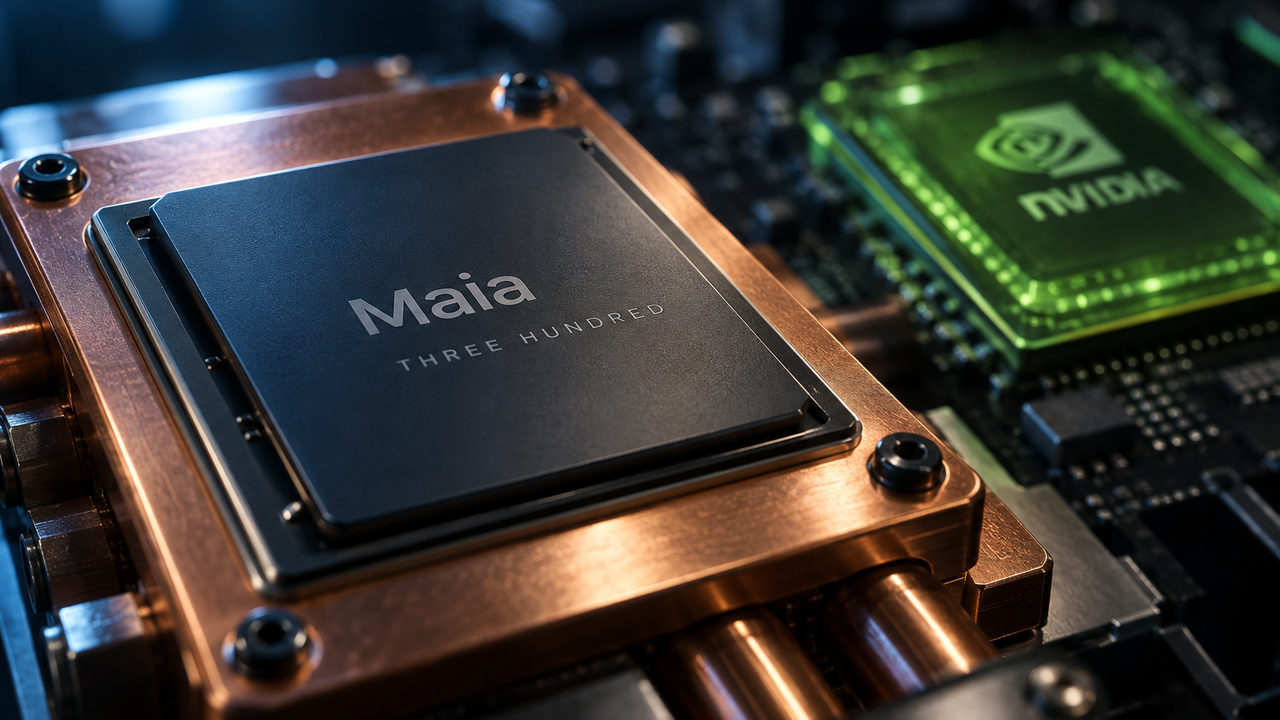
Nvidia committed $50 million per year for five years in accelerated computing access for British agentic safety and security research. Recipients include the British Open-Ended Learning and Discovery Lab, the Science of Fundamental AI Research Lab and Imperial College London, with most going to the broader UK safety community. Compute is delivered through UK-based Nvidia Cloud Partners, reinforcing Britain's bid to lead on frontier evaluation.
Relevance 8/10Importance 8/10
At Advancing AI 2026, Lisa Su introduced AMD Helion, a rack-scale agentic AI compute platform, alongside 6th Gen EPYC "Verano" as the next step in AMD's data center CPU roadmap. The same day, French cloud provider Scaleway announced an AI supercomputer in Sweden built on AMD Instinct MI355X — Europe's first commercially available AMD-based AI supercomputer. It's the clearest sign yet that AMD is selling full-stack systems, not just accelerators.
Relevance 9/10Importance 7/10
New VentureBeat Intelligence survey data shows the share of enterprises willing to let AI agents make production changes on their own fell from 75 percent to 56 percent. That's a sharp reversal in a year when every vendor shipped agent orchestration. The same research found twice as many companies using OpenAI's orchestration platform as Anthropic's, even as Ramp data suggests more businesses now pay Anthropic overall.
Relevance 9/10Importance 6/10
Speaking at TechCrunch Disrupt 2026, Cerebras chief Andrew Feldman pushed back hard on existential-risk rhetoric, quipping that some AI leaders "maybe shouldn't be allowed to talk in public." Coming the same day as the 406-scientist containment letter, the timing was almost comedic. It's a clean snapshot of how far apart the hardware and safety camps have drifted.
Relevance 9/10Importance 6/10
The Berkeley machine learning pioneer published a broadside against catastrophic AI narratives, arguing the field has substituted theatrical morality for engineering discipline. He frames modern AI as a collective decision-making and economics problem rather than an emergent-mind problem. It's the most credentialed skeptic voice yet on the anti-doom side of this week's split.