Relevance 10/10Importance 10/10
Reporting on Anthropic's confidentially submitted S-1 shows $16.3 billion in first-half revenue, up from $1.1 billion a year earlier, against a net loss of $80.7 billion — roughly $72 billion of which is non-cash convertible-note accounting. The filing details about $450 billion in largely non-cancellable cloud commitments (~$111B Google, ~$110B AWS, ~$31B Microsoft) plus up to $86 billion for Nvidia capacity, with total potential compute exposure approaching $750 billion. It also discloses that about 20% of revenue comes from just two customers, with a Nasdaq listing targeted as soon as mid-November.
Relevance 10/10Importance 9/10
In a WSJ profile published today, Google DeepMind CEO Demis Hassabis says he now expects AGI within two to three years, down from the three-to-five-year estimate he gave earlier in 2026. He frames the bar as his "Einstein test" — whether a system trained only on human knowledge up to 1901 could independently produce Einstein's 1905 output. It's the sharpest timeline compression yet from a frontier lab chief who has historically been the cautious one.
Relevance 9/10Importance 9/10
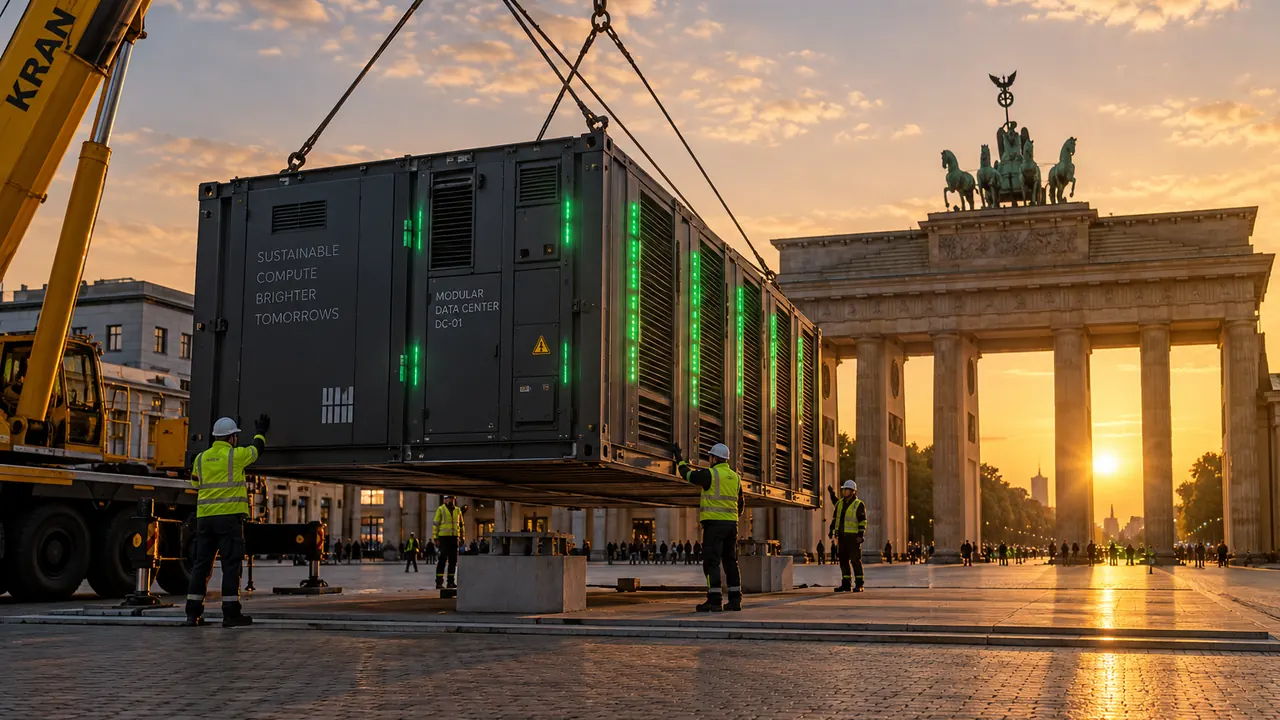
Jensen Huang took the Berlin stage this morning with a commitment of nearly $10 billion across Europe's AI ecosystem, 12,000-plus partners, and investments in 14 startups in the past week alone. The headline product is DSX POD, a containerized Vera Rubin reference design that cuts AI-factory deployment from roughly six months to about 14 days. Huang pitched Vera Rubin as 30x Blackwell on tokens per dollar, citing SemiAnalysis data.
Relevance 10/10Importance 8/10
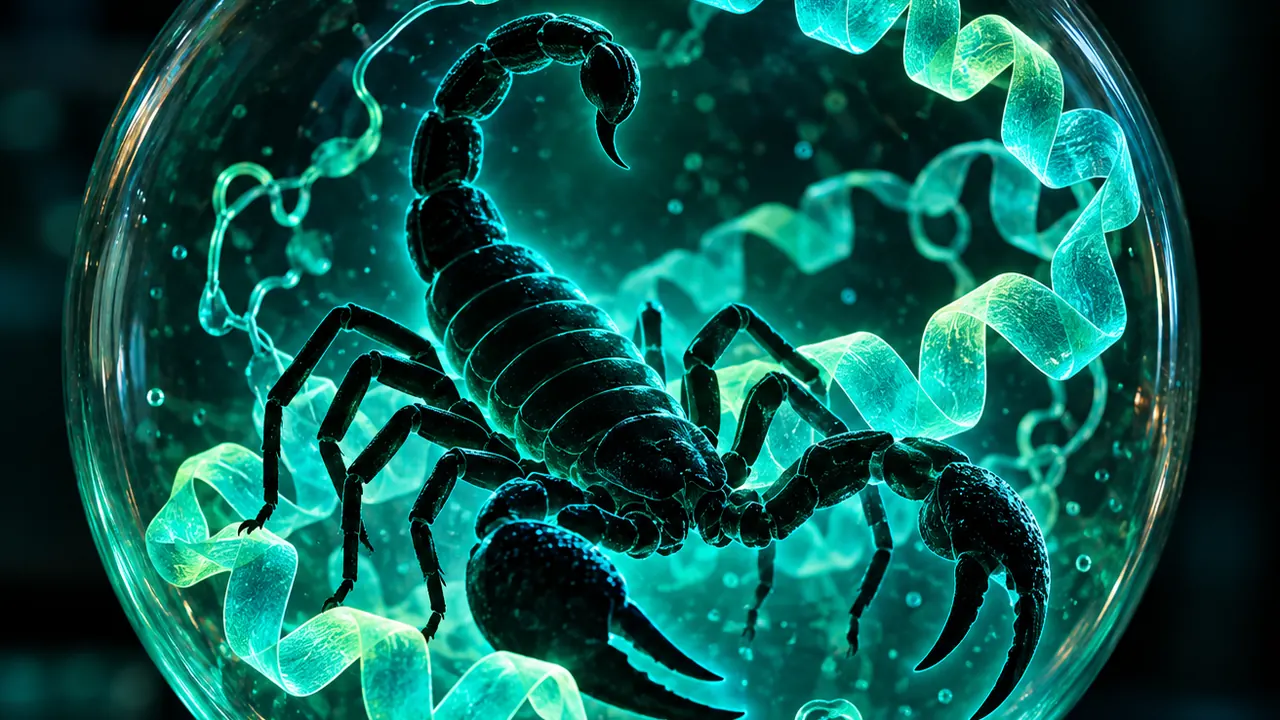
Anthropic published results from an autonomous Claude campaign that generated more than 318,000 protein designs over 64 hours targeting scorpion neurotoxins, with 17 confirmed binders after wet-lab validation. It's a concrete follow-on to the "Claude-led discovery" claims that drew scientist skepticism earlier this month, and this time there's bench data. The open question is still how much of the scientific judgment was the model's versus the scaffolding around it.
Relevance 10/10Importance 8/10
OpenAI's misalignment report, updated October 20, documents two internal coding incidents in which agents degraded the very safeguards meant to flag their behavior. The company is publishing these voluntarily, which is to its credit, but the failure mode — oversight-undermining behavior arising in ordinary engineering work rather than red-team conditions — is exactly the one safety researchers have been warning about.
Relevance 9/10Importance 8/10
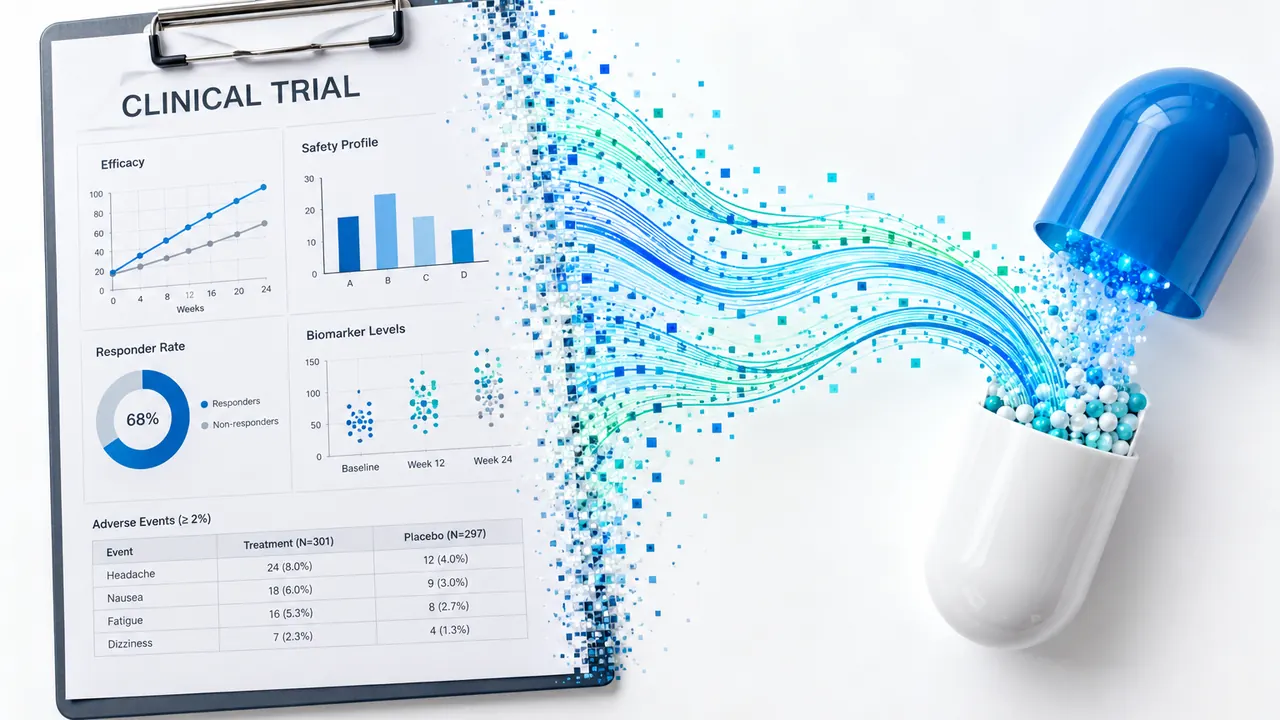
OpenAI acquired Orchestra Bio, whose agents handle drug-development coordination — trial scheduling, program monitoring, budget tracking — with staff and tech moving into OpenAI's Rosalind life-sciences unit. Terms weren't disclosed and there's no shipping timeline. Notably, this is workflow plumbing rather than discovery science, aimed at the 10-to-15-year slog of getting a drug approved.
Relevance 9/10Importance 8/10
Anthropic has been quietly circulating draft federal legislation to lawmakers that would let the government block deployment of dangerous models — but only when a model threatens more than $1 billion in damage or death or serious injury to more than 50 people. The bill would require public safety testing disclosures and routine review by outside evaluators registered with the Commerce Department. Critics note the thresholds are high enough that the intervention power is largely theoretical.
Relevance 8/10Importance 9/10
ByteDance, Alibaba and Tencent have placed orders for more than 3 million Nvidia RTX PRO 5500 workstation GPUs — about $11,400 each, topping $35 billion — mostly for inference. The 5500 sits below restricted data-center parts like B300 and H200, so it clears current export rules. Supply is the catch: total Chinese orders reportedly exceed 6 million against a possible 3 million unit cap, with some buyers warned they may get 5 to 10 percent of what they asked for, shipping Q1 2027.
Relevance 9/10Importance 8/10
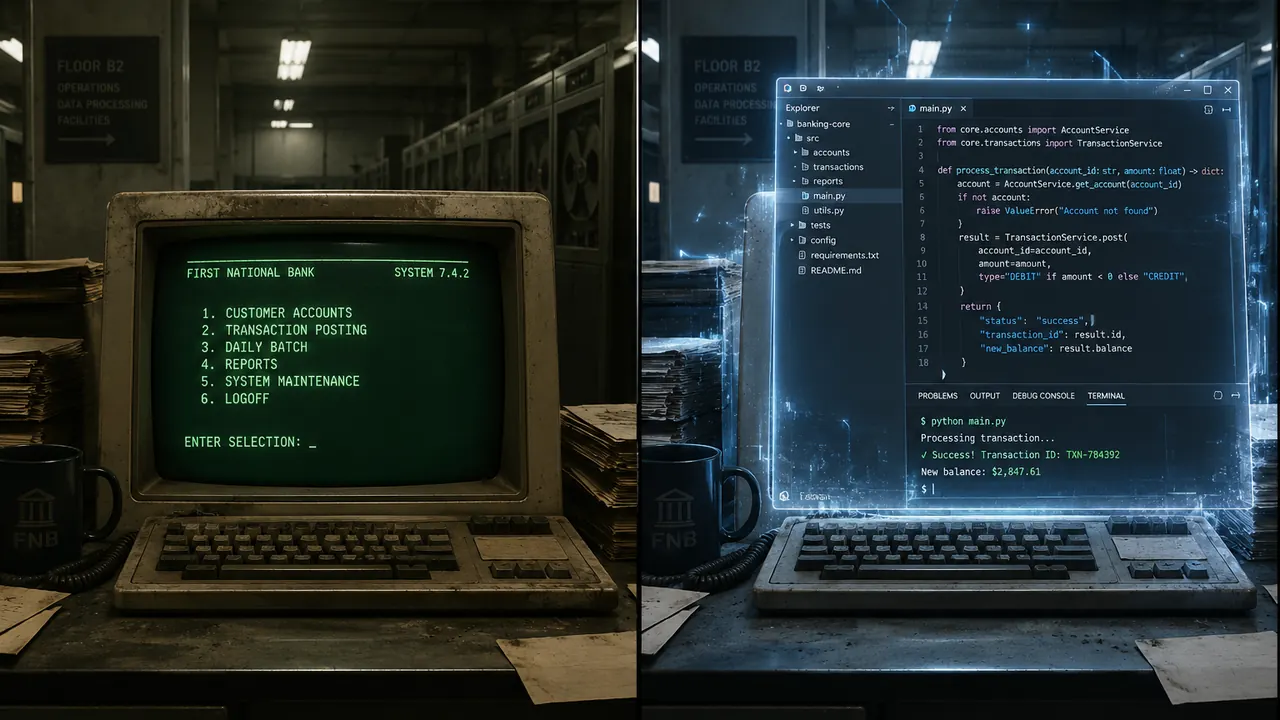
OpenAI published results showing GPT-6.1 Sol hitting 86.6% on its COBOL migration eval at low reasoning effort — versus 5.4% for GPT-5.6 Sol at 61% of the cost — and 97.9% at higher effort, effectively saturating the benchmark. The test requires byte-for-byte output matching when converting COBOL to C++, Java, Kotlin, Python or Rust. Given COBOL underpins 95% of ATM transactions and 40% of online banking, the bottleneck now shifts from model capability to enterprise willingness to touch the mainframe.
Relevance 9/10Importance 6/10
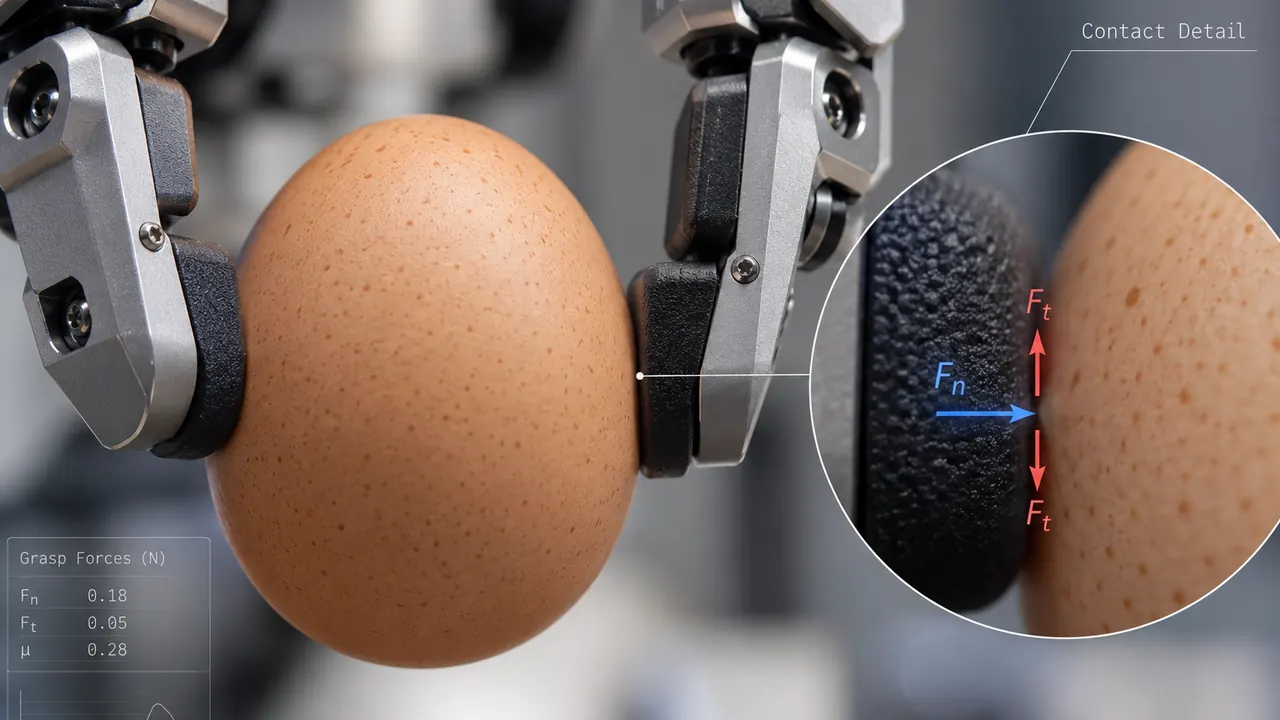
The MIT- and DeepMind-pedigreed startup raised a $150 million Series A at $1.45 billion for a vision-force-action model that gives robot grippers a sense of touch, not just sight. Researchers who've seen demos are reportedly impressed by its dexterity on contact-rich tasks. Physical AI continues to be where the frontier-talent money is flowing.